


Through the first 32 games of the 2026 NFL season, three of them have gone to overtime. Unfortunately, winning the coin toss has not correlated to winning the game.
The New Orleans Saints won the coin toss when they forced overtime against the Detroit Lions in Week 1. New Orleans chose to kick the ball and Detroit answered by scoring a touchdown and hitting the extra point. The Saints responded with a touchdown of their own and decided to go for the win on a two-point conversion, which failed and cost them the game in a 31-30 loss.
In Week 2, the New York Jets were forced into overtime by the Green Bay Packers and won the toss. The Jets decided to receive the ball in order to regain some of the momentum they had lost in the fourth quarter. Instead, they went three and out and punted. Green Bay marched down the field and scored an easy field goal to win 20-17.
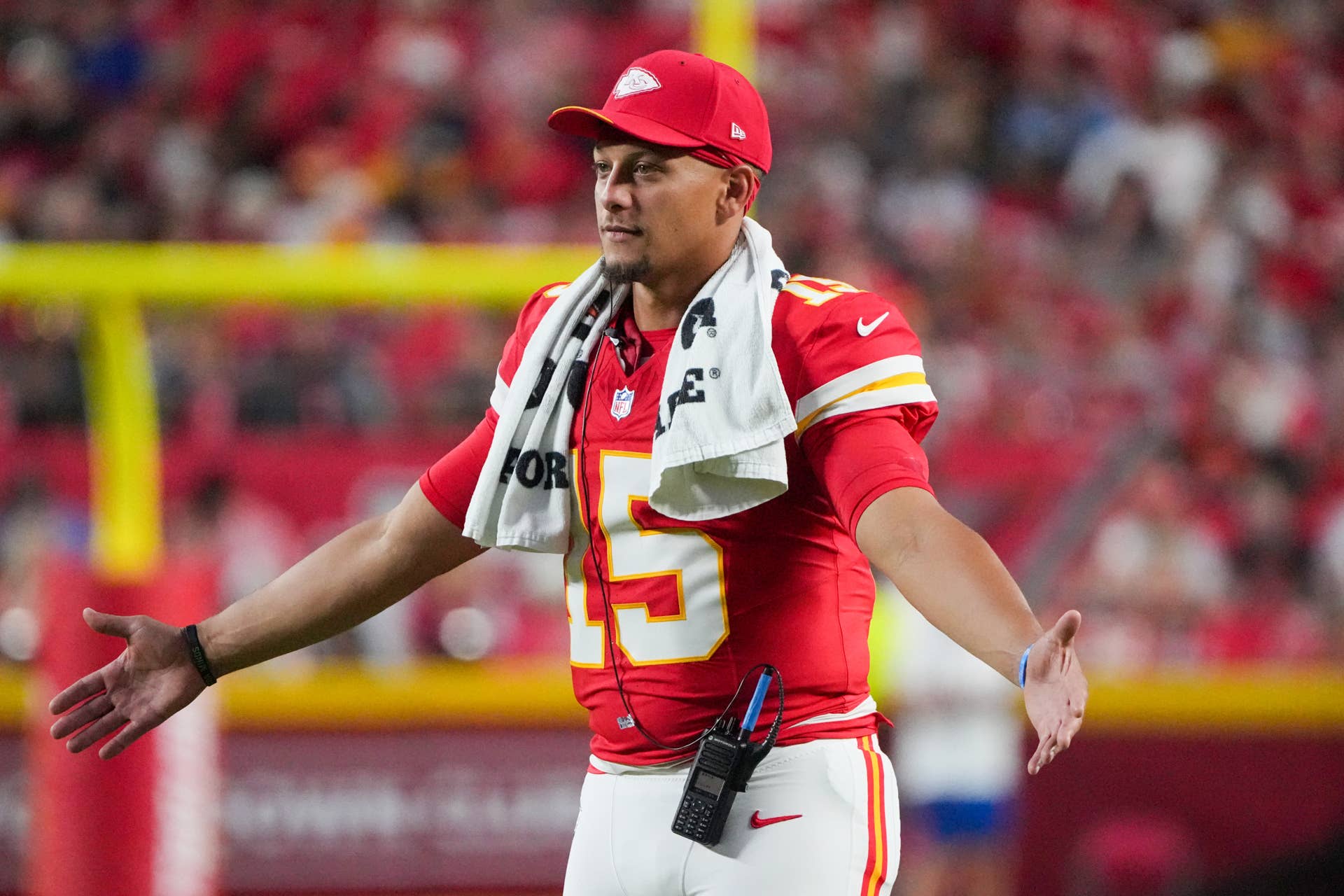
Sunday’s nightcap game between the Kansas City Chiefs and Indianapolis Colts was similarly a hard fought game that went to added time. The visiting Colts won the coin toss and decided to kick, so as to keep the Chiefs from having the potential benefit of four-down territory. The two teams exchanged field goals but the Chiefs managed to sustain a drive on their second overtime possession and drove down the field for a field goal, winning 33-30.
In 2025, the NFL adjusted its overtime rules to guarantee a possession by both teams, regardless if the team on the opening possession scored a touchdown. Naturally, such a massive change has altered the way that coaches approach overtime when they win the coin toss.
© Denny Medley-Imagn Images
In years past, winning the coin toss was almost as good as winning the game since the team that scored first would win. Then when it changed to guaranteeing the other team a chance to possess the ball unless there was a touchdown scored, the strategy changed.
The strategy changed again after an infamous Chiefs-Bills playoff game, initially for playoff overtimes and eventually for regular season overtimes.
Now that we’re in the second year of the new overtime rules, the jury is still out on whether it’s an improvement.
Ultimately, the ability to win in overtime comes down to execution on all three sides of the ball. The fact that the coin toss winning is losing the game may be more of an execution issue than a strategy one.


