


When the puck drops in Milano-Cortina on Feb. 11, it will mark the first time in 12 years that active National Hockey League players are allowed to compete in the 2026 Winter Olympics.
The last time they did so was in Sochi 2014, and since then, three Olympic cycles have passed without the participation of hockey’s top talent.
The NHL's absence from the Olympics began with a breakdown in negotiations between the NHL and the International Olympic Committee.
The IOC announced in April 2016 that it would no longer cover player-related costs such as insurance, travel, and accommodations. Following that announcement, the NHL cited those costs, along with concerns over schedule disruption and player injury risk, as reasons to withhold participation in the 2018 PyeongChang Games.
The International Ice Hockey Federation attempted to bridge the gap by offering $20 million to cover the costs in March 2017. Still, no agreement was reached, and Olympic hockey went ahead without NHL players.
Team USA fielded a squad of collegiate athletes and international pros, ultimately exiting the tournament in the quarterfinals after a 3-2 shootout loss to the Czech Republic.
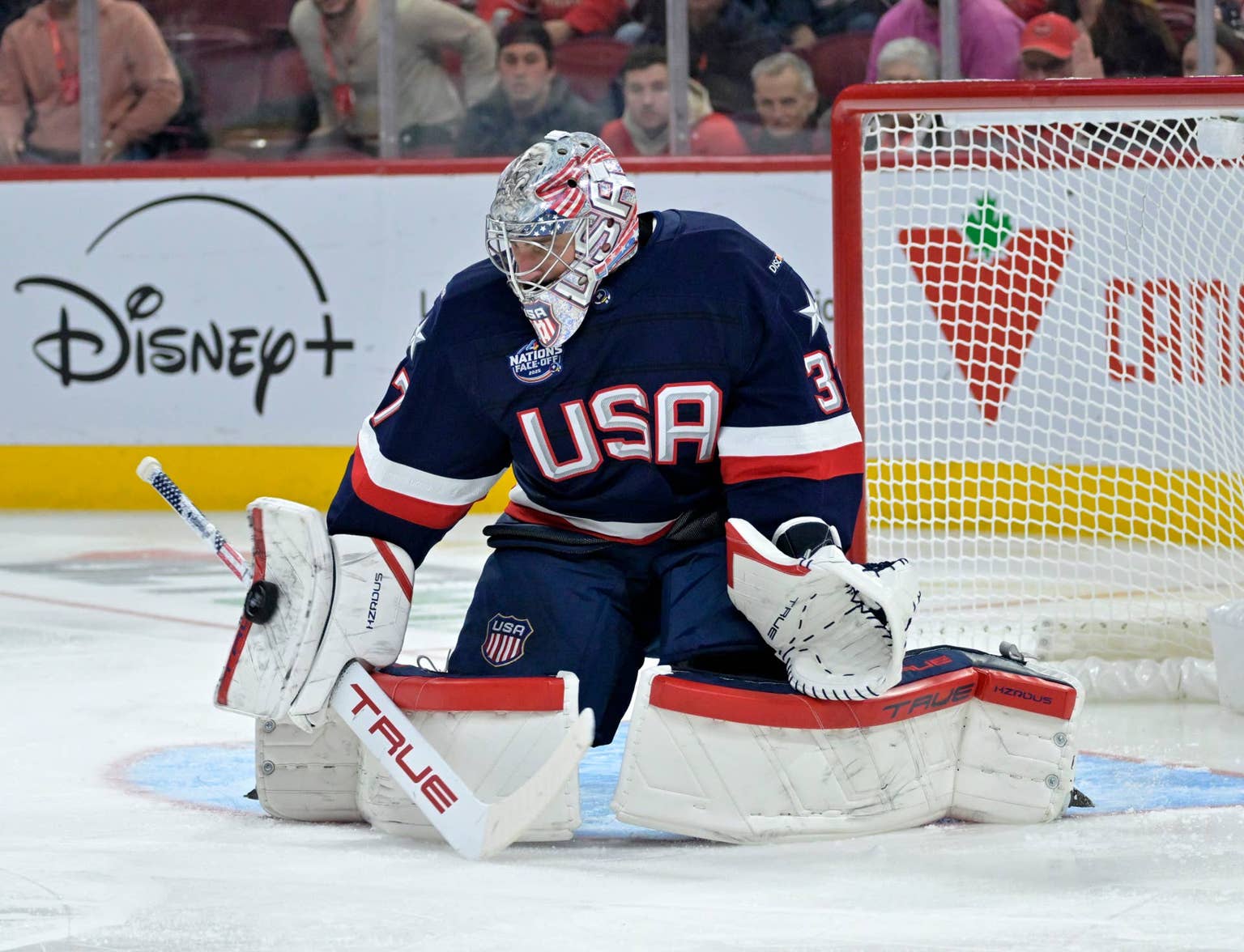
Eric Bolte-Imagn Images
For Beijing 2022, plans were initially in place for NHL participation. A deal between the NHL, NHLPA, IIHF, and IOC was signed in Sept. 2021. However, a COVID-19 outbreak during the NHL season forced the league to postpone over 50 games by December.
With the schedule in flux, the league withdrew from the Games six weeks before they began, announcing the decision in late Dec. 2021.
The 2026 return was confirmed in July 2025, when all four governing bodies finalized an agreement for NHL players to take part in both the Milano-Cortina Games and the 2030 Olympics in France.
Everything to Know About Hockey at 2026 Olympics
Each of the league’s 32 teams will send at least one player, and both Canada's and the USA's rosters will be made up entirely of NHL talent.
Olympic ice dimensions have stirred concern, as the rink built in Milan is three feet shorter than agreed beforehand and slightly wider than NHL regulation. NHL Deputy Commissioner Bill Daly warned that participation would depend on safety conditions.
Despite that, no delays or structural issues have been reported and Olympic hockey in 2026 will once again showcase the NHL’s best.