


No one wants to be branded as a Lazy Daisy. Especially when it comes to building your fantasy basketball roster for the playoffs.
Sure, some fantasy managers can skate by early in the season. But once the calendar turns to March, negligent roster building is exposed. Worried you got lax in maintaining your fantasy roster? Here are the ways the playoffs punish lazy fantasy owners.
The Lies of January Production
Kamil Krzaczynski-Imagn Images
Unsustainable Hot Streaks Fade
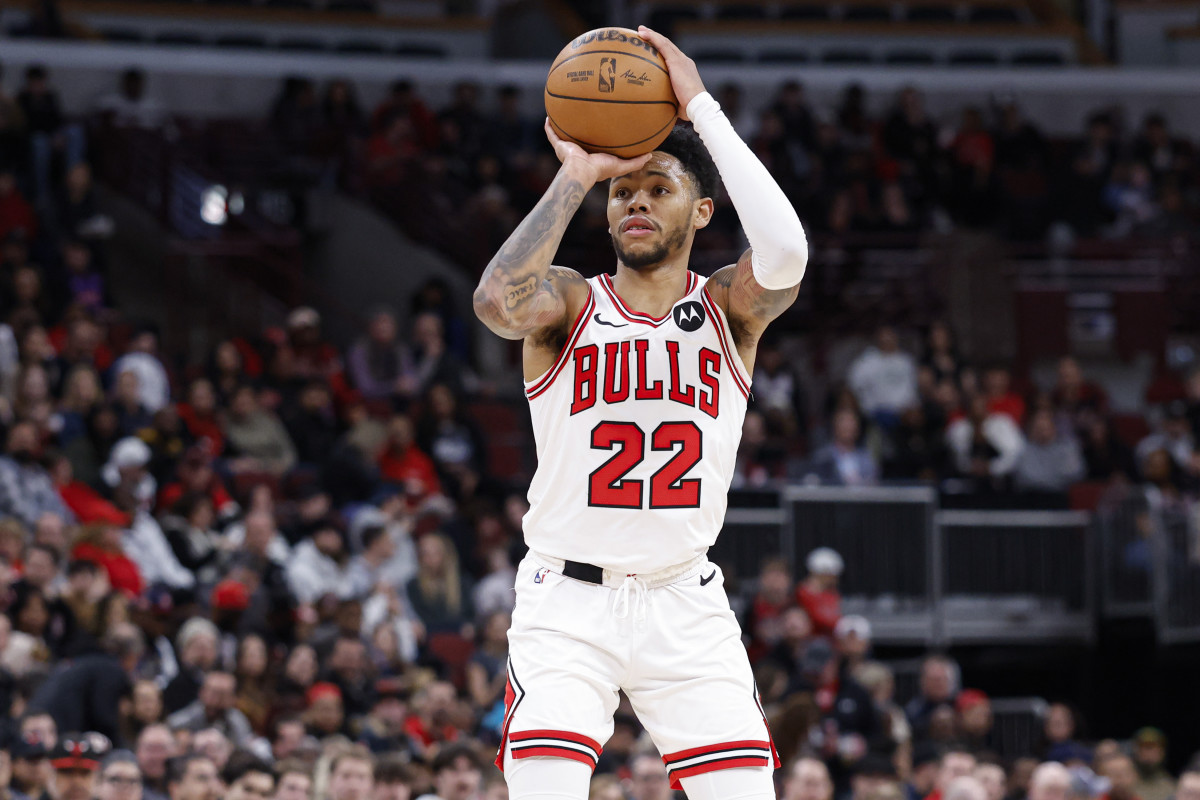
Remember back in February when we warned you about late-season regression? Hopefully you listened. Anfernee Simons’ spike in efficiency and Kelly Oubre Jr.’s three-pointer heater had their moment, but both players have since come back to Earth. Any managers still playing them like it’s early February are being punished with empty production.
Usage Inflated by Injuries Drop
Think about Isaiah Stewart playing more minutes in January while Jalen Duren was sidelined with that ankle injury. Don’t get us wrong, Stewart is still productive off the bench. However, he’s only averaging 21 minutes per game. It’s doubtful he’ll play more than that in March as the Pistons tighten their lineup.
Trade Deadline Role Shifts Emerge
Jared McCain was averaging over 21 minutes per night in December as the 76ers dealt with a plethora of injuries. Since being traded to the Thunder, he hasn’t consistently played over 20 minutes per game. Plus, Shai Gilgeous-Alexander’s return further diminishes McCain’s role.
Intent Shifts: Tanking and Rest Punish Vets

© Mark J. Rebilas-Imagn Images
Shutdown Risks on Bottom Teams
This time of year, health outweighs wins for teams out of the playoff race. Heck, the Kings shut down Domantas Sabonis and Zach LaVine back in February. The Pelicans could cut Zion Williamson’s minutes since he has been dealing with an ankle injury. And owners with Michael Porter Jr. on their roster should note the forward had a “rest day” against the Grizzlies, which could be a sign of more games on the bench.
Load Management on Contenders
We warned roughly a month ago that big-name veterans would get more rest days if their teams locked in playoff spots. That means the Clippers resting Kawhi Leonard on back-to-backs so he doesn’t compromise his knee, for example. Or LeBron James playing under 30 minutes per night because he’s 41 and dealing with multiple ailments.
How Lazy Construction Gets Punished

John Hefti-Imagn Images
The long and short of it? A lack of depth and adaptability dooms fantasy rosters in March. Unbalanced rosters crumble because they are over-reliant on veterans prone to late-season shutdowns or because they lean on players whose hot streaks have considerably cooled.
The key to avoiding a massive letdown is to add depth to your roster after the All-Star break. Take note of players surging late, like Maxime Raynaud getting more playing time for the Kings. Or Brandin Podziemski, who has thrived in a starting role while the Warriors try to make up for Steph Curry’s long absence.
Conclusion
Fantasy managers can’t get away with being lackadaisical this time of year, because regression and shutdowns can seriously punish rosters. Owners should stay vigilant in monitoring a team’s intent and fine-tune their rosters to focus on playing time and elevated production. Avoid the traps of lazy managing, and you will make a strong push toward the fantasy playoffs.
People Want to Know More About Lazy Fantasy Basketball Rosters for 2026 Playoffs
Why does March punish lazy fantasy basketball rosters?
Intent shifts across the NBA expose unsustainable January production as teams tighten rotations and manage player health.
Which players face shutdown risks late in the season?
Veterans on non-contending teams, such as Zion Williamson or other injury-managed stars, carry elevated shutdown risk.
What hot streaks fade in March?
Efficiency spikes like Anfernee Simons’ shooting runs or temporary usage bumps often regress once rotations normalize.
How can managers fix weak rosters before the playoffs?
Adding depth through waivers and targeting players gaining minutes late in the season can stabilize production.
What strategies work best in March fantasy basketball?
Prioritize consistent playing time and role stability rather than name value when setting lineups.
Why does regression hit late in the NBA season?
Post-deadline rotations tighten, injuries return, and teams adjust roles, causing temporary production spikes to normalize.


