


The Chicago Bears suffered a humbling 31-7 loss to the Green Bay Packers in Week 5, exposing significant issues on both sides of the ball. Chicago entered the matchup riding a two-game winning streak, with its defense emerging as a strength and its offense finding success on the ground. However, neither unit lived up to expectations at Lambeau Field, as the Bears struggled to generate offense and failed to contain Green Bay’s big plays.
While the defense deserves criticism for its performance, the offense’s five turnovers and inability to sustain drives put Chicago in an increasingly difficult position. The Packers capitalized on those mistakes and controlled the game, leaving the Bears with plenty to address heading into Week 6.
So, which unit shoulders more of the blame for Sunday’s loss: the offense or the defense?
What Happened on Offense?
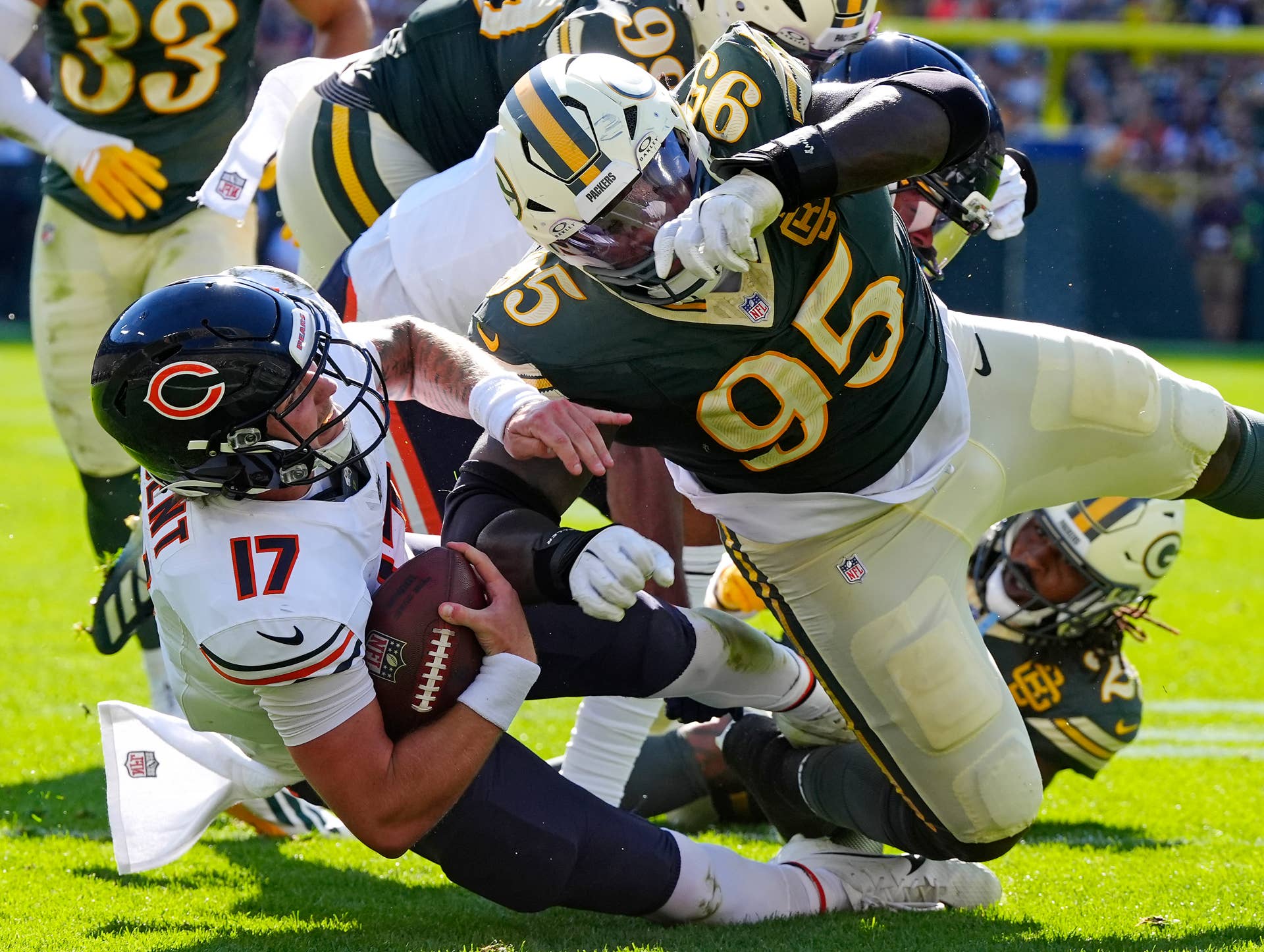
Wm. Glasheen USAToday Network via IMAGN images
Going into Monday Night Football, the Bears ranked 24th in offensive expected points added (EPA) at -0.311 and 19th in success rate at 39.1%. A significant factor behind those numbers was the unit’s tendency to turn the ball over. Chicago committed five turnovers, including three interceptions and two lost fumbles.
Those mistakes gave the Packers more favorable field position than they would have received following ordinary punts. In some cases, the turnovers also cost the Bears opportunities to put points on the board during their limited sustained drives.
Additionally, Chicago’s offensive strength entering Week 5 had been its running game. After averaging nearly 200 rushing yards per game before the matchup, the Bears watched Green Bay sell out to stop their ground attack. The Packers overwhelmed Chicago’s rushing offense and held it to just 81 yards.
Once the Bears fell behind, they had to move away from the run even more, making it increasingly difficult to establish their preferred offensive identity. Combine that with the turnovers, and Chicago created a perfect storm of offensive struggles.
What Happened on Defense?
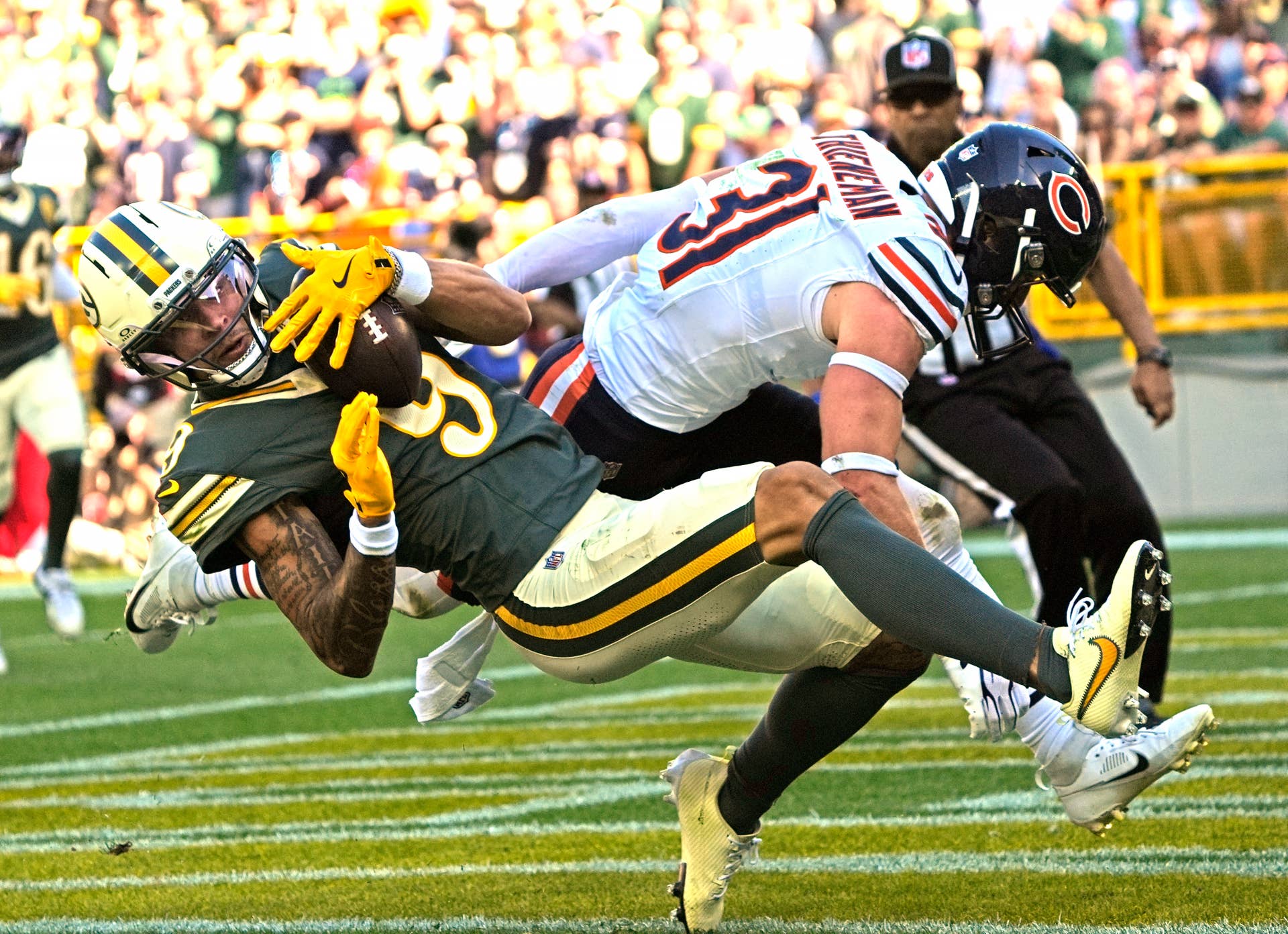
Let’s be clear: the defense wasn’t stellar, either. After a strong stretch from Weeks 2 through 4, when Chicago ranked third in defensive EPA at -0.165 and fifth in success rate allowed at 38.1%, the unit’s performance came to a screeching halt at Lambeau Field.
Going into Monday Night Football, the Bears ranked 26th in defensive EPA at 0.225 and 17th in success rate allowed at 44.1% in Week 5.
Those numbers represent a steep decline from the defense’s performance over the previous three weeks. Chicago’s secondary allowed multiple explosive passing plays of more than 35 yards, giving Green Bay opportunities to stretch the field and keep the defense on its heels.
Tyrique Stevenson was the only member of the secondary who didn’t surrender a big play, but he exited early with an injury. Against a Packers offense that struggled to establish a consistent ground game, the Bears’ defense still fell well short of expectations.
Verdict: Offense
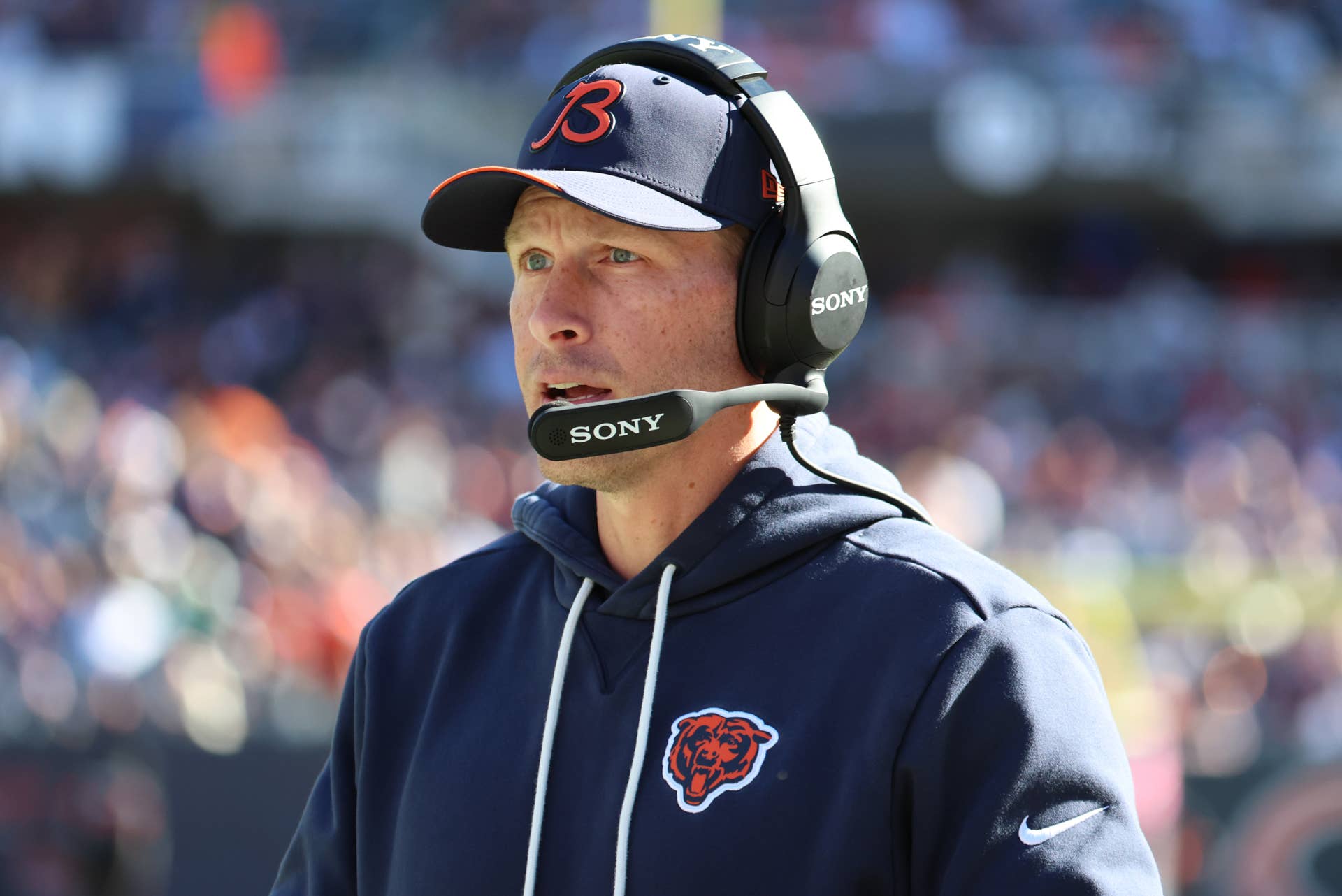
Mike Dinovo-Imagn Images
Although the defense struggled, the offense bears the greater responsibility for this loss. Chicago’s five turnovers gave Green Bay an average starting field position at its own 40.5-yard line. Even when excluding the red-zone turnover, the Packers’ average starting field position following the other four takeaways was nearly midfield.
Make no mistake: the defense must improve and find ways to eliminate the explosive plays that plagued the Bears in both Weeks 1 and 5. However, the offense did the unit few favors by repeatedly handing Green Bay favorable field position. Scoring just seven points only compounded those problems.
Both sides of the ball have plenty of work to do, but the Bears’ Week 5 loss falls primarily on the offense. Five turnovers, a stagnant rushing attack and an inability to generate points made it nearly impossible for Chicago to compete. The defense deserves its share of the blame, but the offense put the Bears in a hole they couldn’t overcome.


