


Trading is a forecasting exercise. Your league values players based on what just happened, but winning trades come from projecting what will happen next. Opportunities ebb and flow throughout the season, and the manager who understands when the market is most vulnerable gains the most leverage.
Timing indicators fall into three buckets: information, incentives, and calendar pressure.
Information Indicators
What Changes Future Value
Not all news and data move the fantasy needle. Focus on inputs that change opportunity, not just perception.
- Role change before box-score confirmation: Snap share, routes, target share, red-zone usage, and goal-line work often shift one to two weeks before fantasy points follow. Trade when the usage changes but the scoreboard has not rewarded it yet.
- Injury-based usage shifts: A teammate injury can create a short- to long-term promotions. Treat each situation differently. A short-term fill-in is a sell window; a clear depth-chart promotion is a buy opportunity.
- Scheme and play-calling changes: Faster pace, more neutral-pass rate, and an increase in designed touches can raise weekly floors. Look for sustained play-calling trends across multiple games, not one-off game scripts.
- Regression signals: Touchdowns and splash plays swing faster than underlying volume. A player with strong volume and poor scoring luck is often a buy; a player making a living off low-volume touchdowns is often a sell.
Incentive Indicators
What Your Trade Partner Needs Right Now
Most deals close when both sides solve a problem.
- Record-based urgency: Managers sitting at .500 or worse often prioritize this week’s points over rest-of-season value. That creates buy-low windows on injured stars and slow starters.
- Positional pain: A manager starting a replacement-level tight end or running back often will overpay for stability at that slot. You should trade from depth into a starter upgrade elsewhere.
- Bye-week pressure: The week before a manager hits a heavy bye cluster is a prime time to trade. Their lineup stress makes them flexible.
- Injury tilt: Immediately after an in-game injury, managers tend to overreact. A calm counteroffer within 24 hours often lands a discount.
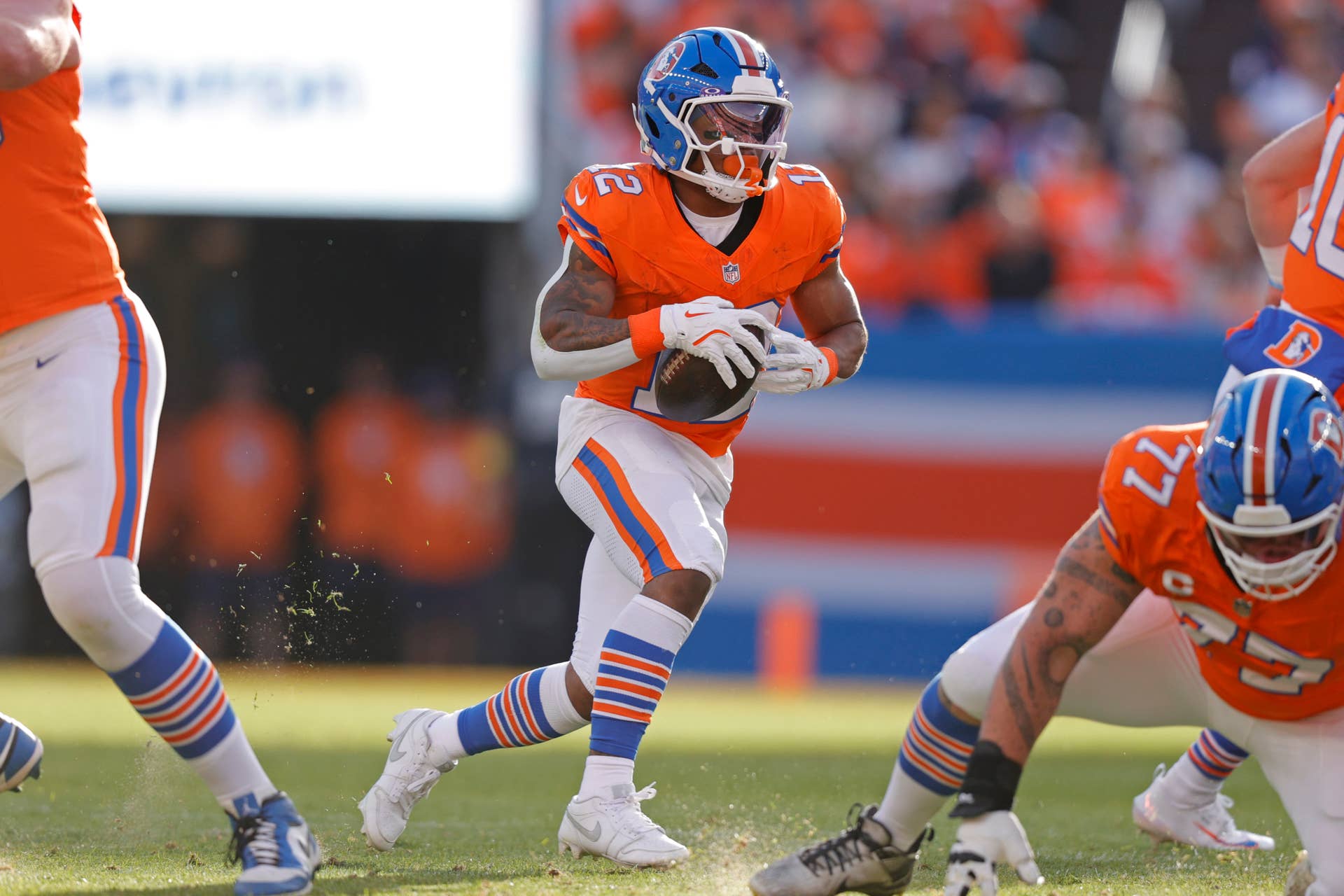
Isaiah J. Downing-Imagn Images
Calendar Indicators
Understanding Trading Cycles
Trading does not stay equally active all year.
Early Season (Weeks 2–4): Mispriced Roles
September creates the largest perception gap. Small samples drive overreactions, and managers still believe they can “fix” their teams quickly. You also have the most activity across your league as casual gamers tend to bail if they start poorly.
Identify:
- Buy players with stable usage but disappointing points.
- Sell players with unsustainable efficiency or touchdown spikes.
Midseason (Weeks 5–9): Clarity and Scarcity
Depth charts stabilize, waiver wires thin out, and managers start to understand what their teams actually are ... and aren't, which can lead to unresponsive owners limiting players available on the trade market.
Trading tips:
- Consolidate depth in two-for-one trades to upgrade starters.
- Target playoff-bound opponents’ weak positions before they address them.
Late Season (Weeks 10–Deadline): Playoff Math Changes Behavior
Managers either lock in, completely bail, or start planning for next year (in keeper/dynasty). Even in redraft, desperation peaks.
Best plays:
- Trade with schedule-driven upside for your playoff weeks in mind.
- Sell “name value” players whose roles have quietly eroded.
Practical Timing Rules That Keep You From Trading Blind
Use a repeatable checklist before you send offers.
- Define the goal: Improve your weekly starting lineup, not your bench, outside of rare situations (sketchy depth or flimsy starting QB/TE).
- Project rest-of-season usage: Utilization, especially in the red zone, drives predictable scoring trends.
- Compare to replacement level: A small upgrade at running back can matter more than a larger upgrade at wide receiver, depending on your waiver pool and lineup rules.
- The schedule is a tiebreaker: Defensive matchups should not outweigh role, but they can break ties between similar players.
- Avoid paying for last week’s points: Trade for the role, not the highlight or isolated boom week.
Trade Triggers You Can Act On Immediately
- A player’s routes and targets rise for two straight games without a fantasy breakout.
- A backfield shifts toward one player at the goal line, even if the between-the-20s split remains messy.
- A coaching change can lead to newfound roles or personnel developments.
- A manager faces multiple byes next week and has no waiver flexibility.
- A contender loses a starter and needs a short-term patch.
How to Package Offers That Match the Timing
When you strike at the right time, structure the deal to match the other manager’s problem.
- Two-for-one upgrades: Offer a starter plus a usable bench piece to get the best player in the deal. This works best when your roster has depth and your trade partner needs lineup stability.
- Injury discount buys: Offer immediate but unsexy producers to the manager who cannot wait. You buy the higher ceiling for later weeks.
- Schedule swaps: Trade away a player with a tough upcoming slate for a similar-tier player with cleaner matchups during your fantasy playoff weeks.
Fantasy Football Takeaway
Learn to act decisively when role changes predate production spikes. Target managers under bye-week or injury pressure, and use the calendar to predict when your league will overpay for short-term help. But, most important of all, don't trade for the sake of trading without upgrading your roster in a meaningful way.


