


The 2026 World Cup will mark a before-and-after in the tournament's history. It will be the largest edition ever, with 48 national teams participating and host venues spread across three countries.
Due to the increase in teams, the competition format also changes significantly, especially in the group stage and knockout rounds.
The tournament will consist of 12 groups of four teams each. During the group stage, each team will play three matches. At the end of this stage, the top two teams from each group will advance directly, representing a total of 24 teams.
To those 24 teams, the 8 best third-place teams will be added, completing the 32 teams that will advance to the first knockout round.
At the 2026 World Cup, extra time will remain in the knockout rounds. This means that, with more matches, because the knockout rounds will begin with the round of 32 rather than the round of 16, there will be more chances to see epic conclusions.
More Chances for Extra Time, Penalty Kicks in 2026 World Cup
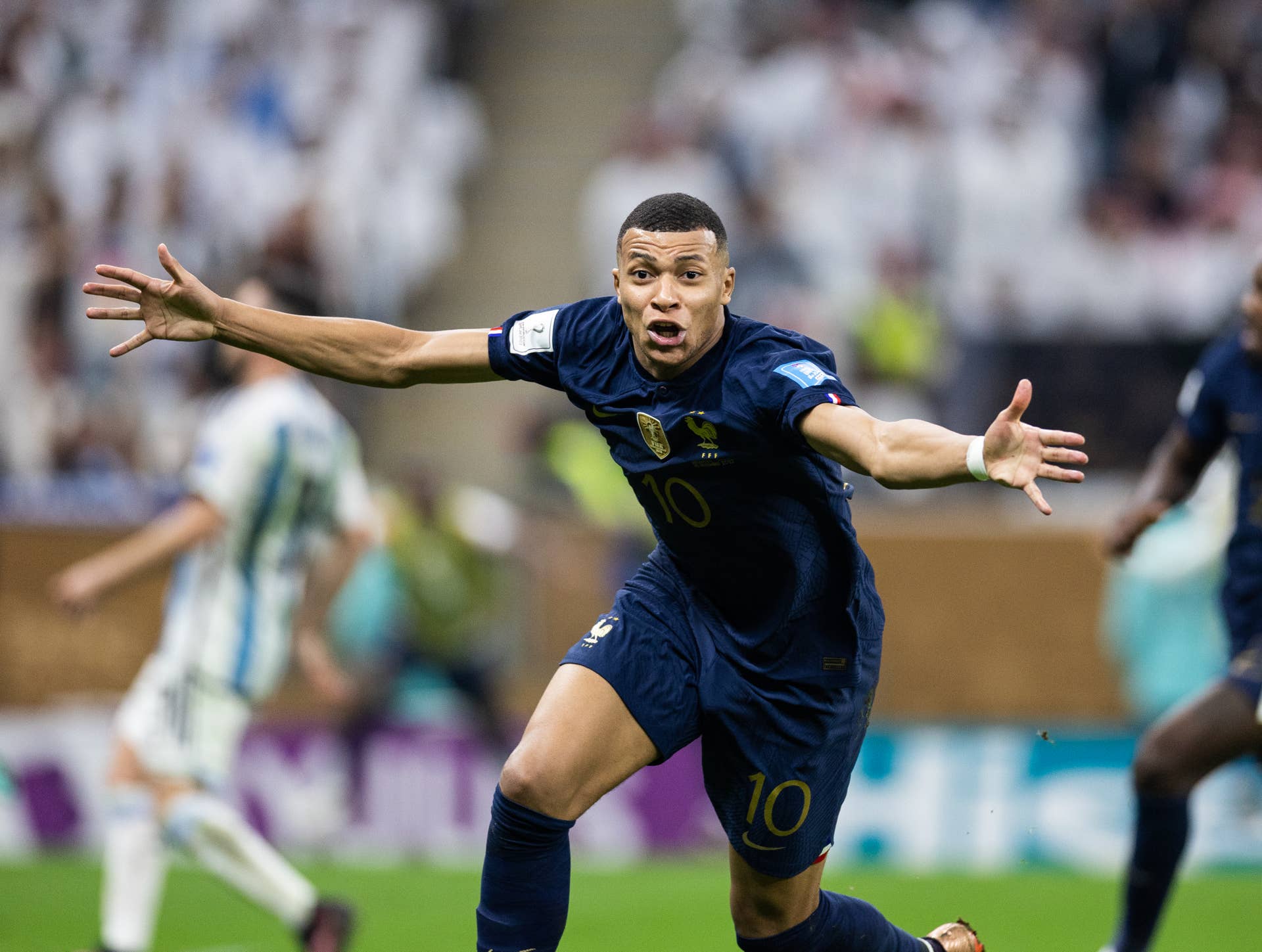
Photo by Simon Bruty/Anychance/Getty Images
The FIFA World Cup has always been marked by unforgettable moments, and many of them have been born precisely in overtime. When a match cannot be decided in the regulation 90 minutes, soccer enters a different stage. There is more tension, physical fatigue becomes a protagonist, and any detail can define history.
For the 2026 World Cup, the overtime rule will maintain the traditional format.
Two 15-minute extra periods will be played. There will be a short break between the two periods. Each team will have one additional substitution during extra time. If the tie persists, it will be decided on penalties.
This additional substitution is key in modern soccer because it allows for tactical adjustments and the management of physical fatigue in decisive moments.
Extra time often produces memorable matches because it forces teams to play under maximum pressure, with accumulated fatigue and every action capable of changing the course of the match.
The 2026 FIFA World Cup promises intense knockout matches and very tight scenarios. With more teams and an expanded format, it is very likely that several matches will need to go to extra time.
The Origin of Extra Time in World Cups
This rule is not new. In fact, extra time has been part of World Cup history for nearly a century. It was at the 1934 World Cup that FIFA officially introduced the option of extra time in knockout matches.
The first World Cup match that needed extra time was the duel between Austria and France. That match ended 3-2 in favor of the Austrians after the additional 30 minutes, inaugurating a tradition that would, over time, become one of the most exciting elements of the tournament.
That same 1934 World Cup also produced the first final decided in extra time. Italy was crowned champion after beating Czechoslovakia 2-1, thanks to a goal by Angelo Schiavio in the 95th minute, following a 90-minute tie.


