


One of the best changes to college football occurred during the bowl season of 1995 when the FBS instituted the overtime rule. Before that, ties annoyed the game.
In certain sports, ties are perfectly fine. Soccer justifies them. Personally, ice hockey was OK when ties were a thing, too, although since the NHL has gone to three-on-three, things have grown better there, too.
But in college football, all they do is darken. The people demanded clarity.
So after experimenting in the 1995 Las Vegas Bowl, overtime became the FBS standard. But, for those new(er) to the sport, it can be a bit confusing.
Let’s go over how it works.
Teams Tied After Regulation
Imagn Images
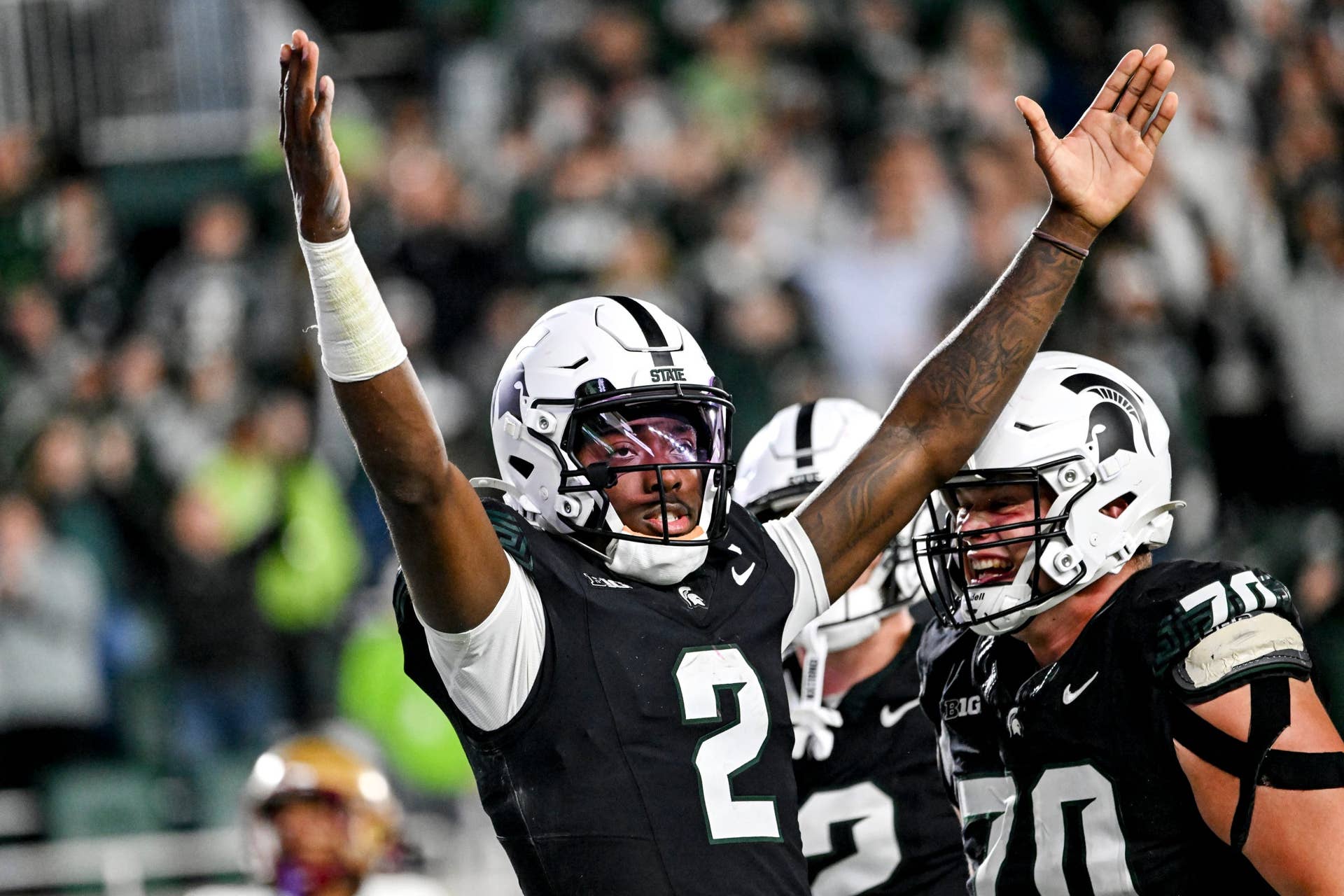
At the end of four quarters, if the teams are tied, overtime is on the slate. The visiting team calls a coin flip and the winner chooses offense or defense and the loser of the toss chooses its defending side.
Each team gets one offensive possession each starting from the opponent’s 25.
Teams that win the flip usually pick defense first. That allows them to determine just what they’ll need to do when they get the ball. If the team with the ball first scores a touchdown and the ensuing extra point, then the other team knows it has to match it. If not, they lose.
A field goal requires a field goal to extend to another overtime and so on. The first time to score more points in an overtime period, which consists of each team going on offense once, wins.
If Teams Are Tied After First Overtime
Rich Barnes-USA TODAY Sports
Whether each time failed to score or each team kicked field goals or whatever the case may be, if the teams remain tied after the first overtime, a team that scores a touchdown from the second overtime on are required to attempt a two-point conversion instead of simply kicking the point-after attempt.
Again, the first team to exit with more points than the other is proclaimed the winner.
If Teams Are Tied After Two Overtimes
Things get interesting after two extra frames. Instead of each team starting on the 25 and being forced to attempt two-point conversions after touchdowns, now each team attempts a lone two-point conversion play.
It continues for as many overtimes as needed until one team ends up with a two-point victory.
Longest Overtime Games in FBS History
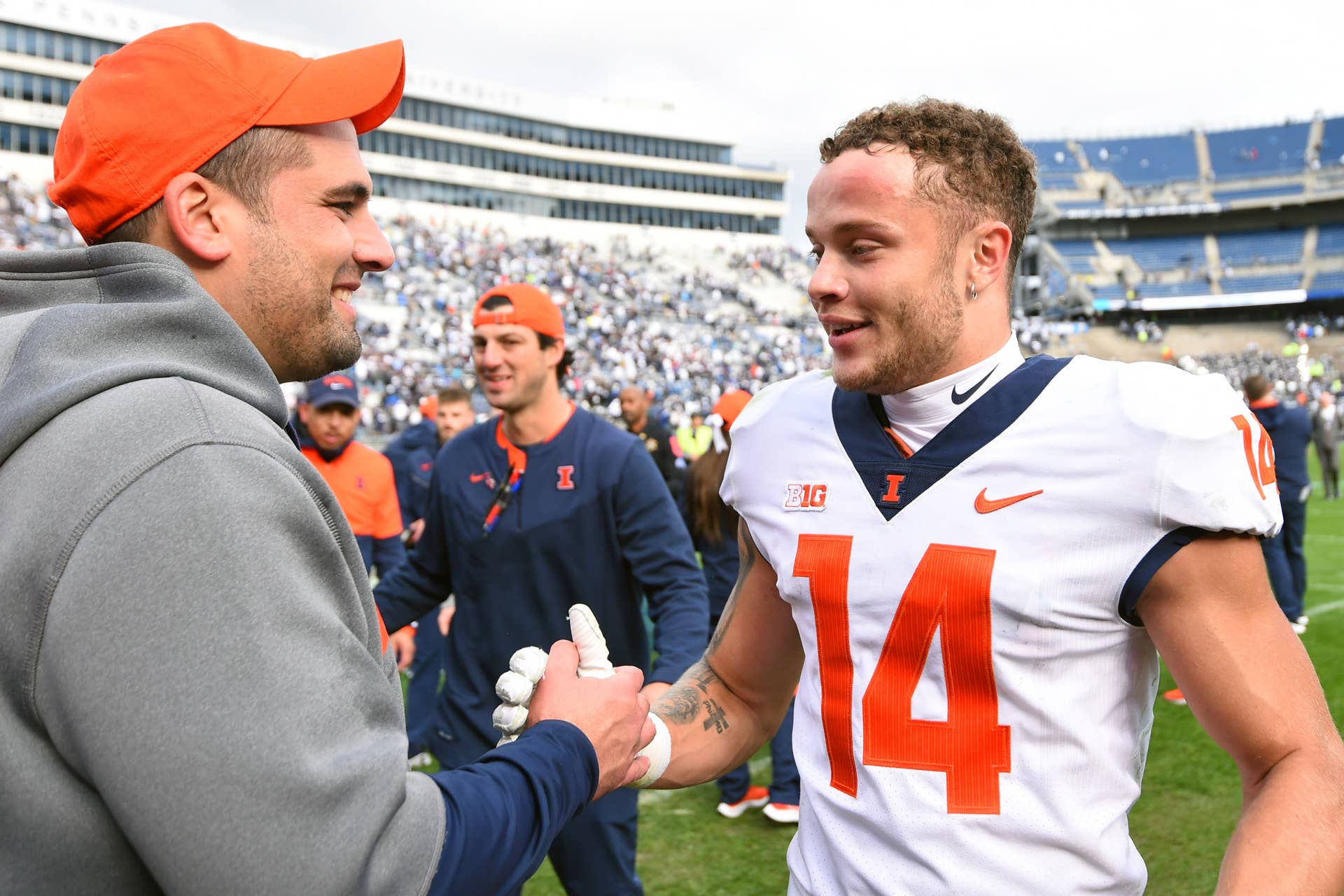
- 9 OT: Illinois (20) vs. Penn State (18) in 2021
- 8 OT: Georgia (44) vs. Georgia Tech (42) in 2024
- 7 OT: E. Kentucky (59) vs. Bowling Green (57) in 2022
- 7 OT: Texas A&M (74) vs. LSU (72) in 2018
- 7 OT: W. Michigan (71) vs. Buffalo (68) in 2017
- 7 OT: North Texas (25) vs. FIU (22) in 2006
- 7 OT: Arkansas (71) vs. Kentucky (63) in 2003
- 7 OT: Arkansas (58) vs. Ole Miss (56) in 2001


