


Golden State Warriors coach Steve Kerr is calling on the NBA to cut 10 games from the regular season schedule, arguing the physical demands of the modern game have made the 82-game slate unsustainable for players.
"We need to play fewer games," Kerr said. "We need to take 10 games off the schedule. The modern game with the pace and the space — I think it would be a more competitive and healthier league if we played fewer games."
Kerr has made the case before. He has repeatedly called for the league to move to roughly 72 games, contending that the pace-and-space era has fundamentally changed the physical demands of the schedule. Travel demands compound the issue, and Kerr has argued that fewer games would not only reduce injuries but raise the competitive level on a night-to-night basis by keeping stars on the floor more consistently.
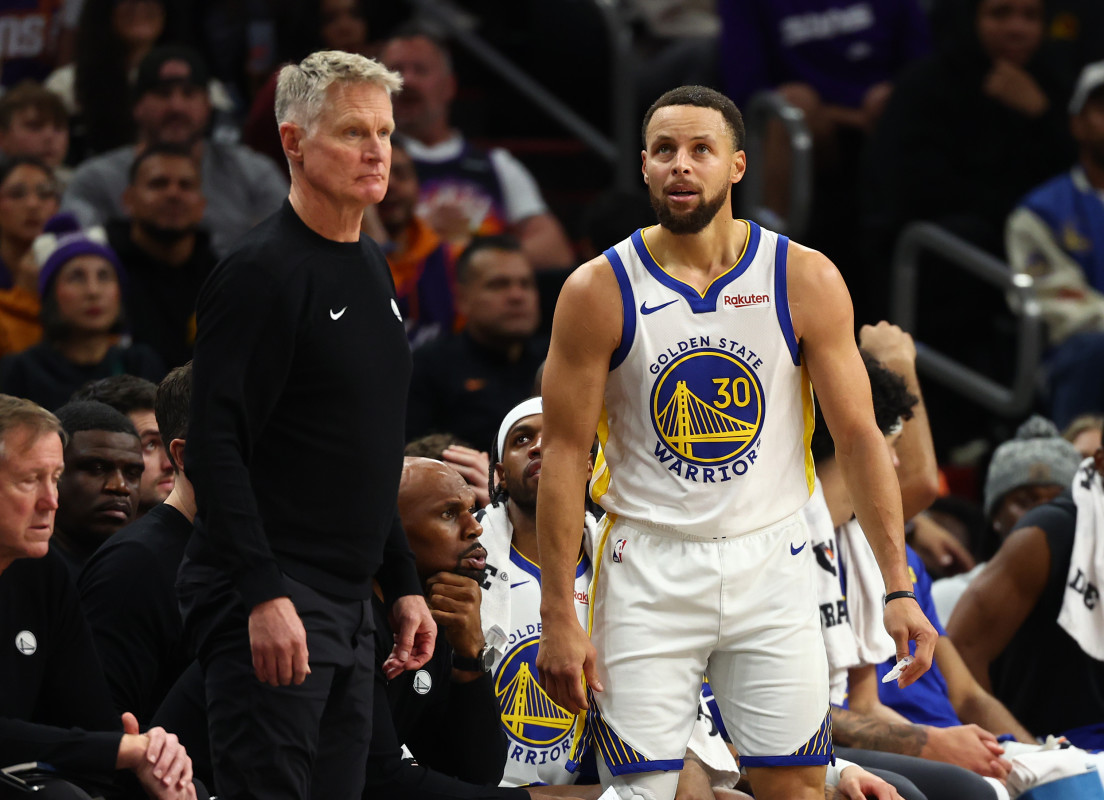
Mark J. Rebilas-Imagn Images
He has also taken the argument directly to Commissioner Adam Silver, emailing him before the season to say the league should play fewer games.
"Everyone knows that," Kerr said. "But it's a money issue."
Silver has pushed back. The commissioner has said publicly that there is no data demonstrating that a shorter schedule would meaningfully reduce injuries and that he does not see a clear benefit to trimming the 82-game slate. He has acknowledged revenue is a factor, noting the league benefits from as many games as possible — a position that aligns with owners' reluctance to surrender 10 home dates' worth of gate receipts, local television money, and arena revenue. Silver has instead floated adjustments, including the play-in tournament and the in-season tournament, and has explored shorter game lengths as an alternative way to manage player load.
The debate over game volume has resurfaced alongside the NBA's 65-game minimum for major award eligibility — MVP, All-NBA, Defensive Player of the Year — introduced to discourage teams from sitting healthy stars. The rule has generated pushback from coaches and commentators who say it does little to address rest nights or strategic absences at the root, targeting the behavior rather than the conditions that produce them.
San Antonio Spurs center Victor Wembanyama, Oklahoma City Thunder guard Shai Gilgeous-Alexander and Denver Nuggets center Nikola Jokic are all currently navigating games-played concerns with the threshold approaching — a dynamic that has kept the schedule debate at the center of the league's broader conversation this season.
Any resolution would require collective bargaining between the league and the National Basketball Players Association, meaning that, if it ever happens, a schedule reduction remains a negotiation rather than a unilateral decision.
Owners would need to accept lost revenue, players would need to weigh a shorter season against potential salary implications, and broadcast partners with existing rights deals would factor into any structural change.


