


The U.S. has issued a "warning" for all athletes have two beloved football players have died suddenly this offseason.
Two beloved football players have died suddenly this offseason. A 16-year-old high school football player in Texas and an 18-year-old football player in Iowa have died suddenly during offseason workouts.
Parker Sutherland, an 18-year-old tight end at Northern Iowa, died last week. Emergency vehicles reportedly responded to the Northern Iowa football facility. An official cause of death has yet to be released, though he's believed to have died during an offseason workout.
In Texas, 16-year-old high school football player Jiren Lawson collapsed and later died during an offseason workout.
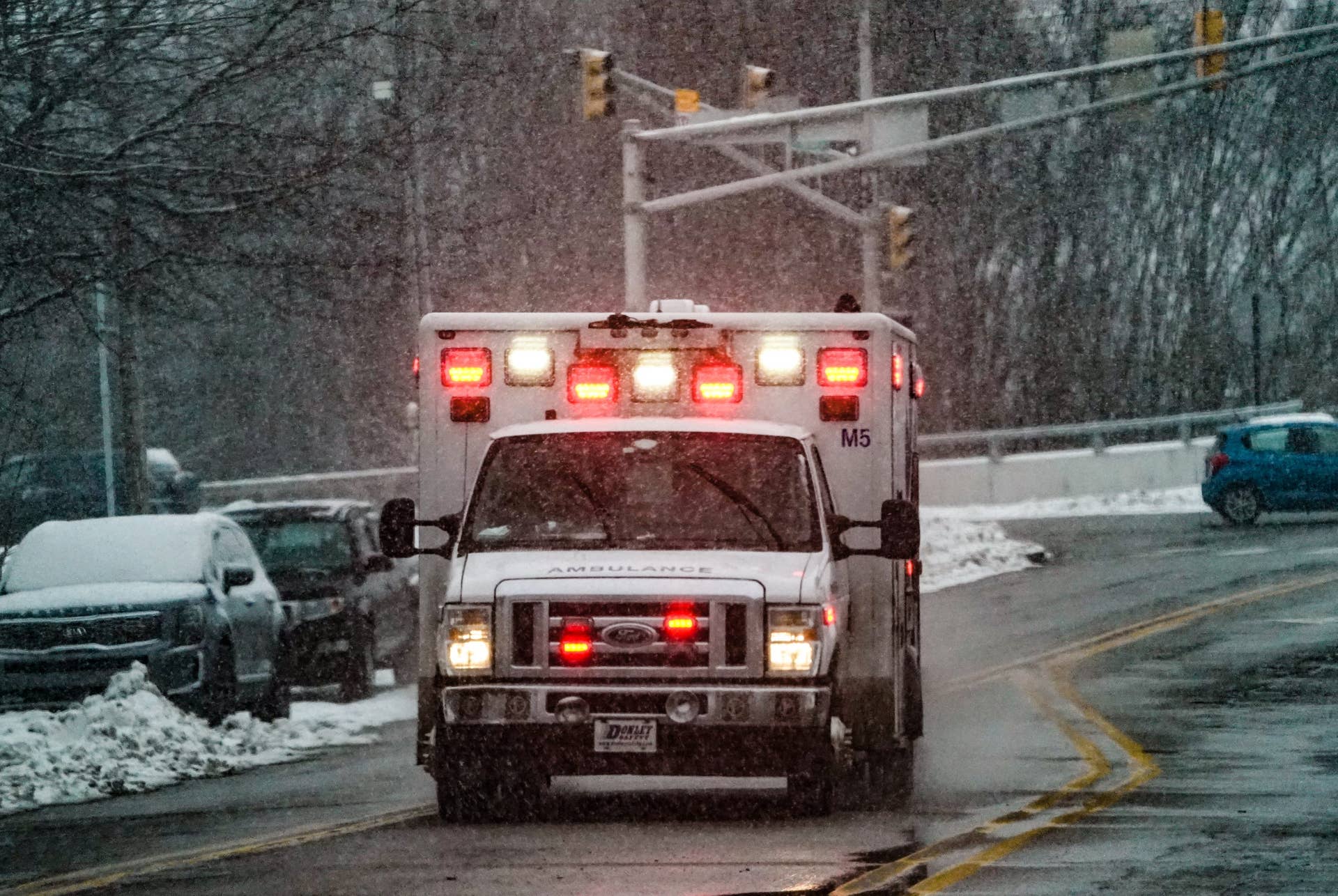
© Michelle Pemberton/IndyStar / USA TODAY NETWORK via Imagn Images
In the wake of the deadly accidents, the U.S. has issued safety "warnings" for everyone training this offseason:
-
Using proper form and gear
Whether you’re new to an activity or have been doing it for a long time, consider taking lessons. Using the correct technique is crucial to preventing overuse injuries. Also, make sure you wear proper shoes for the activity. Think about replacing your shoes for every 250 to 500 miles you walk or run — or at least twice a year if you exercise regularly. -
Pacing yourself
Compressing your physical activity for the week into just a couple of days can lead to an overuse injury. Instead, aim for at least 30 minutes of moderate physical activity daily. If you don’t have time for a full 30 minutes, you can break it down into smaller blocks throughout the day. Take time to warm up before physical activity and cool down afterward. -
Gradually increasing your activity level
If you’re changing the intensity or duration of a physical activity, do it gradually. For example, during strength training, increase the weight by no more than 10% a week until you reach your new goal.
Here's how to perform CPR, if needed:
- For healthcare providers and those trained: conventional CPR using chest compressions and mouth-to-mouth breathing at a ratio of 30:2 compressions-to-breaths. In adult victims of cardiac arrest, it is reasonable for rescuers to perform chest compressions at a rate of 100 to 120/min and to a depth of at least 2 inches (5 cm) for an average adult, while avoiding excessive chest compression depths (greater than 2.4 inches [6 cm]).
- For the general public or bystanders who witness an adult suddenly collapse: compression-only CPR, or Hands-Only CPR. Hands-Only CPR is CPR without mouth-to-mouth breaths. It is recommended for use by people who see a teen or adult suddenly collapse in an out-of-hospital setting (such as at home, at work, or in a park).
Stay safe and healthy, everyone.