


On the surface, a relief arm with a low ERA can be trusted to stay dominant through the end of the regular season. But this is fantasy baseball, and seasoned managers know a low ERA can hide some troubling metrics.
Surface stats alone can get relievers rostered in deep-league fantasy formats. But there are a few bullpen arms currently rocking ERAs well below what their strikeout rate, walk rate, and xERA have recently supported. And that, fantasy faithful, is a recipe for a sell-high candidate.
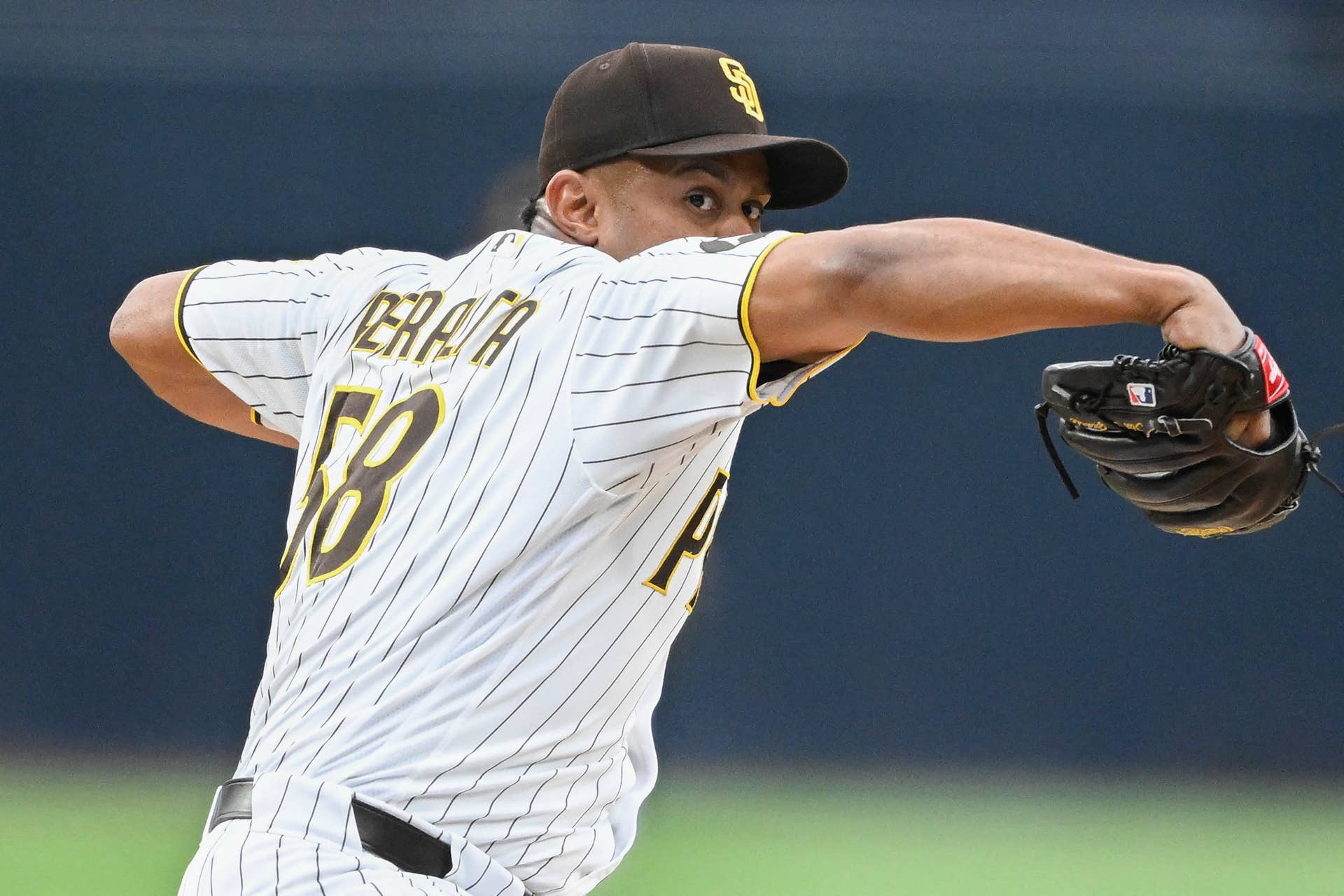
Wandy Peralta's ERA Is Not Telling the Real Story
Denis Poroy-Imagn Images
The Padres reliever is an extreme case of surface stats overshadowing red flags.
Yes, his ERA sits at a solid 2.23 on the season, and Statcast shows his 96.2-mph fastball velocity is the highest it has been since 2018. However, FanGraphs reveals his strikeout rate has sharply decreased month over month, dropping from 19.0% in March and April to 13.6% in June. Conversely, his walk rate spiked from 6.9% over the first two months of the season to 16.4% in May.
The velocity gain on his fastball doesn't appear to be fooling opposing batters, as his swinging-strike rate has dropped from 12.9% in 2025 to 9.9% in 2026. Umps and the new ABS system aren't buying it, either, as his called-strike rate has decreased from 14.5% last season to 12.6%.
What's worse, his ERA sits well below his xERA at 4.02. This is a tell-tale sign a pitcher is getting extremely lucky and is going to regress. Then again, allowing seven hits and four earned runs with six ground balls, nine fly balls, and just one strikeout over his first four innings pitched in July are also an indication his full-season ERA isn’t up to snuff.
Kevin Kelly and Austin Warren Round Out the Board
Pablo Robles-Imagn Images
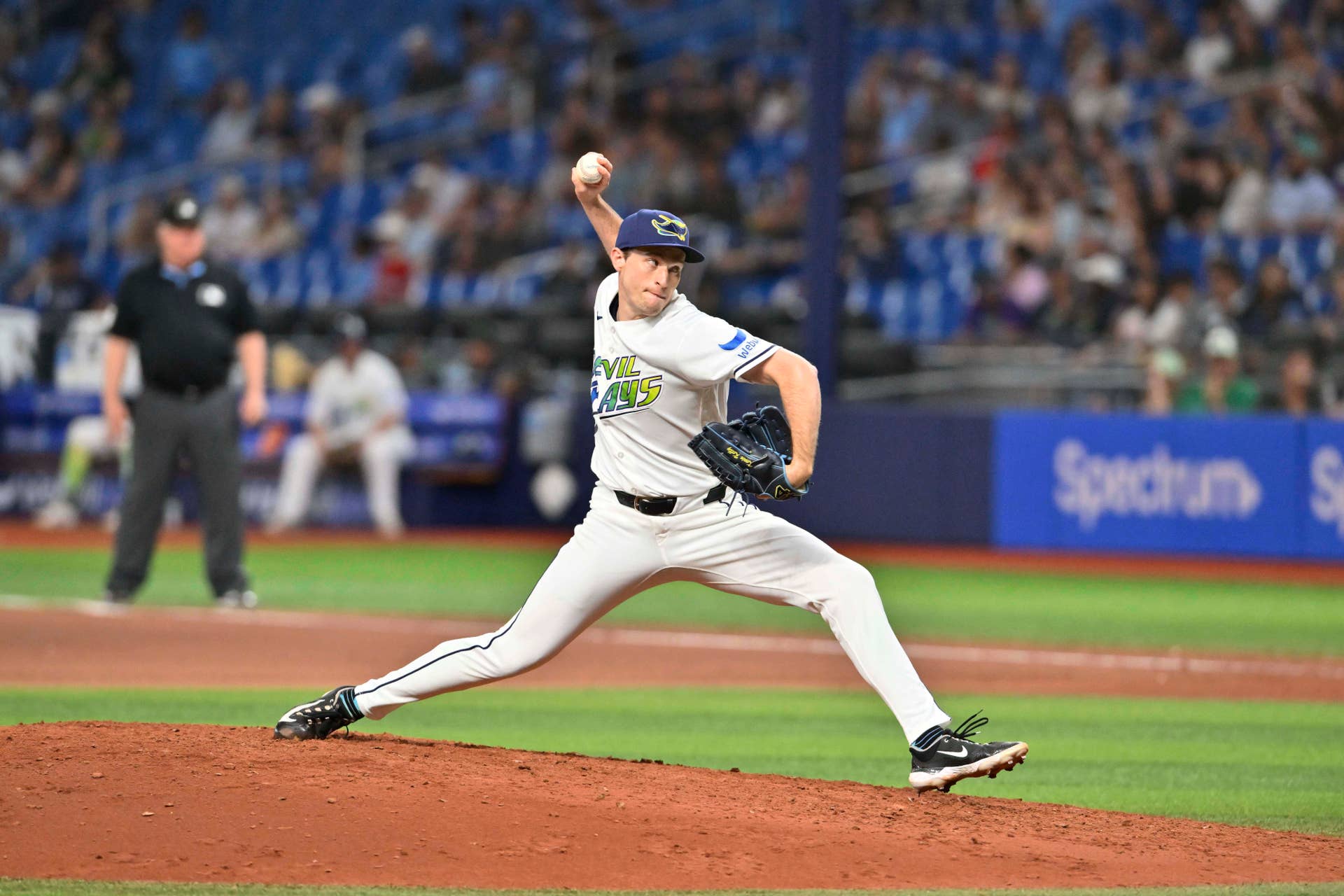
Rays reliever Kevin Kelly is in a similar boat, even though his numbers aren’t quite as staggering. His 2.44 ERA sits well below his 4.31 xERA. After a solid May, in which he posted a 16.0% strikeout rate, that number shot up to 23.9% the following month. His walk rate remains strong, but it also increased from 2.0% in May to 4.3% in June.
Mets relief arm Austin Warren is a slightly different case since he has bounced between the minors and majors a lot in his career. But he fits the same pattern as Kelly and Peralta, with his 4.63 ERA and 5.23 ERA. Warren was solid through 13.2 innings in June, but allowed nine earned runs on eight hits and one homer in his first two innings pitched in July.
Why This Matters More in Holds and Deep Leagues

Mandatory Credit: John Jones-Imagn Images
Relief pitcher ERA regression presents a specific risk in fantasy formats that count holds or roster deep bullpens. It's easier to swap out a slumping pitcher in a standard league with a high-floor bullpen arm from the waiver wire. The damage is magnified in holds and deep leagues, which makes the aforementioned ERA-xERA gaps a signal to sell high.
Looking for more sell-high help? Athlon’s ongoing 2026 Fantasy Baseball coverage offers up-to-date ideas for retooling your roster ahead of the trade deadline.
Questions About Sell-High Relievers, Answered
Why is Wandy Peralta a sell-high candidate?
Wandy Peralta is a sell-high candidate because his underlying metrics are moving in the wrong direction despite his strong ERA. His strikeout rate has declined, his walk rate has increased, his swinging-strike and called-strike rates have both dropped, and his xERA sits well above his actual ERA, suggesting his current results may not be sustainable.
Why does this matter more in holds leagues?
It matters more in holds leagues because managers typically roster more relievers, making it harder to replace an underperforming bullpen arm from the waiver wire. When a reliever's ERA is outperforming the underlying metrics, holding too long can lead to more significant damage in deeper formats than in standard leagues.
What's the confirmed pattern across this board?
The common theme is that each reliever has an ERA that looks stronger than the underlying performance indicators suggest. Gaps between ERA and xERA, along with declining strikeout ability, rising walk rates, or other warning signs, indicate these pitchers could be candidates for regression.


