


I’ve been around golf for three decades now, and I’ve spent almost 20 of those years as a PGA Coach working specifically with competitive teen golfers. In that time, I’ve watched naturally talented juniors plateau at the same handicap for years while less gifted players dropped ten strokes in a season. I’ve seen kids with picture-perfect swings struggle to break through and awkward beginners transform into scholarship-caliber players.
Want to know the difference between the ones who improve and the ones who stay stuck?
It’s not talent. It’s not practice time. It’s not even having the right equipment.
It’s being coachable.
What Being Coachable Actually Means
Being coachable doesn’t mean you’re a pushover who accepts every piece of advice thrown your way. It doesn’t mean abandoning your instincts or becoming a robot who can’t think for themselves on the course.
Being coachable means you’re willing to be uncomfortable. It means you can hear feedback without getting defensive. It means you trust the process even when the results don’t show up immediately.
I coach competitive teen golfers, and I see this play out constantly. A few years back, I had a 16-year-old come to me who was already shooting in the low 70s. Talented kid with a beautiful, natural swing. But every time I’d suggest an adjustment to his short game or course management, he’d have a reason why it wouldn’t work for him. He’d tried something similar before. His swing coach said something different. It didn’t feel right.
We spun our wheels for months.
Around the same time, I started working with a 15-year-old girl whose swing looked like she was trying to kill a snake. Honestly, it wasn’t pretty. But when I showed her a new grip or a different way to approach her transition, she’d go to the range and hit a hundred balls working on it. She’d send me videos asking if she was getting closer. She’d struggle through tournaments where nothing felt comfortable, but she trusted we were building something better.
Two years later, that girl earned a Division I scholarship. The talented kid? He’s still shooting low 70s, still convinced he knows better, still wondering why he’s not improving.
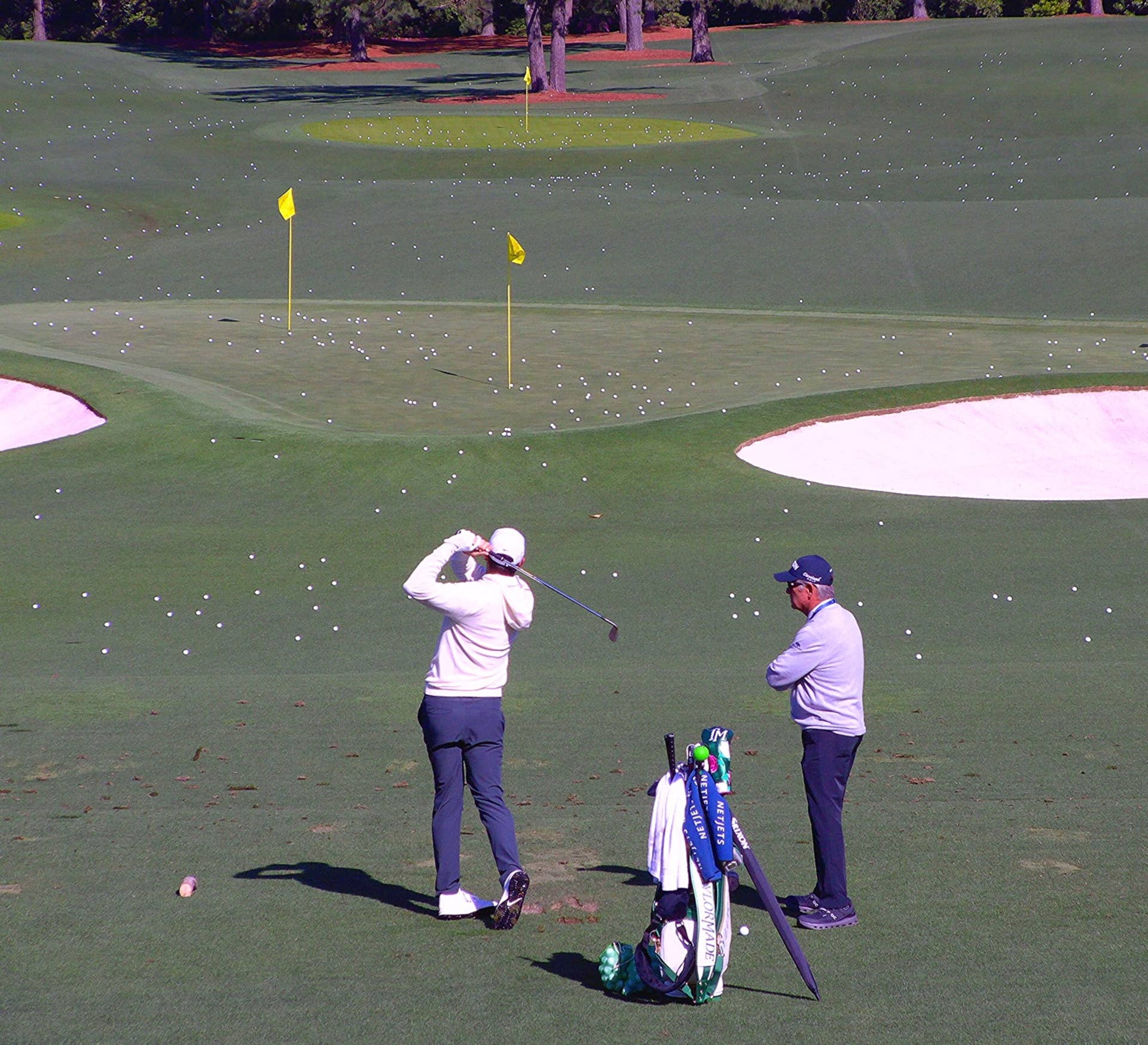
Scottie Scheffler & Randy Smith
Scottie Scheffler has been working with the same coach, Randy Smith, at Royal Oaks Country Club in Dallas, since he was 7 or 8 years old. Now the world's #1 golfer, Scheffler still shows up to lessons, still asks questions, still trusts the process.
This isn't a sign of weakness. It's the hallmark of a champion.
The best golfer in the world understands what many amateurs never will: coachability isn't something you outgrow. It's something you lean into. Scheffler's 20+ year partnership with Randy Smith proves that the path to greatness isn't about knowing it all, it's about remaining endlessly curious and willing to improve.
Champions stay coachable. Always.
The Vulnerability Factor
Here’s what nobody tells you about getting better at golf: it requires vulnerability. You have to be willing to look foolish. You have to be okay with hitting it worse before you hit it better.
When I ask someone to change their grip or alter their takeaway, I’m asking them to temporarily abandon the one thing that’s given them any success. That’s scary. I get it. After 30 years in this game, I still feel that flutter of anxiety when I work on something new in my own swing.
But the players who improve are the ones who can sit in that discomfort. They understand that growth lives on the other side of awkward.
It’s Not Just About Golf
The longer I coach, the more I realize I’m not really teaching golf. I’m teaching people how to learn. How to accept feedback. How to manage their ego. How to trust a process when their brain is screaming at them to go back to what’s familiar.
These lessons show up everywhere. In your career when you get constructive criticism from a boss. In your relationships when your partner points out a blind spot. In parenting when you realize your approach isn’t working and you need to try something different.
The golfer who can’t accept coaching is usually the employee who bristles at feedback, the spouse who can’t admit fault, the parent who refuses to adapt.
Being coachable in golf teaches you how to be coachable in life.
The Questions That Matter
When I meet a new student, I’m not evaluating their swing first. I’m evaluating their mindset. I’m listening for certain things:
Do they ask questions or make statements? Do they say “I can’t feel that” or “help me understand what I should be feeling”? When they hit a bad shot with the new move, do they immediately revert to their old pattern or do they ask what went wrong?
The answers to these questions tell me more about their potential than any launch monitor data ever could.
What I’ve Learned
After nearly two decades of coaching and 30 years in this game, here’s what I know for sure: talent is overrated and coachability is underrated.
The most talented player with a closed mind will always lose to the average player with an open one. Always.
Golf will humble you. It will expose your weaknesses and test your patience. But if you can stay coachable through that process, if you can remain open and curious and willing to be uncomfortable, you won’t just become a better golfer.
You’ll become a better version of yourself.
And that’s worth more than any trophy.