


Russia could return to full participation for the 2028 Summer Olympics in Los Angeles.
The International Olympic Committee provisionally lifted its suspension of the Russian Olympic Committee on Tuesday. Russian athletes competed under neutral status in 2024 and 2026, with the ROC suspended following the nation's invasion of Ukraine.
The IOC has yet to determine whether Russia will be allowed to display its flag and colors or have its national anthem played at the 2028 Games.
"We don't condone any wars, including this one. We will continue to support Ukraine like we have since this started. But I don't believe athletes should pay the price," IOC President Kirsty Coventry said in a press conference, per Reuters. "We don't want to hold athletes accountable for the actions of their government."
The move represents another step toward welcoming Russia back to international sports. The IOC argued two months ago that athletes from Belarus, a Russian ally in the 2022 invasion of Ukraine, should be allowed to compete under their national identity.
"We made it clear that all athletes had the possibility to compete at the Olympic Games. This is what this decision speaks to," Coventry said. "It allows Russian athletes to take part in sports competitions. We thought it was really important for athletes to have that possibility," Coventry said."
The IOC added that Russian athletes must meet all anti-doping requirements to return to international competition. Russian has been at the forefront of significant doping scandals, leading the IOC to "address the lack of confidence in the global sporting community."
Ukrainian Olympian rips "absolutely shameful" decision
© Athit Perawongmetha-Reuters via Imagn Images.
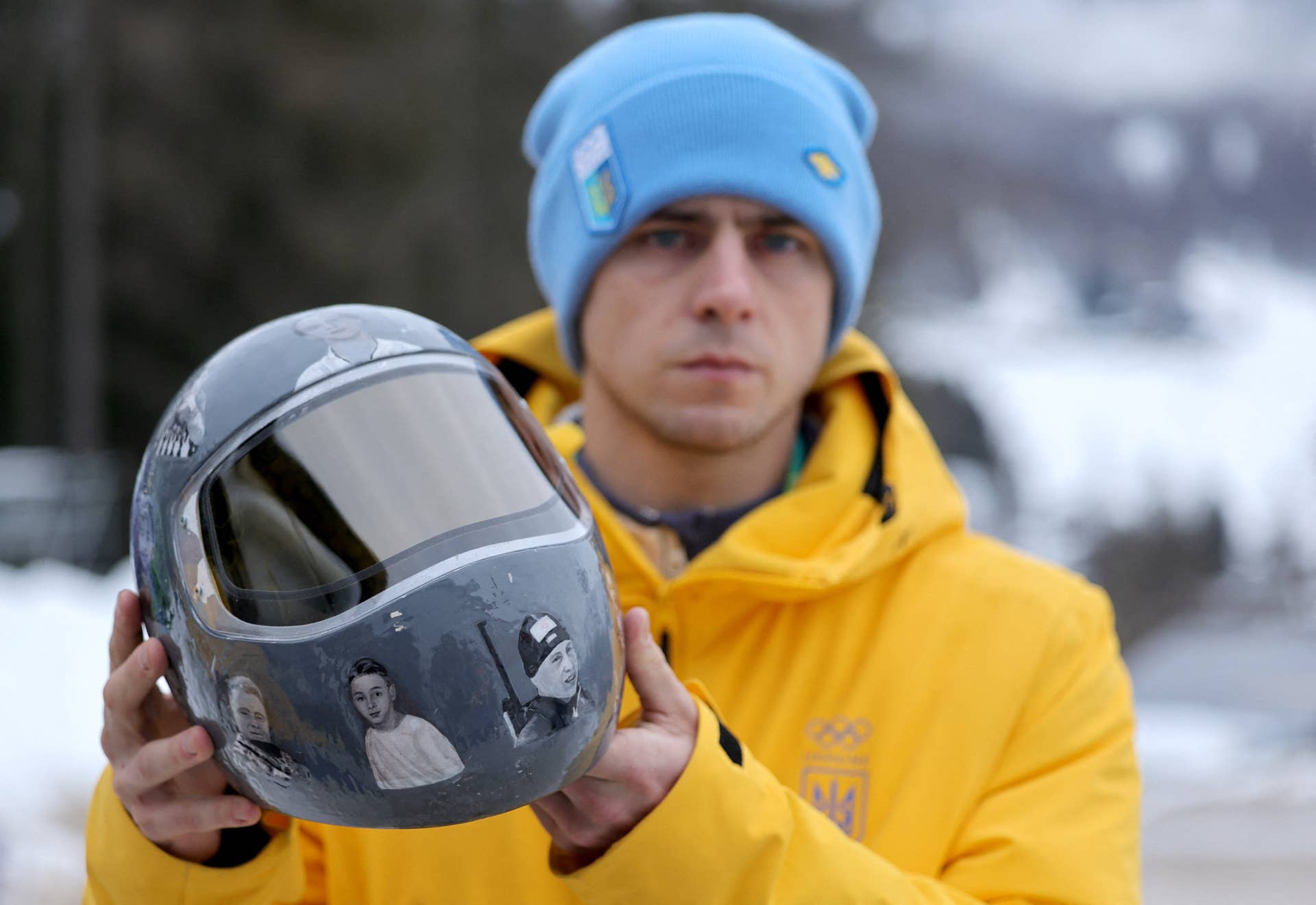
The IOC's ruling drew criticism from Vladyslav Heraskevych, a Ukrainian skeleton racer disqualified from the 2026 Winter Olympics for wearing a helmet honoring people killed in his nation's war with Russia. Heraskevych ripped the "absolutely shameful" decision.
"I believe that we should make a strong stand with other national Olympic committees, with other nations against this decision," Heraskevych said.
Heraskevych left the door open for a potential boycott if they have "a strong coalition."
"I hope we could organise some event and some meeting with the National Olympic Committee from other nations, without involvement of the IOC," he said.


