


Somewhere in every fantasy league right now, a bench full of names are getting dropped for the wrong reason. Their batting average says cut them. Their contact quality says wait. wOBA tells you what actually happened at the plate. xwOBA tells you what should have happened based on exit velocity and launch angle, stripped of the bloop hits and diving catches that turn hard contact into an out on the scoreboard. When xwOBA sits well above wOBA, the batting line is lying to you, and it is usually lying in your favor if you move first.
This is not another lap through this month's MVP names. Every hitter on this board is a role player or a recent afterthought, the kind of guy whose Statcast page nobody checks until it is too late. Four names, four real gaps, and one of them comes with a plot twist worth sticking around for.
Casey Schmitt Is Unlucky, Not Under-Owned
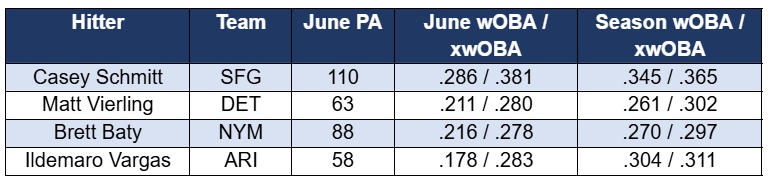
Start here because Schmitt is the trap disguised as an obvious add. He is running a .381 xwOBA over his last 110 plate appearances against a .286 wOBA, the second-widest contact-versus-results gap of any hitter in baseball over that stretch. If your instinct is calling this an under-the-radar sleeper, recalibrate. Schmitt is already hitting in the middle of San Francisco's order with multi-position eligibility and a real power stroke, and the hard-hit data says he has been getting robbed, not slumping. This is not a name you are stealing off the wire for nothing. It is a name you are getting at a discount before the price finishes catching up. Buy the discount, not the myth that nobody has noticed him yet.
Matt Vierling's Contact Quality Says More Is Coming
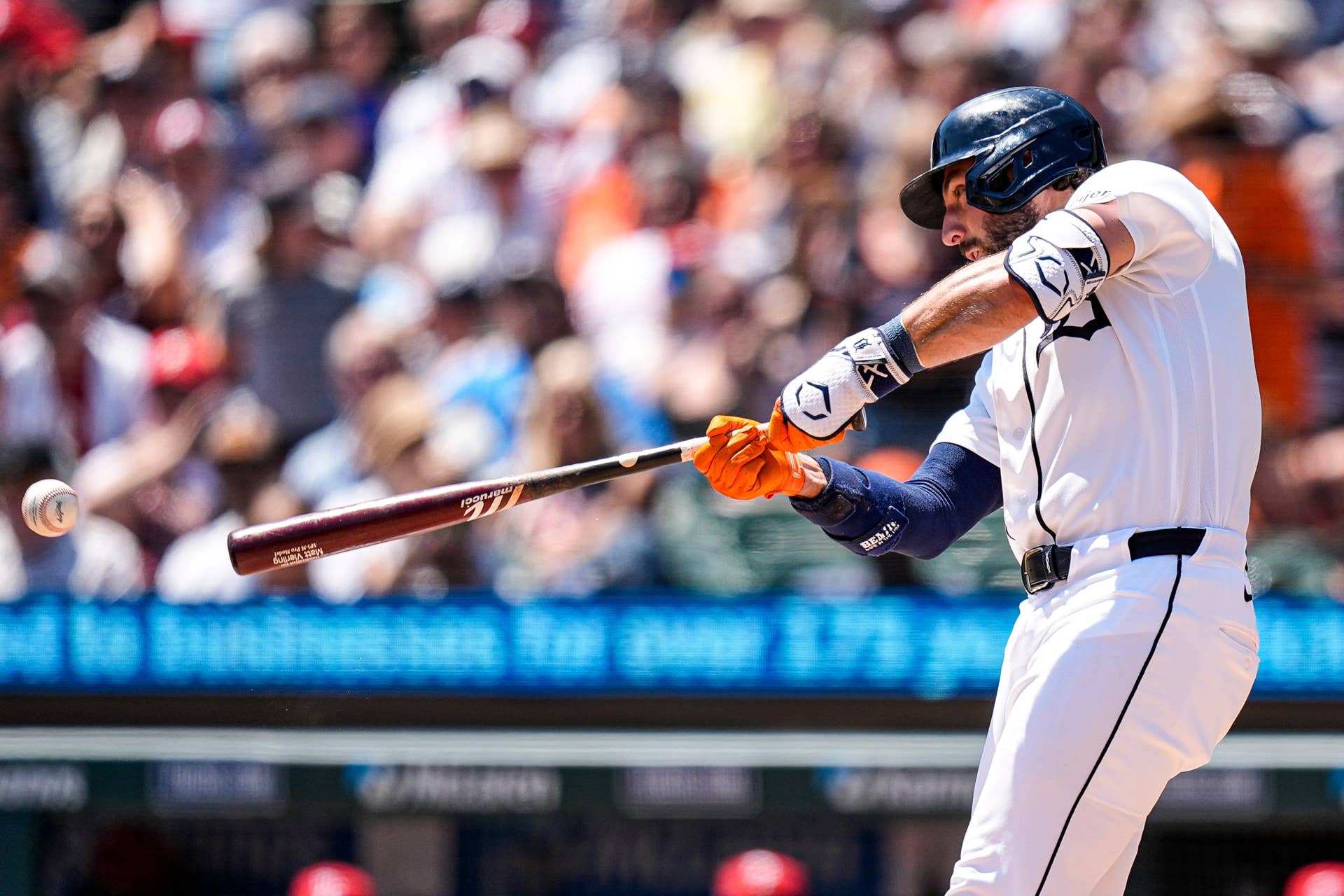
Vierling is quietly sitting on the widest gap of the three role players on this board, a .280 xwOBA against a .211 wOBA in June, and it is not a one-month blip. His full-season split runs a .261 wOBA against a .302 xwOBA, a 41-point gap that has been sitting there since spring. That is not a few weeks of bad luck. That is a hitter who has been squaring up baseballs all year and getting nothing to show for it. Detroit keeps running him out there every day, so playing time is not the risk here, batted-ball luck is, and batted-ball luck runs out eventually. Add him in anything deeper than a shallow mixed league and let the correction happen on your roster instead of someone else's.
Brett Baty, the Case That Builds Before the Power Shows
© John Jones-Imagn Images
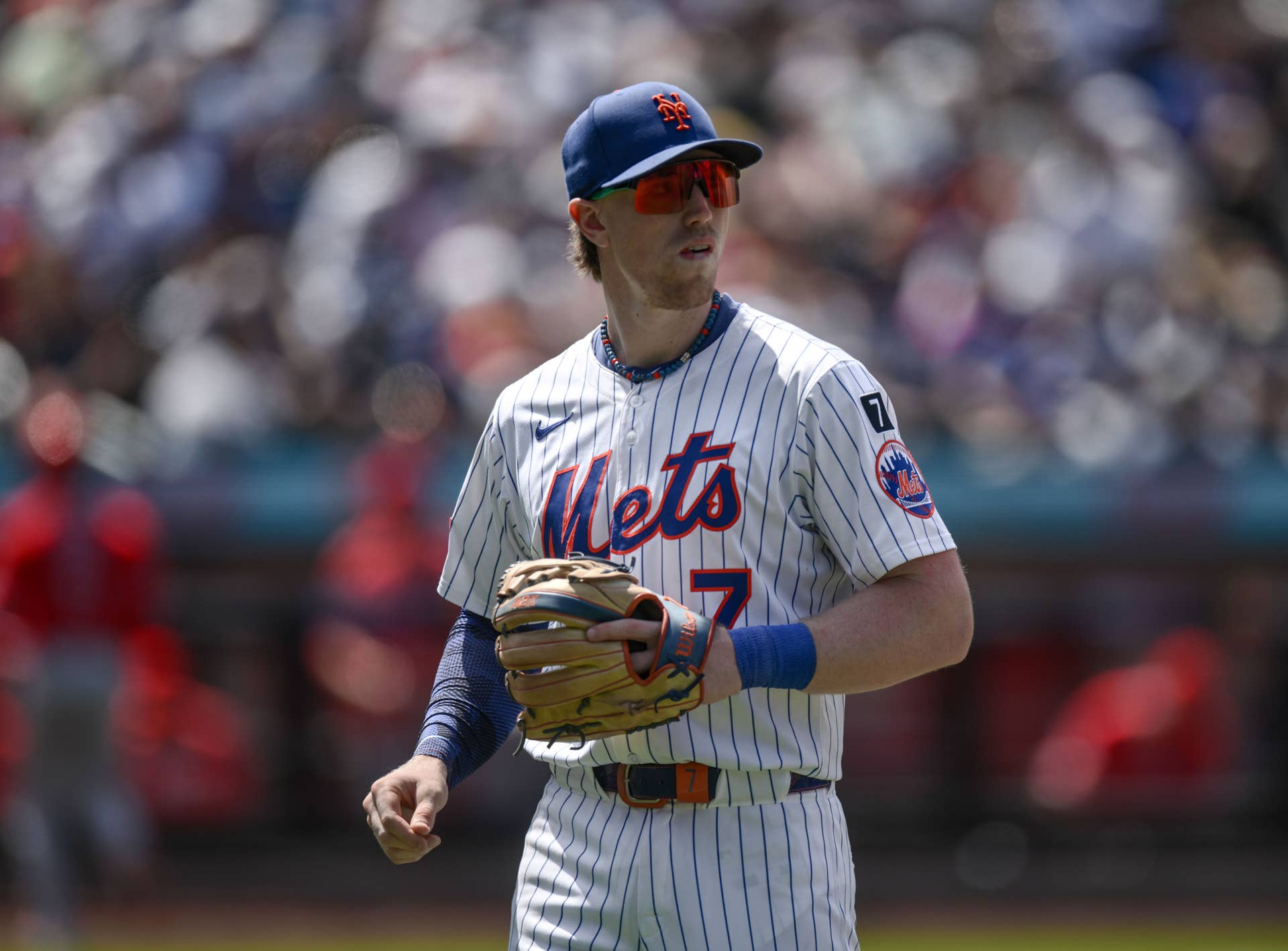
Baty is the slow burn of the group. His June split, a .216 wOBA against a .278 xwOBA, is real, and his season-long number tells the same story at a smaller scale, a 27-point gap that has followed him since Opening Day. The swing-and-miss is still a real cost, this is not a finished product, but the exit velocity says the barrels are there even when the box score insists otherwise. Treat him as an infield stash in points and category leagues where power upside still matters more than a batting average that has not caught up yet.
Ildemaro Vargas: The Same Signal, Six Weeks Later
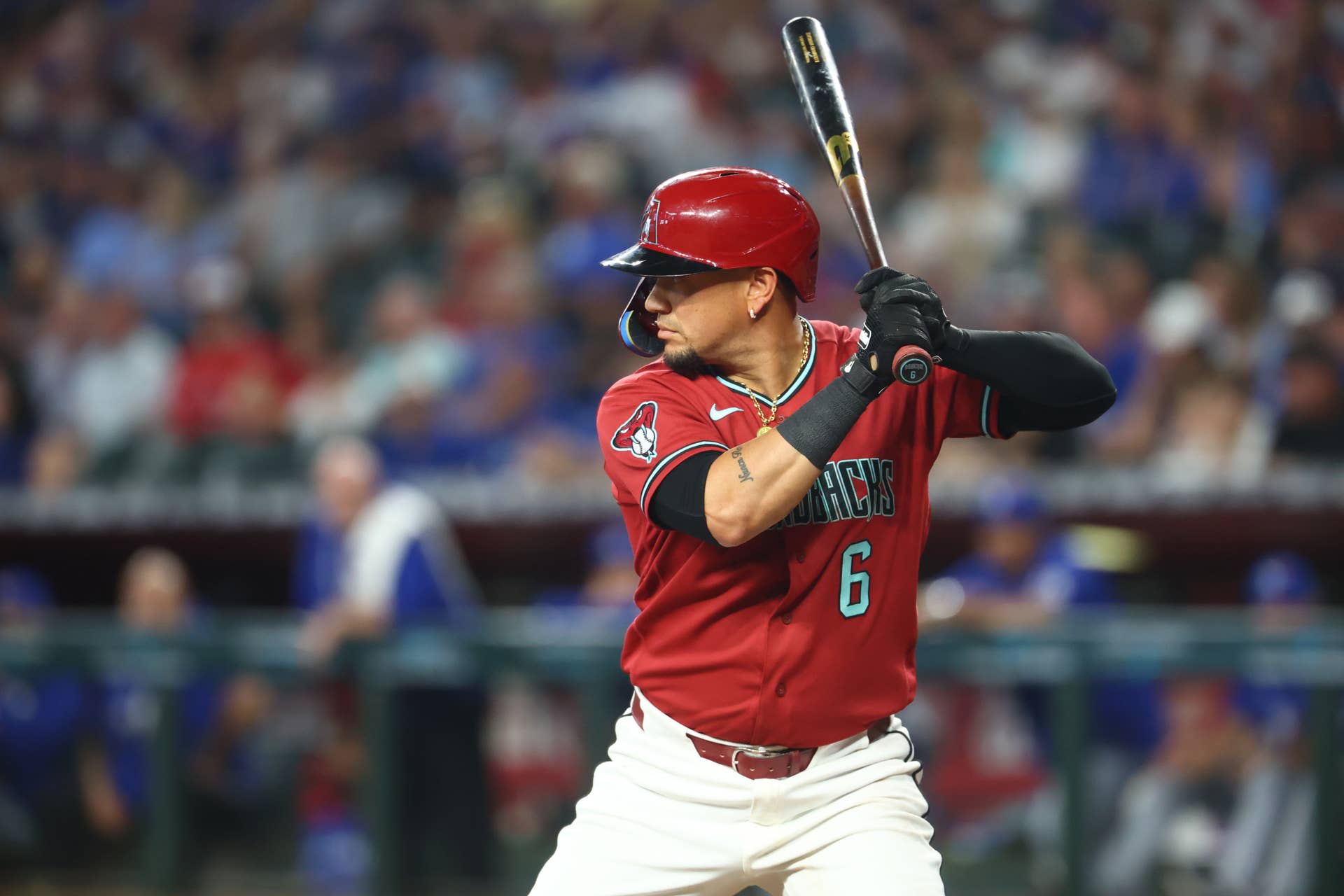
Here is where this gets fun. Back on May 29, this column told you to sell Vargas, arguing his production was running hotter than his underlying skills could support. That call was right. His wOBA came all the way back down, and then it kept falling, straight through a June that saw him post a .178 wOBA against a .283 xwOBA, the single widest gap of any qualified hitter in the league last month. The sell call worked. It just overshot the landing.
That is the whole value of tracking this stat in both directions. wOBA outrunning skill got Vargas sold in May. wOBA falling well below that same skill level six weeks later gets him bought back in July. His season-long numbers, a .304 wOBA against a .311 xwOBA, are almost dead even, which tells you his true level was never actually that far off to begin with. June was the outlier, not May, and not his real talent level. If you sold in May like this column told you to, congratulations, and now it is time to buy the same player back at a lower price than you sold him at. Baseball is funny like that.
The Verdict
None of these four are stars, and none of them will get you a headline in your league's group chat. That is the entire point. The gap between wOBA and xwOBA is where fantasy value hides in plain sight, and it hides best in players nobody is watching closely enough to catch the correction coming. Schmitt is a discount, not a secret. Vierling and Baty are quiet, real, season-long cases. Vargas is proof that this signal works even when it tells you two different things about the same player six weeks apart. Buy accordingly.
Questions About Buy-Low Players, Answered
What does it mean when xwOBA is higher than wOBA?
It means a hitter's contact quality has been better than the actual results. When xwOBA sits above wOBA, the underlying quality of contact suggests better outcomes than the box score reflects, making the player a potential positive-regression candidate if the hard contact continues.
Is Casey Schmitt a buy-low or already priced in?
Casey Schmitt is more of a discount than a hidden sleeper. He already has an everyday role, hits in the middle of San Francisco's order, offers multi-position eligibility, and has shown real power. His contact-quality gap suggests there is still value before his market price fully catches up.
Why was Ildemaro Vargas a sell in May and a buy in July?
His May production was outperforming his underlying skills, making him a sell at that point. After his results dropped sharply in June, the pendulum swung the other way, leaving his production below his underlying contact quality. His season-long numbers suggest his overall talent level remained relatively stable despite those swings.
How much playing time do Vierling and Baty need for this gap to matter?
Both have accumulated enough plate appearances for the gap to represent more than a brief hot or cold streak. Their underlying contact quality has remained stronger than their actual production over an extended period, making batted-ball luck a more important factor than inconsistent playing time.


