


Every March, something shifts when the PGA Tour arrives at Bay Hill Club & Lodge in Orlando. The rough gets deeper. The greens get faster. And the entire week carries a weight that feels different from any other stop on the schedule.
This isn’t just another tournament. It’s a place where history lives in every fairway, where one man’s vision transformed a Florida golf course into something that feels more like a pilgrimage site than a venue. The Arnold Palmer Invitational stands as one of professional golf’s most distinctive events, not because of gimmicks or manufactured drama, but because it grew organically from a genuine story: a tournament, a course, and a legend who brought them together.
The Rio Pinar Years: Where It All Started
Arnold Palmer Invitational
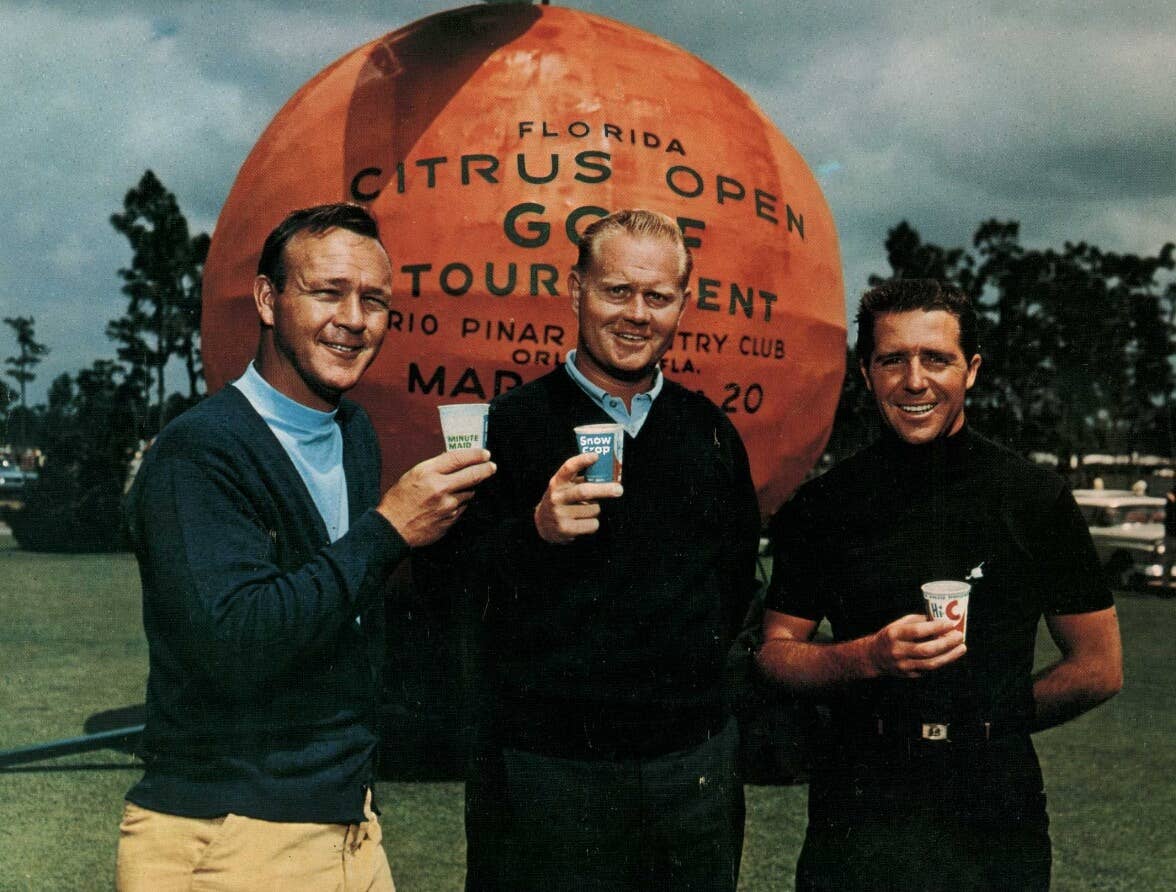
The tournament that would eventually become the Arnold Palmer Invitational didn’t begin at Bay Hill. Its roots stretch back to 1966, when the Florida Citrus Open Invitational launched at Rio Pinar Country Club in Orlando.
For more than a decade, Rio Pinar served as the tournament’s home, establishing itself as an early-season proving ground where Tour pros could sharpen their games in Florida’s spring conditions. The event developed its own identity during those years, producing memorable champions and building a competitive foundation that would prove crucial when the tournament eventually moved.
Here’s a detail that matters: Arnold Palmer won the Florida Citrus Open in 1971, years before he would become the tournament’s host and namesake. He wasn’t just attached to this event as a marketing figure. He was woven into its competitive fabric from the beginning, a player who understood what the tournament meant because he had fought for the trophy himself.
Palmer’s Bay Hill Vision Takes Shape
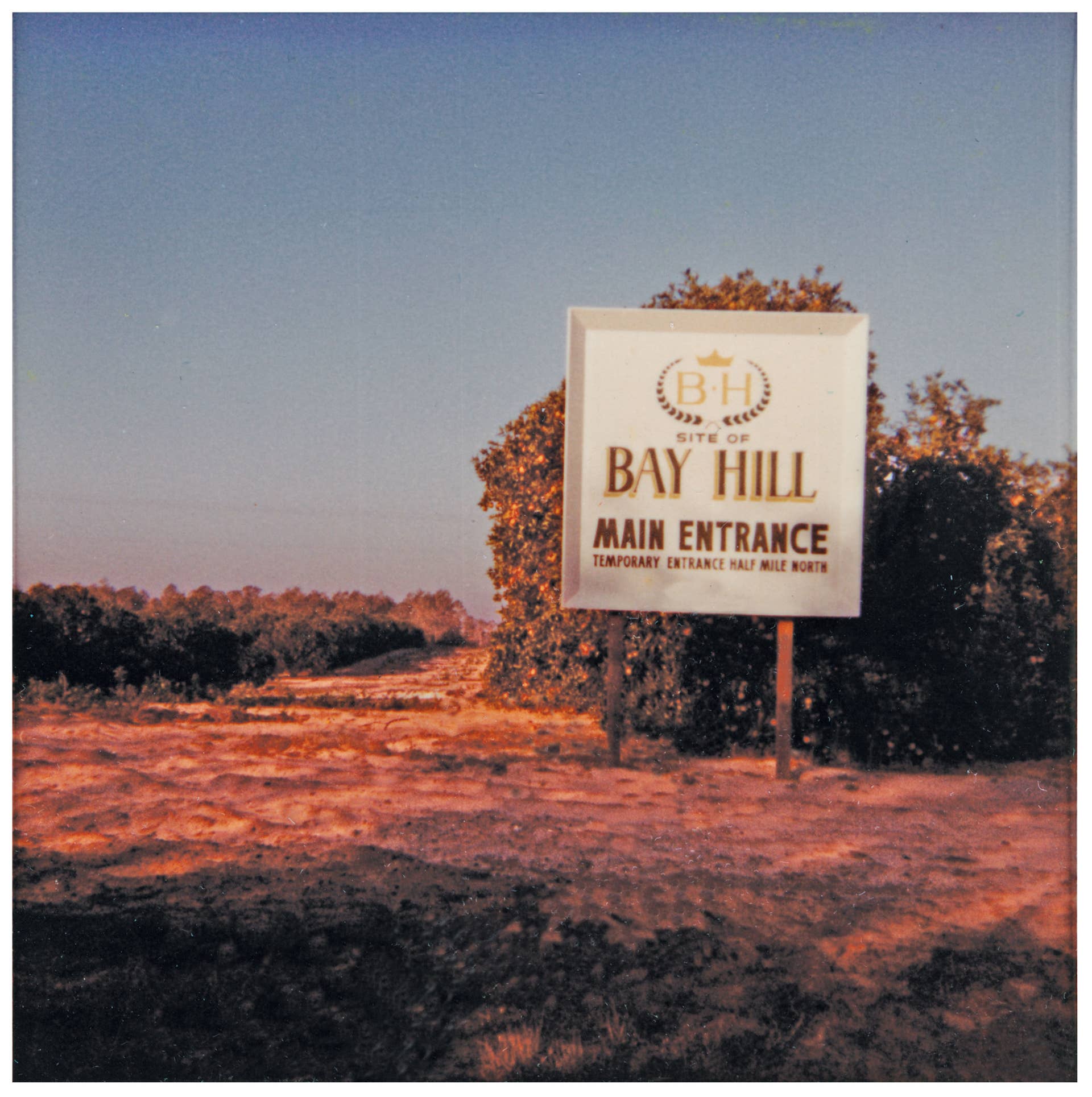
The story of how Bay Hill became Bay Hill is really the story of how Arnold Palmer saw potential where others saw a golf course.
Palmer purchased the Bay Hill Club & Lodge in 1975. But this wasn’t a celebrity real estate play or a vanity project. Palmer had been connected to the property for years before that, including through leasing arrangements, and he had a long-term vision: Bay Hill as a championship golf destination, a place where hospitality and competition could coexist at the highest level.
The plan to bring a PGA Tour event to Bay Hill took shape in the late 1970s. And in 1979, everything changed. The tournament moved from Rio Pinar to Bay Hill, beginning an era that still defines the event today.
That year is the hinge point. It’s when the tournament gained not just a new venue, but a new identity shaped by Palmer’s standards, his taste, and his presence. Bay Hill wasn’t just hosting a tournament. It was becoming a reflection of the man who owned it.
What Makes Bay Hill Different
Golf courses that host annual Tour events develop reputations. Some are known for being scoreable. Others for specific holes or dramatic finishes. Bay Hill’s reputation is simpler and more demanding: it asks for everything.
Bay Hill doesn’t reward one elite skill. It requires a complete game. Long approaches into firm greens. Tee shots that must shape around water. Strategic decisions where even the conservative play demands commitment. And when the wind picks up, which it often does, Bay Hill can feel like a major championship disguised as a regular season stop.
That identity fits Palmer perfectly. He was famous for charisma and aggressive play, yes, but also for competitive integrity. Bay Hill became an extension of that philosophy: tough but fair, demanding but honest.
For years, fans and players simply called it “Bay Hill” because the course itself was such a defining character in the week. The tournament cycled through various sponsor names like most Tour stops do, but the constant was Palmer: greeting players, hosting dinners, engaging with fans, turning the week into something closer to a tradition than a transaction.
The “invitational” framing also mattered. Invitational events on Tour tend to be more selective, more prestigious, more closely tied to a host’s personal legacy. At Bay Hill, that concept felt natural because Palmer wasn’t just lending his name. He was curating an experience.
The Tiger Standard
Orlando Sentinel/mct/ZUMAPRESS.com
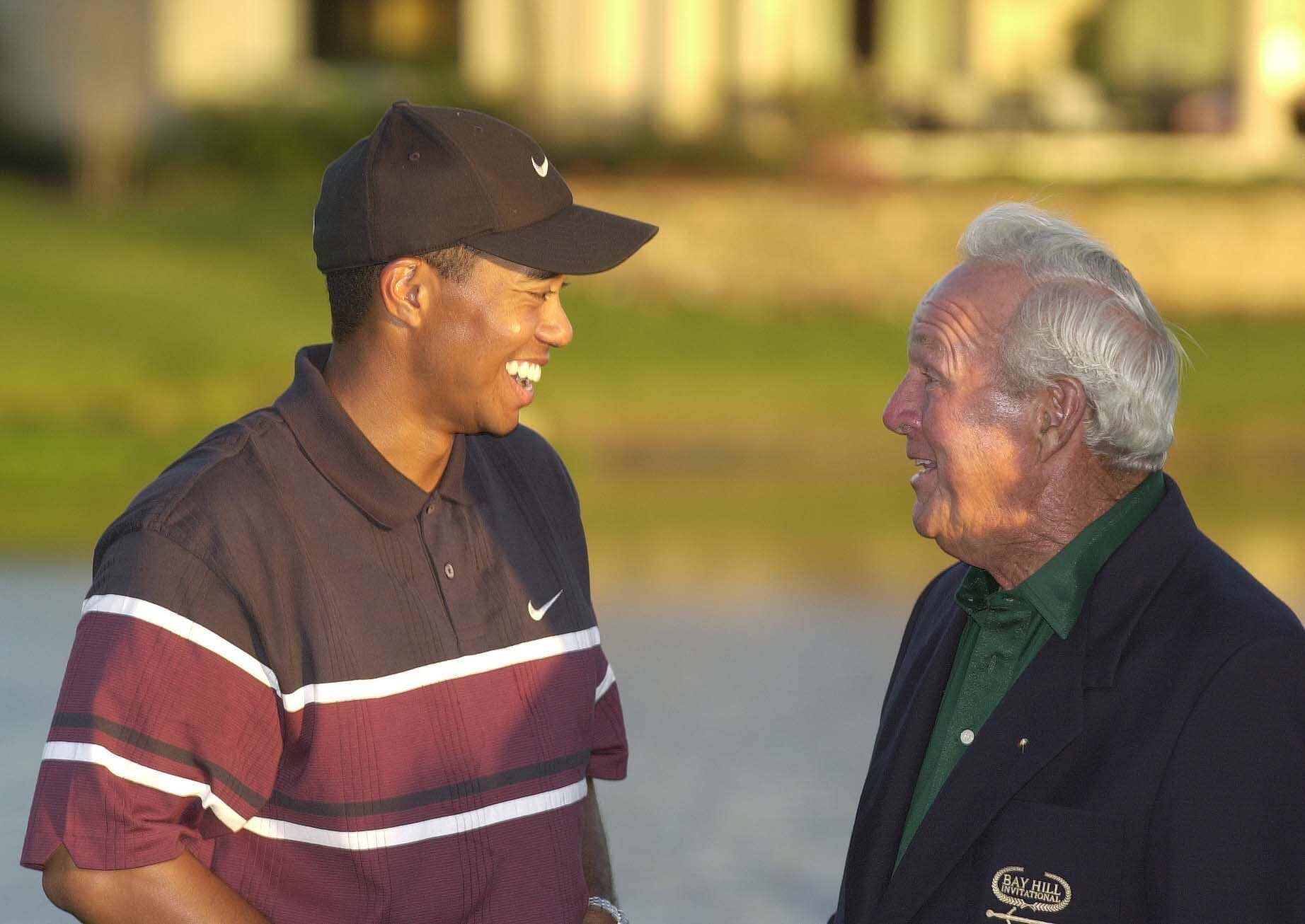
Every great tournament has defining champions. At Bay Hill, no name looms larger than Tiger Woods.
Woods won the event eight times, an astonishing record at a single venue and a marker of how perfectly his peak game matched Bay Hill’s demands. That eight-win total at Bay Hill stands as a Tour record for victories at a single course, a benchmark that elevated the tournament’s profile in the modern era and turned it into a must-watch stop where the best players tested themselves against a course that didn’t flinch.
Tiger’s dominance didn’t just add wins to the record book. It imprinted something deeper. When elite players arrive at Bay Hill now, they’re not only chasing a trophy. They’re stepping into a week defined by the standard of the greatest player of his generation, a player who made Bay Hill look conquerable even when it was eating everyone else alive.
That measuring stick still exists. Every leaderboard at Bay Hill carries the ghost of Tiger’s eight wins, a reminder of what excellence looks like when it meets a course that demands it.
The Personal Touch That Changed Everything

One of the most enduring aspects of the Arnold Palmer Invitational is that it has always carried a personal tone. This was a week where the host’s presence mattered, where fans felt connected to something more than leaderboards and prize money.
Palmer’s nickname was “The King,” which could have created distance. Instead, it created warmth. He built a reputation for accessibility, for valuing fans, for treating the tournament as a civic event as much as a sporting one. That spirit became embedded in the tournament’s DNA: the sense that the week is a celebration of golf culture, community and generosity.
This wasn’t accidental. Palmer’s entire public legacy was tied to growing the game, welcoming people in, making them feel like they belonged, turning golf into something that could be both elite and inclusive. The Arnold Palmer Invitational became one of the clearest annual reflections of that ethos.
Even after Palmer’s death in 2016, that feeling persists. The tournament still carries his values, his standards, his belief that golf should be hard but welcoming, competitive but joyful.
The Modern Era: Signature Status and Bigger Stakes
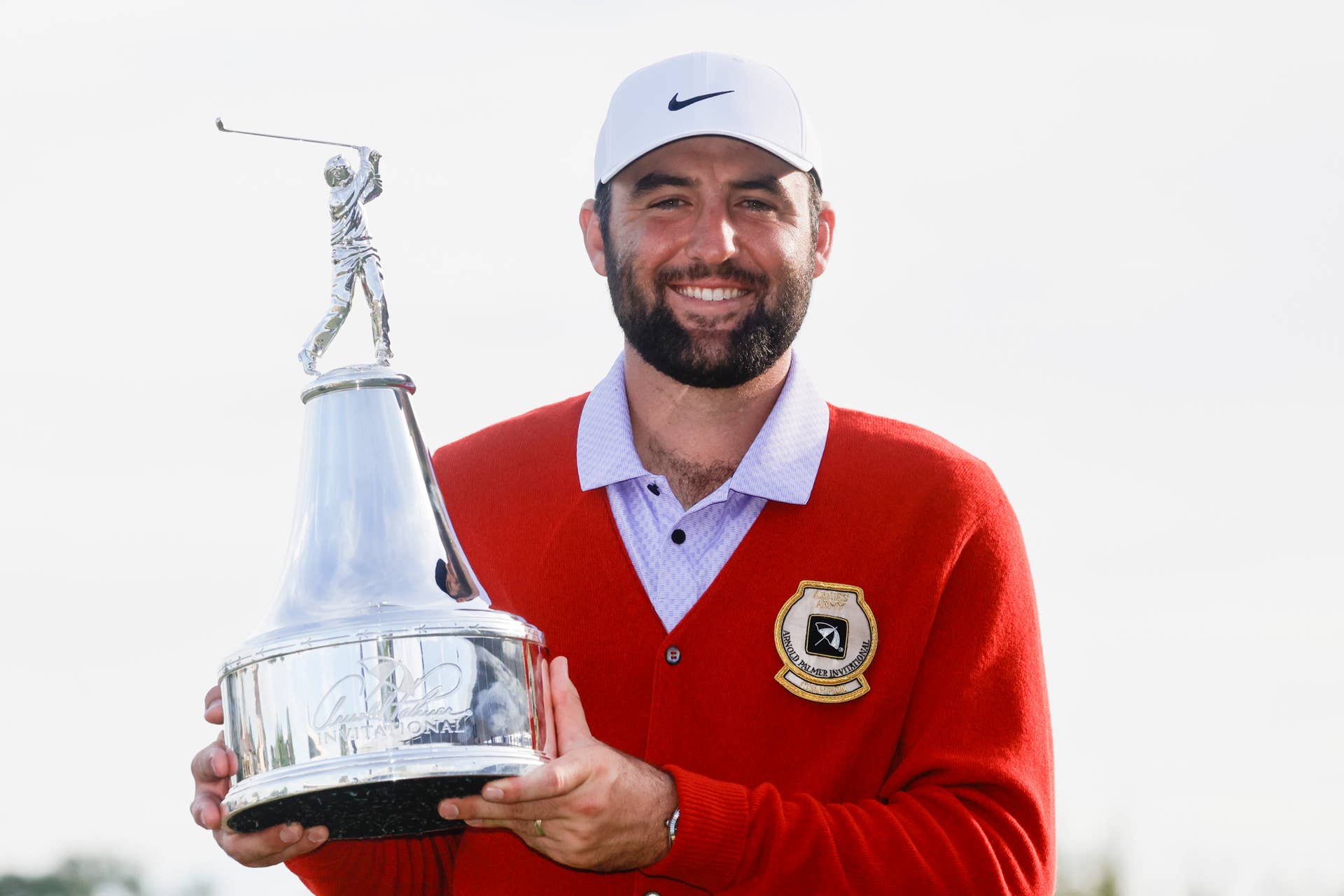
In recent years, the Arnold Palmer Invitational has been positioned as one of the PGA Tour’s elevated events, part of a modern structure in which certain tournaments carry increased purses and stronger fields.
The Tour’s current “Signature Event” framework has placed Bay Hill among a small group of premier stops, with a $20 million purse that reflects its status. What does that mean for the tournament’s identity?
On one hand, it reinforces what fans already felt: Bay Hill is not a normal week. The course is too stern, the history too rich, the host’s legacy too powerful for it to be treated like just another stop.
On the other hand, it adds a layer of modern pressure and prestige. The Arnold Palmer Invitational now functions as both a tradition and a strategic checkpoint in the season. Players aren’t only thinking about trophies. They’re thinking about elite points, big paydays and season momentum in a Tour landscape where signature weeks can define a year.
Why It Still Matters
Plenty of tournaments have a strong venue. Plenty have big purses. Plenty have deep fields.
The Arnold Palmer Invitational has something rarer: a story that makes the golf feel like it matters more.
It matters because it is a continuation of a tournament lineage that began at Rio Pinar in 1966 and moved to Bay Hill in 1979. It matters because Palmer didn’t just “host” it. He shaped it after purchasing Bay Hill in 1975 and turning the property into a Tour pillar. It matters because the champions list includes era-defining greatness, none more emblematic than Tiger Woods’ eight wins at Bay Hill.
And it matters because, in the modern Tour ecosystem, the Arnold Palmer Invitational has become one of the sport’s high-stakes weeks while still carrying a human heartbeat rooted in Palmer’s legacy.
That combination is why the tournament endures. It’s an event that has grown with the Tour without losing the thing that makes it special: the feeling that you’re watching golf inside a story.
Every time players walk up the fairway at Bay Hill late on Sunday with the wind nudging flags and the leaderboard tightening, you can almost sense the tournament’s central idea floating over the property: Play bold. Respect the test. Honor the game.
That’s not marketing language. That’s what happens when a tournament grows from a man’s vision instead of a corporate boardroom. And that’s why, every March, Bay Hill still feels different.