


Finding deep-league help compared to standard fantasy assets takes extra elbow grease. But that research can unearth some surprising fantasy capital.
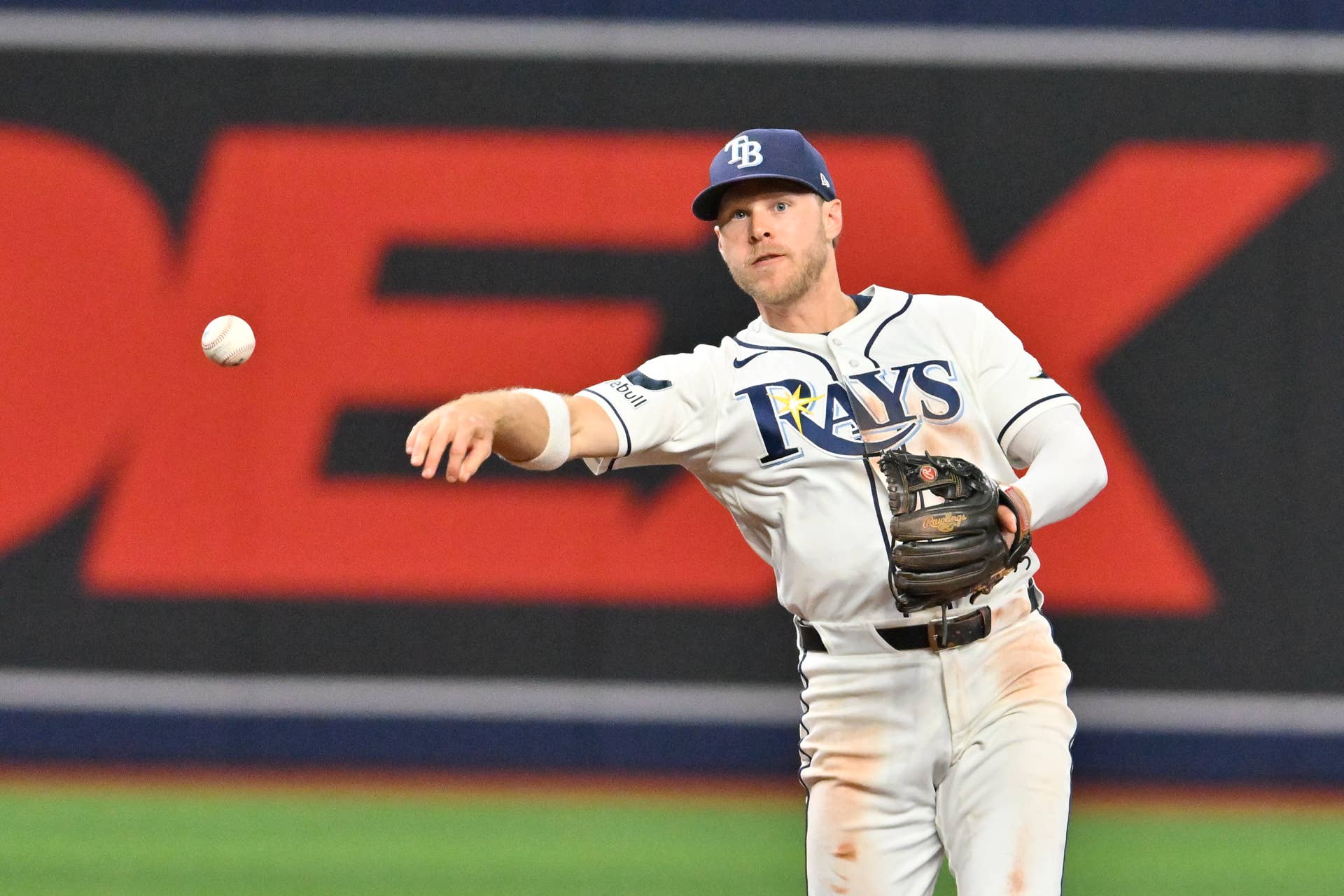
Enter Rays shortstop Taylor Walls. A glove-first infielder known for making weak contact at the plate. He isn’t a shallow-format player, since he doesn’t play every day and relies on his base-running speed to make up for his lack of bat power. However, Walls has made a small adjustment to his game-day routine that has led to more successful at-bats.
His overall season numbers don’t show the steady increase in his stats, which keeps Walls under the radar. Here’s what fantasy managers in deep-league formats need to know.
The Swing-Decision Change, By the Numbers
Pablo Robles-Imagn Images
Walls told MLB.com before the start of the 2026 season that he planned to dial back his pregame preparations, which the Rays had long asked him to do. In May, Forbes noted Walls was also taking more of a small-ball approach at the plate instead of over-swinging. These two decisions have led to steady gains as the season progresses.
ESPN confirms Walls went from slashing .186/.294/.220 in April to .225/.329/.338 in May, while his OPS shot up from .514 to .667. FanGraphs shows his accompanying strikeout rate, which decreased from 29.2% to 20.5%. He brought his wRC+ rate up from 53 in April to near the league average in May at 91, and went from a tepid two stolen bases in May to six stolen bases in June.
Walls has also been clutch under pressure, posting an insane 1.667 OPS with the bases loaded in 2026. For context, Nationals power-hitter James Wood is second in the MLB with a .985 overall OPS and has a 1.333 OPS with the bases loaded in 2026.
wOBA and xwOBA Moved Together, and What That Means
Jamie Sabau-Imagn Images
Athlon’s fantasy baseball contingent has talked a lot this season about the wOBA-xwOBA gap. When the former is higher, that usually means a batter has been luckier at the plate than his underlying metrics say he should be. It can also mean a batter is going up against weak defenses often.
Yes, Walls’ Statcast profile confirms his 2026 wOBA (.273) hovers over his xwOBA (.255) because Tampa Bay tends to face subpar American League defenses. But FanGraphs shows that both numbers have increased since the start of the season, indicating Walls is hitting the ball more consistently now than he was in April.
The Rays’ second-half schedule is a mixed bag, but does feature series against teams with weaker defenses, including the Rockies, Mariners, and Orioles. This could give Walls more opportunities for productive at-bats.
The Deep-League Case
These improvements aren’t enough to make Walls an add candidate in shallow leagues that rely on batting average and power. But they show he can be an asset in deeper leagues that offset those categories with top-tier defense and RBI-hitting. Walls is currently healthy and underrostered in deep leagues, making him a widely available option for deep-league fantasy owners.
Questions About Taylor Walls, Answered
Who is Taylor Walls, and why does he matter for fantasy baseball right now?
Taylor Walls is a glove-first Rays infielder whose overall season numbers hide steady improvement at the plate. Changes to his pregame routine and a greater emphasis on a small-ball approach have coincided with better production, making him a worthwhile option for managers in deeper fantasy formats.
What changed in his approach?
Walls scaled back his pregame preparations and adopted more of a small-ball approach instead of over-swinging. As the season progressed, those adjustments coincided with improvements in his slash line, OPS, strikeout rate, wRC+, and stolen-base production.
Is this swing change reflected in his results yet?
Yes. Walls improved from a .186/.294/.220 slash line in April to .225/.329/.338 in May, while his OPS increased from .514 to .667. His strikeout rate dropped, his wRC+ climbed closer to league average, and both his wOBA and xwOBA have trended upward during the season.
Should I add Taylor Walls in fantasy baseball?
Walls is best viewed as a deep-league option rather than a shallow-league priority. His improving offensive profile, current health, and broad availability make him a useful depth addition for fantasy managers in formats where everyday replacement options are limited.


