


For all the talk about how the NFL has evolved into a quarterback-driven league, the postseason still has a way of slowing games down and exposing what truly matters. Postseason football rarely looks like September football.
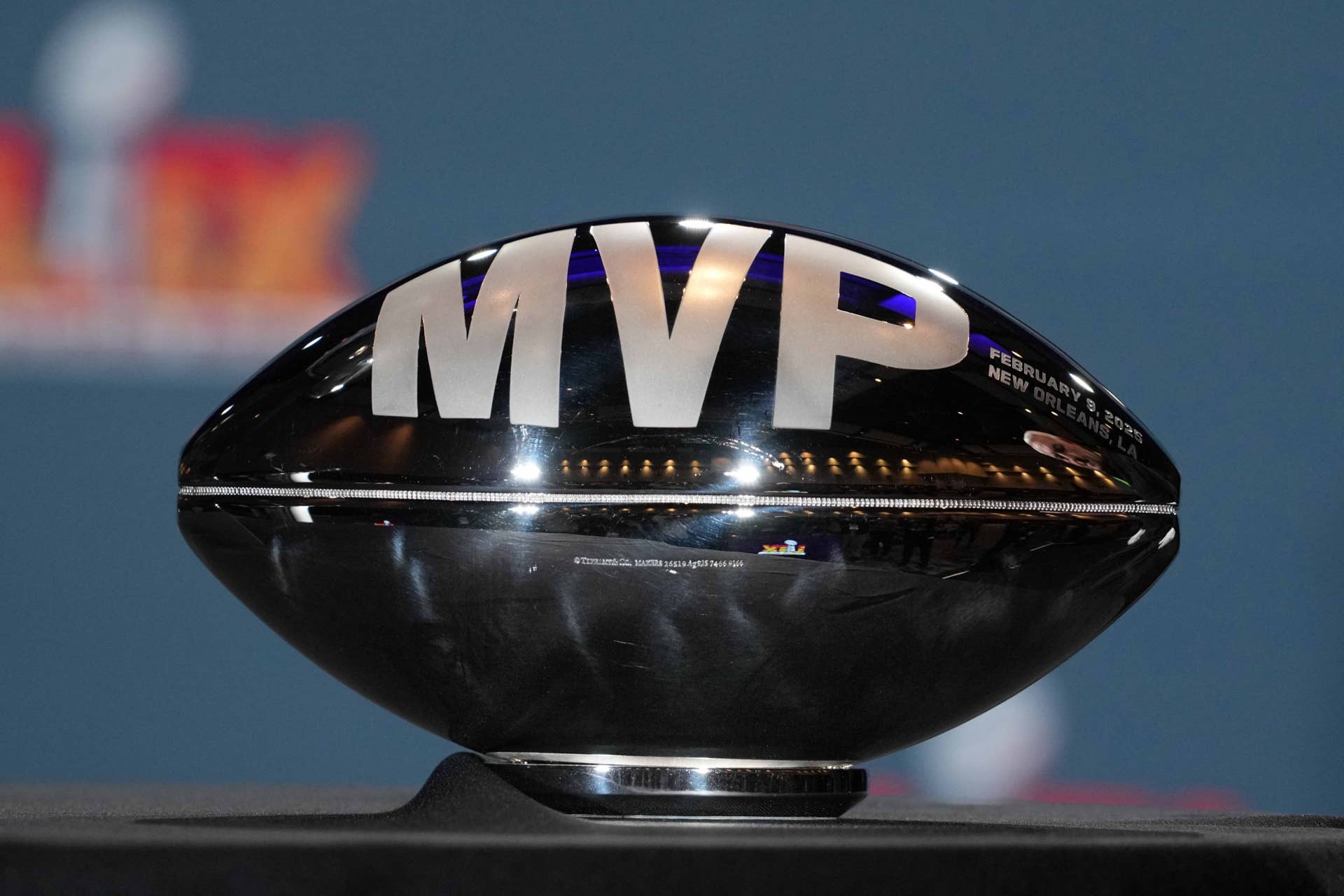
Passing windows shrink, possessions become precious, and physicality often decides who survives. That reality is why the running back position, while devalued on paper, continues to loom in every Super Bowl conversation. History shows how difficult it is for a running back to break through the MVP barrier, but it also shows that when one does, the performance is unforgettable.
As the league finishes in Santa Clara, California, with the Super Bowl, Kenneth Walker, Rhamondre Stevenson and TreVeyon Henderson each displayed a different path toward relevance on the biggest stage, shaped by recent playoff usage, efficiency and the simple truth that postseason production is remembered long after regular-season debates fade.
Credit: Kirby Lee-Imagn Images
Kenneth Walker and a Playoff Resume That Pops
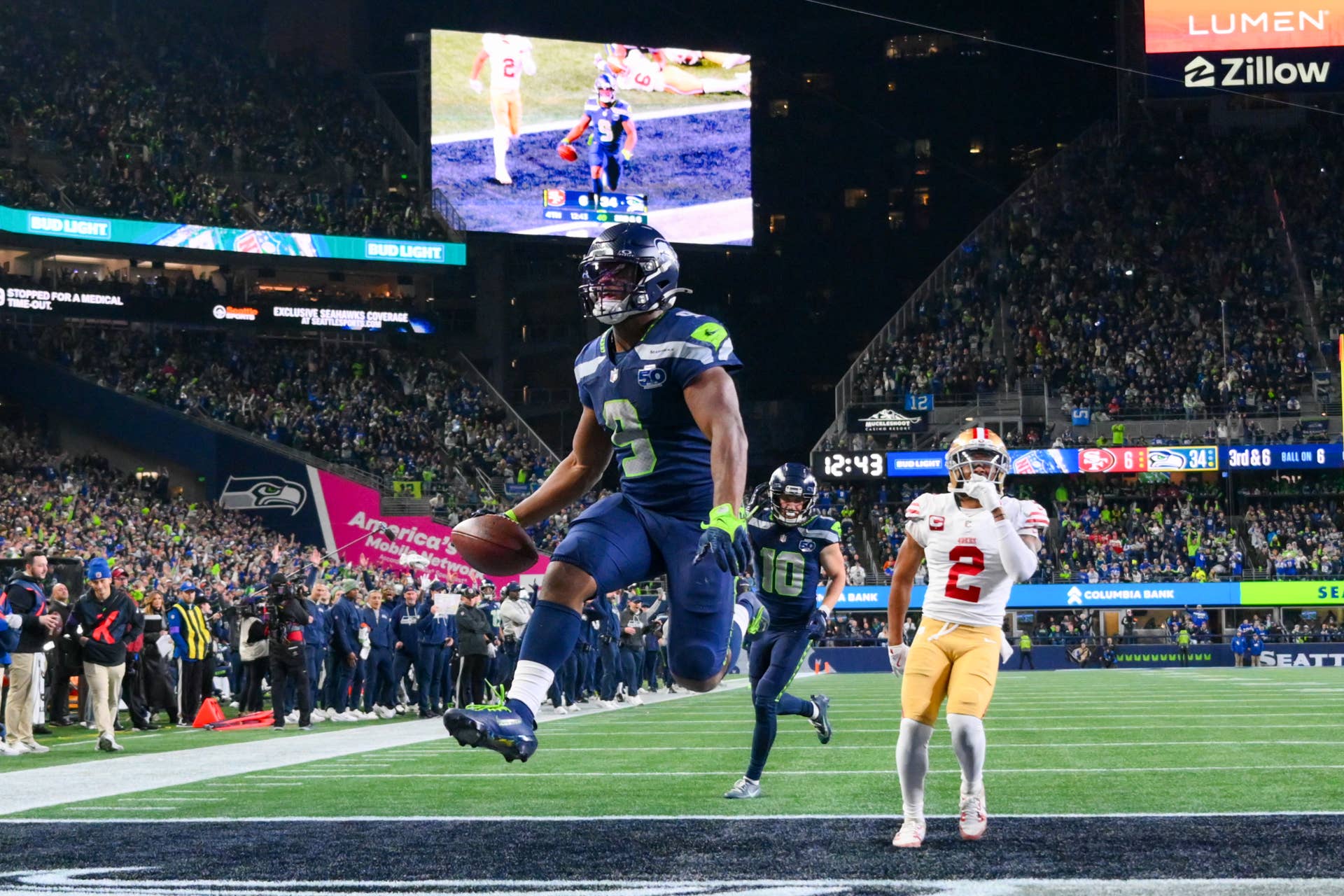
Kenneth Walker III has already built the type of January resume that gives running backs a fighting chance in the modern NFL. He logged 19 carries in both playoff games, showing true feature-back usage when it mattered most.
Against the Los Angeles Rams, Walker rushed for 62 yards and a touchdown while adding 49 receiving yards, impacting the game on the ground and through the air. He followed that up with a statement performance against the San Francisco 49ers, ripping off 116 rushing yards and scoring three touchdowns while contributing 29 receiving yards.
That combination of volume, explosiveness and scoring is exactly what MVP voters look for when a non-quarterback forces his way into the spotlight.
Steven Bisig-Imagn Images
Rhamondre Stevenson and the Volume Without the Finish
Rhamondre Stevenson fits the traditional postseason workhorse mold, but his recent playoff results show how unforgiving the standard can be. Stevenson carried the ball 25 times at Denver against the Broncos, finishing with 71 rushing yards. The workload was substantial, and the commitment was clear.
What has not followed is production in the scoring column. Stevenson has not found the end zone in his last three playoff games. Without touchdowns, even heavy volume struggles to resonate on a Super Bowl stage. For his chances to rise in 2026, finishing drives would need to become the defining part of his story.
TreVeyon Henderson and the Boom-Or-Bust Case
TreVeyon Henderson represents the explosive underdog profile that can flip narratives in a single night. His playoff usage has been uneven, including just three carries for five yards at Denver. He did, however, receive 12 carries on Jan. 18 against the Houston Texans, hinting at situational trust.
A reminder of his ceiling came earlier, on Dec. 14 against the Buffalo Bills, when Henderson erupted for 148 rushing yards and two touchdowns. That type of performance is rare and unforgettable, especially for a player expected to play a limited role. If Henderson ever delivers that level of explosion in a Super Bowl setting, volume would not matter.
Why the Bar Remains so High
All three backs face the same uphill climb. Quarterbacks dominate touches, headlines and MVP ballots. For a running back to break through, touchdowns must stack up and second-half moments must tilt the game. Efficiency alone is not enough.
Still, Walker’s playoff production, Stevenson’s workload potential and Henderson’s explosive upside ensure the position is not entirely out of the conversation heading into the Super Bowl.
Running Backs Who Have Won Super Bowl MVP
To understand how rare the path truly is, here is the complete list of running backs to win Super Bowl MVP:
- Larry Csonka, 1974 Super Bowl
- Franco Harris, 1975 Super Bowl
- John Riggins, 1983 Super Bowl
- Marcus Allen, 1984 Super Bowl
- Ottis Anderson, 1991 Super Bowl
- Emmitt Smith, 1994 Super Bowl
- Terrell Davis, 1998 Super Bowl
That list has not changed since Terrell Davis. Any running back hoping to add his name in 2026 would need a performance that cuts through decades of history.
Super Bowl MVP winners by position:
- Quarterbacks: 34
- Defensive players: 9
- Wide receivers: 8
- Running backs: 7
- Kickers and special teams: 1
Super Bowl MVP voting has always told a story about how the league values impact on its biggest stage. When you break it down by position, the imbalance becomes impossible to ignore.
That distribution shows why the running back drought feels so stubborn. Quarterbacks account for more than half of all Super Bowl MVP awards, while running backs have not added a single name to their total since 1998. Even elite postseason performances often get overshadowed unless they come with multiple touchdowns and a clear, game-defining moment.
It is not that running backs stop mattering in the postseason. It is that history that shows just how hard it is for them to be remembered above everyone else on Super Bowl Sunday.