


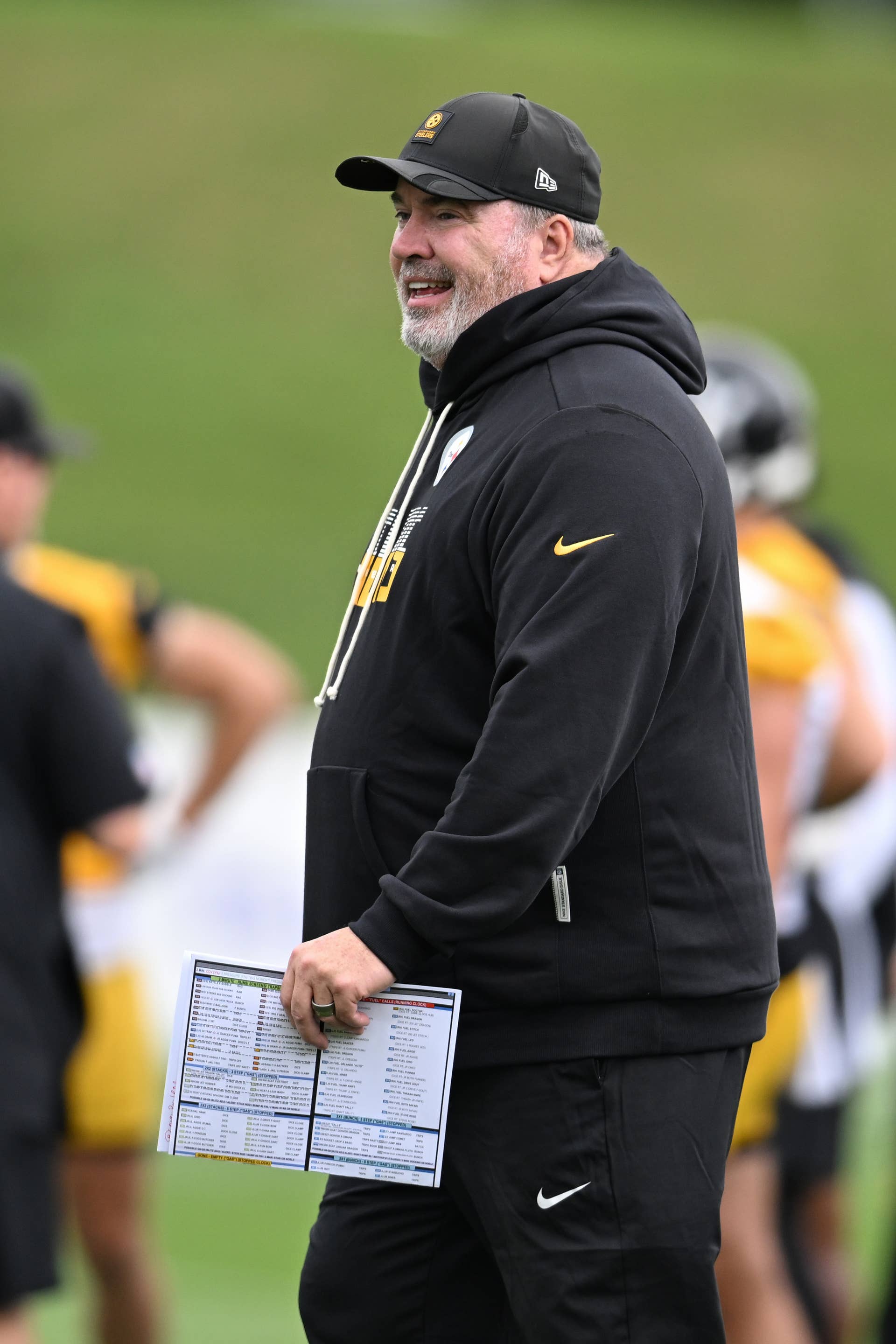
On Thursday, before the Pittsburgh Steelers began their second practice of training camp, head coach Mike McCarthy met with the media. One of the biggest takeaways came from Nick Farabaugh of PennLive, who reported that McCarthy had introduced the "Steelers Six" fundamentals to his team. These six pillars are a major point of emphasis for McCarthy and will serve as the foundation for the team's development under his leadership.
At first glance, the Steelers Six fundamentals may sound cliché. However, each pillar ties directly to what has made McCarthy's teams consistently competitive throughout his career. They also reflect principles that have long been evident when watching successful Steelers teams. Here's a closer look at the Steelers Six and what they mean on both sides of the ball.
Tackling and breaking tackles
reuters.com,2026:newsml_MT1USATODAY29473744:1231366509
One of the biggest elements of the West Coast offense McCarthy has brought to Pittsburgh is creating yards after the catch. That requires ball carriers to break arm tackles and make defenders miss. The running game also depends on breaking tackles to thrive. After all, one of McCarthy's most effective rushing attacks came in Dallas with Ezekiel Elliott and Tony Pollard leading the way.
Defensively, sure tackling remains a top priority. Steelers fans know the frustration of missed tackles over the past several seasons. While the previous coaching staff emphasized splash plays, creating turnovers shouldn't come at the expense of consistently making routine tackles.
Ball security
reuters.com,2026:newsml_MT1USATODAY29480247:192754778
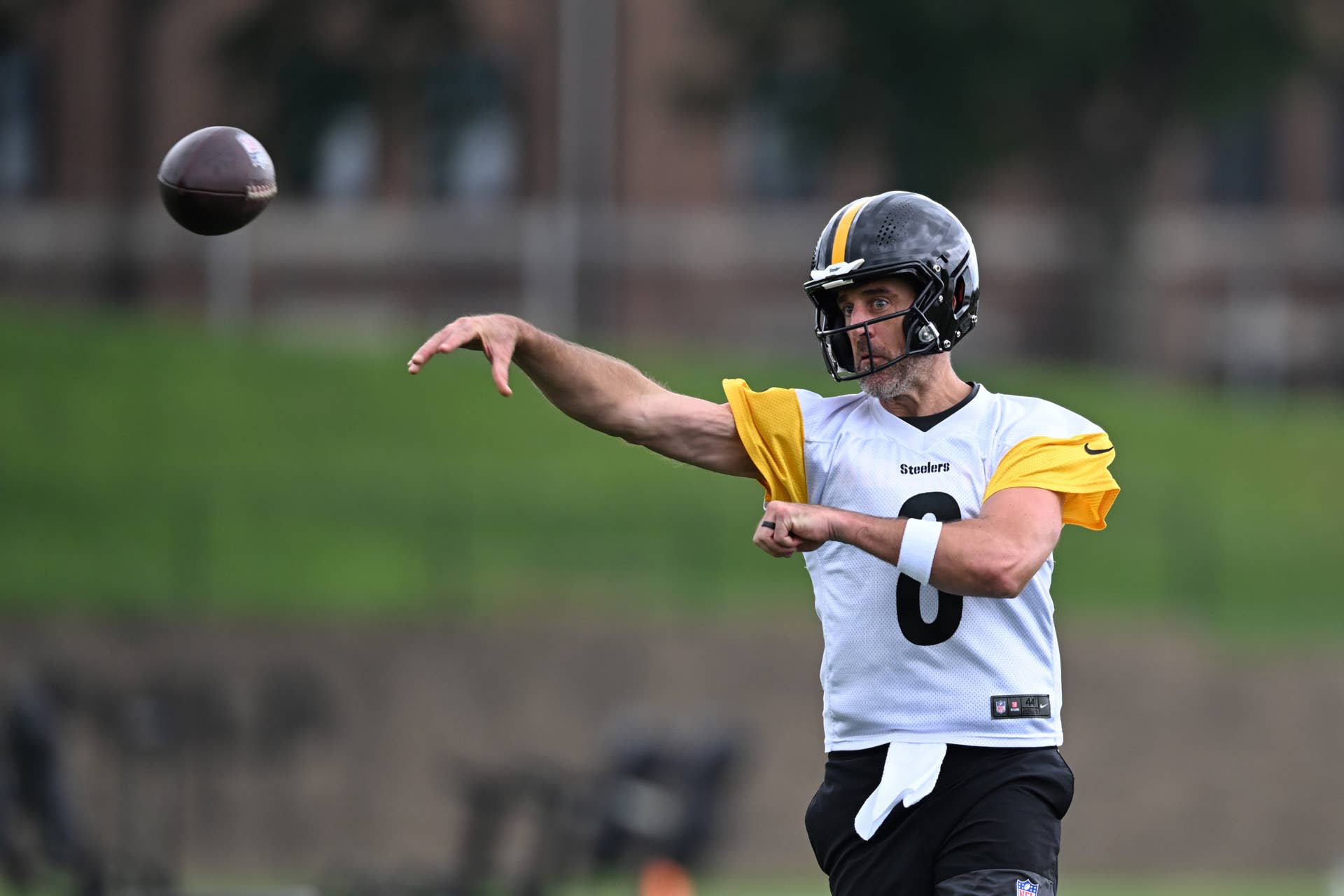
One of the defining traits of Aaron Rodgers' career has been his ability to protect the football. Even after parting ways with McCarthy, Rodgers has continued to excel in that area. To the previous regime's credit, they also understood how much turnovers can swing games, which played a significant role in their success in close contests.
On defense, forcing turnovers is just as valuable. As mentioned, disrupting ball security can completely change a game. Again, however, it shouldn't come at the expense of consistently making routine defensive plays.
Blocking
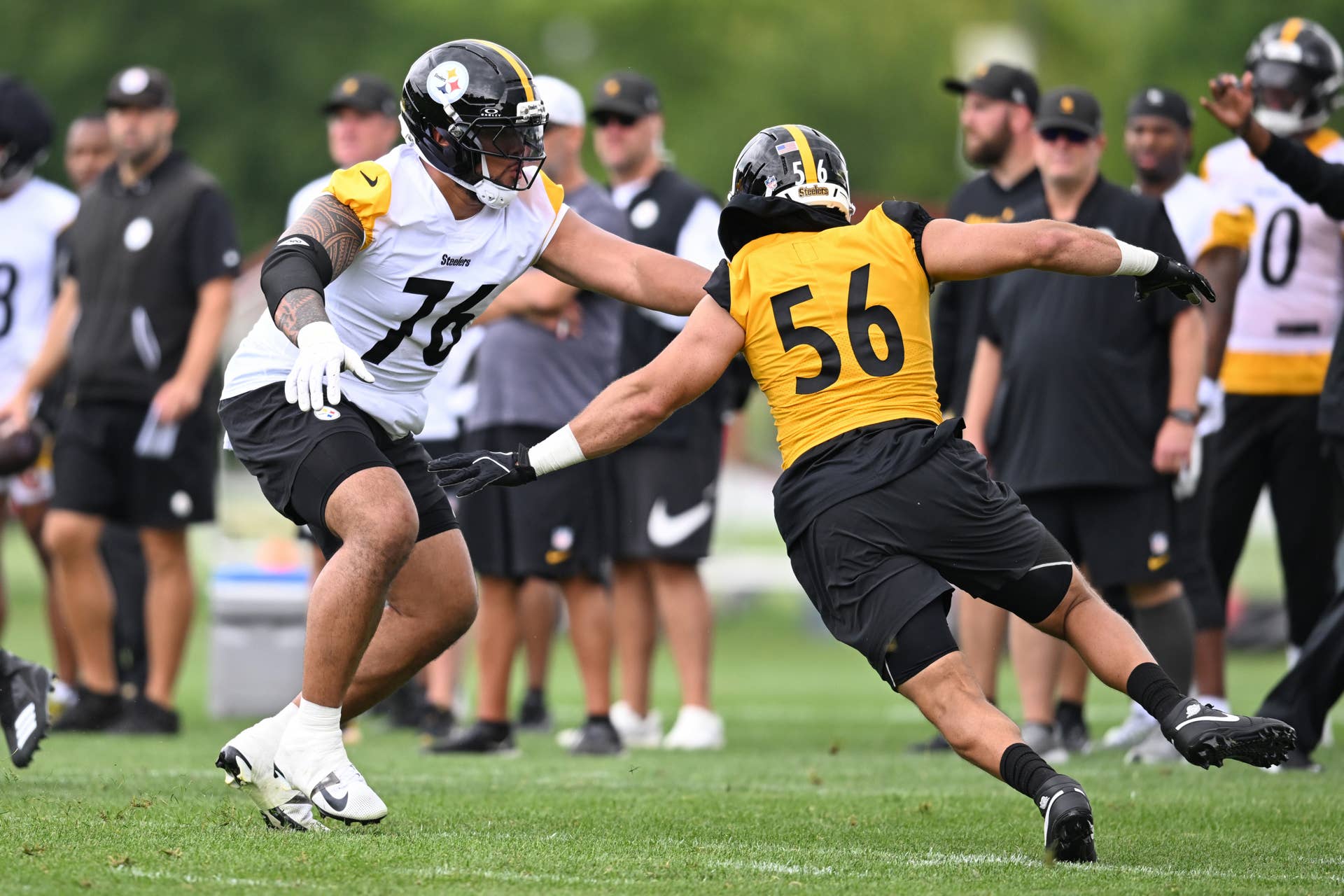
Blocking is essential in any offensive system, but McCarthy's offenses often leave offensive linemen in one-on-one situations. Winning those matchups is critical. Fortunately for the Steelers, they have a talented young offensive line that can continue developing under offensive line coach James Campen.
Defensively, shedding blocks and attacking an offense's tendencies create pressure. That disruption can throw off the offense's timing up front, which often leads to...
Big plays
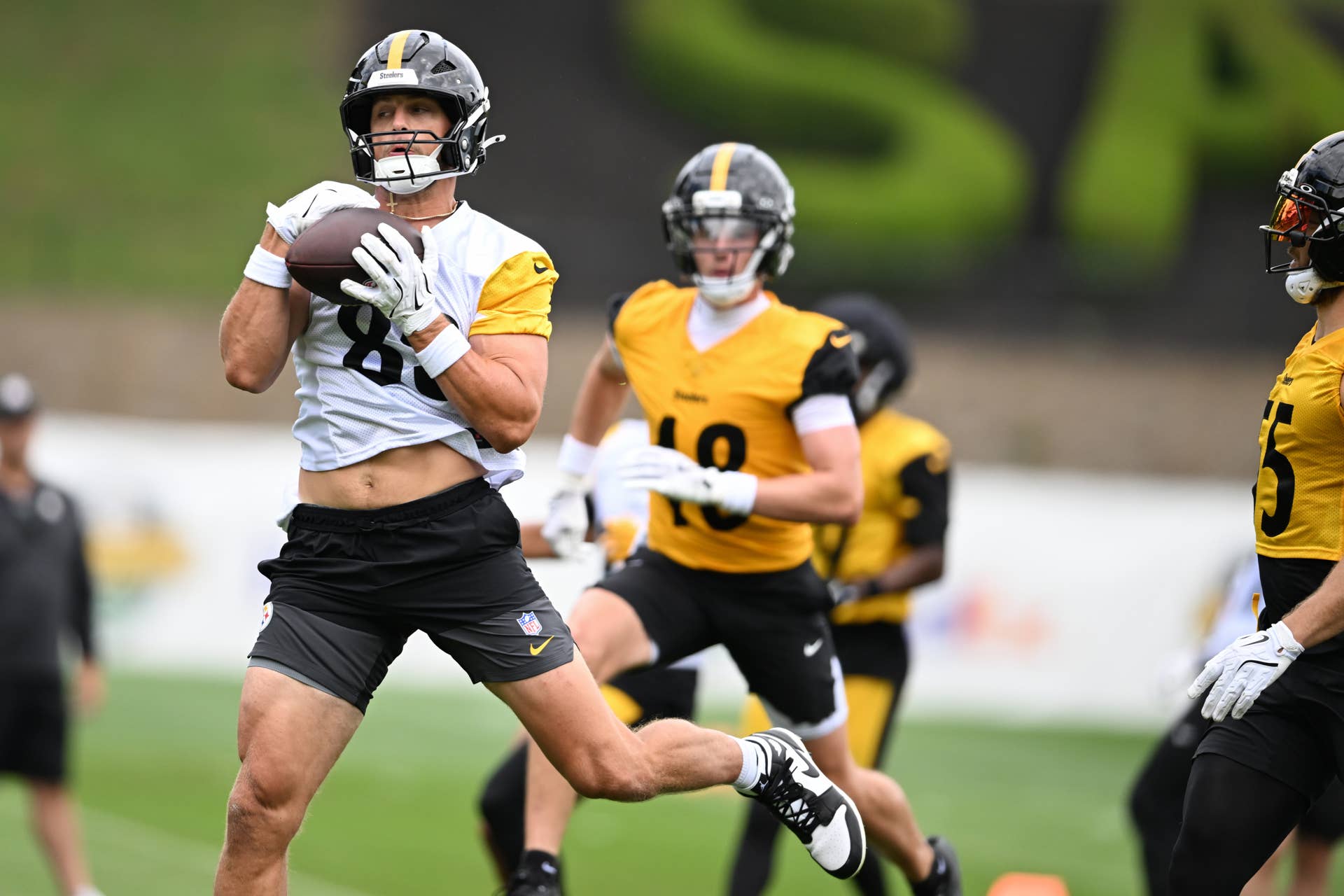
If there's one thing Steelers fans want to see more of offensively, it's explosive plays. McCarthy's offenses have traditionally thrived in that area. John Madden often described the West Coast offense as either throwing a touchdown or taking the checkdown. McCarthy's version includes more variety, but the emphasis on generating explosive plays remains. Big plays lead to points.
Defensively, disruption also creates explosive plays. Sacks, forced fumbles, tackles for loss, and interceptions all stem from creating chaos. This Steelers defense has the personnel to excel in that area. It all starts with winning at the line of scrimmage before the disruption spreads throughout the defense.
Finish and pursuit
reuters.com,2025:newsml_MT1USATODAY26709312:1967832288
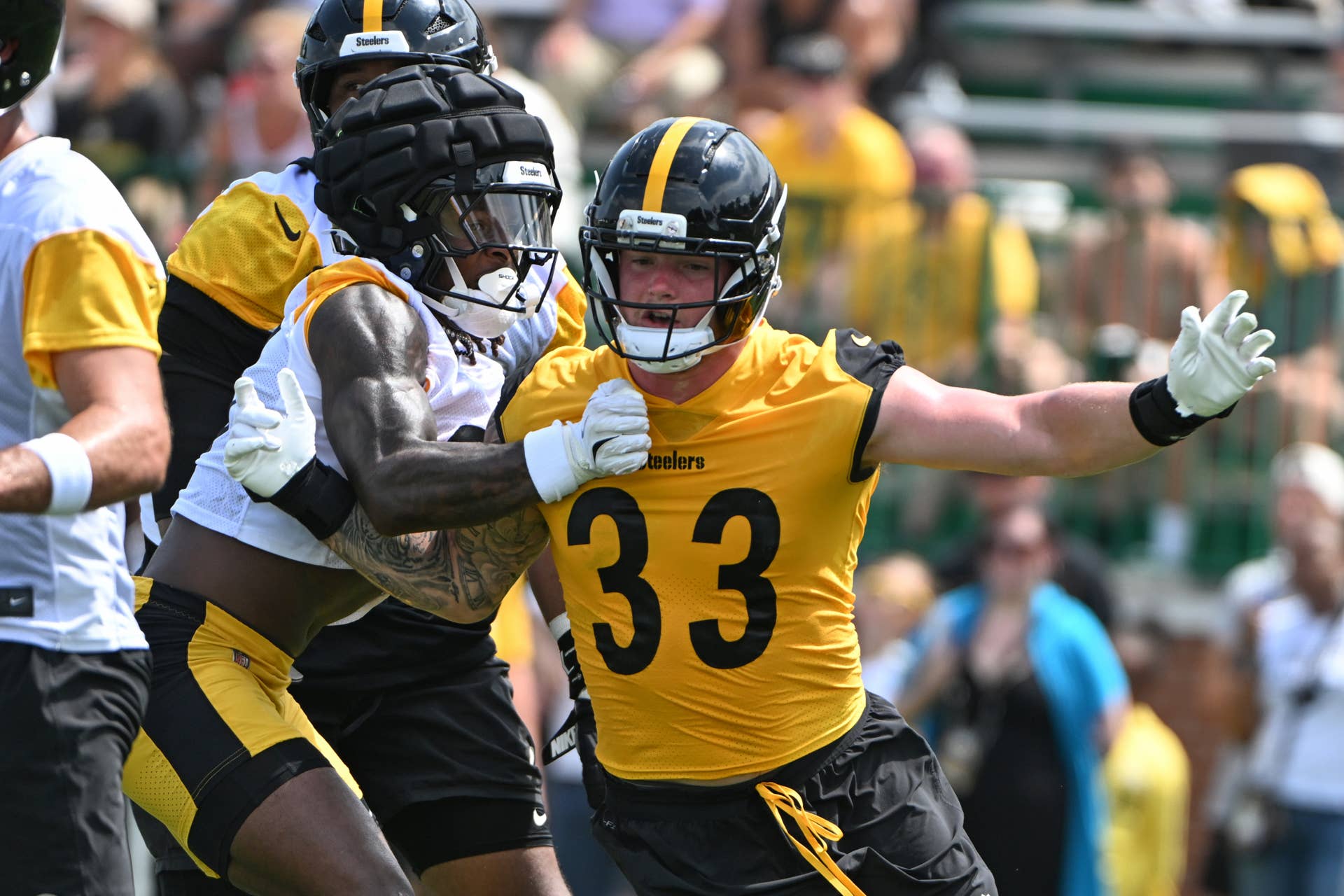
Playing through the whistle is a core principle of football. Finishing blocks, runs, drives, and ultimately games all play a significant role in winning the mental battle. Those details can sometimes be overlooked, but they often separate good teams from great ones.
On defense, relentless pursuit of the football and finishing tackles also fall under this pillar.
Mannerisms
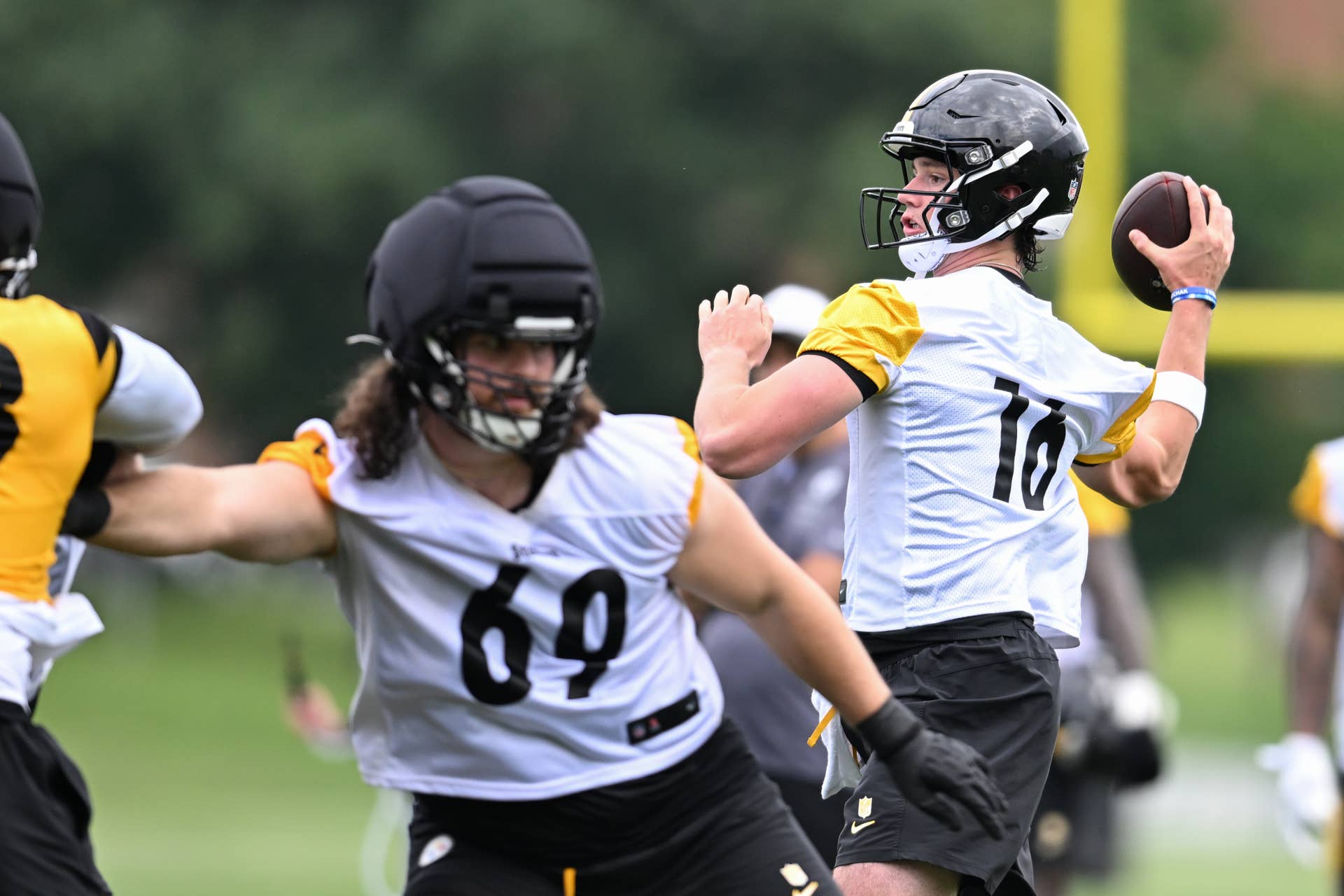
Perhaps the most interesting pillar is mannerisms.
Stop me if you've heard this before: this offense is predictable.
Predictability is exactly what defenses look for to gain an advantage, and Steelers fans have seen it at times with the team's past three coordinators on both sides of the ball.
Mannerisms extend beyond play design and play-calling tendencies. They also exist at the individual level. Some fans may remember Antonio Brown tightening his gloves before plays when he knew the ball was coming his way. Those subtle details are exactly what McCarthy is emphasizing. In football, studying mannerisms can reveal tells that ultimately make, or break, a unit.


