


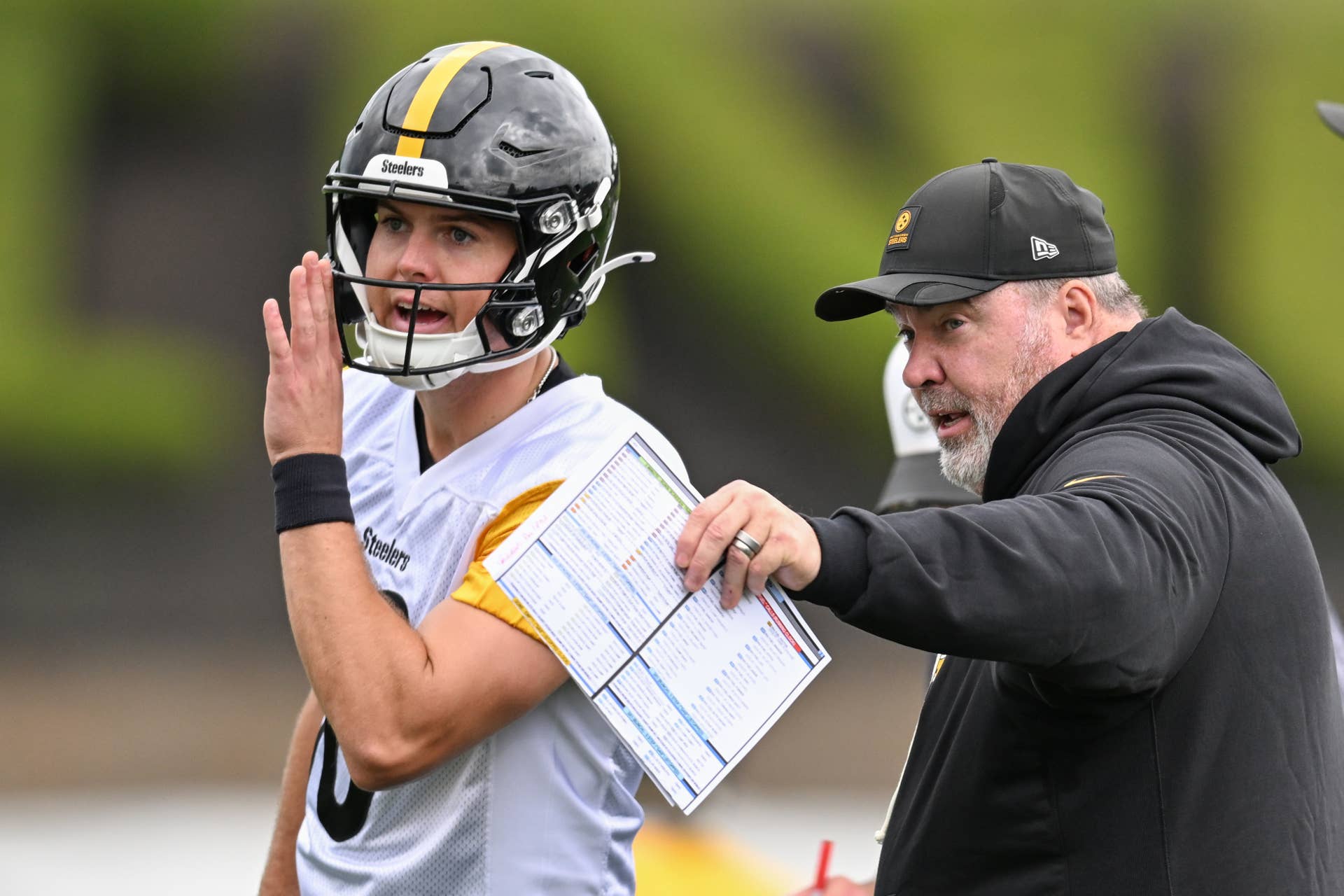
One of the biggest areas under the microscope for the Pittsburgh Steelers this preseason is their young quarterback room. Drew Allar is essentially entering a redshirt developmental year, while Will Howard has a legitimate opportunity to win the backup quarterback job behind Aaron Rodgers. Head coach Mike McCarthy was brought in not only to revamp a stagnant offense but also to help develop a quarterback of the future. With the Steelers breaking from their recent trend of scheduling joint practices, however, they may have missed an opportunity to give their young quarterbacks valuable additional work against outside competition.
Longtime Steelers beat writer Ray Fittipaldo questioned that decision during his Steelers Collective show. The previous regime made a point of scheduling joint practices when possible, but Pittsburgh did not do so this year.
“You know, looking back on the offseason, I can’t recall the circumstances of why it didn’t happen this year … Maybe it’s a Mike McCarthy preference, but wouldn’t some joint practices have been good for the quarterbacks this year? For Will Howard and Drew Allar, you get those extra looks. There’s only three preseason games now. You get those extra reps against different people like they did last year against Tampa Bay. I think that would have been good for this football team.” Fittipaldo explained.
Should the Steelers have scheduled joint practices?
reuters.com,2026:newsml_MT1USATODAY29473372:1395298475
Joint practices provide teams with an opportunity to evaluate their players against unfamiliar competition without the same limitations that come with a live preseason game. Rather than being restricted to a limited number of snaps, players can receive extended work while coaches have more opportunities to evaluate technique, decision-making, and adjustments.
That could have been particularly valuable for Pittsburgh this year. The Steelers have only three preseason games to evaluate their roster, making every live-game opportunity more important. Joint practices also allow coaches to test players against different schemes and personnel before the regular season begins.
McCarthy may have had his reasons for avoiding joint practices, but the Steelers seemingly could have benefited from the additional competition.
Could the Steelers' young quarterbacks have benefited from joint practices?
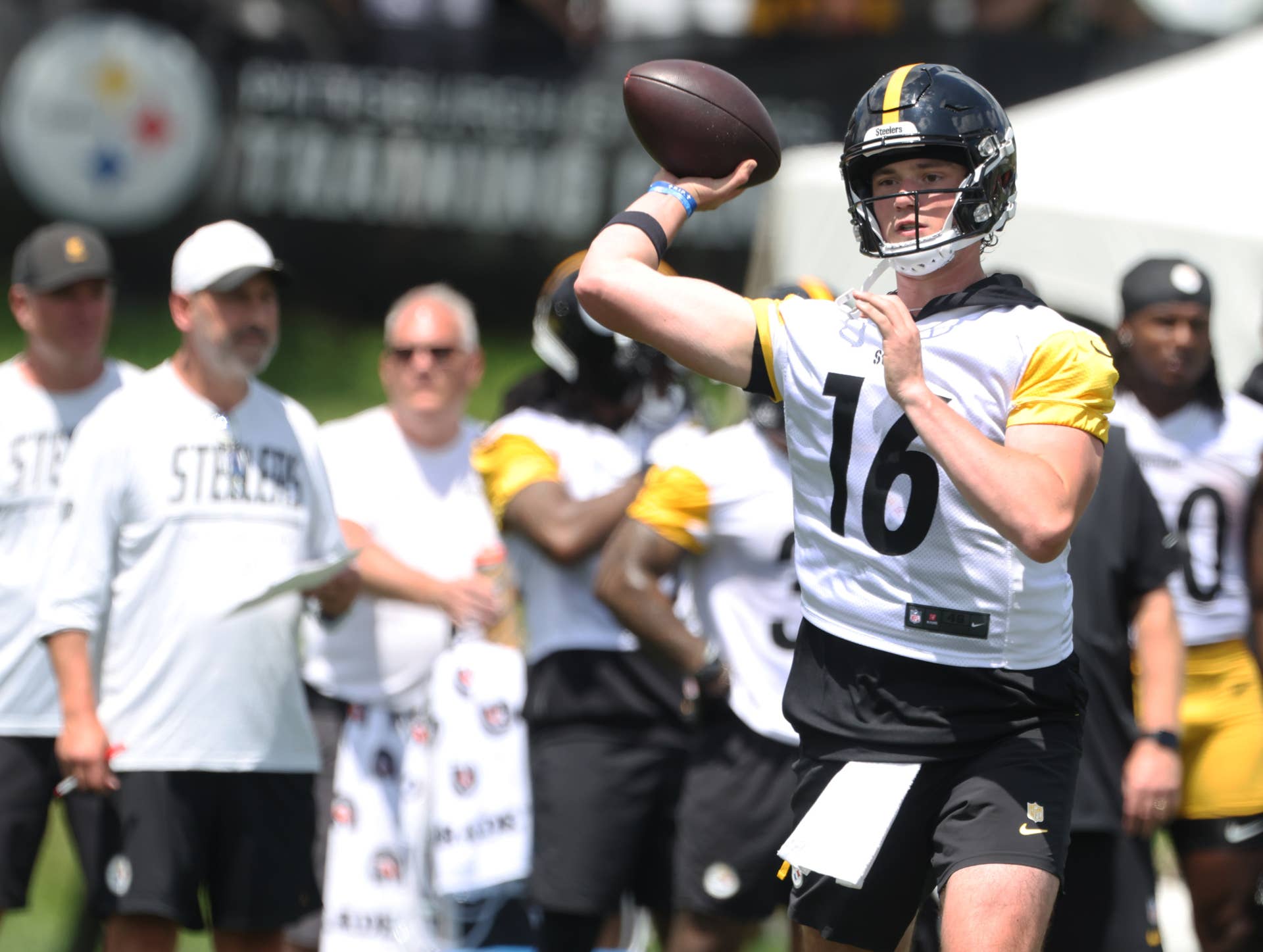
Allar and Howard stand to benefit from every meaningful repetition they can receive. While preseason games will give both quarterbacks opportunities to compete, joint practices could have provided even more snaps in a controlled environment.
For Howard, those extra reps could have helped him strengthen his case in the backup quarterback competition against Mason Rudolph. Allar, meanwhile, could use the experience to accelerate his development as he adjusts to the NFL.
Neither quarterback needs to become a finished product this preseason, but more opportunities against outside competition would have been valuable. With Pittsburgh trying to develop its next franchise quarterback, passing on joint practices could ultimately prove to be a missed opportunity.


