


Former pro basketball players Enes Kanter Freedom and Royce White have recently started mocking the WNBA by "declaring" for the league. While some sports fans who hate the league for its stance on gender politics have found it hilarious, former ESPN analyst Ryan Clark does not.
In a recent video on his podcast, The Pivot, Clark admonished Kanter and White for making a mockery of women's basketball. He called them "clowns" for joking about something that is "incredibly serious."
“If we are men, and as former athletes, and we understand how hard it is to get respect in the game, don’t make a mockery about what these women are going through. Don’t make jokes about things you’ll never understand,” he said.
“Stay out of it. If you don’t have some input, either right or wrong, that could be impactful or helpful, let these people be. Because dudes who could never play who want to make jokes about something that is incredibly serious are absolute clowns.”
Issues in the WNBA
Many fans and would-be fans of the WNBA have grown tired of the near-constant controversies that the league is facing, whether it's officiating, gossip or political commentary.
Clark's own colleagues on The Pivot, former NFL players Channing Crowder and Fred Taylor, expressed frustration in every little thing turning into a big issue and turning them off from the product.
“As a fan, even of the game, you’re gonna be turned off by it. There’s too much politicking going on in the WNBA,” Taylor said. “The media can help you in one light because they need the TV rights and the TV deals to increase their pay. But on the flip side, with social media, you’ve got the fighting over it, the politics, and the social awareness stuff that not many people like. You’ve these women fighting for social justice to try and help a class of people who have been pushed down and discriminated upon.
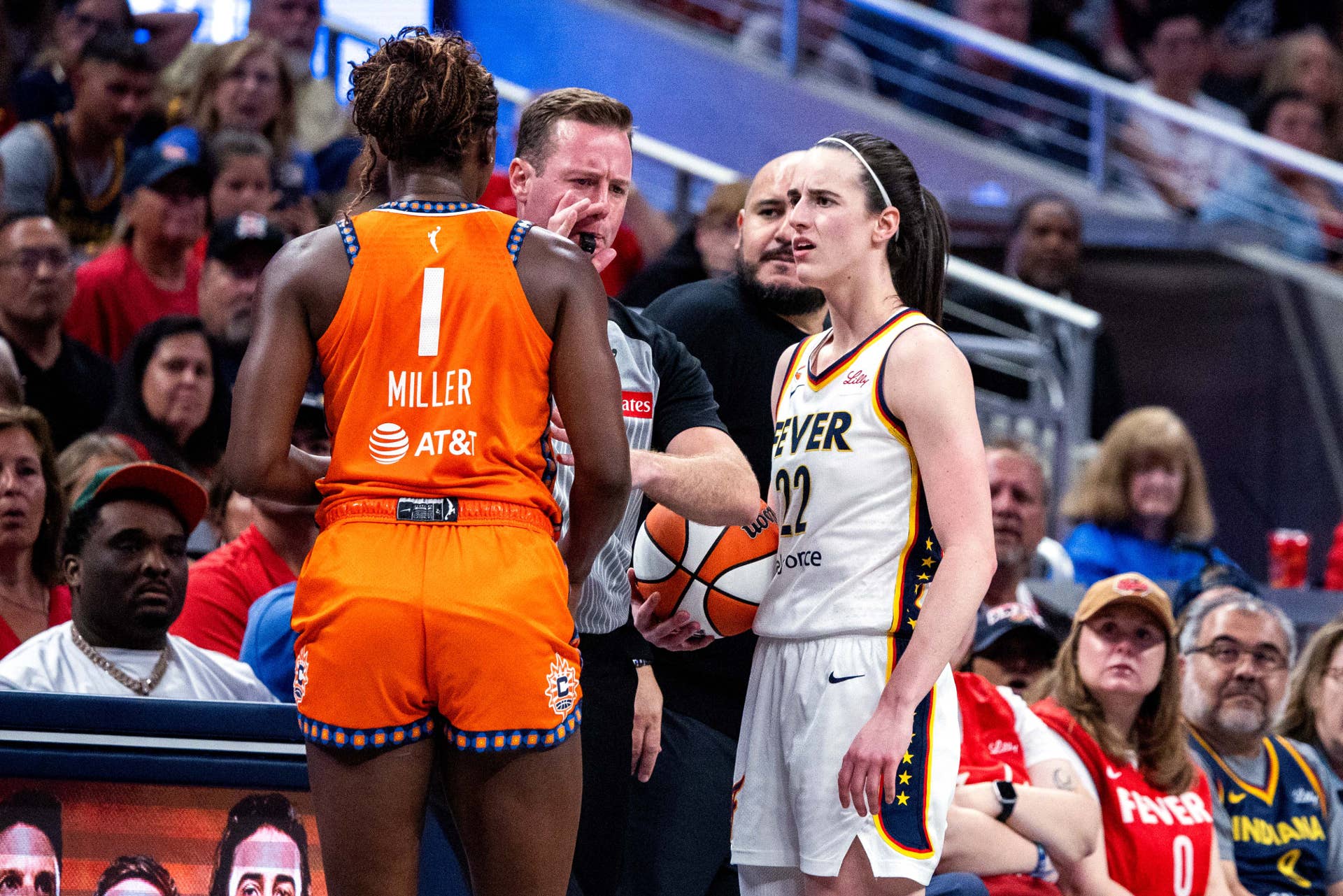
© Trevor Ruszkowski-Imagn Images.
“But not everybody wants to hear that. And sometimes, the people that pay your bills or help increase the money that you’re bringing in, those people aren’t supporting the league a lot of the time. So I just think it’s a slippery slope that these women are on, because enough is enough.”
But as the WNBA continues to grow, so will its problems.


