


The Summer Olympics will be back in the United States at the end of President Donald Trump's second term in office but he has a concern for the future of U.S. Olympics that go beyond the next two years.
During an event honoring several recent NCAA team champions yesterday, President Trump warned that the future of Team USA could get bleak if reforms to enhance Olympic support for non-revenue sports are not made. He said that 75-percent of Olympians competing for Team USA are college athletes and that the sports simply must be better supported for the sake of the country's future.
"75% of Olympians competing for Team USA played as college athletes. If we don't straighten out this, we're not going to have much of an Olympic team because you have so many of these sports, especially certain sports where it's like the minor leagues — you could call it the major leagues; you could call it whatever you want — but we train unbelievable athletes to go in and win the gold medal," Trump said, via Fox News.
"Without college sports, without your ability to go into college sports and compete and learn really how to play and get better, we're not going to have much of an Olympic team anymore."
President Trump and Sports
Few U.S. Presidents in recent memory have been more active in their passion for sports. And while he has been involved at the ground level on sports in the past, he has taken a far more active role in his second term in office.
The President has issued executive orders affecting sports in two major areas during his second term: transgender athlete participation and college athletics reform. In February 2025, he signed the order titled Keeping Men Out of Women's Sports, directing federal agencies to interpret Title IX in a way that bars transgender girls and women from competing in female school sports categories at institutions receiving federal funds.
The order also instructed agencies to review compliance and threatened potential funding consequences for schools that did not follow the policy. It prompted immediate reactions from athletic bodies, including the NCAA, which updated participation rules soon afterward.
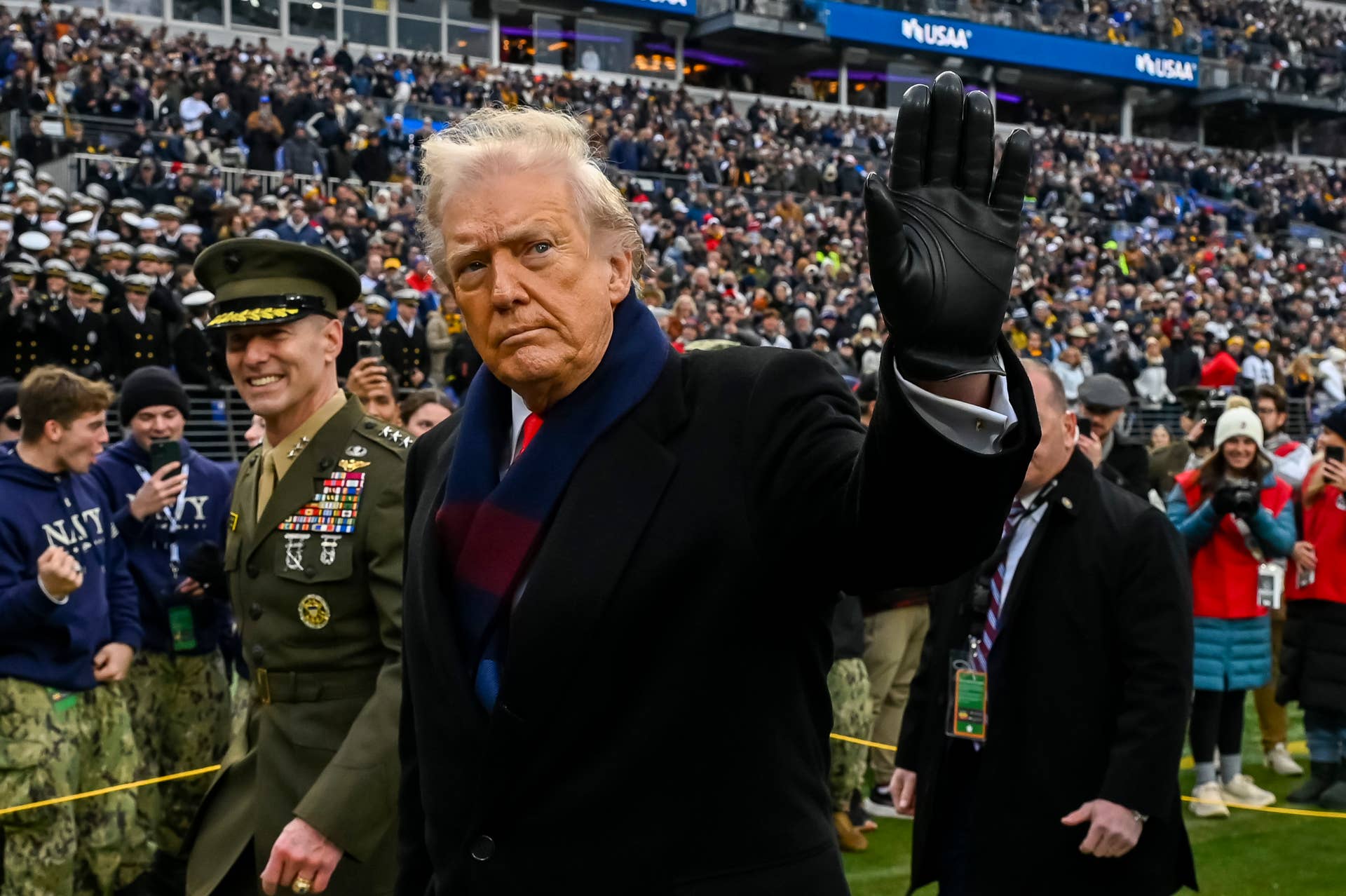
© Tommy Gilligan-Imagn Images
Trump has also focused heavily on college sports governance, especially the NIL era. In 2025 and again in April 2026, he signed orders aimed at “saving college sports” by pushing for stricter rules on athlete transfers, eligibility windows, and third-party NIL payments.
The 2026 order called for agencies to examine whether schools violating updated standards could risk federal grants or contracts, while also emphasizing support for women’s and Olympic sports programs. Supporters said the moves addressed instability in college athletics, while critics argued many provisions would face court challenges because the federal government has limited direct authority over the NCAA and athlete compensation rules.


