


This is the part of the season where fantasy leagues are quietly won.
Not on deadline night. Not with the splashy NBA trade alert. But right now, in the reset window, when managers are tired, tilted, and staring at slumps instead of context.
February 5 isn’t just a deadline. It’s a reset button. Smart managers press it early.
First rule: Stop treating your roster like it’s finished
Most teams don’t need more stars. They need flexibility.
That means one or two roster spots that aren’t locked into long-term loyalty. Spots you can turn over fast. Spots that let you react instead of chase. The biggest mistake this time of year is falling in love with the last guy on your bench.
If you can’t drop someone today without regret, you’re already behind.
Stash before the market notices
© Lucas Peltier-Imagn Images
This is the easiest edge on the board.
When teams trade veterans, minutes don’t disappear. They move. And the managers who already roster the next guy win the week before anyone else can even submit a claim.
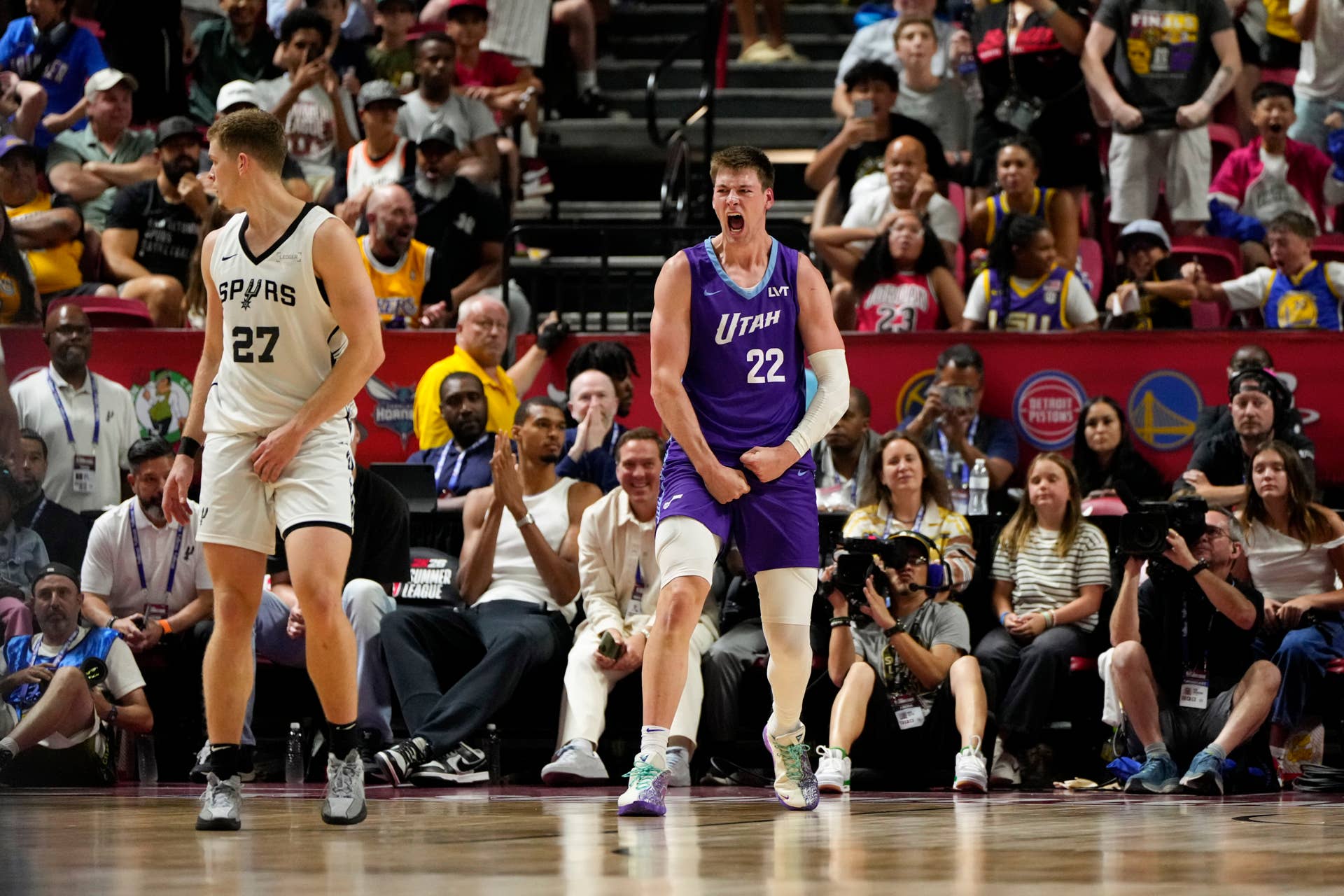
That’s why someone like Kyle Filipowski matters right now. Utah doesn’t hide its intentions. If frontcourt pieces shift, Filipowski’s minutes don’t creep. They jump. And once that happens, he’s no longer free.
It will be interesting to see how Filipowski adjusts after Utah’s trade for Jaren Jackson Jr. That deal doesn’t mean less production for Filipowski. It, in fact, may mean a more comfortable (and productive) role.
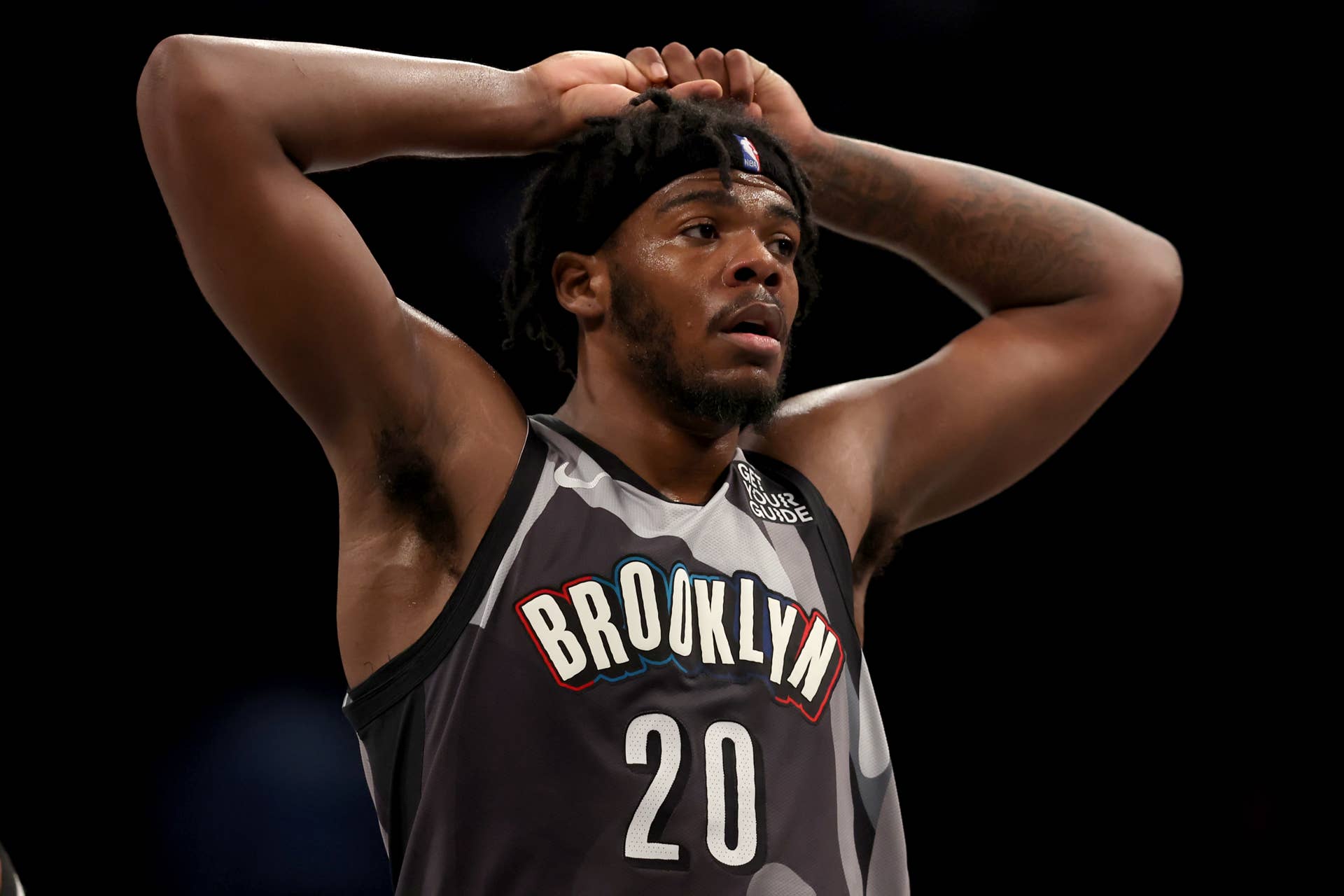
Same logic applies in Brooklyn. If the Nets reshuffle their bigs, Day'Ron Sharpe stops being a deep-league curiosity and starts being a nightly double-double threat. You don’t add those guys after the deal. You add them before.
Buy low when the noise is loudest
Trade buzz is great for one thing: It creates panic. And panic creates discounts.
Right now, managers staring at the Sacramento situation are tired of waiting. That’s how Domantas Sabonis becomes available at anything less than full price. The production hasn’t vanished. The role hasn’t changed. The frustration has.
That’s when you step in.
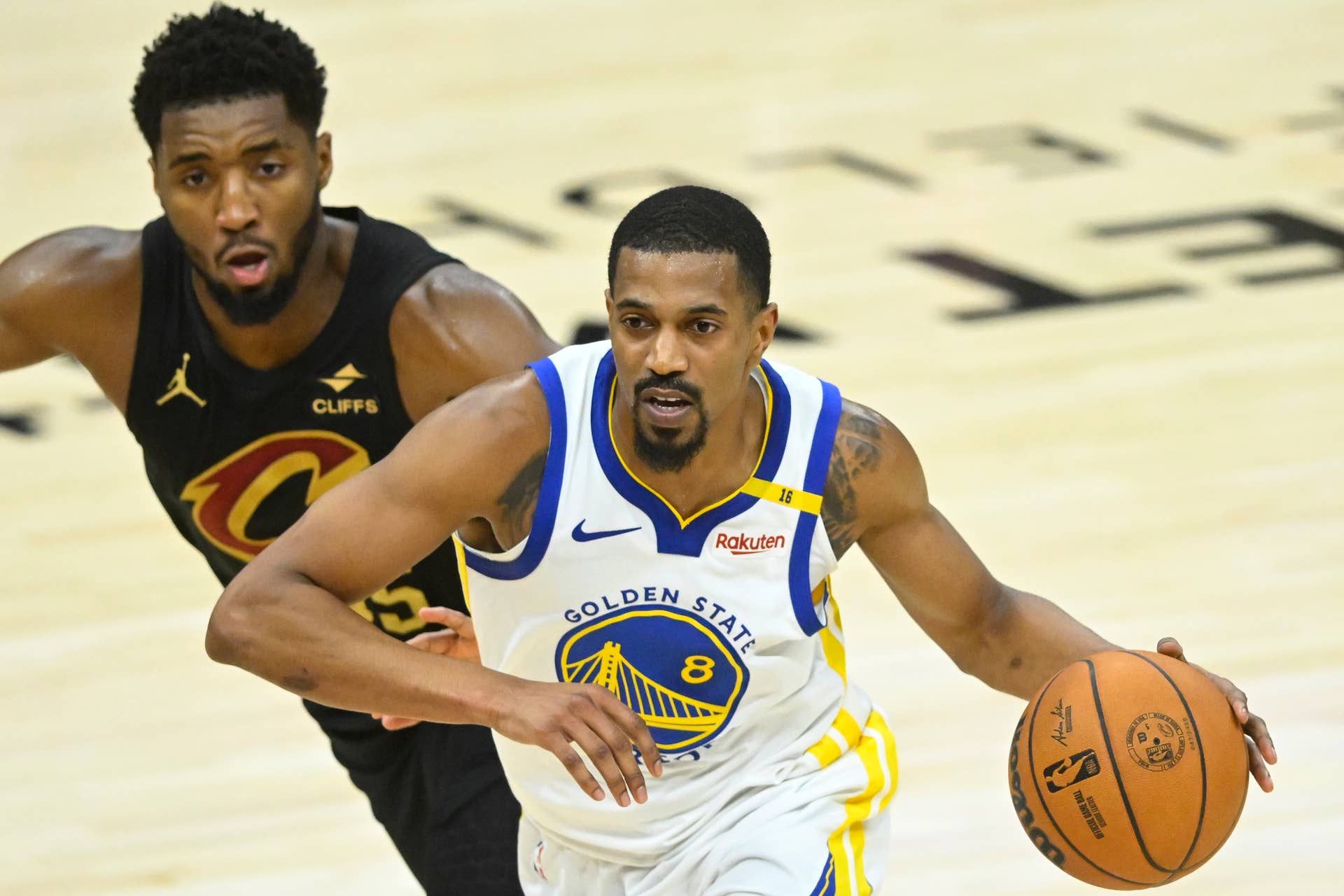
Same with De'Aaron Fox. Efficiency dips scare people. They shouldn’t. Volume and role still win in fantasy, and those don’t disappear overnight. Buying low isn’t about guessing the future. It’s about recognizing when the present has gone too far.
Sell hype before it sells you
David Gonzales-Imagn Images
This part matters just as much. Every deadline cycle creates its own fantasy stars. And not all of them last.
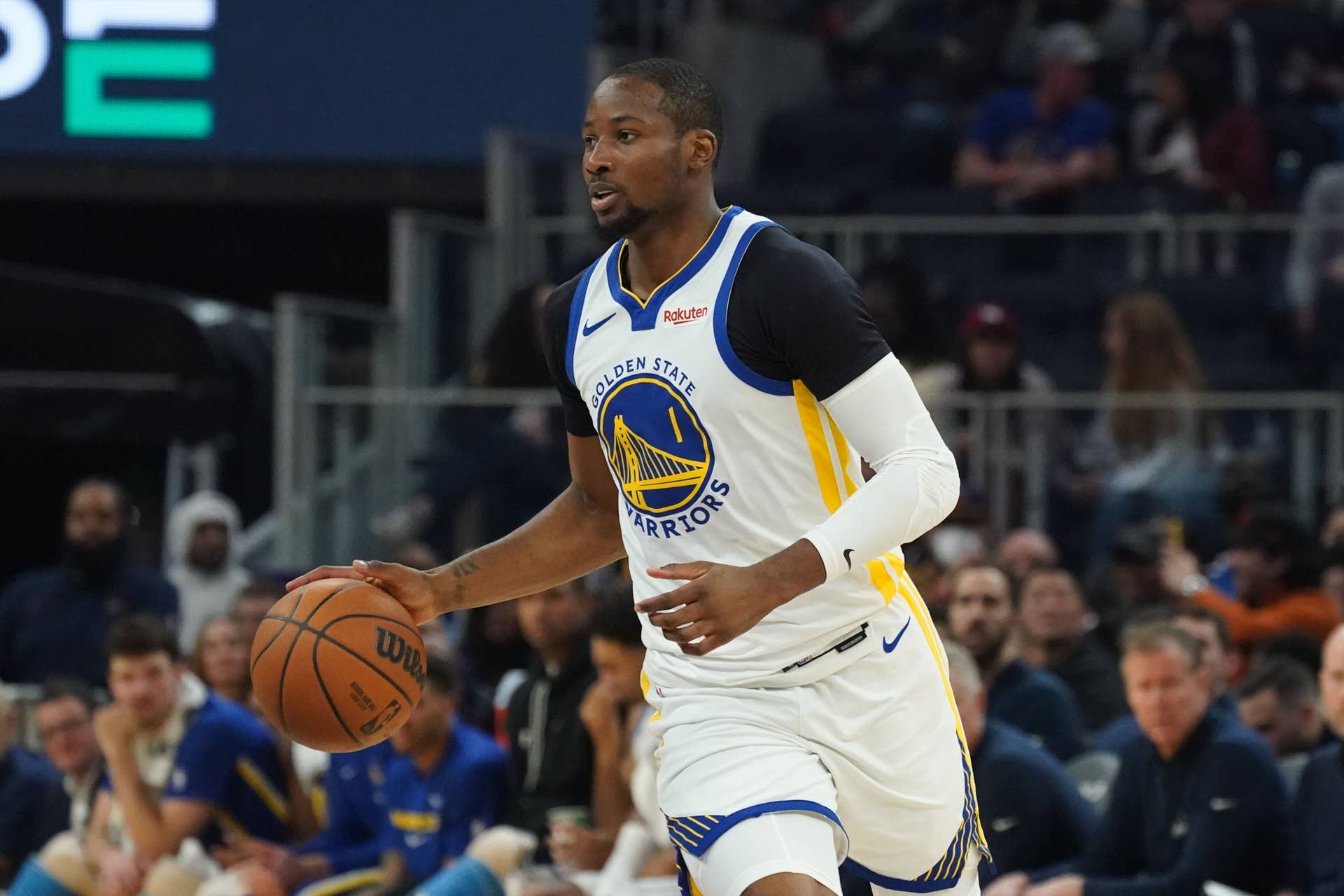
If a player’s value is built mostly on rumors instead of role, you should be listening closely. Jonathan Kuminga fits that profile right now. The upside is real. The athleticism is obvious. But hype doesn’t score points if nothing actually changes.
If someone in your league is paying for the version of Kuminga that only exists after a trade, let them. Cash out. Turn volatility into stability.
That same logic applies to anyone whose value is peaking on “what if” instead of “what is.”
Injured players are tools, not problems
© David Richard-Imagn Images
This is where discipline separates contenders from pretenders.
Injured players are annoying. They also create leverage.
If someone is close to returning and still discounted, that’s not dead weight. That’s stored value. Someone like De'Anthony Melton isn’t exciting, but he fills categories that matter once rotations tighten. Those players win playoff matchups while flashier names sit on waivers.
Just make sure you have an exit plan. Stashing only works if you know who gets cut when the time comes.
The quiet move that matters most
Brad Penner-Imagn Images
Leave yourself room. At least one flexible roster spot. Preferably two.
Deadline week always creates surprise value. A backup who suddenly starts. A rotation piece who becomes a 40-minute guy. If you’re forced to drop someone you actually like to chase that value, you’ve already lost the advantage.
The best managers aren’t faster. They’re ready.
Bottom line
This isn’t about predicting the deadline. It’s about preparing for it.
Stash upside before it’s obvious. Buy talent when frustration peaks. Sell hype before it fades. Keep your roster loose enough to move.
Do that, and when February 5 hits, you won’t be scrambling. You’ll be smiling.
People Also Ask
What are the smartest fantasy moves before the NBA trade deadline?
Stash upside players early, buy low on frustrated stars, sell rumor-driven hype, and keep roster flexibility.
Who should I stash before the 2026 NBA trade deadline?
Target players whose minutes would spike after trades, especially young frontcourt options on rebuilding teams.
Who are the best buy-low fantasy basketball targets right now?
Proven stars in stable roles whose recent slumps are driven by noise rather than usage or minutes.
Should I sell Jonathan Kuminga before the deadline?
Yes, if his value is built more on trade speculation than current role security.
How do I keep my fantasy roster flexible before the deadline?
Avoid overcommitting to fringe bench players and maintain at least one open spot for quick reaction adds.