


We’re at the point in the season where loyalty will get you fired. If you're heading into a playoff matchup, you can’t afford to be sentimental. Every night a player on your bench gives you a zero because they’re resting, your opponent is gaining ground. One dead spot is basically a forfeit in a close race. You have to be faster than the news cycle. Cutting a struggling star before they tank your week is how you win the trophy.
The “Name Brand” Trap

Veterans on Minutes Restriction
Drafting a star in the second round makes it hard for you to drop them later, but names don’t win trophies, stats do. As we approach the postseason, top-tier teams like the Cavaliers and Thunder prioritize the real-life standings over your fantasy team. You’ll see veterans like Joel Embiid or Kawhi Leonard skipping the back end of back-to-back sets or getting pulled early in blowouts to stay fresh for the NBA playoffs. If a veteran’s court time has dried up over the last week, they are dead weight. You need active bodies playing 30+ minutes, not legends watching from the sidelines.
Key Points:
Check the NBA's official box scores to see if a player’s minutes have dropped below their season average over the last 10 days.
Follow beat writers on X (formerly Twitter) to catch coaches mentioning "preservation" or "injury management" before the news hits the waiver wire.
Former Star, Shrinking Role
It is painful to drop a household name, but loyalty doesn't win championships. Look at veterans like Brook Lopez, who has moved into a reduced role with the LA Clippers. While he still sees significant minutes, his overall fantasy production has dipped to just 6.8 points and 2.6 rebounds per game this season. When a veteran's usage trends downward and their statistical ceiling falls, they become a liability. Those reliable block and rebound opportunities have dried up, and if they aren't providing winning stats, they shouldn't be on your playoff roster.
Injured Players With Unclear Timelines
© Jerome Miron-Imagn Images
The “Week-to-Week” Illusion
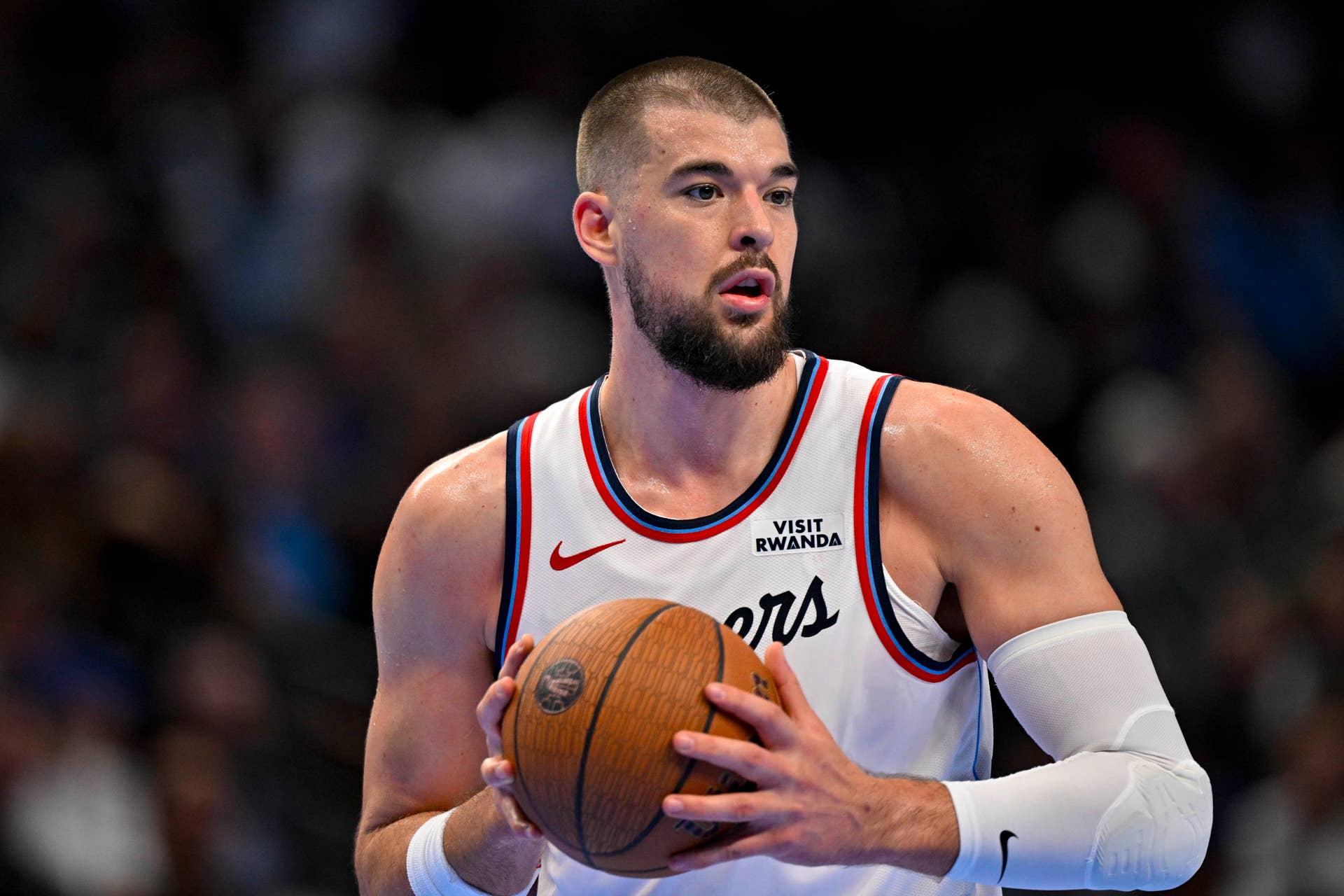
In the fantasy playoffs, "week-to-week" is often a polite way of saying "season over." Teams currently facing injury-riddled seasons, like the Indiana Pacers, have zero incentive to rush players back. For example, Ivica Zubac is currently sidelined with a left ankle sprain and has no clear timetable for his return. While you wait for a player to heal, your opponent is using that roster spot to stream active players who are actually racking up points for them right now.
IL Slot vs Active Bench
Roster flexibility is your greatest weapon during the home stretch. If your Injured List (IL) is already full with stars like Tyrese Haliburton, who is officially out for the season with an Achilles injury, holding another injured player on your active bench is a recipe for disaster. The opportunity cost of a zero-producing bench spot is too high. If a player’s return timeline exceeds 7-10 days, swap them for a streaming spot. Adding a high-volume replacement who is actually on the court provides the immediate stats you need to survive.
Low-Volume Role Players
Defensive Specialists
Defensive specialists like Alex Caruso can be a trap in the playoffs. While they might get you three steals in one game, they often go long stretches without scoring any points. In a head-to-head matchup, you need a balance of all stats to win. If a player only helps in one category, they are essentially a hole in your lineup. It is much better to drop them for a player who plays more minutes and touches the ball more often.
3-and-D Players With Inconsistent Minutes
Players who focus solely on threes and defense, like Jarred Vanderbilt, are very risky right now. Their scoring changes way too much from night to night, and their playing time often depends on the specific opponent. During the fantasy playoffs, high variance is your enemy. One bad game where they miss every shot can cost you the entire week. Instead of hoping for a hot shooting night from a role player with shaky minutes, prioritize players who have a guaranteed, high-volume role every single game.
Schedule Strategy Matters More Now
Kelley L Cox-Imagn Images
Four-Game vs Two-Game Weeks
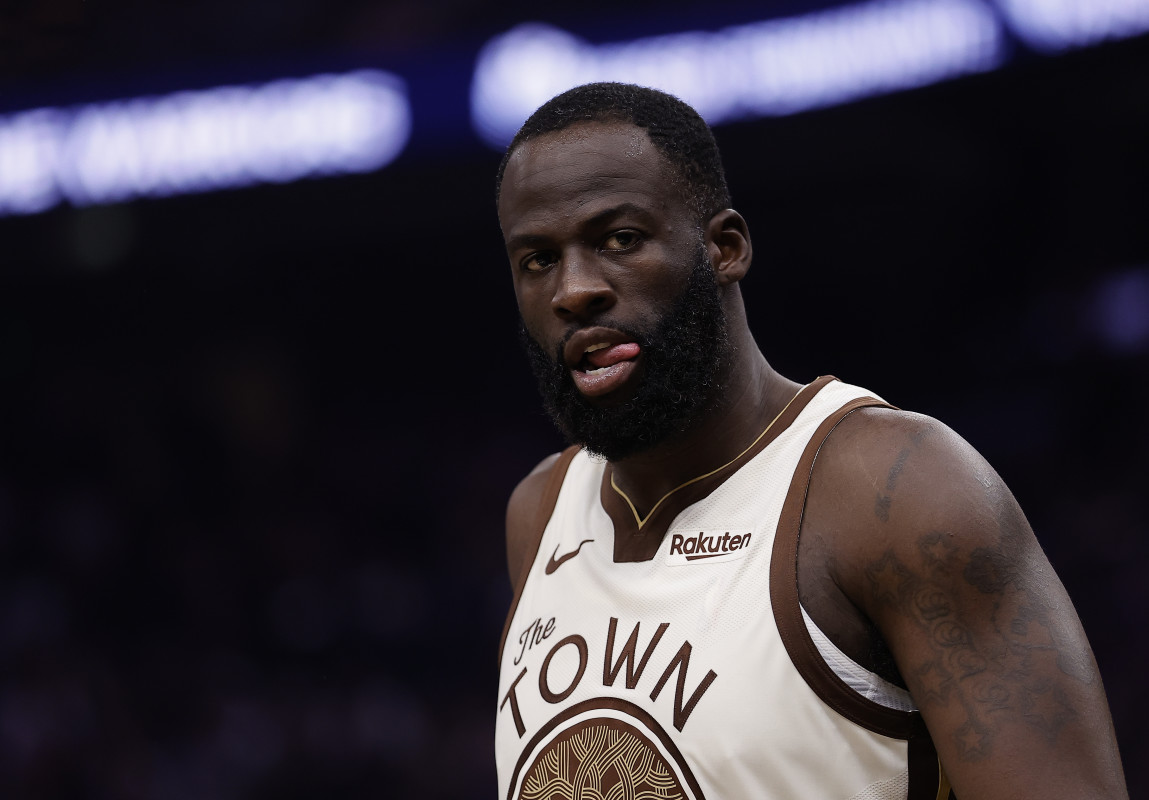
In a tight playoff race, the number of games played is the ultimate tiebreaker. You might love a player like Draymond Green, but if the Golden State Warriors only play twice while a waiver wire player plays four times, you have to make the move. That extra volume usually leads to more points, rebounds, and assists simply because the player is on the court more often. Over a full week, those extra two games can easily be the difference between moving on or going home.
Back-to-Back Exploitation
Smart managers look for back-to-back sets to squeeze every bit of value out of a roster spot. For example, the Golden State Warriors play on both February 24 and 25, allowing you to grab a short-term contributor for a quick 48-hour stats boost. By cycling through players who play on consecutive nights, you effectively turn one roster spot into six or seven games of production per week. This strategy helps you overwhelm your opponent by sheer volume in every category.
Who You Should Replace Them With
Usage Spike Players
When a star player gets injured or a team changes its direction, a backup suddenly gets the chance to shine. For example, with Tyrese Haliburton sidelined for the Indiana Pacers, players like Jarace Walker have seen a massive jump in their touches and shot attempts. These recently promoted players are fantasy gold because they go from benchwarmers to primary options overnight. Grabbing a player whose usage is spiking ensures you aren't just filling a roster spot, but actually replacing a star's lost production with someone who now has the same opportunity to score and facilitate.
High-Pace Team Contributors
In fantasy, more possessions mean more chances to stack stats. You should prioritize players from teams that play fast, like the Atlanta Hawks or the Miami Heat, who are currently among the league leaders in pace. Even a role player on a fast-breaking team can be more valuable than a starter on a slow, defensive team. Because these teams run up and down the court, there are more rebounds to grab and more shots to take. Betting on high-pace contributors is a simple way to maximize your team's total output during a do-or-die playoff week.
Conclusion
Fantasy basketball playoffs reward urgency and decisiveness. Sentimentality has no place in the final weeks of the season. If a player’s minutes are declining, if their team is resting veterans for a better draft pick, or if their schedule leaves you short on total games played, the decision to move on becomes clear. You cannot win a championship with players who are sitting on your bench or giving you half-hearted efforts. Roster spots are your most valuable currency right now. Spend them wisely by targeting active, high-volume producers who can actually help you win your matchup today.
People Also Ask About Dropping Players in Fantasy Basketball
When should I drop an injured player in fantasy basketball?
If their projected return extends beyond your current playoff matchup and you lack an available IL slot.
Should I drop a star with only two games in a week?
In head-to-head formats, a four-game streamer often outproduces limited weekly volume.
Are defensive specialists worth holding in playoffs?
Only if your matchup plan specifically targets steals or blocks and the minutes are secure.
How many games should I target each playoff week?
Maximize total games played within roster limits, prioritizing four-game players when possible.
Is streaming essential in fantasy basketball playoffs?
Yes. Streaming is often the deciding factor in tight weekly matchups.