


Free agency is coming. For fantasy basketball purposes, that is where things really begin.
Of course, the fantasy conversation is not about names alone. It is about situations. Roles. Opportunity. An NBA player can stay the same and still produce very different numbers just by changing teams.
This summer has a few headliners. It also has a handful of quietly important pieces. Both groups can help you.
Star Free Agents and Their Ideal Fantasy Fits
© Matthew Hinton-Imagn Images
High-Usage Scorers Needing the Right Environment
Start with LeBron James. At this stage, it is less about raw production and more about context. If he returns to the Los Angeles Lakers, the role likely stays similar. High usage in bursts. Managed minutes. Strong across-the-board numbers when active.
A move to the Golden State Warriors would shift things. More off-ball work. More efficiency. Fewer possessions run entirely through him. That could actually help his percentages while trimming counting stats slightly.
Then there is the wildcard. As in, a return to the Cleveland Cavaliers. That would be about fit and familiarity. He would not need to carry the offense. The assists and efficiency could spike. The scoring might dip. From a fantasy standpoint, it becomes a balance play rather than a volume one.
Next comes James Harden. All signs point to him staying in Cleveland. And that counts for a lot, because continuity is underrated in fantasy. He has already shown he can operate alongside Donovan Mitchell. The ball moves. The assists remain high. The scoring comes when needed. In that setting, Harden stays a steady multi-category producer without needing to dominate usage.
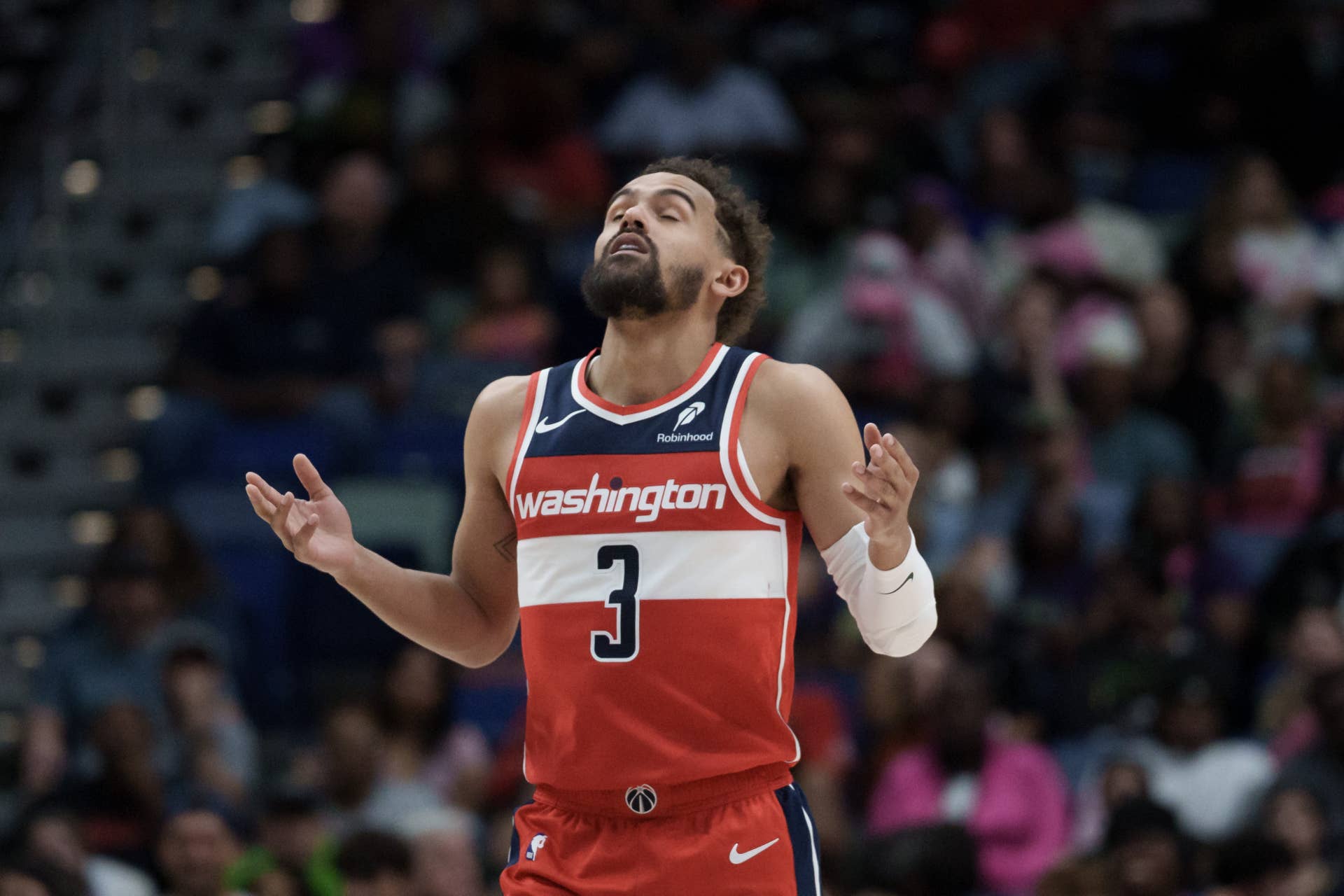
Trae Young is another interesting case. He is expected to remain with the Washington Wizards. That is not a bad thing for fantasy. It may actually be ideal. Washington will need offense. A lot of it. That means high usage, heavy minutes, and a green light. Points and assists should be there in volume, even if efficiency fluctuates.
Add Anthony Davis to that mix and the picture gets clearer. If Davis is healthy and active in Washington after a reset, Young benefits from having a legitimate interior presence. More assists. Better shot quality. That pairing has fantasy upside if both are available.
Mid-Tier Veterans and Breakout Candidates
Role Expansion Opportunities
This is where leagues are often won.
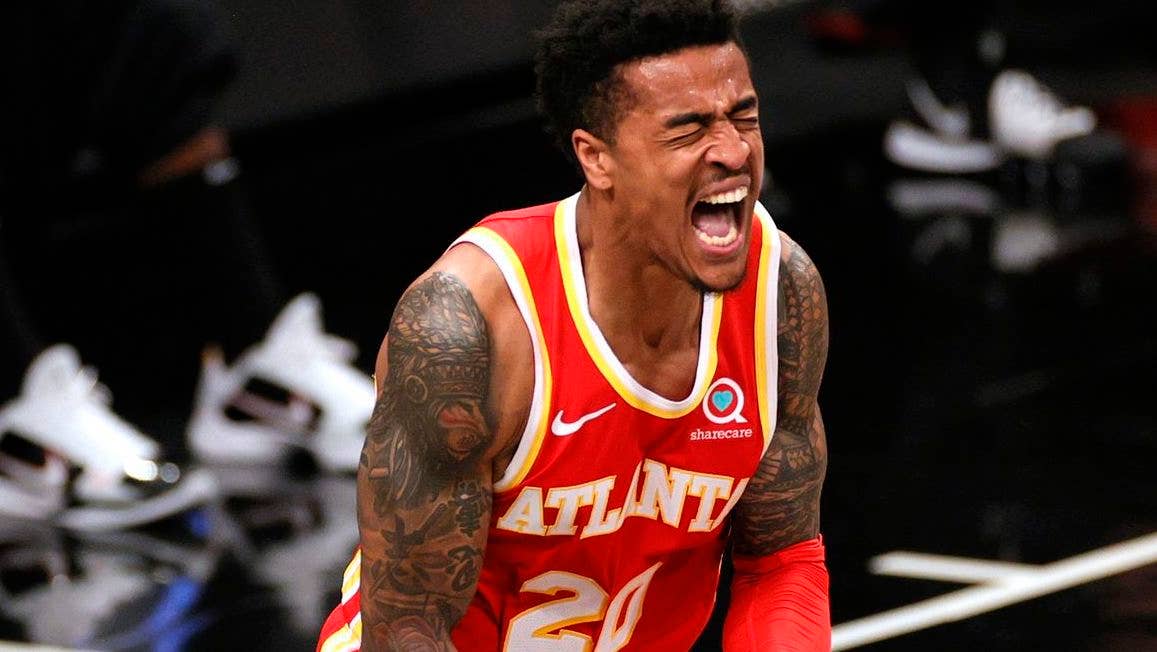
Los Angeles Clippers forward John Collins stands out right away. He is not flashy, but the numbers are consistent. Points. Rebounds. Solid percentages. If he lands with a team that gives him 30 minutes and a defined role, he delivers across categories. He does not need a perfect fit. Just a stable one.
There are always players in this range who benefit from clarity. A roster with open frontcourt minutes can turn someone like Collins into a reliable nightly option. A crowded rotation can push him to the edge of usability. That is the swing.
Keep an eye on free agent guards and wings who have shown production in limited roles. Those players tend to jump when given space. The difference between 22 minutes and 30 minutes is often the difference between a fringe option and a weekly starter.
The lesson here is simple: Talent matters. Opportunity generally matters more.
Big-Man and Two-Way Forward Fits
Jerome Miron-Imagn Images
Defensive Versatility and System Value
Frontcourt players are especially sensitive to fit.
A rim protector on the right team becomes a category winner. A stretch big in a spaced offense gains value quickly. These are not small shifts. They change how a player is used every possession.
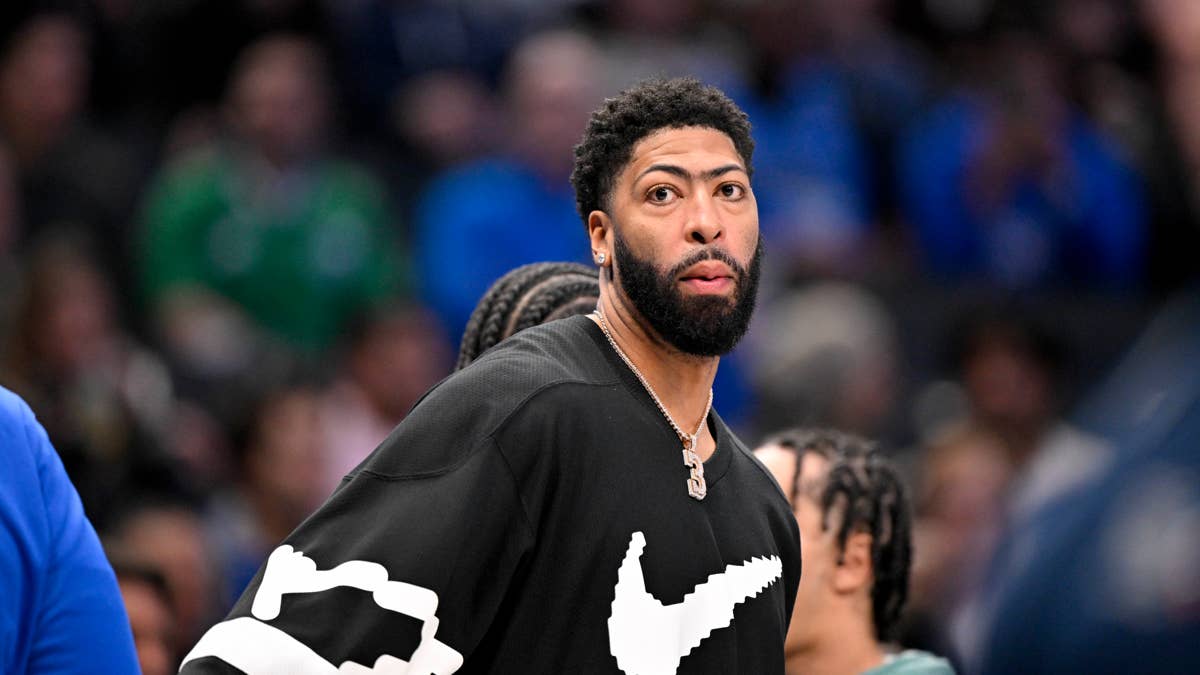
This is where someone like Anthony Davis again comes into play. In the right system, he anchors rebounds and blocks. In the wrong one, or with inconsistent availability, the value becomes harder to rely on.
Teams that emphasize pace and spacing tend to boost bigs who can move and shoot. Teams that rely on half-court defense boost traditional rebounders and shot blockers. Matching player skill set to team identity is everything here.
The Bottom Line on 2026 NBA Free Agency Fantasy Fits
This always comes back to role and stability.
LeBron James will produce wherever he goes, but the type of production will depend on the situation. James Harden in Cleveland is a reminder that fit can sustain value even without peak usage. Trae Young in Washington may not win games, but he can win fantasy weeks.
Mid-tier players like John Collins show how opportunity creates value without headlines.
Free agency will move fast. Roles will change. Depth charts will shift.
The managers who read those changes early are the ones who show up to draft season already ahead of the pack.
2026 NBA Free Agency Fantasy Questions, Answered
Which 2026 NBA free agents have the clearest fantasy upside based on landing spots?
Star scorers needing better spacing and versatile bigs who can stretch the floor top the list. The right team fit could add several fantasy categories to their production.
How do free agency fits affect 2026-27 fantasy basketball rankings?
A move to a team with open minutes or complementary talent can dramatically raise a player’s projected usage and efficiency, moving them up early rankings.
Should dynasty managers target these free agents before they sign?
Yes. Buying low on players projected for strong fits can create significant long-term value before the market sets their new ADP.
When will free agency fits become clearer for fantasy purposes?
The 2026 NBA Draft, free-agency signing period, and training camp will provide the most concrete information on roles and usage.
Are there any big men who could see major fantasy gains in 2026 free agency?
Stretch bigs and defensive anchors who land on teams needing frontcourt help stand to gain the most in rebounds, blocks, and overall minutes.


