


Oscar Piastri led the 2026 Japanese Grand Prix after overtaking Kimi Antonelli and George Russell from lap one. His pace was under control, his tires were stable, and he had clear air ahead of him. By the end, he was finishing second, staring at the back of a Mercedes he couldn't get within striking distance of for 25 laps.
According to F1 TV strategy analyst and former Ferrari race strategist Ruth Buscombe's Japanese GP debrief on her YouTube channel, the race wasn't lost on track; it was lost on the pit wall.
Oscar Piastri Was in Total Control, Until McLaren Intervened
Through the opening stint, Piastri was not just leading, he was getting faster. On laps 14 to 17, he posted lap times of 95.05, 94.905, 94.85, and 94.916 seconds. As Buscombe put it, that is not a tire going off; that is a driver in total control.
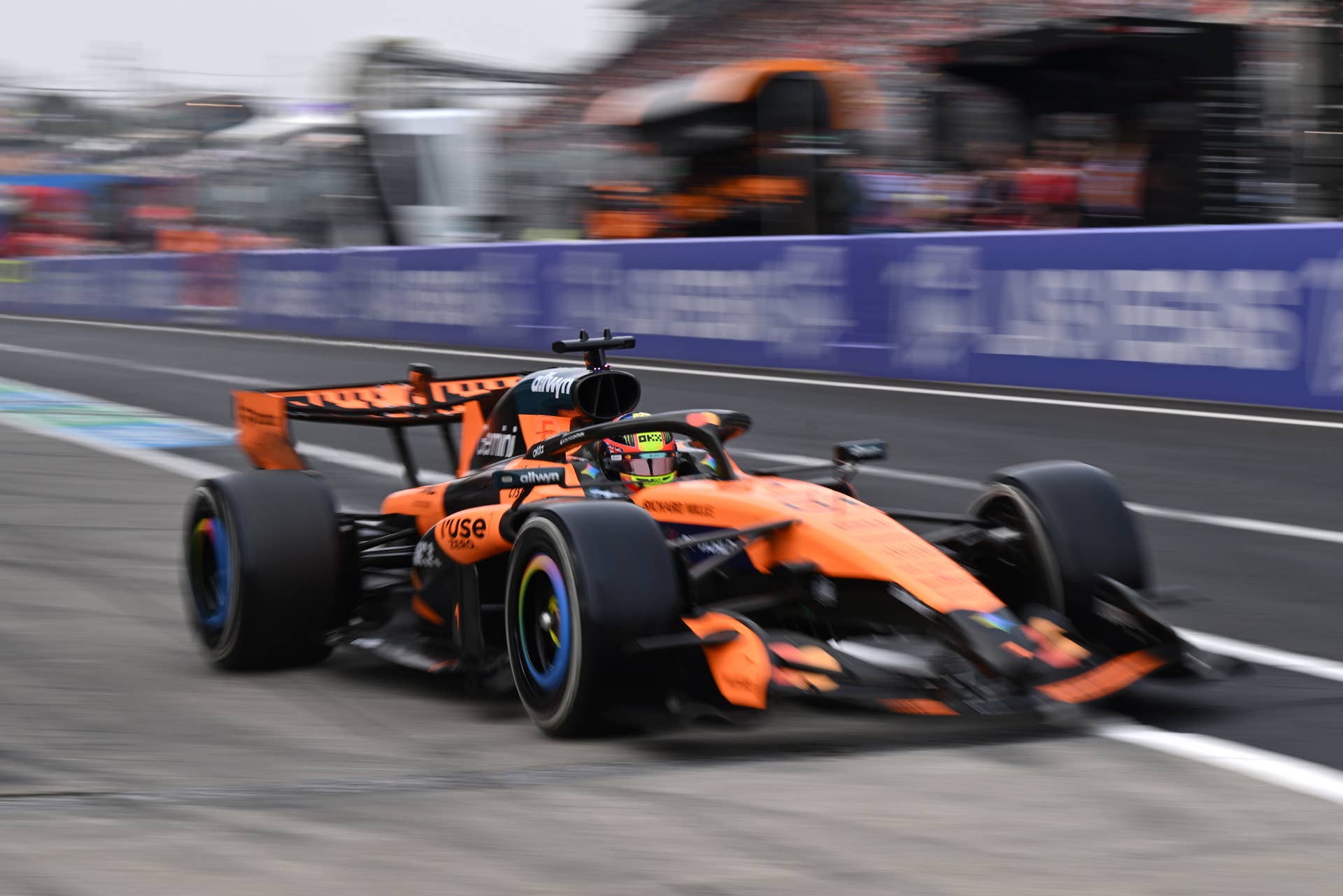
Photo by Sam Bagnall/Sutton Images via Getty Images
There was no tire cliff. There was no threat from behind that demanded an immediate response. And yet, on lap 18, McLaren brought Piastri in.
It Started With Lando Norris on Lap 16
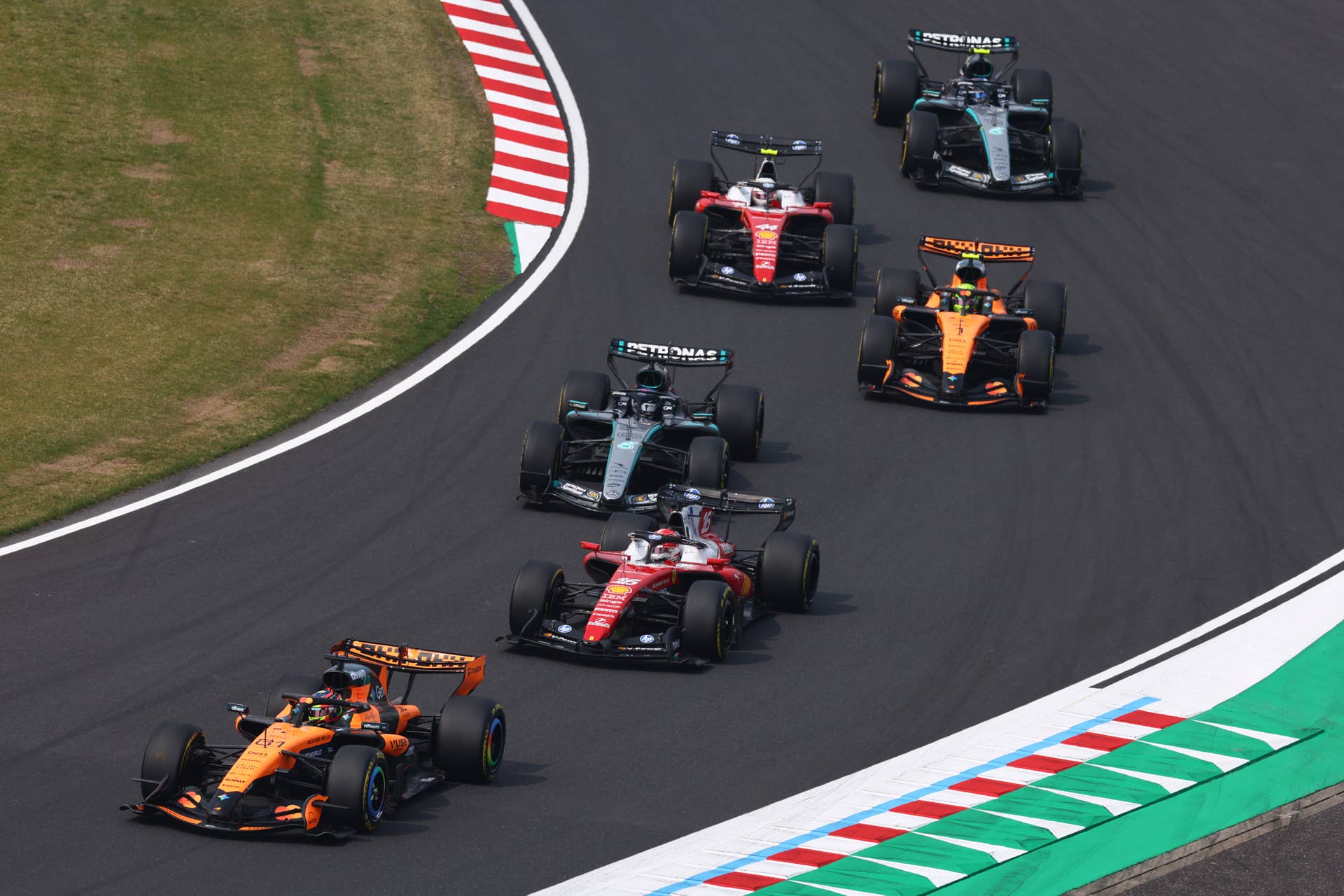
To understand why Piastri's race unraveled, you have to go back two laps earlier. On lap 16, McLaren pitted Lando Norris, the logic being to clear traffic, get onto fresh rubber, and attempt an undercut on the cars ahead.
On paper, it was reasonable. But Buscombe pointed to the data: Norris' average lap time from laps 11 to 15 was 95.482 seconds, compared to 95.2 seconds from laps five to 10. A drop-off of roughly a quarter of a second per lap, not nothing, but far from a crisis.
Andy Hone/LAT Images via Getty Images
More importantly, it triggered a chain reaction. Ferrari pitted Charles Leclerc on lap 17 to cover the Norris undercut. Standard procedure. But Mercedes, sitting in P4 with Antonelli, did not react.
"When a team has cars running in P3, P4, and they choose not to cover the undercut from behind, this tells you as a strategist one thing," Buscombe explained. "They have pace. They are not worried. They are sitting on something."
The Pit Stop Cascade and the Evidence McLaren Missed
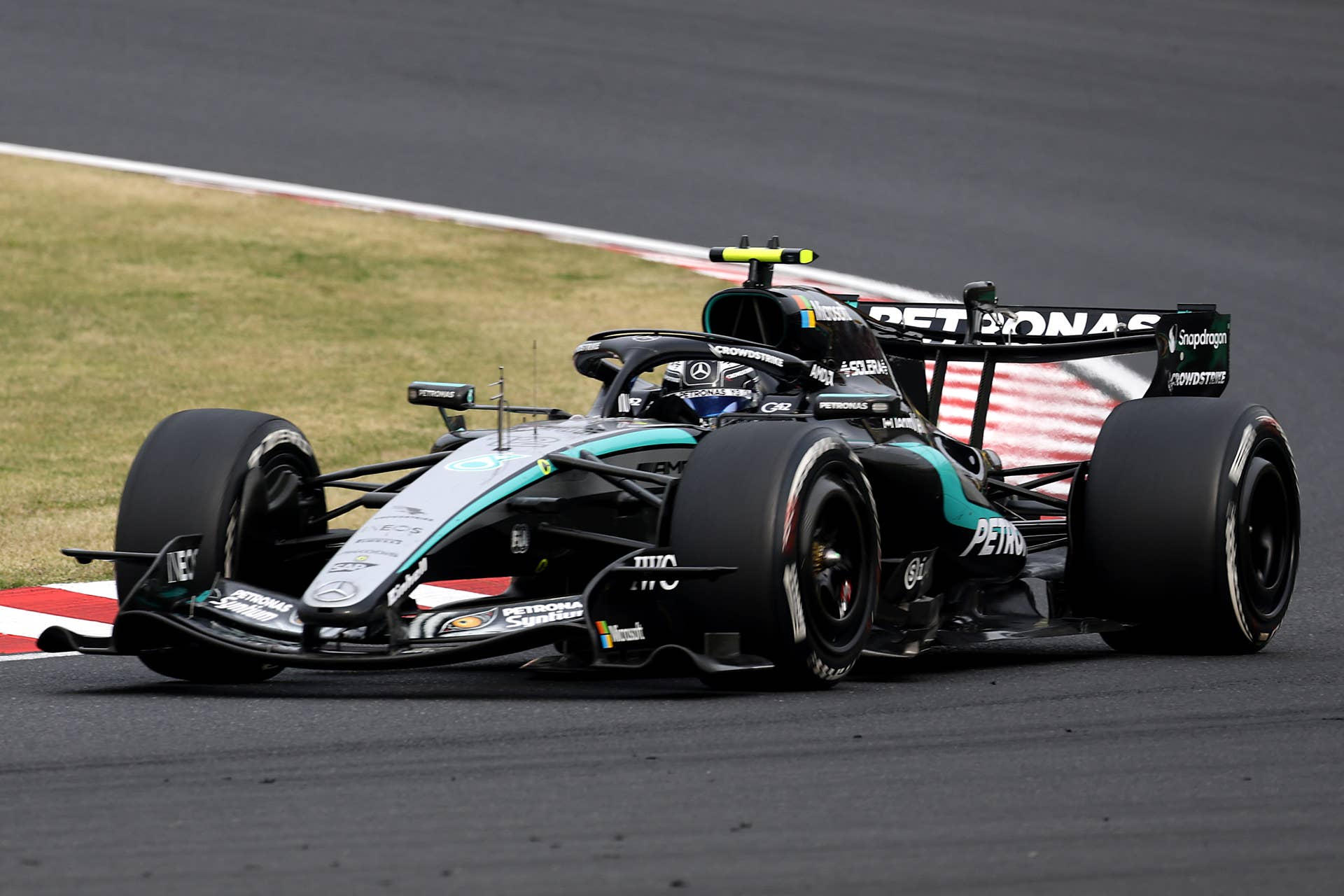
The moment Norris and Leclerc pitted, Antonelli had clean air for the first time. What followed was a masterclass in masked pace. Lap 17: 94.6 seconds. Lap 19: 94.3. Lap 20: 94.2. Lap 21: 93.9.
That last lap, 93.9 seconds on old tires, was faster than both Norris and Piastri on fresh rubber on the same lap. Buscombe was unambiguous: "That is a car and a power unit with a genuine deployment advantage, and the traffic had been masking that for 16 laps."
This was the moment McLaren should have paused. Mercedes staying out was the signal. Instead, on lap 18, they boxed Piastri.
Buscombe's question was pointed: who exactly were they covering? Leclerc had just pitted but was 24.9 seconds behind Piastri on cumulative time, more than enough margin for a comfortable stop. Russell was still out on old tires but was 3.2 seconds behind Antonelli, not Piastri. There was no genuine undercut threat to the race leader.
Mark Thompson/Getty Images
And crucially, a look across the entire first pit window told the full story: not a single driver gained a position through an undercut. Norris pitted on lap 16 and dropped from P6 to P8. Leclerc dropped positions. Piastri pitted and Lindblad covered. Everyone covered everyone, and nobody gained anything.
"One team blinks, the next covers," Buscombe said. "That's the crescendo effect."
The Cost of Getting It Wrong
With Piastri in the pits on lap 18, the young Italian driver inherited clean air behind Russell and began closing at half a second per lap on old tires. By lap 21, he had passed Russell for P2. Then Oliver Bearman crashed, the safety car came out, and Antonelli pitted for free on lap 22, losing 10.5 seconds instead of 22. He came out in P1.
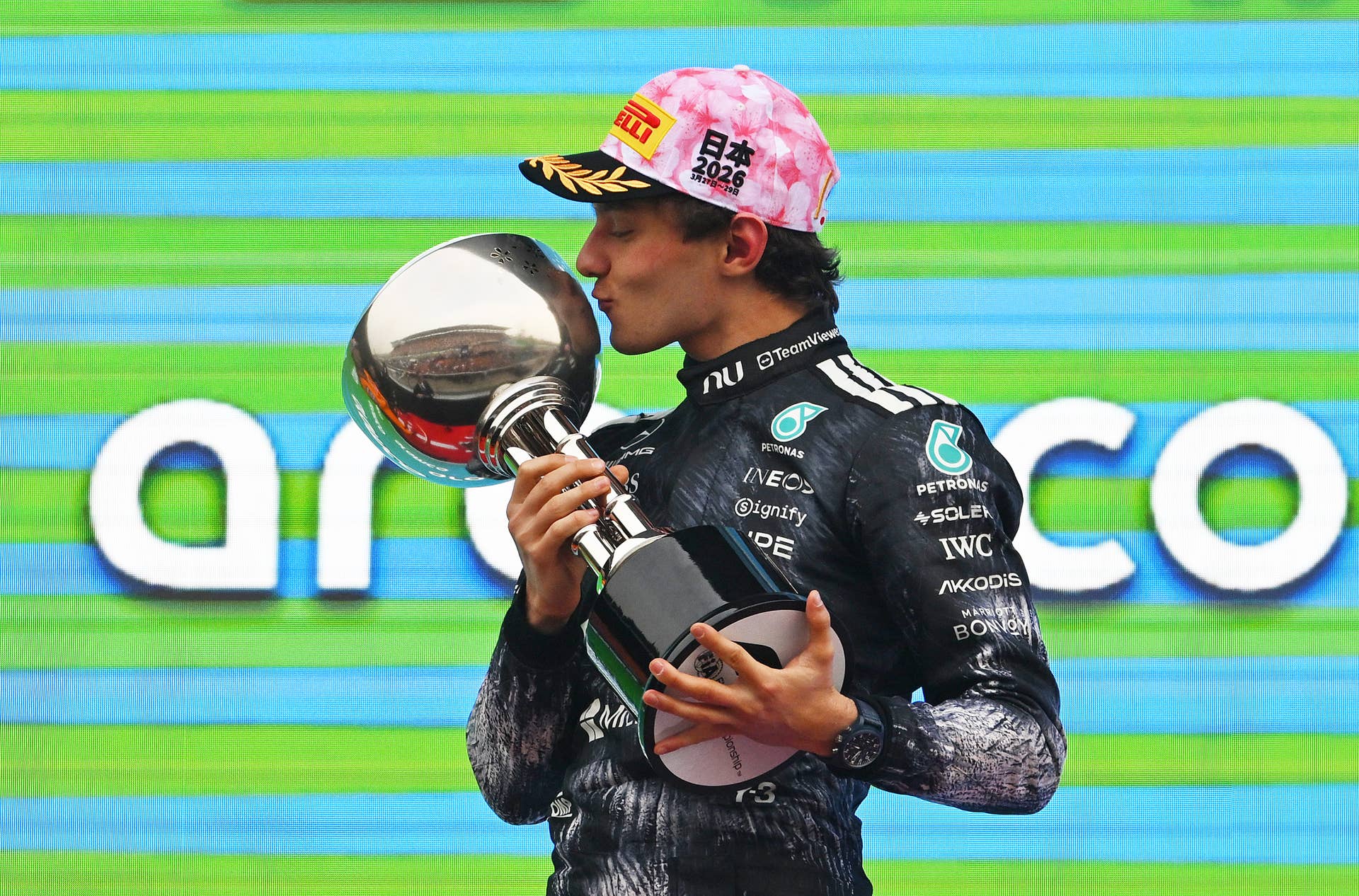
Photo by Rudy Carezzevoli/Getty Images
Had the McLaren driver stayed out until lap 21, he would have restarted at the front instead of P2. Whether he could have held Antonelli off is a separate debate. Buscombe believes probably not, given Mercedes' structural speed advantage through Suzuka's high-speed sections. But the race would have been a very different conversation.
Instead, Piastri spent the final 25 laps behind a Mercedes he couldn't pass once, unable to get close enough to even attempt a move.
The Lesson From Suzuka
Buscombe's verdict on the sequence was measured but clear. The decision to pit Norris on lap 16 was debatable, but defensible. The decision to pit Piastri on lap 18, after watching Mercedes refuse to react, was the one that stood out.
"It was a moment to pause, to read the room, and to trust the tires," she said.
The learning she took from it was simple: when the team with the fastest car does not react to your pit stop, do not make another one. They are telling you something. At Suzuka, McLaren didn't listen, and Antonelli didn't need to fight for a win that was handed to him.