


This one actually matters.
The trade sending James Harden to the Cleveland Cavaliers and Darius Garland to the Los Angeles Clippers isn’t just NBA deadline noise. It reshapes usage, pace, and fantasy ceilings on both sides. And it does it right before playoff races tighten.
Let’s get into what actually changes, and what doesn’t.
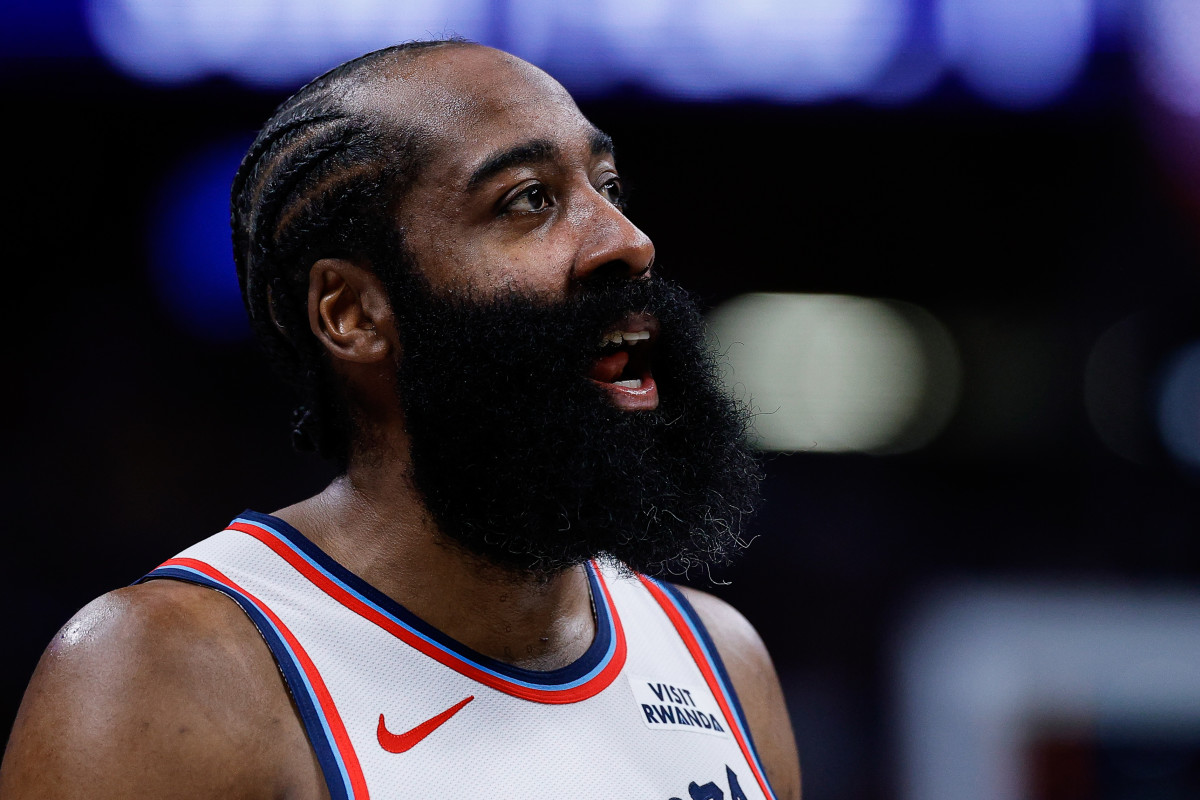
James Harden in Cleveland: Fewer Fireworks, More Control
Isaiah J. Downing-Imagn Images
Harden isn’t coming to Cleveland to be the entire offense. He’s coming to organize it.
That means the raw usage dips a little. You’re probably looking at something closer to 22–24 points per night instead of the mid-20s. The assist number likely settles in the 7–8ish range. That’s down slightly, but it comes with cleaner looks and better efficiency.
The Cavaliers have spacing. They have some shooters. And most importantly, they have Donovan Mitchell, who doesn’t need help creating his own shot. Harden’s role becomes simpler. Initiate. Manipulate. Pick spots.
Fantasy translation? Harden stays solid. Top-30 type value. Lower ceiling nights, fewer blowups, but also fewer duds. In head-to-head formats, that consistency plays.
The risk is age. Thirty-six doesn’t forgive heavy minutes forever. But Cleveland didn’t trade for Harden to grind him into dust. They traded for him to steady things.
Cleveland Ripple Effects: Subtle Shifts, Not Earthquakes
Trevor Ruszkowski-Imagn Images
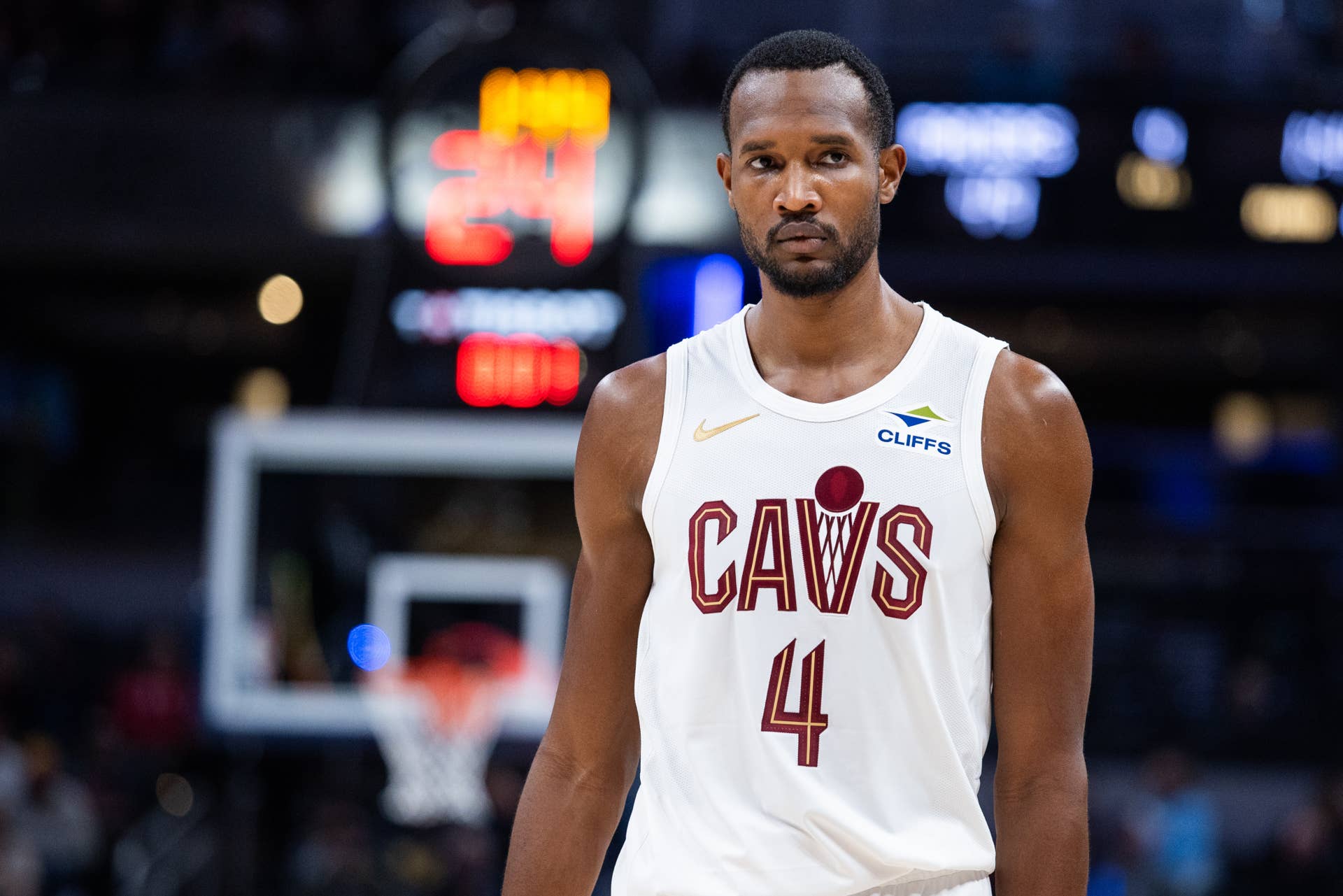
Mitchell’s scoring doesn’t suffer. If anything, his efficiency ticks up. Fewer forced shots. More catch-and-attack possessions. The assist total probably slides a bit, but not enough to panic.
The more interesting name is Evan Mobley.
Mobley still matters. But Harden running more pick-and-roll means fewer scramble rebounds and fewer weak-side block chances. Expect a slight dip in boards and stocks. Not a collapse. Just a notch down.
Jarrett Allen might quietly benefit. Harden loves reliable lob threats. Allen’s floor stays intact.
Darius Garland With the Clippers: Freedom Restored

© Scott Kinser-Imagn Images
This is where fantasy managers should lean forward.
Garland didn’t leave Cleveland because he failed. He left because the ecosystem got crowded. In Los Angeles, the ball is his again.
He becomes the primary organizer. The primary initiator. The guy who decides pace. That matters.
Expect usage to jump back into the high 20s. Points in the 20–22 range are realistic. Assists climb. The Clippers play faster than Cleveland, and Garland fits that rhythm.
Efficiency should hold, too. Kawhi Leonard bends defenses even when he’s not dominating possessions. That gravity helps Garland more than it hurts him.
Health is the variable. Garland’s missed time this season, and that doesn’t vanish. But when he’s on the floor, the fantasy profile improves.
Clippers Ripple Effects: Depth Matters
This isn’t a team where one guy explodes because another left. The Clippers don’t work that way.
That said, Kris Dunn becomes relevant in deeper formats. He’ll soak up backup point guard minutes and can flirt with five to seven assists on the right nights. Not a league-winner. A streamer with purpose.
Ivica Zubac benefits quietly. Garland’s timing on lobs and interior passes is clean. Rebounds stay steady. Easy points add up.
Kawhi stays Kawhi. This trade doesn’t change his fantasy calculus.
So Who Actually Wins This Deal in Fantasy?
Short term? Garland.
His role expands. His usage climbs. His fantasy profile looks cleaner and easier to project. In redraft leagues, he’s the more appealing piece.
Harden doesn’t lose. He just stabilizes. That’s still valuable, especially for teams that don’t need hero ball every night.
The losers are minimal. That’s what makes this trade interesting. It’s a redistribution, not a detonation.
Summary
If you roster Harden, you hold. You’re getting steadier production, not fireworks.
If you roster Garland, you lean in. This is the kind of environment fantasy guards thrive in.
And if you’re scanning waivers, Dunn deserves a look in deeper leagues.
This trade won’t flip leagues overnight. But it will quietly shape playoff races for managers who understand what actually changed, as well as what did not.
People Also Ask
What is James Harden’s fantasy value after the trade?
Harden profiles as a steady top-30 fantasy option, with slightly fewer assists but improved efficiency in Cleveland.
How does the trade affect Darius Garland in fantasy?
Garland’s usage and assists rise in Los Angeles, pushing him toward top-40 value when healthy.
Does this trade hurt Donovan Mitchell’s fantasy production?
Mitchell’s scoring remains stable, while assists may dip modestly due to Harden handling more initiation.
Should fantasy managers worry about Evan Mobley after the trade?
Mobley remains a hold, though rebounds and defensive stats could regress slightly in a Harden-led offense.
Who is the biggest fantasy winner from the Harden–Garland trade?
Garland benefits most short term, while Harden offers safer but lower-ceiling production.