


Any baseball fan can tell you that Jacob Misiorowski throws gas. What they might not also know is that his fastball has actually gotten faster as the 2026 season has rolled on.
In fact, The Miz leads a group of flamethrowers who have seen an uptick in their four-seam fastball velocity this summer. Their pitch command also improved, showing real improvement on the mound and not just a hot streak.
Fantasy managers should know who the velocity climbers are as the second half of the season gets underway.
The Command Confirmation Test: K% and SwStr%
Velocity gain isn’t much on its own. What good is an extra fast four-seamer if it’s not going to hit the strike zone, right?
For a velocity gain to be positive, strikeout rate (K%) and swinging-strike rate (SwStr%) should also increase to indicate that pitch command is high. Elevated velocity without more swinging-strikes and strikeouts won’t help a pitcher dominate or get out of a jam. But, if pitch velocity goes up and fools more batters into swinging and missing (and then striking out), then the pitcher is in control.
Jacob Misiorowski's Jump Leads the Way
Jordan Godfree-Imagn Images
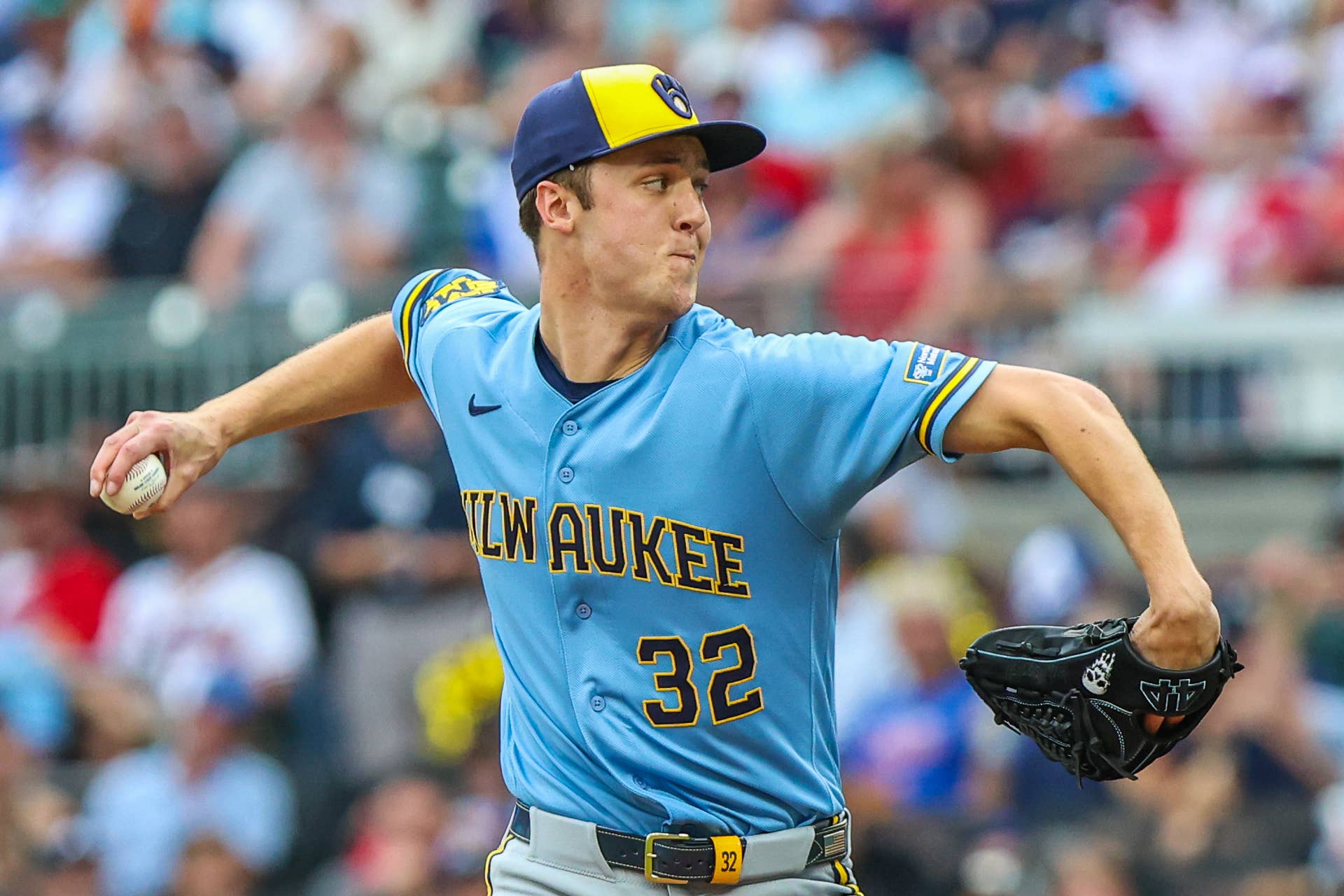
The Miz’s fastball velocity already averages a league-leading 100.5 mph on the season. The velocity has actually increased month over month, coming in at 99.1 mph in April and steadily rising. CBS Sports confirms the Brewers starter shattered his own velocity record with a 105.5-mph fastball velocity on June 26.
His command hasn’t wavered during this meteoric rise. StatMuse confirms Misiorowski’s K% rose from 34.2% in April to 41.9% in May, and has hit 45.7% in July ahead of the All-Star break. He’s fooling opposing batters as well, leading the MLB with a 17.2% SwStr rate, per FanGraphs.
Justin Wrobleski Found Something in May
Scott Marshall-Imagn Images
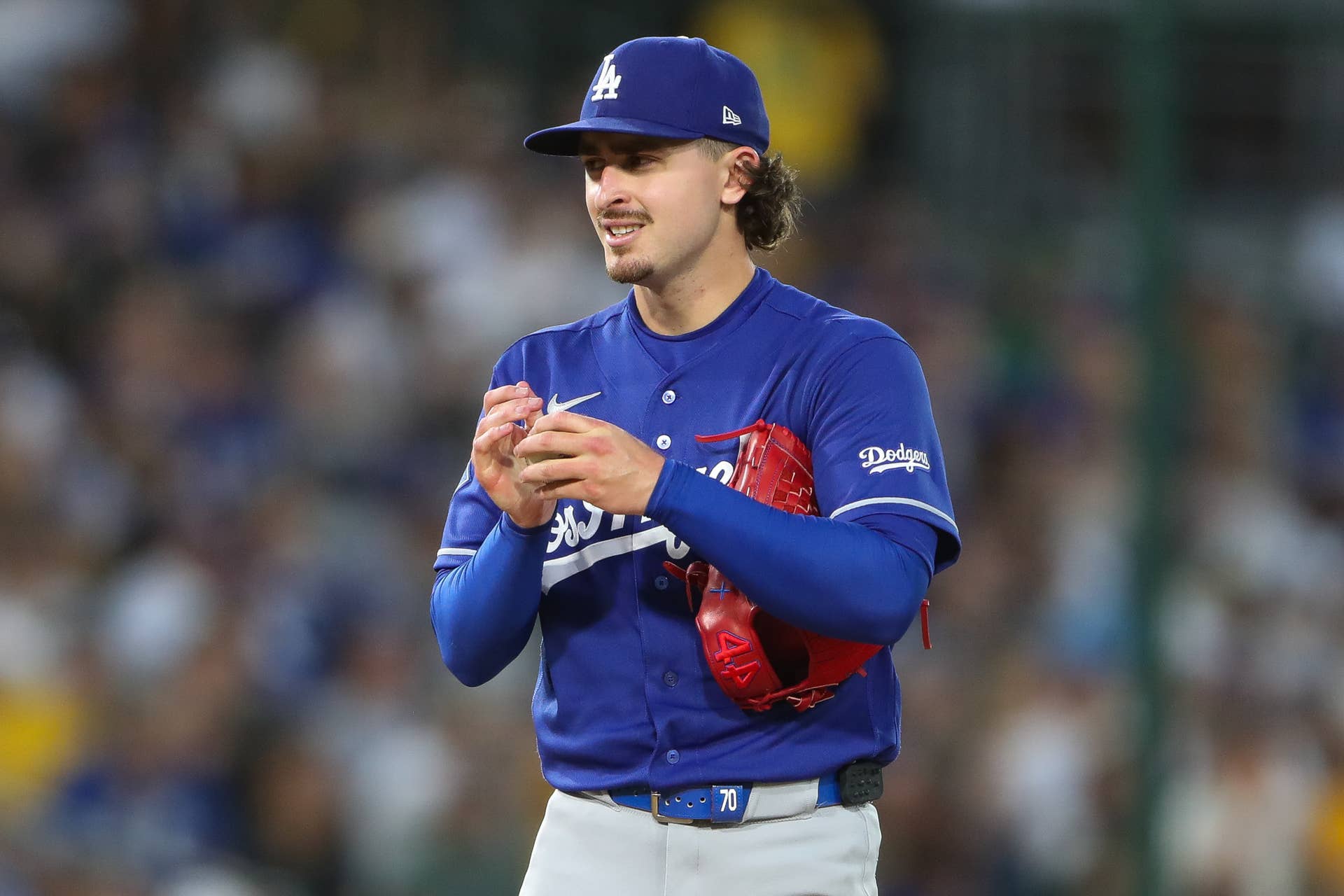
For Dodgers southpaw Justin Wrobleski, it was a mechanical fix early in the season that made his velocity soar. He was averaging a 93.7-mph fastball velocity in early May, which was a dip from his 2025 Statcast profile. But that number ticked up to 94.9 mph by the end of the month, and eclipsed 95 mph in late June.
As with Misiorowski, Wrobleski’s command kept pace. His K% climbed from 12.6% across March and April to 19.1% in May and 19.8% in June, according to FanGraphs. His SwStr% has also climbed each month, swinging from 10.5% in May to over 12% in June.
The Rest of the Board, and Notes for 2026 Fantasy Baseball Managers
Jerome Miron-Imagn Images
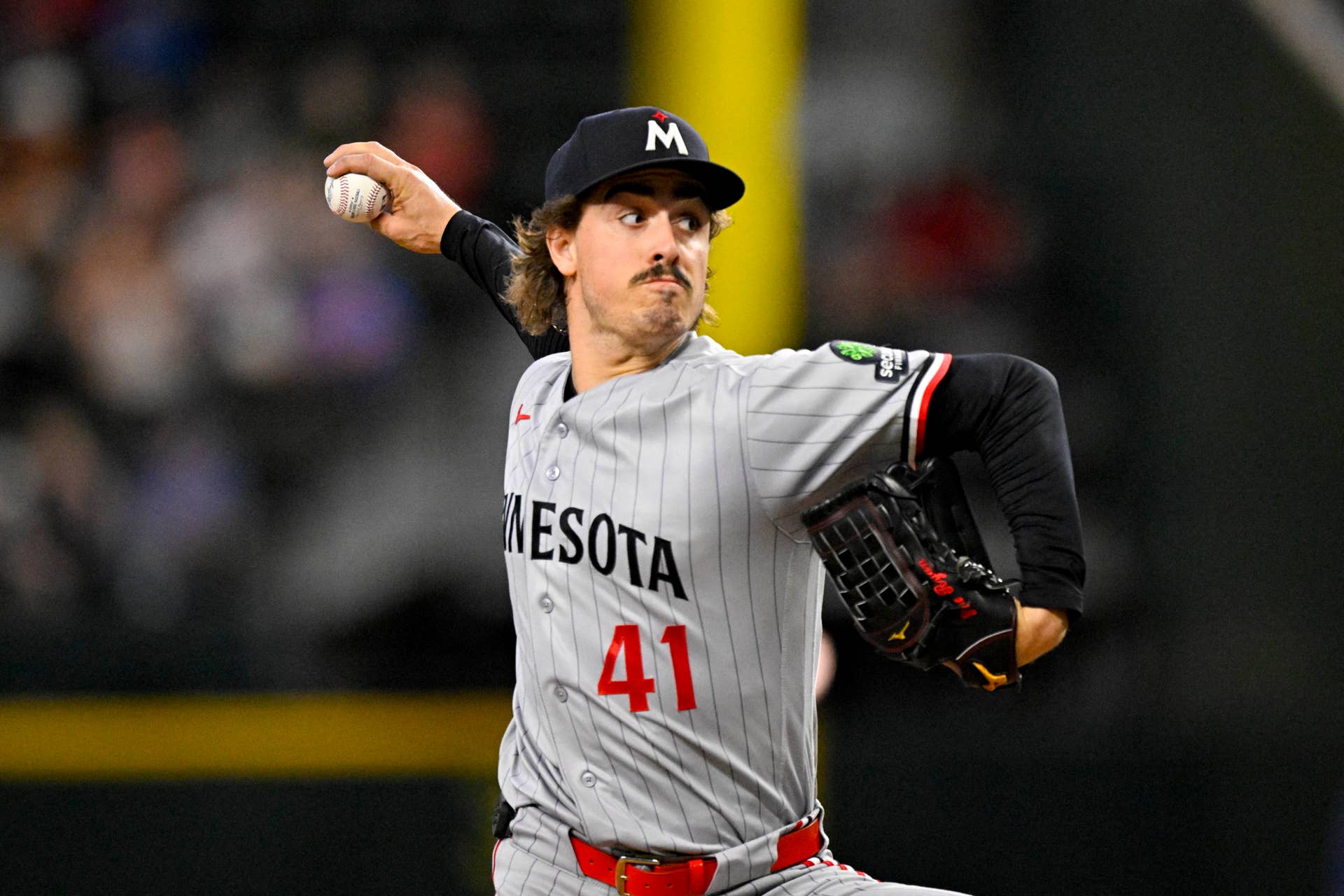
Joe Ryan’s fastball velocity has fluctuated over his career, but MLB.com notes the command of his four-seamer keeps pitchers guessing. So it makes sense that the Twins right-hander has maintained a solid 11.7% swinging-strike rate in 2026 while his velocity improved from roughly 93 mph in May to over 94 mph in June.
The same goes for Sean Burke. The White Sox starter has seen his fastball velocity climb from sub-94 mph in April to 95-96 mph in June. The command hasn’t wavered, and Burke’s strikeout rate has skyrocketed from 18.0% in March and April combined to 26.3% in May and 29.9% in June.
The trend is clear. Elevated fastball velocity alone is one thing. Pair it with good pitch command, and more batters will get fooled and strike out. That makes this pack of pitchers (with heightened velocity plus heightened strikeout rate) good additions to fantasy rosters in the second half of the season. Misiorowski and Wrobleski are rostered in most leagues, but Ryan and Burke may be available off waivers and would be a steal if the rest of your league isn’t privy to these velocity gains.
Managers looking for more in-depth ways to target MLB pitchers on the rise can stay up to date with Athlon’s ongoing 2026 Fantasy Baseball coverage.
Questions About Jacob Misiorowski And Other Velocity Climbers, Answered
Why does Jacob Misiorowski's velocity gain matter for fantasy baseball?
Misiorowski’s fastball has continued to gain velocity as the season has progressed while his strikeout rate and swinging-strike rate have also improved. That combination suggests the added velocity is translating into better results rather than simply producing harder fastballs without improved effectiveness.
What is the confirmation step that separates a real velocity gain from noise?
A meaningful velocity increase should be accompanied by higher strikeout and swinging-strike rates. When those metrics rise alongside fastball velocity, it indicates the pitcher is generating more swings and misses while maintaining the command needed to turn added velocity into better performance.
Are any of these pitchers still available on the waiver wire?
Misiorowski and Wrobleski are rostered in most leagues, but Joe Ryan and Sean Burke may still be available depending on league depth. Managers who identify those velocity and strikeout trends before the rest of their league could find strong second-half additions.
Why did Justin Wrobleski's fastball velocity improve during the season?
Wrobleski’s improvement followed a mechanical adjustment early in the season. As his fastball velocity climbed through May and into June, both his strikeout rate and swinging-strike rate also improved, providing additional evidence that the increased velocity was contributing to better results.


