


When football teams field an onside kick, they often field their “hands team.” Spring training has barely started, but MLB is already fielding its own version of a hands team – more accurately a hand injury team.
Francisco Lindor, Jackson Holliday, and Corbin Carroll have each been felled with injuries to the hamate bone, a small bone in the base of the hand.
Hamate bone injuries are not new to baseball and most often happen in spring training or early in the season. Recovery time from surgery is typically 4-8 weeks, specifically about six weeks in most cases. While a player’s power is eventually restored, many players struggle in the first month upon their return.
Before looking at the prognoses for Lindor, Holliday, and Carroll, let’s gather in the Athlon Sports lecture hall and learn more about the hamate bone, why it’s a common baseball injury, and how players in the past have returned from injury and surgery.
What Is the Hamate Bone?
The hamate bone is one of eight small bones in the base of the hand called carpal bones. These bones form two rows of four to connect the wrist with the hand. According to the American Academy of Orthopaedic Surgeons, “the bone connects the wrist to the hand, specifically supporting the … bones of the ring and small (pinky) finger.”
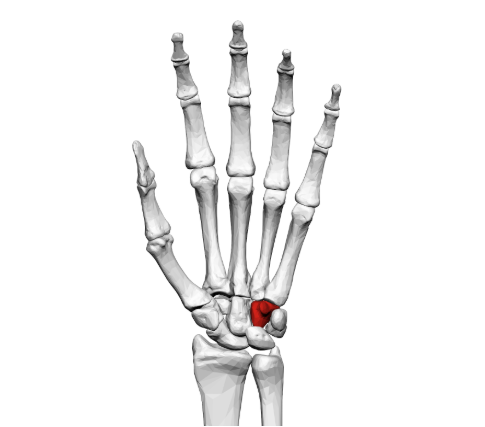
Most baseball injuries occur in what is known as “the hook of the hamate,” or a piece of the bone that sticks out from the hamate toward the palm near the pinky finger.
The hamate bone is surrounded by arteries, nerves, and tendons that can be damaged by a hamate bone fracture. The injury can be more serious if it is considered a displaced fracture, in which bone fragments move from where they normally reside. Further, if a hamate bone fracture is untreated or does not heal, the jagged edges of the bone can scrape against the tendons, further weakening a person’s ability to grip or make a fist. So treating the injury with surgery immediately is usually the option baseball teams choose.
The injury occurs almost always in two ways in baseball. The first is in the bottom hand on the bat when a hitter checks his swing or fouls a ball off. Often the force of the knob of the bat against this protruding bone causes stress or a fracture to the bone. The second typical occurrence is a catcher simply catching a forceful pitch directly against the bone. So if you’re catching Paul Skenes, you might want extra padding in that catcher’s mitt.
Recovery Timeline After Hamate Surgery

© Brett Davis-Imagn Images
Players typically get back to the field in about six weeks. Because the injury most often occurs in the non-dominant hand, players almost always return to full strength shortly after their return. However, players often struggle to achieve their typical power levels in the first month, but not always.
Contact skills usually return more quickly than a hitter’s slugging numbers. The strength of a hitter coming off a hamate fracture varies from player to player, but the severity of the injury may impact the timetable for a power surge.
Look at power metrics such as HR/FB% and ISO to gauge a player’s early recovery to full power.
Last season, Mets catcher Francisco Alvarez famously struggled after a spring hamate bone fracture, logging just one HR in his first 28 games. He struggled enough to warrant a trip back to the minor leagues. He returned to have an excellent second half, registering his highest career OPS, but in all managed just 11 HR.
In 2019, Matt Olson returned in early May from hamate bone surgery and launched seven HR in his first month back, finishing with 36 on the year.
What we do know is players almost always return in six weeks, but what you get right out of the chute is up in the air.
How to Value Key Players
Because this injury has felled two top-20 picks in Lindor and Carroll plus a talented young player in Holliday, it has gained much attention. Even if the power does not immediately return to their bats, these players — if they return around Opening Day — should return most of their expected value.
Francisco Lindor
Lindor is a multi-category contributor whose power profile is not as critical as his steals and runs, which should remain largely unchanged. He will fall maybe a half-dozen draft spots from his current ADP of 17, but I see him as a potential bargain in auction leagues with cautious owners.
Corbin Carroll
MLB Makes Historic Corbin Carroll Announcement on Sunday
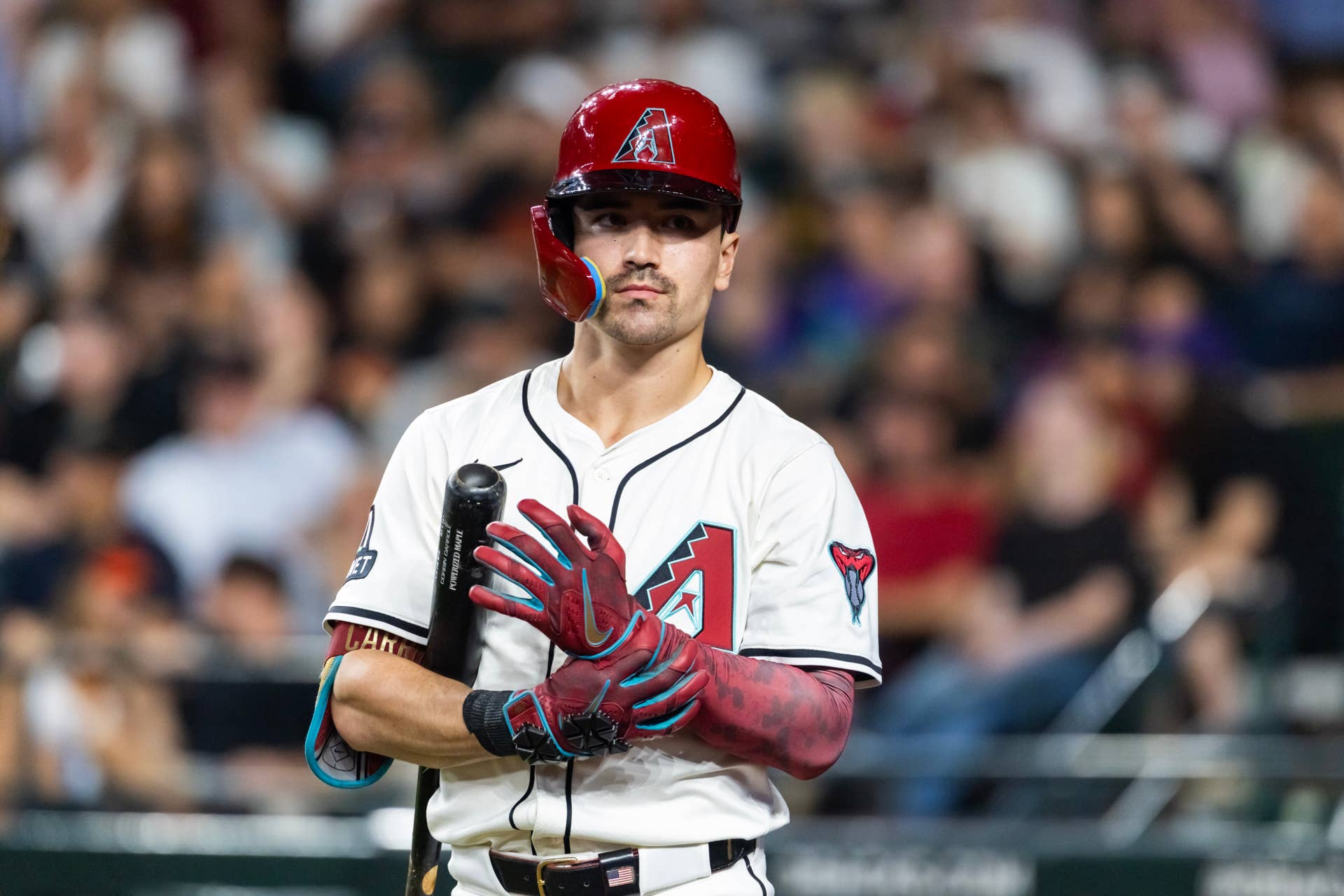
Carroll is gifted with good speed, which can help hide any temporary dip in power, but he too stands to lose draft slots, which is good news for those who pick early in the second round of drafts. Yes, he has created an injury-laden history, but we know so much about hamate bone injuries that this could be considered an outlier.
Jackson Holliday
© Brian Fluharty-Imagn Images
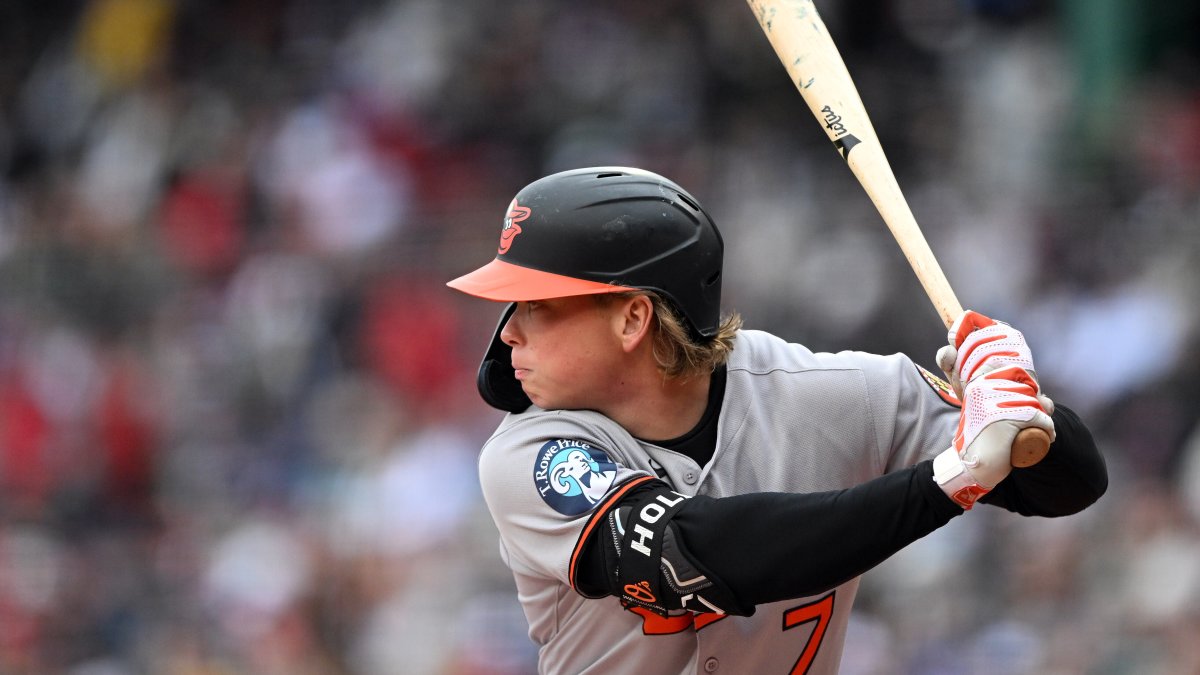
Holliday, still just 22, was expected to be the Orioles’ everyday second baseman in a crowded infield. His mix of power and speed, as with Lindor and Carroll, will help owners endure any power dip. But track his ADP (currently 130) to see how far he falls. The further down he goes, the more he can be a nice surprise at a pretty weak fantasy baseball position.
What Should I Be Monitoring When They Return?
When each player returns, track exit velocity, barrel rates, and their power to the opposite field for early indications of immediate power output.
Hamate bone injuries sound scary. Any hand or wrist bone impacts bat speed, power, and explosiveness. But we know that surgery shelves players for about six weeks, they almost always return in that timeframe, but some do struggle to initially gain their normal power. Because they eventually return to their norms fairly quickly if not right away, they might represent bargains at reduced draft slots or prices.
I would still draft and bid on each of these players with confidence they will return to form. Maybe knock off a HR or two from their expected totals, but all else should be fine.
What Are People Asking About Hamate Bone Injuries?
What does the hamate bone do?
It supports wrist stability and grip strength, crucial for swinging a bat.
How long does it take to recover from hamate surgery?
Most MLB players return within 4-8 weeks, though power can lag longer.
Do players lose power permanently after a hamate injury?
Most regain full strength, but short-term home run production often dips.
Should I avoid drafting hitters recovering from hamate surgery?
Not necessarily — apply a small draft discount and monitor underlying metrics.
Are wrist injuries worse for power hitters?
Yes, because bat speed and grip strength directly affect slugging.