


A month before Haeran Ryu lifted the KPMG Women's PGA Championship Trophy at Hazeltine National Golf Club, she made a decision that would have seemed risky for someone chasing her first major championship.
She stepped away from competitive golf.
There was no injury to rehab and no swing rebuild to manage. Ryu simply needed a break from the stress of the game. She went home, spent time with family and, as she happily explained after the biggest victory of her career, enjoyed her mother's cooking. That reset proved to be exactly what she needed.
Four weeks later, Ryu completed one of the most remarkable comebacks in women's major championship history, closing with a final-round 70 to finish at 13-under and win the 2026 KPMG Women's PGA Championship by two shots over Ina Yoon. The 25-year-old from South Korea earned the first major title of her career, her fourth LPGA Tour victory and a $1.95 million winner's check from the championship's $13 million purse.
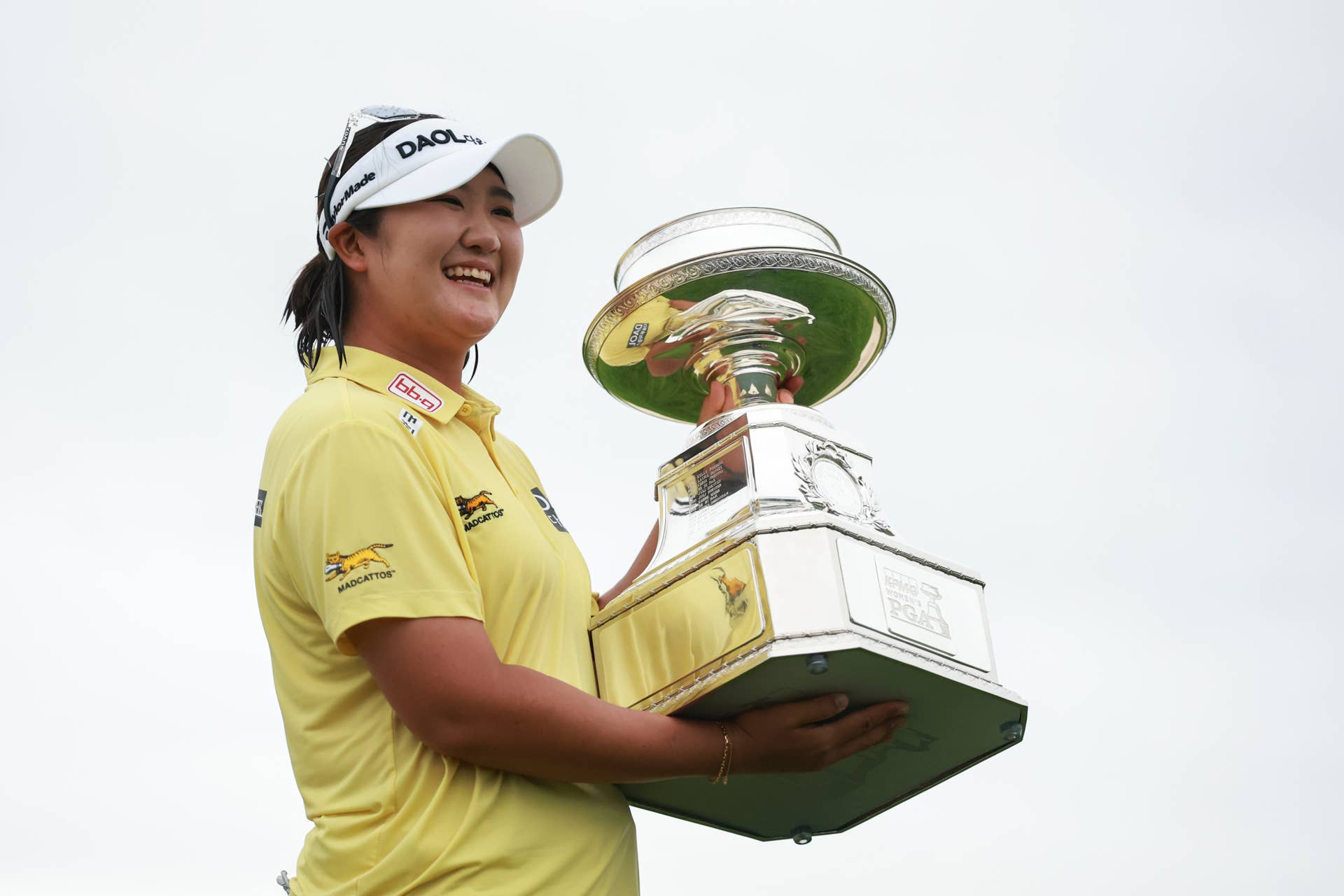
A Comeback Built Before Sunday
Ryu did not win this championship with one great final round. She won it by refusing to let one poor opening round define her week.
After an opening 73 left her 10 shots behind Yoon, Ryu was not thinking about lifting a trophy. She was thinking about making it to the weekend. Then came a bogey-free 64 on Friday, followed by a 68 on Saturday, giving her the lowest round in both the second and third rounds. She became the first player at this championship to do that since Mickey Wright in 1966.
The comeback carried historical weight. Ryu became the first player to win a women's major championship after trailing by 10 or more shots after the first round since Carol Mann at the 1964 Women's Western Open.
That kind of recovery takes more than hot putting or a good ball-striking week. It takes a player willing to accept where she is, reset quickly and avoid turning one disappointing day into an entire disappointing championship.
Major Championship Turning Point
The Comeback Started Long Before Sunday
Haeran Ryu opened with a 73 and trailed by 10 shots after Thursday. By Sunday evening, she had completed one of the most remarkable comebacks in women’s major championship history.
10
shots behind after the opening round
64
bogey-free second round that changed the week
13-under
winning score at Hazeltine National
Hazeltine Made Her Earn It
Sunday at Hazeltine did not begin cleanly. Morning rain dumped 1.10 inches on the course, play was suspended at 7:17 a.m. CT and final-round tee times were delayed 3 hours and 30 minutes. Practice facilities did not reopen until 10:10 a.m., and the final round began at 10:54 a.m.
Those delays matter. Tournament golfers build their days around routine, and championship Sundays are already difficult enough without having the rhythm of the day interrupted. For a player holding the lead in a major, extra waiting time can become dangerous if the mind starts wandering ahead to what might happen.
Ryu handled it like a veteran. She made five birdies and three bogeys, ranked first for the week in strokes gained total, strokes gained tee-to-green and greens in regulation percentage, and kept giving herself the kind of chances Hazeltine rewarded.
That is where her performance separated itself from a simple hot week. Hazeltine asked for control, patience and proper misses. Ryu supplied all three.
Why She Won
Ryu Beat Hazeltine With Patience, Not Panic
The final round was delayed 3 hours and 30 minutes after heavy morning rain, turning Sunday into a test of routine, rhythm and mental control. Ryu responded with the exact traits major championships usually reward.
Ball Control
Ranked first for the week in greens in regulation percentage.
Tee to Green
Ranked first in strokes gained tee-to-green at Hazeltine.
Composure
Made five birdies and three bogeys while protecting the lead.
The defining shot? Ryu pointed to her second shot on No. 10, a hole that had made her uncomfortable all week.
The Shot She Will Remember
When Ryu was asked which shot she would remember most from the final round, she did not choose the final putt or a celebration moment. She chose her second shot on No. 10.
That answer matters because No. 10 had been one of the holes that made her uncomfortable all week. The tee shot felt narrow to her, the approach played awkwardly and the wind made the shot more demanding. In the final round, Ryu birdied it.
For a player trying to close out a major, that kind of hole can become a turning point. It is not always the most dramatic shot that wins a championship. Sometimes it is the swing on a hole you do not love, under pressure, when the tournament is still very much alive.
Brooke Henderson was applying pressure. Yoon was still chasing. Dewi Weber was producing the best major finish of her career. Ryu needed to keep answering, and No. 10 gave her proof that her game was still in the right place.
The Leaderboard Told Its Own Story
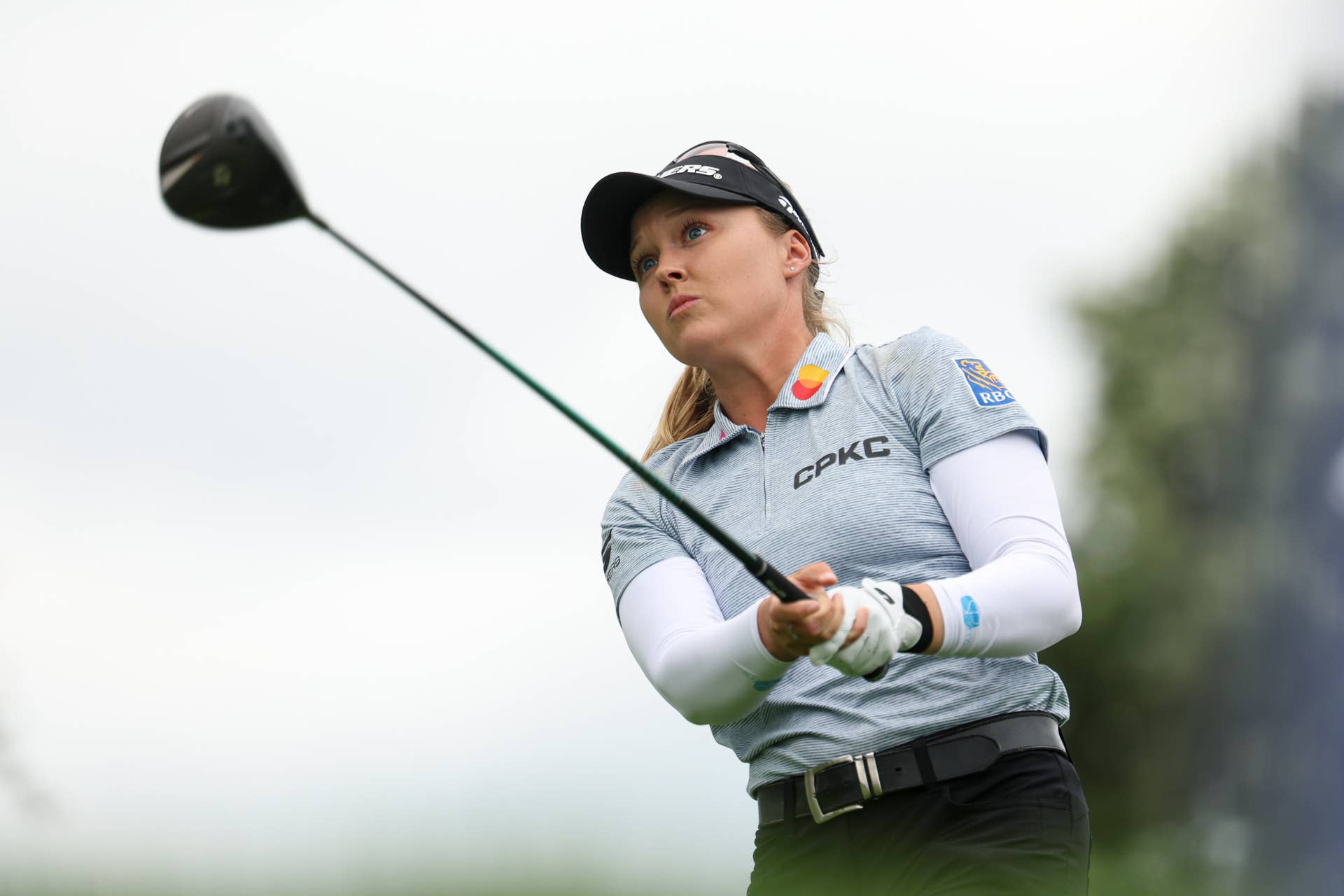
Yoon finished second at 11-under after rounds of 63, 69, 75 and 70, recording her best finish in a major championship and on the LPGA Tour. Weber and Henderson tied for third at 10-under, with Weber producing the best major championship finish by a player from the Netherlands and Henderson adding another strong KPMG Women's PGA Championship result to her résumé.
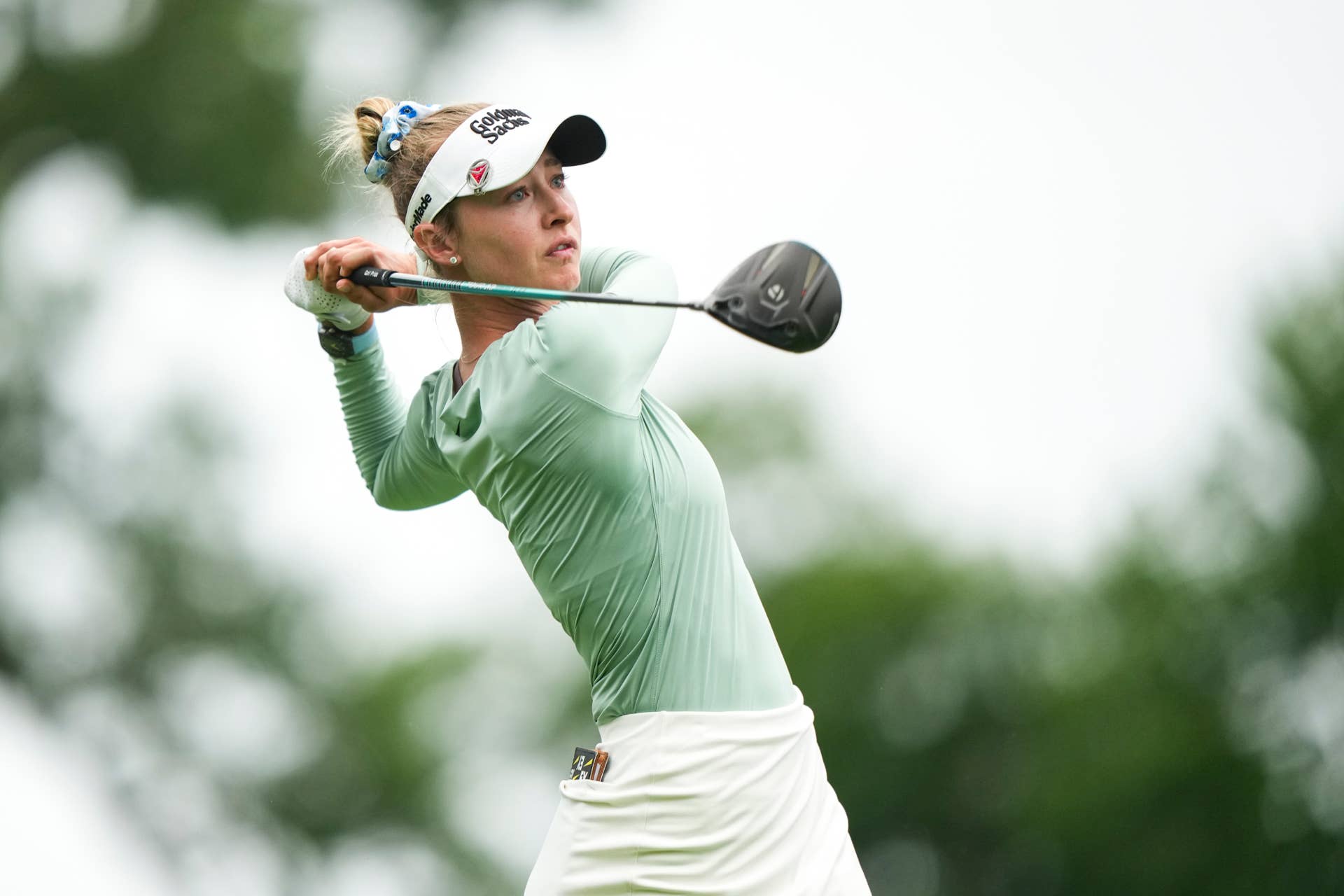
Nelly Korda, the world No. 1, finished tied for eighth at 6-under, seven shots behind Ryu. She remains two points short of LPGA Hall of Fame qualification, with her next opportunity coming at The Amundi Evian Championship.
The leaderboard mattered because this was not a championship handed away. Ryu beat a field with stars, major champions and rising international talent. She did it on a major venue that has never been interested in rewarding careless golf.
Major Champion Haeran Ryu
Ryu's résumé looks different now.
She is the 31st player to make the KPMG Women's PGA Championship her first major championship victory, the first major champion from the Republic of Korea since Amy Yang won this event in 2024 and the 21st player from the Republic of Korea to win a major championship. She also became the first player since Jin Young Ko to win at least once in each of her first four LPGA Tour seasons.
Those are the official markers of a breakthrough. The more human marker came after the final putt, when Ryu laughed on the 18th green because the moment still felt hard to believe. Players were waiting with champagne. Her mother was there. The player who had needed a break from the stress of golf a month earlier was suddenly trying to process being introduced forever as a major champion.
"Major champion Haeran Ryu," she said afterward. "It's amazing for me."
It should be.
Ryu did not simply win a major at Hazeltine. She won one after stepping away, resetting her mind, trusting her ball striking and refusing to let a 10-shot opening-round deficit decide her week.
Golfers spend countless hours looking for answers on the range. Ryu found hers away from it, then brought that clarity to one of the biggest stages in the game.
The Bigger Picture
What Ryu’s First Major Means
Ryu’s victory did more than add a trophy. It changed how she will be introduced for the rest of her career: major champion.
Career marker |
Fourth LPGA Tour victory and first major championship |
Korean golf history |
21st player from the Republic of Korea to win a major |
Consistency |
Has won in each of her first four LPGA Tour seasons |
Prize |
$1.95 million winner’s share from a $13 million purse |
PGA of America Golf Professional Brendon Elliott is an award-winning coach and golf writer who serves as Athlon Sports Senior Golf Writer. Read his recent “The Starter” on R.org, where he is their Lead Golf Writer. To stay updated on all of his latest work, sign up for his newsletter or visit his MuckRack Profile.


