


Weather affects golf more directly than most sports. Wind changes ball flight and distance control. Rain changes firmness and rollout. Temperature shifts change carry yardage and club selection. Those factors can move scoring, cut probability, and which player profiles tend to produce fantasy points in a given week.
Tee times matter when conditions change across the day. If the morning wave catches calmer weather and the afternoon wave plays in tougher conditions, golfers face different versions of the same course. Fantasy players often describe this as a “wave” split.
Forecasts move and local conditions vary. Treat weather as a modifier, not the foundation of your process.
What Weather Changes on a Golf Course
Wind: The Biggest Scoring Driver
Wind stresses every part of scoring.
- Tee shots: Harder starts, more missed fairways
- Approach shots: Worse distance control, fewer close looks
- Short game: Tougher touch shots, more defensive play
- Putting: Less stable speed control on exposed greens
Wind usually lowers birdie rates and raises bogeys and doubles. Formats that reward birdies while penalizing mistakes feel that swing the most.
Rain: Softer Conditions and Different Misses
Rain often softens the course and changes how shots behave.
- Fairways: Less rollout, longer effective yardage
- Greens: More receptive targets, easier pin hunting
- Rough: Heavier grass, more flyers and more grab
- Rules: Some events use preferred lies when conditions demand it
Soft greens can boost scoring for strong approach players. Lost rollout can also stretch the course and push more long irons into play.
Temperature: Quiet Yardage Changes
Temperature shifts change carry distance and comfort.
- Cold air: Reduced carry, longer approaches
- Warm air: Added carry, more wedges and short irons
Small yardage changes add up when the course already plays long or when wind shows up at the same time.
Firmness: Controls the Style of Scoring
Firmness shapes how aggressive players can get.
- Firm fairways: More distance, more trouble in play
- Firm greens: Harder to hold, more scrambling
- Soft greens: More holding power, more attack lines
Firm setups tend to reward control and recovery skills. Softer setups tend to reward approach quality and birdie volume.
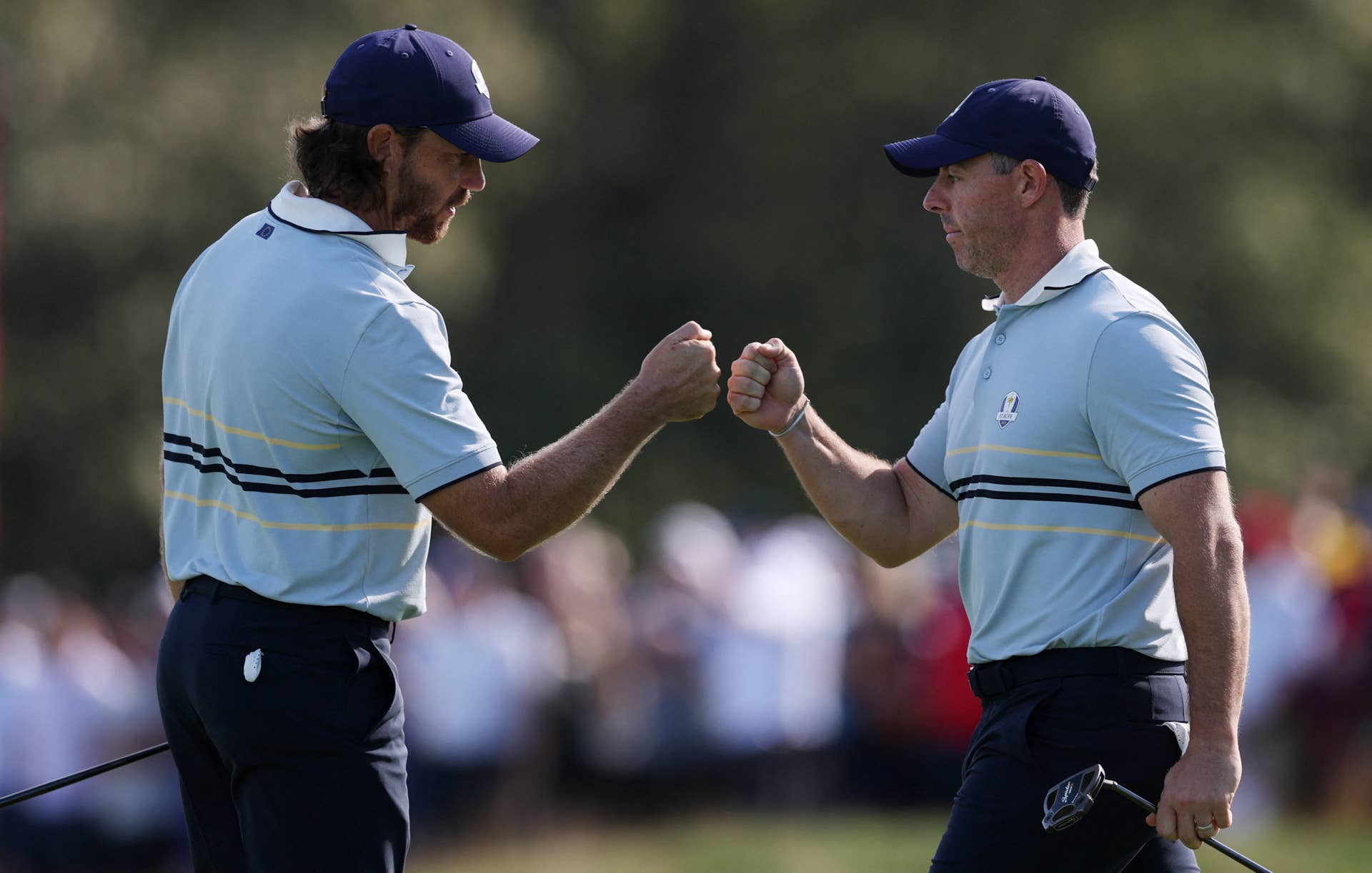
Paul Childs-Reuters via Imagn Images
Why Tee Times Matter
Tee times matter when weather differs by wave. Many venues see calmer mornings and windier afternoons, but the opposite can happen. The gap matters more than the direction.
Weather-driven wave splits show up in two places:
- Round scoring: One wave posts better scores due to easier conditions
- Cut dynamics: One wave misses the cut more often due to tougher conditions
The Two Wave Concepts That Matter
One-Round Gap
A forecast can point to a favorable window in a single round, such as calmer winds early on Thursday. That can nudge golfers in that wave upward.
Two-Round Gap
A larger difference can appear when a wave catches better conditions in both rounds. That requires the timing to line up across Thursday and Friday, so it happens less often.
How to Use Weather and Tee Times Without Overreacting
Step 1: Judge Course Exposure
Some venues amplify wind while others mute it.
- Coastal and wide-open layouts: Wind affects scoring more
- Tree-lined courses: Wind affects scoring less at ground level
- Elevated greens and ridgelines: Gusts show up more often
Exposure helps you translate a forecast into how the course will actually play.
Step 2: Look for a Meaningful Gap
Small differences often turn into noise. Larger gaps can change scoring and weekend access.
- Wind speed: Bigger gaps matter more than small ones
- Wind direction: Crosswinds and quartering winds stress control more
- Rain timing: A steady drizzle plays differently than a hard band at peak tee times
Step 3: Match Your Reaction to Contest Type
Contest selection should drive how aggressively you lean into a wave read.
- Cash games: Prioritize cut probability and lineup stability
- Tournaments: Accept more volatility for leverage and differentiation
Practical Applications in Fantasy Golf
Season-Long Formats
Season-long fantasy usually rewards steady accumulation across weeks, so weather works best as a tiebreaker.
- Favor resilient tee-to-green profiles when conditions look difficult
- Use the forecast to separate similar players, not to rewrite rankings
- Avoid sitting clear studs due to modest differences
DFS Formats
DFS offers more ways to express a stance without going all-in.
- Player pool adjustments: Add or remove golfers based on how conditions interact with their skill sets
- Exposure shifts: Increase shares rather than forcing full fades
- Wave stacking: Stack a wave only when the gap looks large and stable
Wave stacking increases correlation. That can help when the read holds. That can also sink lineups quickly when the forecast flips.
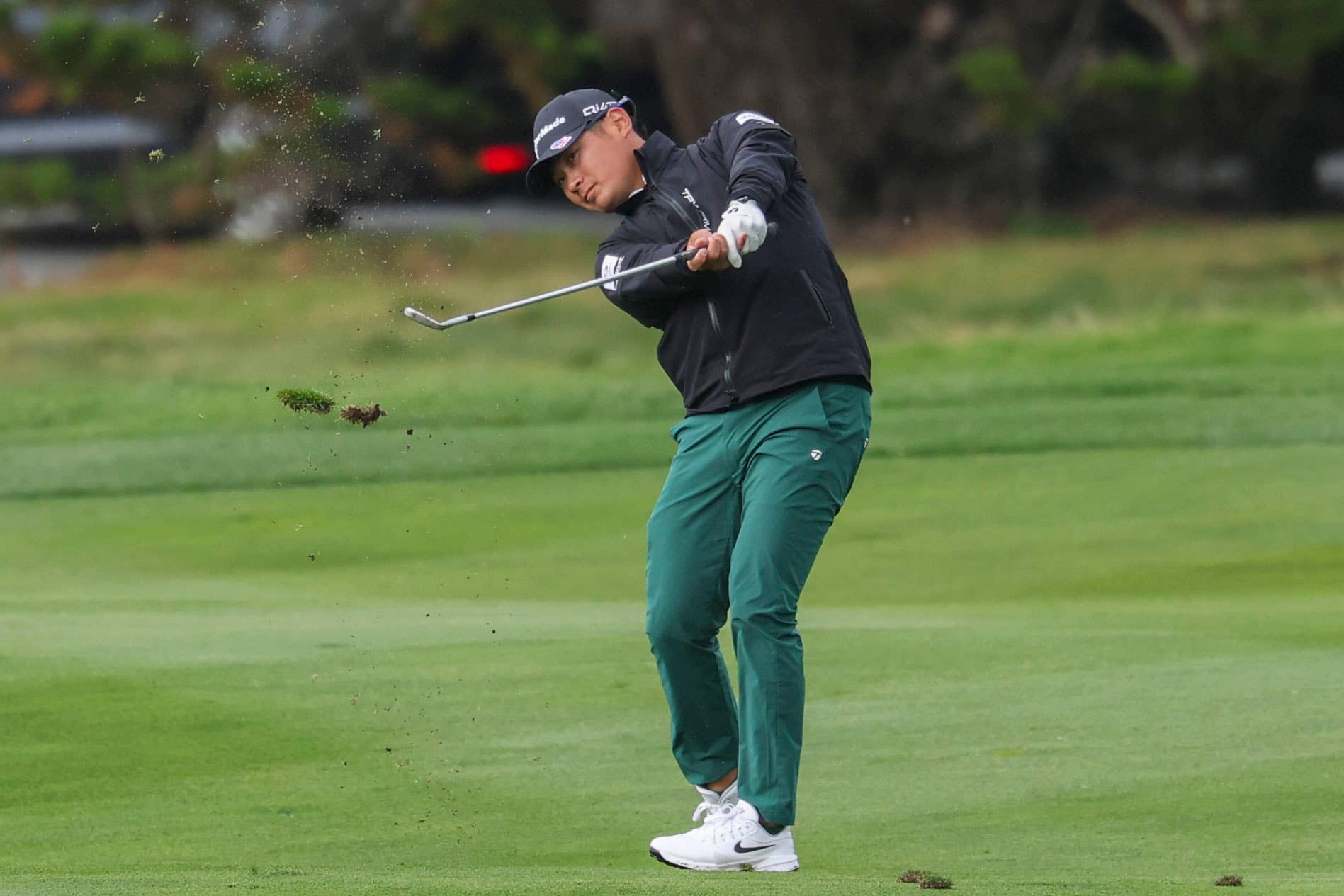
Kiyoshi Mio-Imagn Images
Golfer Archetypes By Weather
Windy Weeks
These traits often translate well:
- Controlled ball flight and strong approach play
- Fewer penalties and a tighter miss pattern off the tee
- Reliable scrambling when greens get harder to hit
Wet and Soft Weeks
These traits often translate well:
- High-end approach play for pin hunting
- Carry distance that holds up without rollout
- Strong birdie production in easier scoring environments
Cold Weeks
These traits often translate well:
- Solid long-iron play when approaches lengthen
- Skill sets that do not rely on a single distance bucket
A Beginner Checklist
- Course exposure: Decide whether wind will actually reach the scoring areas
- Wave gap: Prioritize meaningful differences, not minor shifts
- Direction: Track crosswinds and quartering winds, not just speed
- Contest type: React more aggressively in tournaments than in cash games
- Risk control: Avoid all-or-nothing wave bets when the forecast looks unstable
The Bottom Line
Weather and tee times can shift scoring and cut odds, especially when one wave plays in noticeably easier conditions. Wind tends to raise difficulty and variance. Rain changes firmness and how aggressively players can attack. Temperature changes quietly affect yardage and approach clubs.
Build your player pool on skills first. Use weather and tee times to refine decisions and manage risk, without letting the forecast take over the slate.