


The heat is on for fantasy basketball managers as the calendar flips to March and fantasy champions are separated from the rest of the pack.
January hype has officially faded, and rosters have tightened up for teams pushing for a playoff berth. That means insured minutes for superstars and rest days for veterans on contending squads. It also means inflated play from prospects on squads eyeing the draft lottery. Managers who sit around can get left in the dust, while owners who adapt to these crucial shifts can be crowned fantasy champions.
Here’s what fantasy managers need to know about March production, and how they can adapt their rosters accordingly.
The Dynamics Driving March Production
Playoff Pushes and Contender Ramps

Teams sitting atop the standings, like the Detroit Pistons and the Oklahoma City Thunder, will tighten their rotations and lock their superstars into playing big minutes every night. Managers should keep an eye on which contending teams play the most games, since production will ramp up. For example, the Denver Nuggets play 12 games in Weeks 21-23, so Nikola Jokic’s production should be through the roof.
Tanking and Youth Surges
Sergio Estrada-Imagn Images
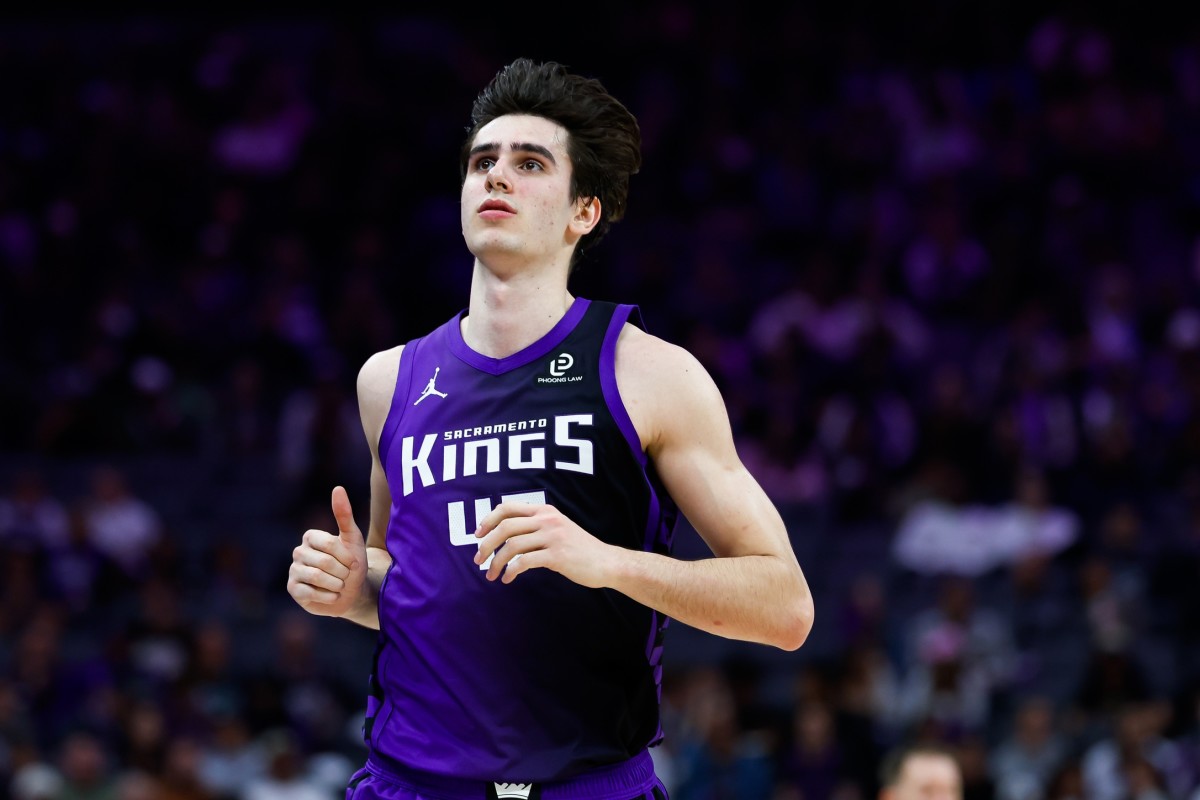
Teams sitting in the standings’ cellar, like the New Orleans Pelicans and the Indiana Pacers, are far less likely to lock players into regular minutes. Stars will get more rest days since a playoff position isn’t at stake. That means young prospects will get more playing time and their production may surge, but managers should stay aware of how volatile prospect hot streaks can be.
Risks and Drops That Derail Teams

Shutdowns and Rest
Speaking of volatility: Veterans on contending teams may get shut down once a playoff spot is locked in. Managers who prioritized players like LeBron James earlier in the year will have to keep a closer eye on if the Los Angeles Lakers lock in a playoff berth. The vet is more likely to get rest days once LA is seeded, which would mean less production for your fantasy squad.
Wear and Tear
Heck, sometimes players who were on hot streaks right after Christmas can’t maintain that production come St. Patrick’s Day. January spikes drop 10-15% in March due to the usual wear-and-tear of the season. Keep track of who is slumping late and adjust accordingly.
Strategies to Capitalize on in March
© Kelley L Cox-Imagn Images
Prioritize Steady Eddies and Their Surging Counterparts
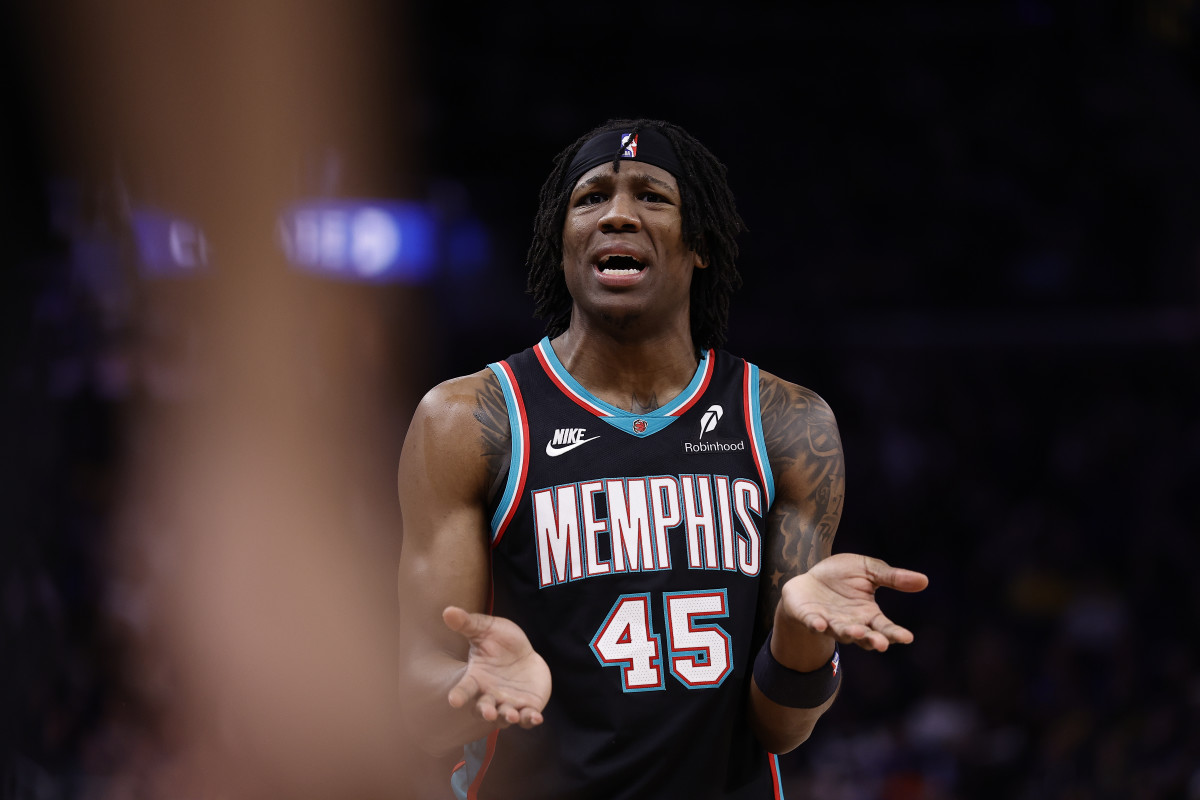
In addition to playmakers logging north of 30 minutes per night, managers should target players hitting their stride late in the season. Consider a player like GG Jackson II on the Memphis Grizzlies, who is getting more playing time in place of his injured teammates. Jackson “averaged 17.2 points, 6.0 rebounds, 2.3 assists, 1.1 blocks, and 2.0 3-pointers over that 11-game span,” according to NBA.com, and is only 31% rostered in the fantasy world.
Waiver Tactics
Need a roster reset? Time to waive high-risk players on tanking teams (ahem, Pelicans forward Zion Williamson). Instead, look for low-risk contributors who have ramped up production (ahem, Cleveland Cavaliers center Jarrett Allen).
Here's What Smart Managers Do
March rewards reliability in fantasy basketball, and adjusting to this crucial time of year separates the champs from the rest of the league. Smart managers will identify whose production is surging and whose January hot streak is unsustainable. Making these adjustments now could be the difference between a scorching playoff run and fantasy ruin.
People Want to Know What Separates Fantasy Basketball Champions From Everyone Else
Why does March production drop in fantasy basketball?
Tighter rotations, playoff seeding security, and tanking decisions reduce volatile January spikes and inflate rest risk.
Which players surge in March 2026?
GG Jackson II and Maxime Raynaud project late-season opportunity spikes due to expanded roles on shifting teams.
What teams are tanking in 2026?
Clubs near the bottom of the standings, including Sacramento and New Orleans, may prioritize development over veteran volume.
How do you win fantasy basketball playoffs?
Target volume from contenders, add emerging youth on tankers, and move veterans before shutdown risk increases.
Best waiver adds for the final stretch?
Role-expansion players like Raynaud, Watson, and Onyeka Okongwu provide rebounds and defensive-category boosts.
Why must managers adapt in March?
Intent shifts across the league change minute distributions, exposing managers who rely on early-season trends.