


There is a simple rule in dynasty. If you want to get ahead of your league, you find the second-year guys before everyone else does.
So you’re looking for super sophomores, fantasy basketball-style. Rookie flashes turn into real roles. Limited minutes turn into 32 a night. That is how players jump two or three rounds in value almost overnight.
This year’s class has a handful of those candidates. The names are not hard to find. The key is figuring out which ones are about to turn opportunity into production.
Why Sophomore Leap Candidates Dominate Dynasty Trade Markets
The Data Pattern of Second-Year Breakouts
We have seen this play out over and over.
A rookie averages 24-26 minutes. Shows flashes. Maybe the efficiency is uneven. Maybe the role is inconsistent. Then Year Two hits and the minutes jump to 32. The usage climbs. Suddenly, that same player looks like a top-60 option, sometimes better.
That’s not guesswork. It’s a pattern.
When you dig into rookie-year per-minute production, you can usually see it coming. Players who already rebound, defend, or create in limited time tend to scale quickly when the minutes increase.
That’s why dynasty managers chase these guys early. It’s not about what they did. It is about what they were already capable of doing in smaller roles.
If you have been following the 2026 dynasty rookie rankings, you already know the top of this class has that kind of ceiling.
Cooper Flagg and the Elite Tier of Sophomore Upside
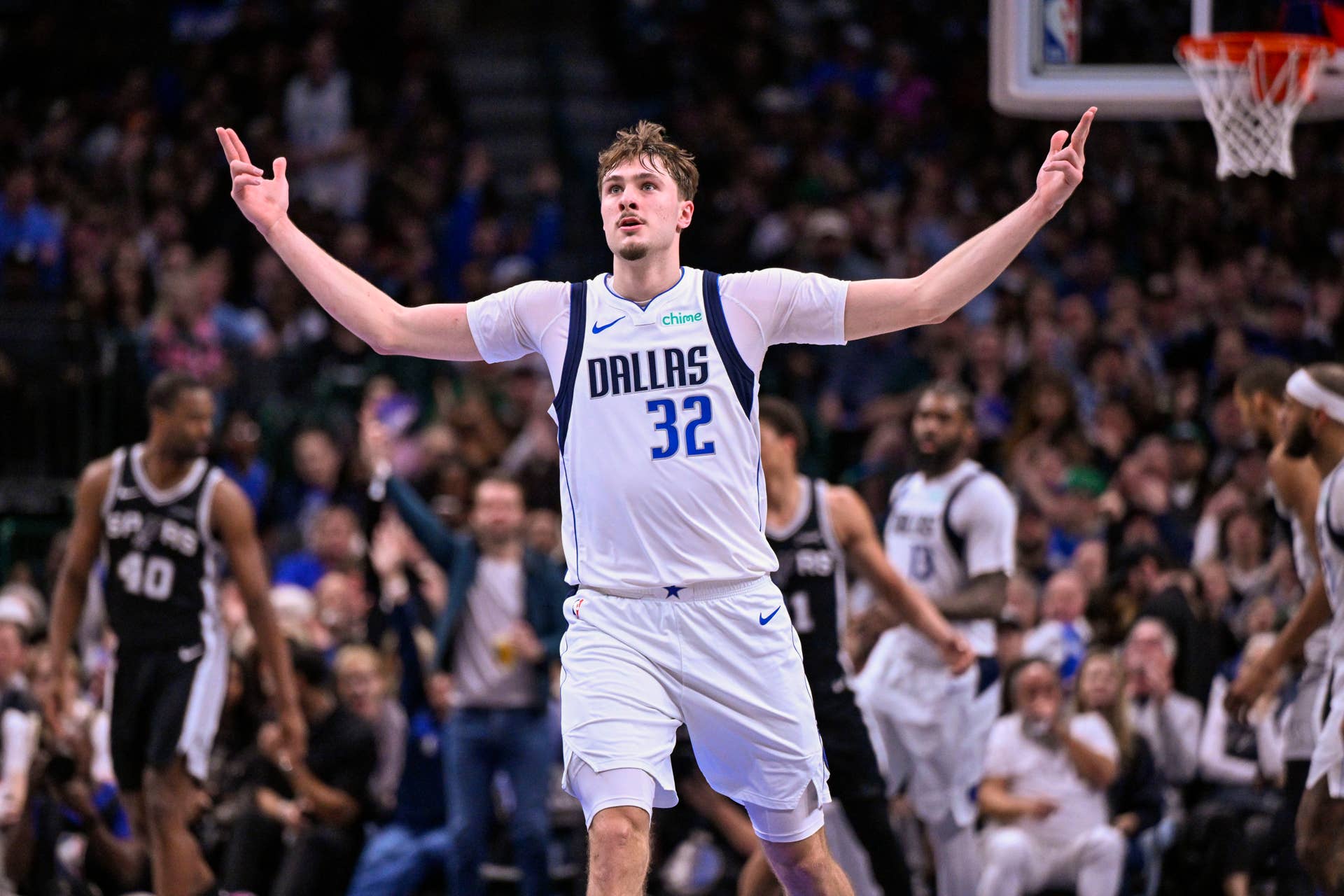
Jerome Miron-Imagn Images
Projected Playmaking and Efficiency Gains
Start with Cooper Flagg. He’s the headliner for a reason.
The rookie year gave you the blueprint. Defensive instincts. Passing feel. A motor that translates every night. The scoring came and went at times, which is normal for a first-year player.
Now look at the path forward.
More minutes. More ball-handling reps. A larger offensive role. That’s where the leap happens.
Flagg does not need a massive usage spike to climb. Even a modest bump paired with better efficiency puts him in a different tier. Think across-the-board production. Points, rebounds, assists, defensive stats. The kind of profile that fits any build.
That’s why he is not just a breakout candidate. He is a potential cornerstone.
High-Upside Wings Ready for Volume Spikes
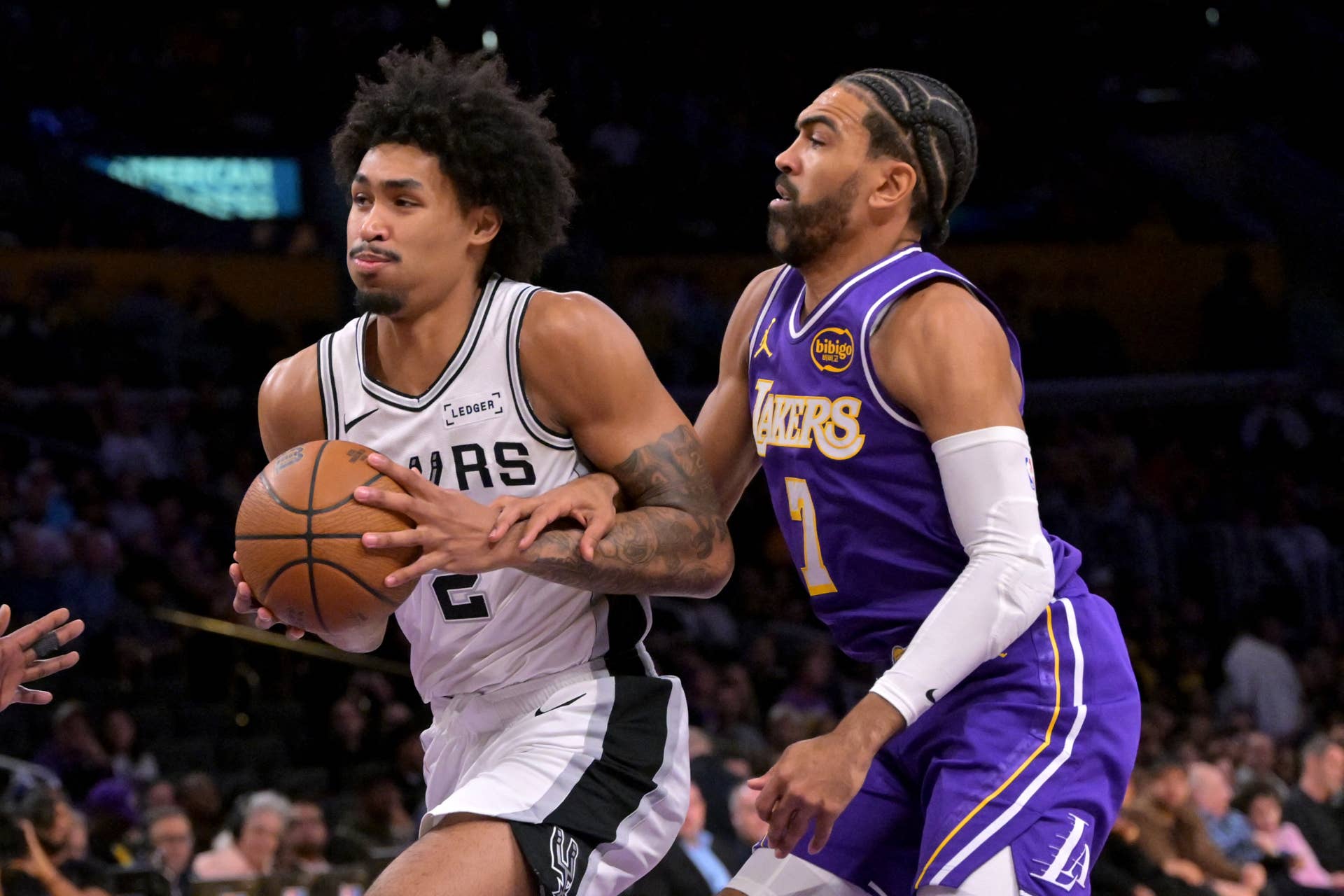
Jayne Kamin-Oncea-Imagn Images
Dylan Harper, Ace Bailey, and VJ Edgecombe
This is where things get interesting.
Dylan Harper already showed the guard skills. Pace. Control. The ability to create his own shot. The rookie numbers may not have popped every night, but the flashes were there.
If the minutes climb into the low 30s, the assist numbers follow. The scoring stabilizes. That is a clean path to a big Year Two jump.
Ace Bailey is a different kind of bet. Pure scoring upside. He can get hot quickly. The question as a rookie was consistency and role.
Sophomore years tend to solve that for players like him. More defined usage. More confidence. If the shot volume ticks up, so does the fantasy value in a hurry.
Then there is VJ Edgecombe.
He may be the most intriguing of the group. The athleticism is obvious. The defensive stats are already showing up. Those are the building blocks that translate immediately when the minutes increase.
Give him 30 minutes a night and you are suddenly looking at steals, rebounds from the wing, and enough scoring to matter. That’s a category-friendly profile that dynasty managers love.
Draft Strategy for Acquiring These Sophomore Leaps
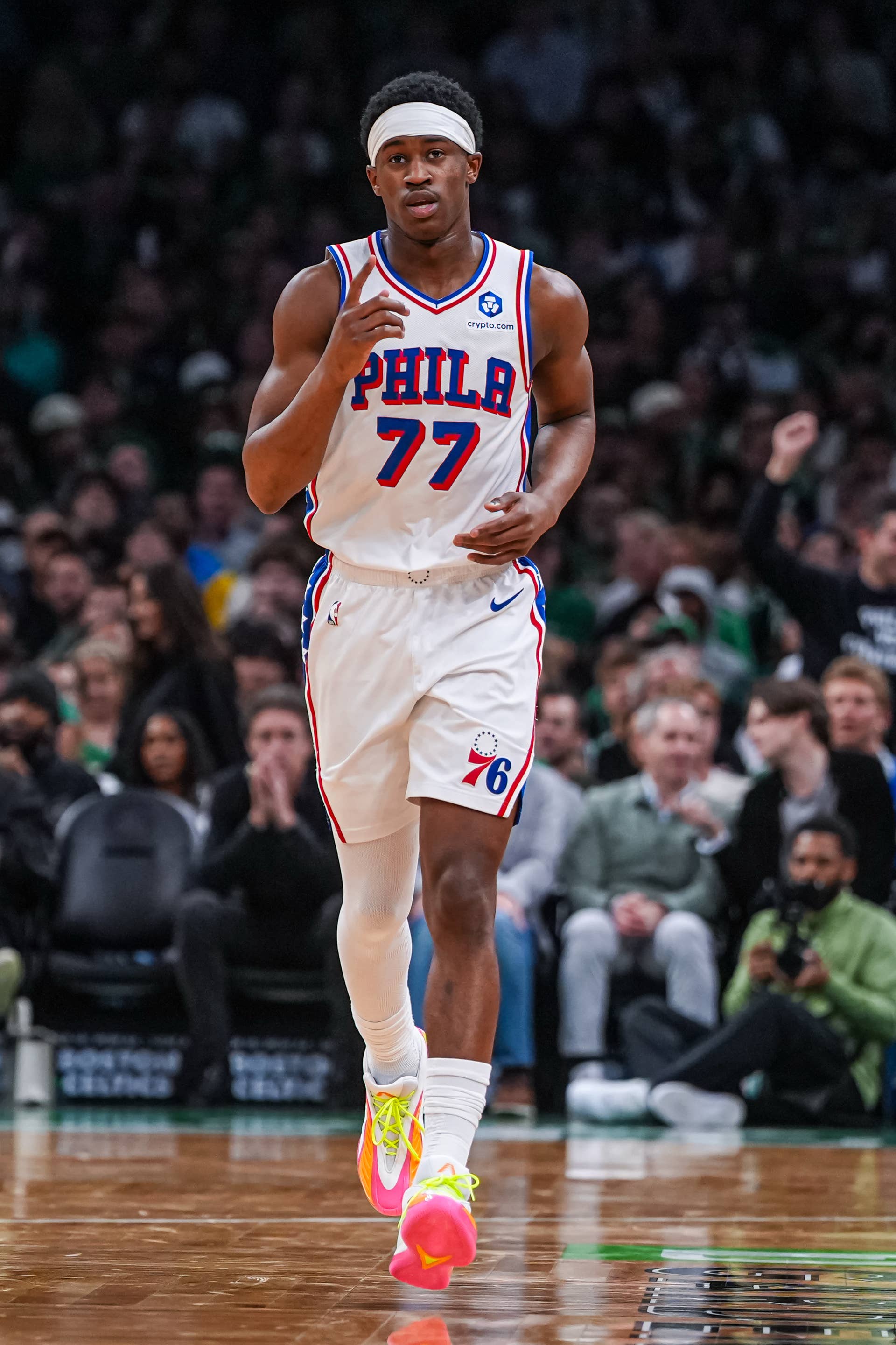
David Butler II-Imagn Images
Trade Targets and Hold Decisions
This is where you can gain ground on your league.
The best time to acquire these players is right now, before the NBA offseason hype picks up and before summer league highlights start circulating.
If you’re rebuilding, these are priority targets. Younger players with rising roles fit that timeline perfectly.
If you’re contending, it is a little more nuanced.
You don’t want to overpay. But you also do not want to miss the jump. The key is moving veterans whose value has likely peaked. Swap stability for upside where it makes sense.
In drafts, do not be afraid to reach slightly.
These are the players who outperform their slot. The ones who look like mid-round picks in October and early-round values by February.
The Bottom Line on 2026 Dynasty Sophomore Leaps
Every dynasty season has a group that jumps.
The signs are already there with this class. Strong per-minute production. Clear paths to bigger roles. Teams that need them to take on more.
Cooper Flagg leads the way. Dylan Harper, Ace Bailey, and VJ Edgecombe are right behind him.
You do not need all of them. You just need to identify the right ones before the rest of your league catches on.
That’s how dynasty teams separate and how value compounds. And more often than not, it starts with Year Two.
2026 Fantasy Basketball Dynasty Sophomore Questions Answered
Which sophomores could make the biggest leap in 2026 fantasy basketball dynasty?
Cooper Flagg leads the group with projected usage growth into elite playmaking minutes. Dylan Harper, Ace Bailey, and VJ Edgecombe follow closely, each showing rookie-year flashes that point to major role expansions and category production jumps in 2026.
Why do sophomore seasons matter so much in dynasty fantasy basketball?
Historical data proves second-year players deliver the highest rate of value spikes when rookie minutes increase. Advanced managers target these sophomores because their ceilings remain uncertain while their floors have already been established.
Is Cooper Flagg a must-own in 2026 dynasty leagues?
Yes. His 2025-26 rookie production already supports top-30 dynasty value, but projected offensive creation and minutes growth position him for a significant leap into the top-15 range in 2026.
How should I evaluate 2026 sophomore leap candidates?
Focus on per-minute efficiency from the rookie year, coaching statements about expanded roles, and projected usage increases. Players who showed scoring or playmaking flashes with limited minutes are the strongest buy candidates.
When is the right time to trade for these sophomore risers?
Before the 2026 offseason trade deadline. Dynasty managers who acquire these players now lock in value before their ADP climbs sharply after summer league and training camp reports.


