


The biggest offseason addition isn't always the best offseason fit. They're actually two entirely different things.
An NBA star can join a more talented roster and watch his fantasy value decline. A less celebrated player can land in exactly the right lineup and suddenly become much easier to draft.
So this isn't a ranking of the best players who changed teams. It's a ranking of how well those players fit their new surroundings.
Does the new team need what they do best? Is the role clear? Will they receive enough touches? And can they produce without taking opportunities away from everyone around them?
Here are five offseason additions that caught my attention, ranked by fantasy fit.
1. Jaylen Brown, Philadelphia 76ers
This one makes almost too much sense.
Philadelphia added Jaylen Brown to a core that already includes Joel Embiid, Tyrese Maxey and VJ Edgecombe. And, of course, now LeBron James as well.
But as for Brown specifically, he now has something he didn't always have in Boston. And that’s a clearly defined place in the offensive hierarchy.
Embiid remains the centerpiece when healthy. Maxey is the primary perimeter creator. LeBron, at age 41, is now the setup man. Brown can attack without needing to initiate every possession or share the same job with another high-level wing.
That should help him. He’s at his best when he can get downhill, punish mismatches and score before the defense becomes fully organized. Philadelphia should provide plenty of opportunities for that because Embiid commands so much attention and Maxey constantly pressures defenses with speed. And easily finding the open man is the one aspect of James’ game that hasn’t fallen off with age.
Could Brown's raw scoring dip slightly? Sure. But I wouldn't automatically treat that as bad news.
A slightly smaller role could lead to better efficiency, fewer forced possessions and more opportunities to contribute without carrying the full burden of an offense.
Fantasy managers sometimes become too attached to usage. I'll take clean usage over messy usage every time.
Brown should still score, rebound and defend. He simply won't need to fight quite as hard for all of it. That's why he's my best fit of the offseason.
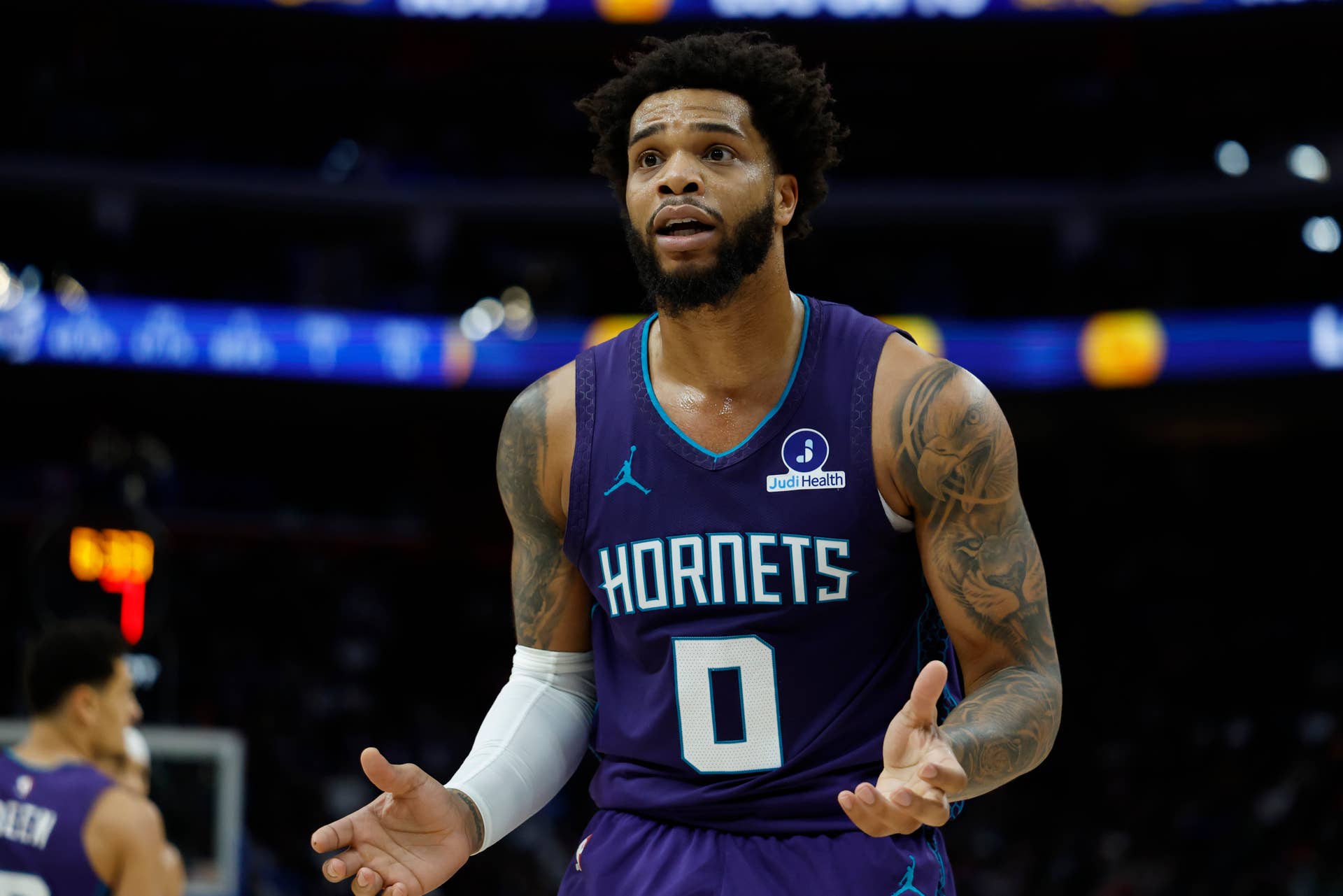
2. Miles Bridges, Phoenix Suns
© Rick Osentoski-Imagn Images
Phoenix needed athleticism and versatility at power forward. Miles Bridges provides both.
He joins a lineup featuring Devin Booker, Jalen Green and Mark Williams, which means he shouldn't have to create every good shot for himself.
Bridges can run the floor, finish around the basket, rebound and attack openings created by better ballhandlers. He can also provide some scoring punch when Phoenix staggers its primary guards.
Yes, there will be nights when the touches get crowded. Booker needs the ball. Green needs shots. Phoenix isn't bringing Bridges in to become the center of the offense.
But I don't think he needs that role to provide fantasy value. This fit is about allowing Bridges to do more of what he does well and less of what gets him into trouble.
Run. Cut. Rebound. Attack favorable matchups. That's a pretty clean assignment.
I'd still be careful not to draft him based on his largest Charlotte numbers, when he had far more offensive responsibility. But as an overall basketball fit, this should work.
3. John Collins, Detroit Pistons
John Collins and Cade Cunningham should understand each other quickly.
Cunningham creates opportunities. Collins finishes them.
Detroit added Collins to provide frontcourt scoring, shooting and another athletic target around one of the league's better young playmakers. That part of the fit is easy to understand.
Collins doesn't need to dominate the basketball. He can stretch the floor, roll to the rim and clean up possessions around the basket. Cunningham should find him in all three situations.
The question is role. If Collins starts and receives consistent minutes, I like him as a useful fantasy option who can produce without needing heavy usage. If Detroit asks him to become more of a bench piece, things get trickier.
Collins has always been most valuable when his efficiency is paired with enough volume. Twenty good minutes are still only 20 minutes.
So I like the fit. I just need training camp to confirm the opportunity.
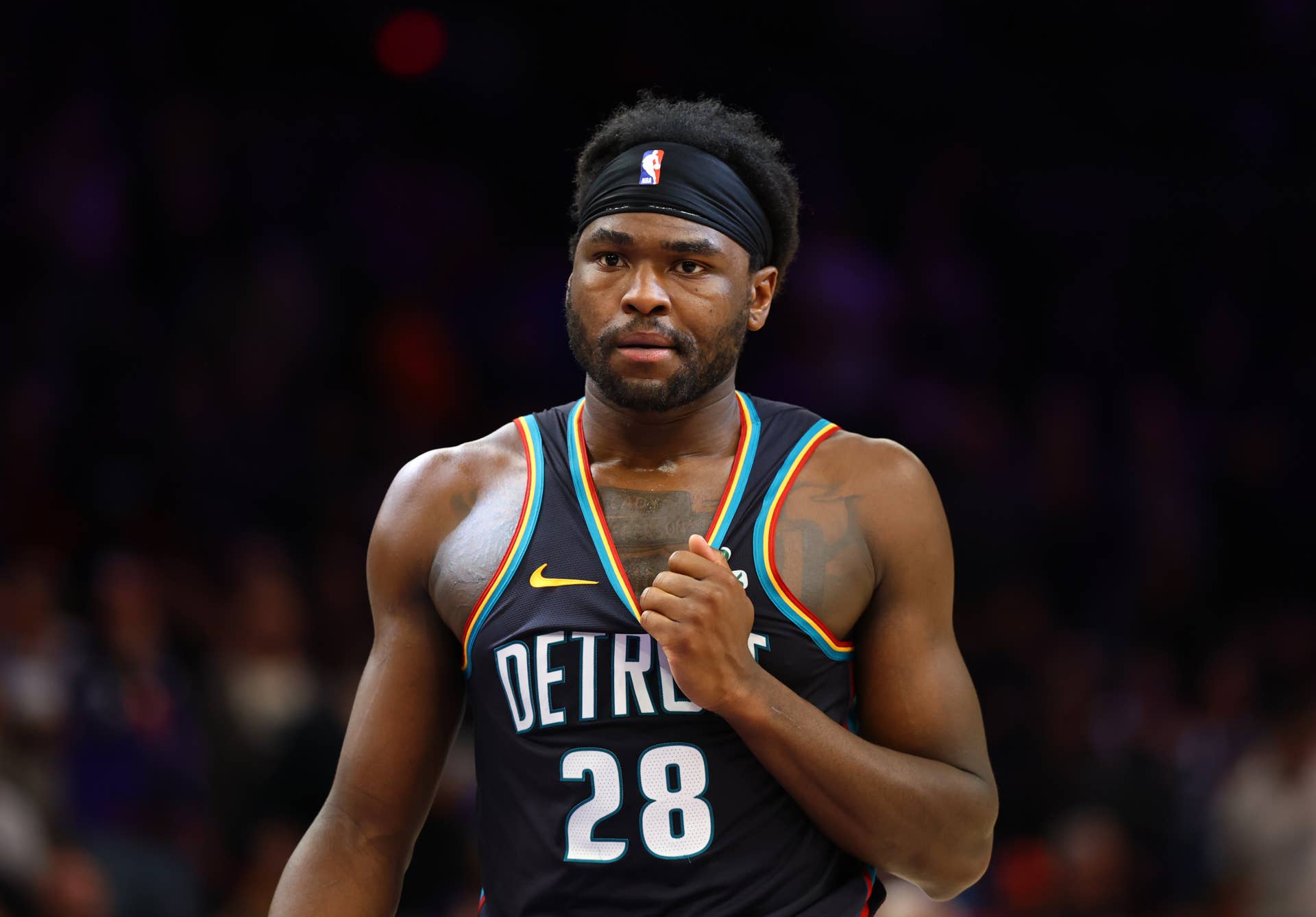
4. Isaiah Stewart, Memphis Grizzlies
Mark J. Rebilas-Imagn Images
Isaiah Stewart fits what Memphis is building. I'm less convinced the fit helps his fantasy value. Those aren't always the same thing.
The Grizzlies added Stewart to a young frontcourt that includes Zach Edey, Cameron Boozer and Karim Lopez. He brings toughness, experience and the ability to handle multiple frontcourt assignments.
That's valuable for a rebuilding team. But for fantasy managers, the path is less obvious.
Stewart may function as insurance behind Edey. He may provide stability while Memphis brings its younger players along. He may become a trusted veteran who plays more than expected.
But this doesn't look like a situation designed to expand his offensive role. In fact, it could reduce it.
Stewart can still help in deeper leagues if the minutes are there. I simply don't see enough clarity to treat him as a priority on draft night.
Good team fit. Potentially limited fantasy fit. There's a difference.
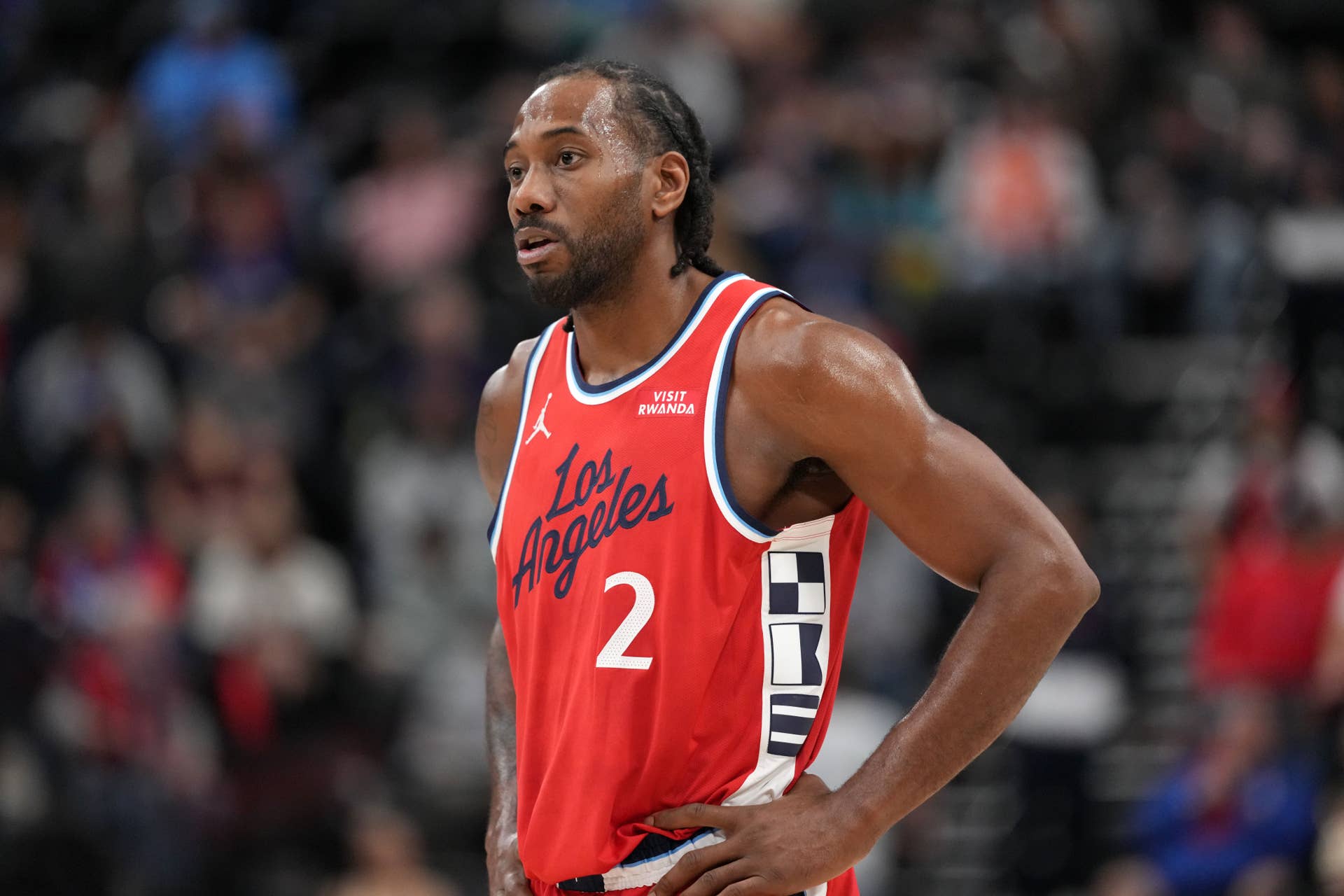
5. Kawhi Leonard, Toronto Raptors
© Kirby Lee-Imagn Images
Assuming everything is finalized and Kawhi Leonard is healthy, the basketball fit in Toronto is obvious.
Kawhi can score efficiently, defend across multiple positions and provide late-game creation alongside Scottie Barnes. Toronto needs those things.
But the fantasy concerns are just as obvious. First, health remains the largest variable. Second, Barnes also needs the ball.
The Raptors want Barnes creating, initiating and growing into a complete offensive centerpiece. Leonard’s arrival should make Toronto better, but it could also reduce some of the possessions Barnes previously controlled.
That's why this fit is harder to evaluate. A healthy Leonard is still going to produce. Barnes should still fill a stat sheet.
But unlike Brown in Philadelphia, where the responsibilities appear naturally divided, Toronto may need time to determine exactly how its two stars share creation duties.
I'm interested. I'm just not ready to call it seamless.
What Makes an Offseason Addition a Good Fantasy Fit?
Role clarity comes first. I want to know what the player is being asked to do and whether his new teammates make that job easier.
Brown doesn't need to replace Embiid or Maxey. He needs to punish the attention they receive.
Bridges doesn't need to become Phoenix's primary creator. He needs to supply athleticism and production at the four.
Collins needs Cunningham to find him and Detroit to play him.
Stewart needs a larger role than Memphis may be prepared to offer.
Leonard needs health and a comfortable working arrangement with Barnes.
That's why name value alone doesn't settle this discussion. The template itself frames the comparison around role clarity and complementary skills rather than inventing some fit score.
The best fit isn't necessarily the player who makes the biggest headline. It's the one whose new team asks him to be exactly who he already is.
Final Verdict: A Good Fit
That's Jaylen Brown. Philadelphia doesn't need him to become a different player.
The 76ers need Brown to score, defend, attack the basket and give Embiid, James and Maxey another established option when defenses load up against them.
His counting numbers may not explode. They may not need to.
Sometimes the best fantasy move isn't the one that creates more responsibility. It's the one that creates better responsibility.
Brown should have that in Philadelphia.
Questions About Offseason Additions, Answered
Which offseason addition fits best with his new team for fantasy basketball in 2026-27?
Jaylen Brown's move to Philadelphia is the best fit among these offseason additions. He has a clearly defined place alongside Joel Embiid, Tyrese Maxey and LeBron James, allowing him to attack the basket, punish mismatches and score without needing to carry the full burden of the offense.
Does John Collins fit well in Detroit?
Yes. Collins can stretch the floor, roll to the rim and finish opportunities created by Cade Cunningham without needing heavy usage. His fantasy value will depend on his role and playing time, however. If he starts and receives consistent minutes, the fit should give him a useful path to production.


