


Stop auto-fading every veteran in your 2026-27 fantasy basketball draft. It is a lazy strategy. Yes, age curves are real. Yes, the NBA is getting younger and faster. But Fantasy Basketball 2026-27 separates smart managers from reactive ones, and the smartest move you can make right now is recognizing that blanket avoidance of veterans is just as dangerous as blindly trusting their old reputations.
The veterans covered in this piece are not here on reputation. Each one has a specific, identifiable situational reason for fantasy relevance in 2026-27. It is either a role shift, a team context, a contract reality, or a usage structure that generates production at their current skill level. Not what they did at 28. What they can do right now. The problem comes when you draft a player based on what they used to be. That is not what this piece is about.
To earn a spot in this analysis, a veteran must have a concrete situational window, not a vague hope for a bounce-back, and not a name that still sounds good in the eighth round.
How to Tell a Genuine Last-Chance Window From a Name-Value Trap
The Three Conditions That Define a Credible Veteran Fantasy Window
A veteran earns genuine fantasy consideration in 2026-27 only when three specific conditions are met.
Condition One: The role must produce counting stats at their current ability.
Look at DeMar DeRozan as the clearest example. He finished 2025-26 averaging 18.4 points, 4.1 assists, 2.9 rebounds, and 1.0 steals in 31.2 minutes across 77 regular-season appearances. That is a real producer. But it is also meaningfully down from his prior season, where he had 24.0 points and 5.3 assists per game with the Bulls. The role shrank, and so did the production. The veteran you target must have a role that fits what they can still do, not a projection built on peak-era memories.
Condition Two: The team context must not demand peak athleticism.
A slower offense, a system that generates open looks rather than requiring creation off the dribble, or a coaching staff that leans into a veteran's surviving strengths, are necessary details. New coaching schemes often prioritize pace, which favors younger legs. When the system works against a veteran's limitations, no amount of experience saves the stat line. You need a situation that can hide the weaknesses of the veteran player.
Condition Three: The ADP must reflect the decline narrative, not ignore it.
This is done so as to price the veterans correctly. A veteran whose ADP is still elevated because drafters remember their peak production is a trap regardless of anything else. The window only has positive expected value when you are buying at a discount.
So what does the right price actually mean?
A veteran earns a roster spot only if they can realistically deliver a category floor of 15-plus points, at least 1.0 steals or 3-plus assists per game, and 70-plus games played, and do it at an ADP that sits at least two full rounds later than that production floor would normally command. If the price is fair, pass. The discount is what the entire argument hinges upon. Without it, there is no window.
The name-value trap is easy to define and even easier to fall into. Several veterans have 2025-26 Yahoo ADPs that are out of sync with their current outlooks heading into next season. When a veteran's name still moves draft boards more than their actual recent box scores do, that is the trap. The way out of the trap is to ignore the name entirely. Ask one question: what does this player do well today, and am I paying for that, or for who they were at their best?
You also need to consider the various formats. Last-chance windows work in redraft leagues, not dynasty. The time horizon is one season, and that is the entire basis of the value. Dynasty managers holding veterans for future value should understand that the best time to make these moves is now, before the July free agency period. Once teams sign younger players, market value for veterans drops fast.
For the full picture of which veterans are already losing ground before drafts even begin, Read veterans most at risk of losing fantasy value in 2026-27. Knowing who to avoid is just as important as knowing who to target.
Veterans With a Real Window: Situation Makes the Case
Jayne Kamin-Oncea-Imagn Images
Landing Spots and System Fits That Extend Veteran Fantasy Relevance
Three veterans are worth running through the framework right now. Each one gets all three conditions applied directly.
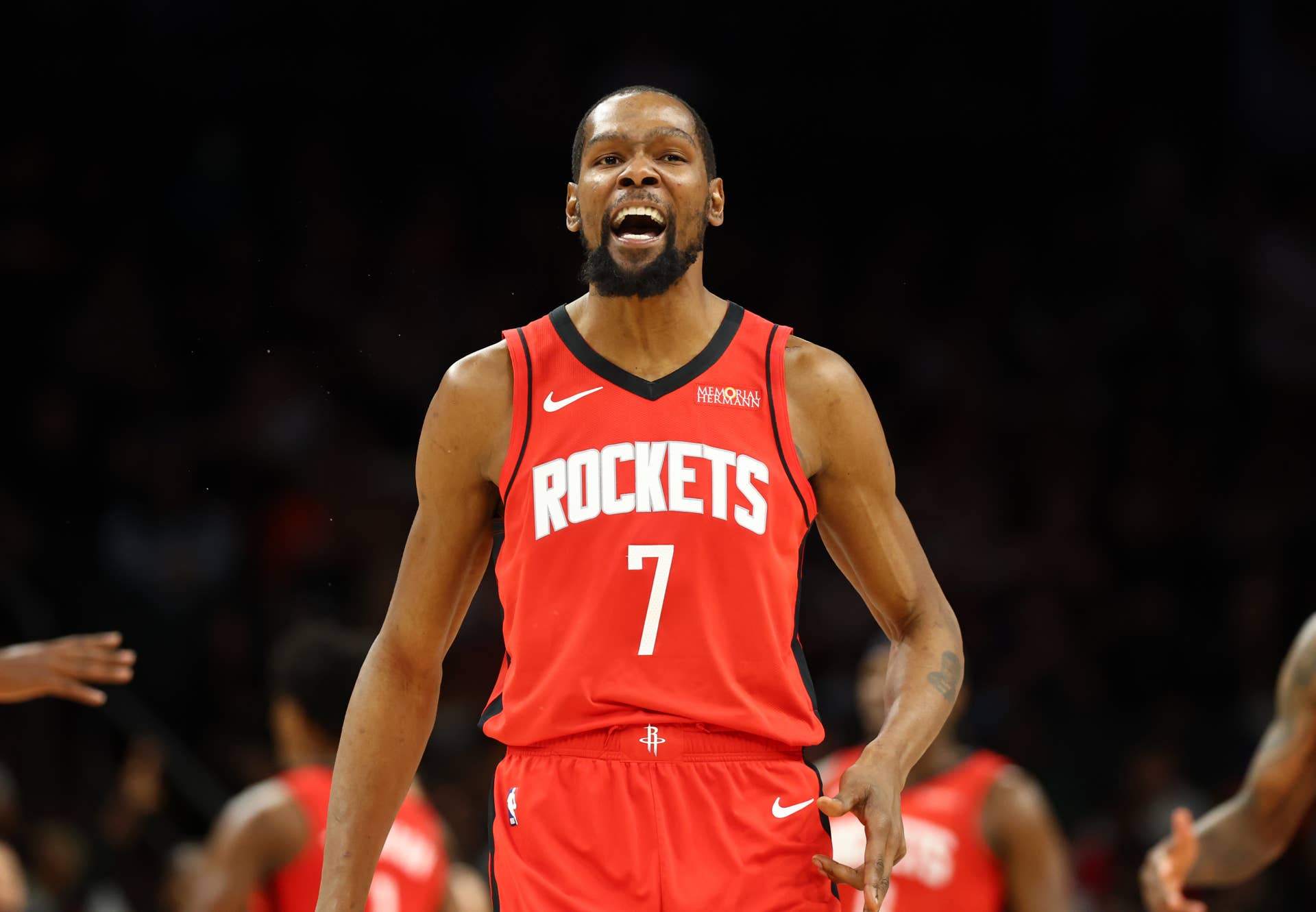
Kevin Durant, Houston Rockets — Window: CONFIRMED
This is the clearest veteran window in the league. No debate needed. Durant finished the 2025-26 regular season averaging 26.0 points, 5.5 rebounds, 4.8 assists, 0.9 blocks, 0.8 steals, and 2.4 threes over 36.4 minutes per game, and he appeared in 78 games. That is not a player surviving on name recognition. That is a top-20 fantasy asset performing like one.
Run the three conditions.
Condition One: The role absolutely produces counting stats at his current skill level. Durant doesn't need to create off the bounce at full speed. He catches, shoots, and scores over any defender in the league from any spot on the floor. That skill doesn't age the same way athleticism does.
Condition Two: The Houston system is built around spacing and half-court execution, which is the exact environment that protects a 37-year-old scorer. Durant carried a usage rate of just 25.9% as part of a talented Houston starting five. This means that Amen Thompson, Alperen Sengun, and Reed Sheppard absorb enough of the load that Durant isn't being asked to carry 30-plus minutes of creation every night. He punishes defenses in a system that generates open looks. Condition Two satisfied in full.
Condition Three: Durant signed a one-year, $43.9 million contract extension with the Rockets in October 2025, which includes a $46.1 million player option for 2027-28. The situation is locked, the role is defined, and the fantasy community still discounts him due to age and injury history. That discount is the edge.
In all of this, the market has been sleeping on Durant heading into 2026-27 because of back-end injury risk and a general he's slowing down narrative. He played 78 games and averaged 26 points. He was named to the All-NBA Second Team for the 12th time in his career. The ADP skepticism driven by age is wrong. At his current price, Durant is one of the best values in any redraft format. Draft him without thinking twice. For the full picture on how landing spots reshape veteran value, see this piece on best NBA free agency landing spots for fantasy production.
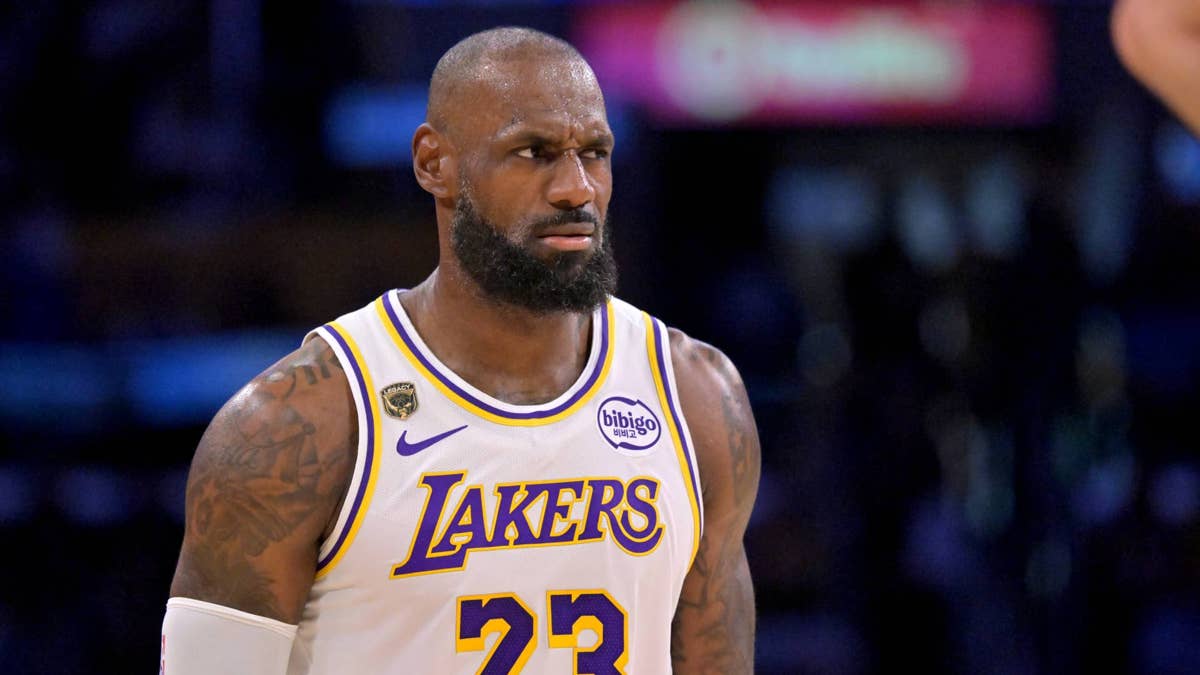
LeBron James, Free Agent — Window: DEPENDS on Landing Spot
LeBron James will officially hit free agency on July 1, with just the Brooklyn Nets, Chicago Bulls, and Lakers projected to have significant cap space. Staying with the Lakers is widely believed to be his preferred choice, though the Golden State Warriors are reportedly legitimately interested in adding him as well.
Condition One: He can still produce at his current skill level in the right context, with points, assists, and efficiency remaining intact. He can still fill a box score on the right night. The honest question is volume and consistency, not ability.
Condition Two: This is where landing spot splits the outcome entirely. Back in LA, the system fit is already known and already reduced. In Cleveland, where Donovan Mitchell and Evan Mobley anchor a halfcourt-heavy contender, LeBron slots in as a high-IQ playmaker without carrying 30-point nights. That scenario represents a genuine role that leans into what he does well right now. There is mutual interest between LeBron and the Cavaliers, per NBA insiders. Golden State, meanwhile, would give him Curry's spacing and a system that does not demand athletic creation, which is another workable fit.
Condition Three: The ADP discount exists in every scenario. The name still moves boards more than the current box scores justify, but the gap between price and production is narrow enough that a late-round LeBron in the right situation is a legitimate value, not a charity pick.
The verdict: Lakers means you are buying a known, limited role at a discount. It is acceptable in the late rounds, nothing more. Cleveland or Golden State means a potential usage bump the market has not priced yet, which to me, is the actual window. Do not draft him before his destination is confirmed. Once it is, you will know immediately which scenario you are in.
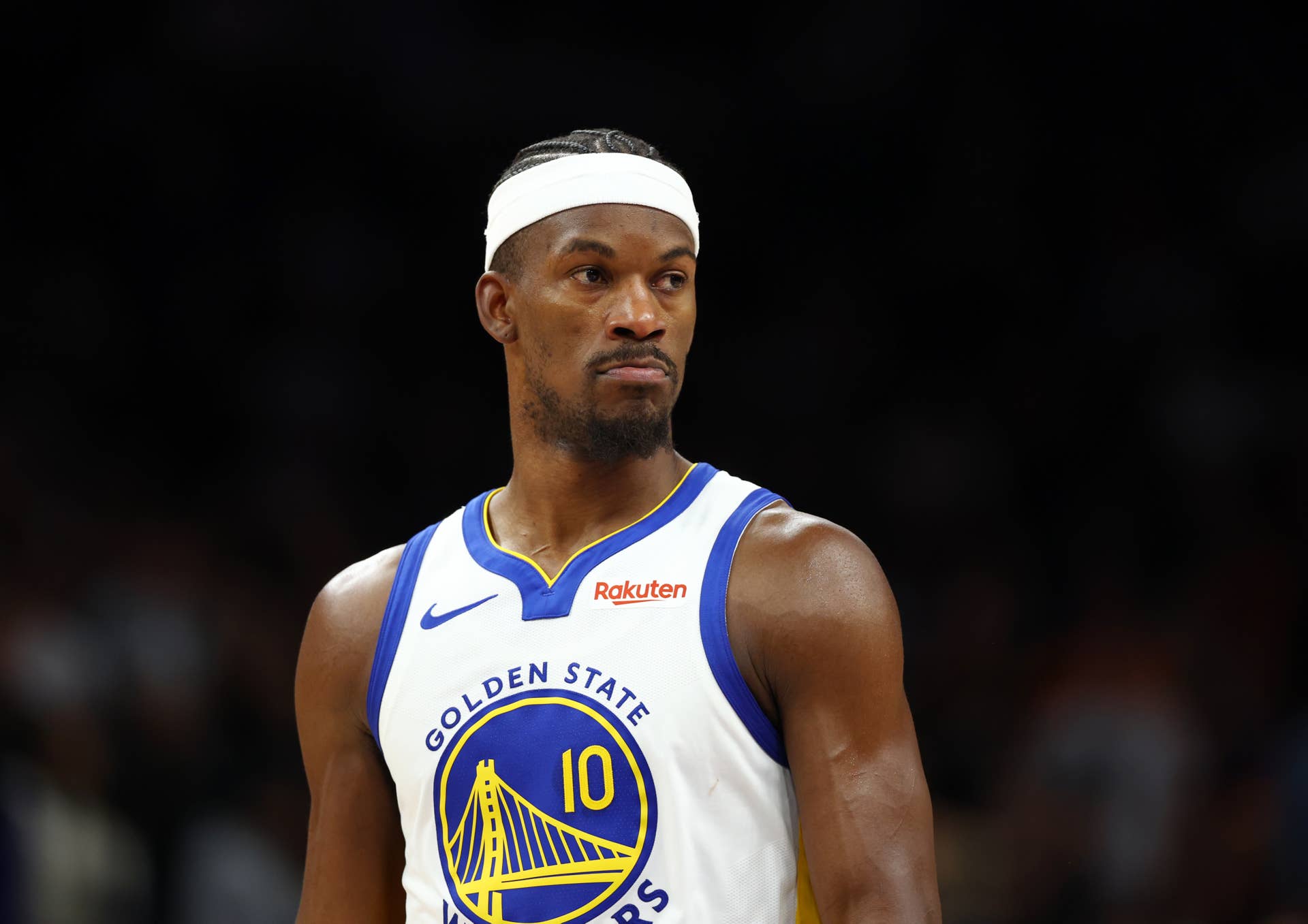
Jimmy Butler, Golden State Warriors — Window: NOT YET OPEN. Do Not Draft Until January
Butler suffered a torn ACL on January 19, 2026, and the Warriors are already preparing to start the 2026-27 season without him, with recovery expectations pointing toward the middle of the campaign at the earliest. Based on teammate De'Anthony Melton's comparable ACL timeline of exactly one year from surgery to return, Butler may not come back until early February 2027.
The pre-injury production clears the threshold set in this piece. In 38 games before going down, Butler averaged 20 points, 5.6 rebounds, 4.9 assists, and 1.5 steals while shooting 51.9% from the field. That stat line is multi-category production that hits points, assists, and the steal floor simultaneously. The system fit at Golden State is real. Playing alongside Curry in a read-and-react offense suits a ball-handler who creates without needing to operate at peak athleticism every possession. When healthy, Butler clears all three conditions.
But healthy is the entire problem right now. Condition One fails until there is a confirmed return date and a confirmed minutes protocol. A player who misses the first three months of the season and returns on a ramp-up schedule cannot be drafted as a standard fantasy asset in any redraft league. Butler is under contract for $56.8 million in 2026-27, so the team situation is settled, and he stays a Warrior. What is not settled is when he plays and at what capacity. This is the window that demands the most patience of any veteran in this piece.
Check back in December. If the recovery is ahead of schedule and Golden State announces an early-January return target, then and only then does Butler enter the conversation as a late-round dart throw with genuine upside. Right now, he is a name on a watch list, not a window worth opening.
How to Draft Veterans Correctly in a 2026-27 Fantasy League
© Mark J. Rebilas-Imagn Images
ADP Targets, Round Ranges, and the Exit Strategy for Veteran Holds
Knowing which veterans qualify is only half the job. Knowing exactly where to draft them, how to manage them during the season, and when to cut bait is the other half, and most managers skip it entirely.
Round Ranges by Window Type: Not all veteran windows carry the same draft urgency, and the round you target them in should reflect that directly.
Confirmed window veterans: Kevin Durant is the only veteran in this piece who fully qualifies as confirmed. His role in Houston is defined, his contract is set, and his 2025-26 production proved the window is real. Durant delivered 26-plus points per game for the 13th time in his career last season, maintaining elite efficiency with 52.0% from the field and 41.3% from three. A player doing that belongs in rounds two through four of any standard redraft league. If he is available beyond round four due to age-based ADP suppression, that is a gift. Take it.
Contingent window veteran: LeBron James falls here. His value is real in the right destination, but drafting him before his landing spot is confirmed is guessing, not analyzing. Target him in rounds seven through nine once you know where he lands. If he returns to Los Angeles in the already-established reduced role, rounds nine through eleven is the correct range. If he lands in Cleveland or Golden State, pull him up to rounds six or seven immediately. The situation tells you which number to use.
Recovery window veterans: Jimmy Butler belongs here. The Warriors are already preparing to start 2026-27 without him, with his return expected somewhere in the middle of the campaign at the earliest. In a standard ten or twelve-team redraft league, Butler should not be on your draft board at all. He is a waiver wire target in December or January, and not a draft pick in September.
The In-Season Exit Strategy
This is the part most managers get wrong. They draft a veteran with a real window, watch the first four weeks, and then hold too long because the name still feels valuable. Coaches usually reveal trust levels before fantasy production fully collapses. By the time the stat line craters, the waiver wire has already moved on. Define your trigger points before the season starts, not during it.
For Durant: The trigger is minutes dropping below 32 per game for three consecutive weeks without an injury explanation, or a public Houston coaching comment about load management becoming a permanent fixture rather than a game-to-game decision. Durant at 34 minutes is still a top-25 asset. Durant at 27 minutes in a managed role is a mid-tier contributor, and you will need to re-evaluate immediately if the minutes compress.
For LeBron: The trigger is usage rate falling below 20% for four consecutive weeks. At that level, the assists and counting stats can still trickle in, but the fantasy floor drops below the threshold that justifies a roster spot in most formats. Also watch for a public coaching comment about rest days becoming scheduled. That is the signal the team has moved from managing him to protecting him, and those are very different things for fantasy value.
For Butler: When he returns mid-season, the trigger works in reverse. Watch for him climbing back toward 30-plus minutes within the first three weeks of his return. If the Warriors are restricting him to 22 minutes on a hard cap two months after his comeback, the window never fully opened. If he hits 28 minutes by week four of his return and is closing games, he becomes a legitimate add regardless of what the ADP said in September.
Veterans do not become fantasy afterthoughts because they suddenly forget how to play. They become afterthoughts because the league moves on. Moving on could mean crowded rotations, youth movements, and six fewer minutes per night that cascade into three fewer shots, one fewer rebound, and one fewer steal every game. That adds up fast. The managers who set their exit triggers in advance are the ones who avoid being the last person holding a player whose role evaporated three weeks ago. For a broader look at which veterans face the steepest role compression risks heading into the season, read this piece on players most likely to lose roles in the 2026-27 season.
Format-Specific Recommendations
The format you play in changes which veteran is most useful to you, and the difference is significant enough to affect your draft priority order.
Category leagues are more forgiving of role compression because specific statistical contributions retain value even with reduced minutes. Durant is the clearest beneficiary of this. His three-point volume, steal rate, and shooting percentages hold up even if Houston manages him to 33 minutes a night instead of 36. In category formats, you are buying his efficiency and his three-point production as much as his raw scoring. LeBron in the right landing spot, specifically Cleveland, where playmaking and assists would be a premium, fits category formats better than points leagues because his assist floor remains useful even when his scoring nights become inconsistent.
Points leagues are far less forgiving. Raw volume is the primary driver, and role compression hits the box score immediately and directly. Durant clears the threshold in points formats because his volume is still elite (26 points per game is still quite elite)
LeBron in a reduced Lakers role does not clear it as comfortably; a 17-point, 7-assist night looks fine in categories and borderline in points. Butler, when he returns, fits points leagues better than categories because his all-around production in terms of points, assists, and steals, accumulates well in a single-score format if the minutes are there.
Ceiling-to-Cost Ranking: Priority Order for Your Draft Board
Mark J. Rebilas-Imagn Images
- Kevin Durant: The highest ceiling in this piece and, because of age-based ADP suppression, available at a genuine discount relative to his actual production. He earned his 12th All-NBA selection in 2025-26, with him being the only active player to earn the honor with five different franchises. The cost does not reflect that. He is the top ceiling-to-cost value in this entire piece, and it is not particularly close.
- LeBron James (Cleveland or Golden State scenario only): The window is contingent, but the potential usage bump in a non-Lakers landing spot creates genuine upside at a late-round price. If he lands somewhere that leans into his playmaking, his ADP in rounds seven through nine becomes an obvious discount for a player who can still contribute 17 points, 7 assists, and near-elite efficiency across a full season. The contingency keeps him below Durant, but the ceiling-to-cost ratio is favorable in the right scenario.
- LeBron James (Lakers return) A known, reduced role at a late-round price. The ceiling is lower than scenario two, but the cost reflects it. Acceptable as a support piece, not a foundation. Ranked separately because it is genuinely a different asset depending on destination.
- Jimmy Butler (post-return, in-season add only) The ceiling is real. His pre-injury line of 20 points, 5.6 rebounds, 4.9 assists, and 1.5 steals on 51.9% shooting is the kind of multi-category production that wins categories weekly. But the cost calculation is distorted by availability. You cannot properly price a player who may not play until February. He belongs at the bottom of this ranking not because the ceiling is low, but because the window has not opened yet. When it does, and when the minutes confirm the role is back, his ceiling-to-cost ratio immediately jumps. That is when to move.
Experience The Difference
The veterans worth targeting in Fantasy Basketball 2026-27 are the ones whose current situation creates a specific, affordable path to production.
Kevin Durant is the clearest conviction play in this piece. He comes in with a confirmed role, confirmed system, confirmed discount. LeBron James is the most situation-dependent, with Cleveland or Golden State representing a genuine window and Los Angeles representing a known ceiling at a known price.
Monitor free agency through July and training camp through October. Landing spots, minutes restrictions, and rotation announcements will confirm or close every window discussed here. Follow Athlon Sports' ongoing 2026-27 fantasy basketball coverage for updates as each situation resolves.
Questions About Drafting Veterans in Fantasy Basketball, Answered
Are veterans worth drafting in 2026-27 fantasy basketball?
Some veterans are worth drafting when they have a role that still produces counting stats, a team context that fits their current skill set, and an ADP that reflects decline rather than peak production. The discount is what creates the value.
Is LeBron James worth drafting in 2026-27 fantasy basketball?
LeBron James can still produce points, assists, and efficiency in the right situation, but his value depends heavily on his landing spot. He is best treated as a discounted veteran target after his destination is confirmed.
Is Kevin Durant still a reliable fantasy basketball player in 2026-27?
Kevin Durant remains one of the strongest veteran values because he still produces elite scoring and strong all-around numbers, has a defined role, and continues to perform at a top-tier fantasy level when healthy.
How do I know if a veteran's ADP is a good value or a name-value trap in fantasy basketball?
A veteran becomes a value when the draft price reflects current production rather than past reputation. If managers are paying for what the player used to be instead of what he can do now, the veteran becomes a name-value trap.
Should dynasty managers hold veterans with one more productive season left?
In most cases, no. Last-chance veteran windows are primarily redraft assets because the value proposition is built around a single season rather than long-term roster development.


