


Some older NBA players are entering the 2026-27 season in a tough spot. They have plenty of talent, but they are stuck on teams that do not fit them anymore. Right now, their fantasy value is very low. The most important thing to know is that these veterans must get traded to a new team to matter in fantasy basketball again. If they switch teams, they will win you leagues. If they stay where they are, they will ruin your team. This guide previews the top veterans who need a trade right now, where they need to go, and how you should draft them.
Veterans Most Dependent on a New Team
Kirby Lee-Imagn Images
Brandon Ingram (Toronto Raptors)
Brandon Ingram finished the 2025-26 season averaging 21.5 points and 5.6 rebounds per game. While these numbers seem respectable, his fantasy ceiling is significantly lowered by the crowded rotation in Toronto. He currently shares the floor with high-usage players like Scottie Barnes and RJ Barrett, which limits his shot attempts to just 16.7 per game. This lack of volume keeps him from being a true top-tier asset.
A trade to the Detroit Pistons would immediately solve this problem by making him the undisputed number one option. In Detroit, his role would expand significantly, allowing his scoring average to jump from his current 21.5 points per game to a projected range of 25.0 to 26.5 points. Additionally, being the primary playmaker would likely boost his assist numbers from 3.7 per game to over 5.0 per game.
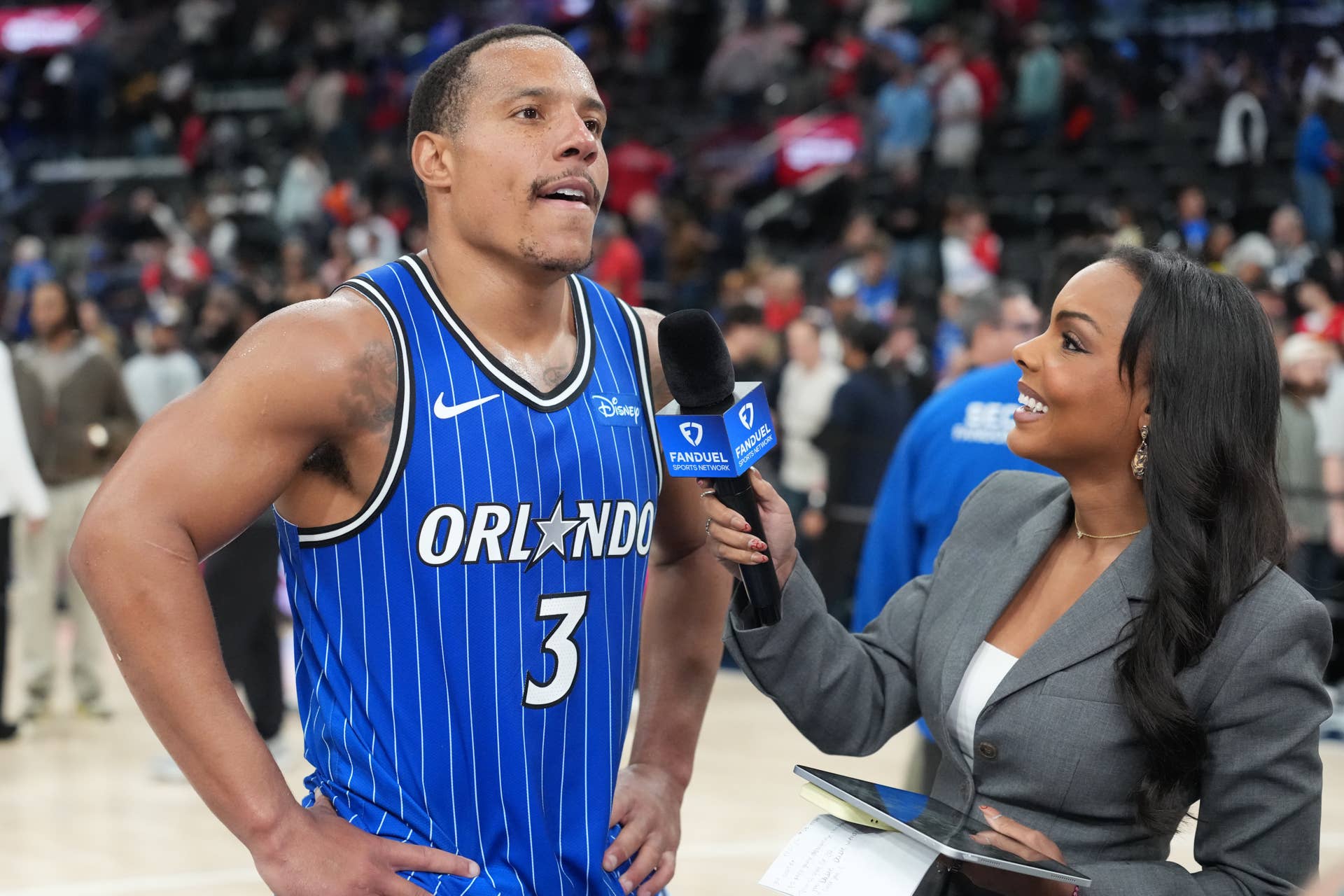
Desmond Bane (Orlando Magic)
Desmond Bane is currently stuck in a secondary role with the Orlando Magic, where he averaged 20.1 points and 4.1 assists this past season. The main issue is that the Magic offense runs through their forwards, leaving Bane with only 14.7 field goal attempts per night. This usage rate is far too low for a shooter of his caliber, capping his ability to produce elite fantasy weeks.
If he were moved to the Charlotte Hornets, his fantasy outlook would improve dramatically. Charlotte plays at a faster pace and needs a perimeter scorer to pair with their guards. In this new system, Bane could increase his three-point production from 2.0 makes per game to nearly 4.0 makes per game. We project his scoring would rise from 20.1 points to a robust 23.5 points per night.
Khris Middleton (Dallas Mavericks)
Khris Middleton has seen his fantasy value plummet while playing for the Dallas Mavericks. Last season, he averaged a career-low 10.0 points in just 21.1 minutes per game because the team prioritized younger wing players. His limited playing time makes him nearly unrosterable in standard leagues, as he simply does not get enough opportunities to fill the stat sheet.
The ideal scenario involves a trade to a contender like the Cleveland Cavaliers. On a team chasing a championship, Middleton would be needed for his experience and shooting, which would secure him a consistent 30-minute role. This increase in floor time would allow his scoring production to recover from 10.0 points to a helpful 15.5 points per game. The move that could unlock this value is further explored in Fantasy Basketball 2026-27: Players Whose Value Depends on One Offseason Move.
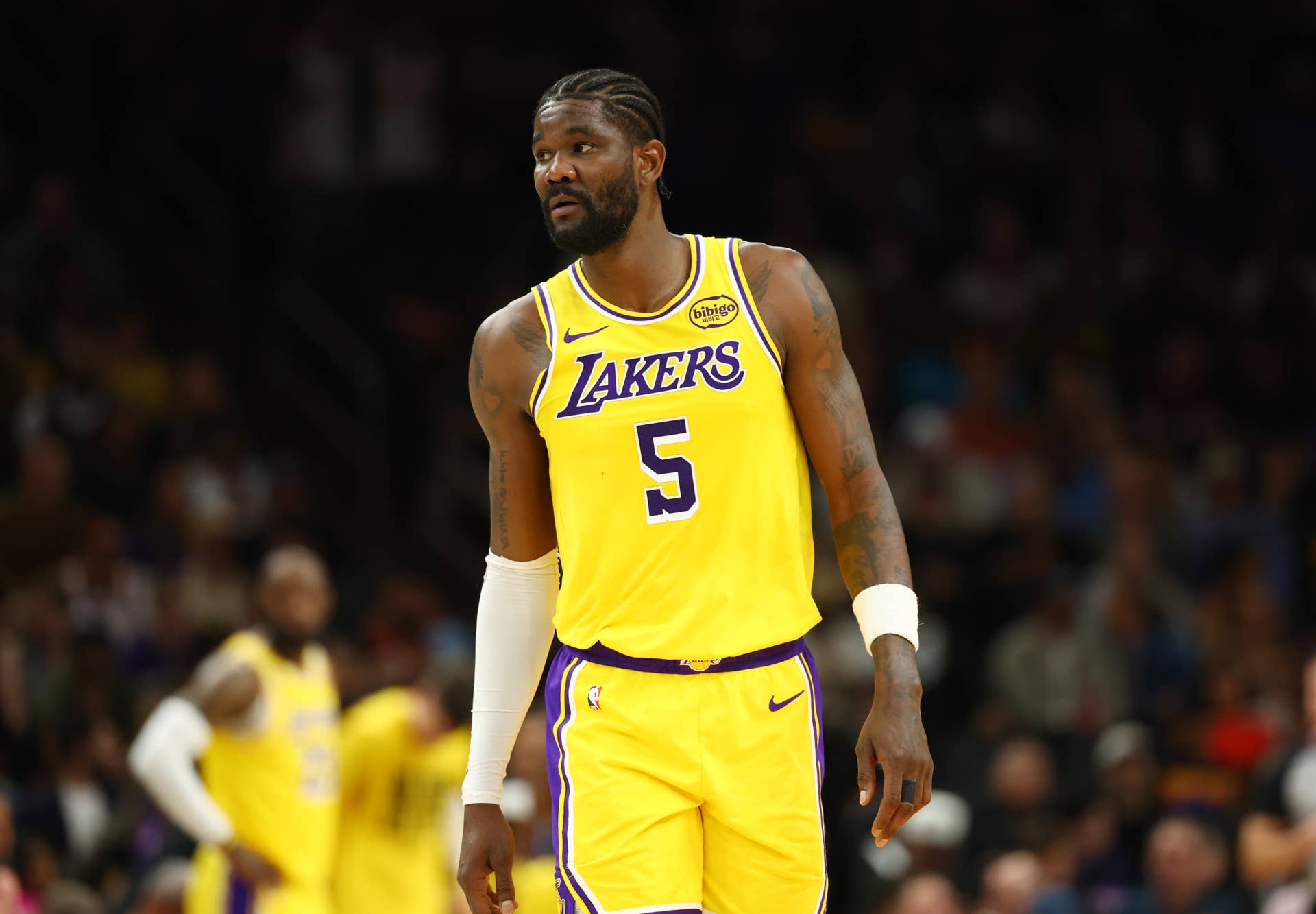
Deandre Ayton (Los Angeles Lakers)
Deandre Ayton is arguably the most underutilized big man in fantasy basketball right now. As the fourth option for the Los Angeles Lakers, he averaged only 12.5 points and 8.0 rebounds per game last season. His usage was incredibly low, with just 8.3 shot attempts per game, which prevents him from posting the double-double numbers managers expect from a starting center.
A trade to the New York Knicks would instantly revitalize his career. The Knicks need a physical presence in the paint, and Ayton would become a focal point of their interior offense. In this new environment, we project his rebounding would improve from 8.0 per game to a dominant 11.5 per game. Furthermore, his scoring would likely climb from 12.5 points to a solid 17.0 points per night.
Why a New Team Matters for Veteran Fantasy Value
A single trade can completely change a veteran's fantasy basketball value. When an experienced player gets stuck behind younger talent, their stats drop quickly. However, moving to a team with an open starting spot changes everything. This shift shows exactly why a new team matters when you are looking for hidden gems late in your draft. A change of scenery decides if a player stays on the waiver wire or wins you your league. Smart managers who understand this can draft great players at a very low cost.
A new offensive system or a less crowded roster can instantly unlock hidden skills. When a player leaves a slow team and joins a fast team, their stats improve right away. A simple role expansion can turn a bench player into a primary scorer. To see how these team changes affect positions across the league, read Fantasy Basketball 2026-27: Early Positional Scarcity Trends. Clearing out rival players on the roster lets a veteran shoot, pass, and rebound at an elite level again.
These new opportunities create high-reward choices for your draft. Veterans in bad situations usually cost very little to draft. This low price means you lose nothing if they fail, but you win big if they get traded. If a player gets stuck with a tiny twenty percent usage rate, a quick trade can bump that number up to twenty-eight percent overnight. Buying into these situations gives your team star-level talent for a very cheap price.
Draft and Roster Strategy for These Veterans
© Mark J. Rebilas-Imagn Images
You should target these risky veterans in rounds nine through twelve of your draft. Buying them late keeps your risk low while giving you huge potential off the bench. The best trade timing advice is to get them during training camp before rumors start, or hold them until the mid-season trade deadline. In short, the risk is wasting a late draft pick if they never get traded. The reward is getting a top-forty star for a very cheap price.
Your league format changes how you value these players. In head-to-head categories leagues, they are perfect for boosting weak stats like points or rebounds. In points leagues, their value depends strictly on total minutes and shot attempts. You can monitor these situations through free agency and training camp by reading daily beat writer reports. Watch preseason box scores closely to spot early playing time boosts before your league mates do.
Knowing when to buy, sell, or wait depends entirely on the latest news cycle. You should buy when trade rumors are quiet and draft costs are at their lowest point. You must wait and hold your asset if a trade is actively pending because selling too early destroys your profit. To better understand how to time these roster moves, read Fantasy Basketball 2026-27: Early Indicators of Next Season’s Breakout Stars. Act fast and add these players the second an official trade is announced.
Sometimes Success Just Needs A Push ... Or A Trade
In the 2026-27 fantasy basketball season, a few veterans have their entire value riding on one new team. Real-life situations prove that talent cannot overcome bad team fits or crowded rosters. Managers who correctly predict or wait for that key move will gain a huge edge in drafts and trades. By drafting these players at a low cost, you position your team to win big the moment a trade happens.
Questions About Veterans Who Need A New Team To Matter
Which veterans in 2026-27 fantasy basketball need a new team to matter?
Brandon Ingram, Desmond Bane, Khris Middleton, and Deandre Ayton stand out as veterans whose fantasy value depends heavily on landing in a better situation with more usage, minutes, or offensive responsibility.
How can a new team dramatically change a veteran’s fantasy ceiling?
A team change can create more playing time, higher shot volume, a larger offensive role, or a system that better fits a veteran’s strengths. Those changes can quickly raise fantasy production.
When should I draft or trade for these veterans?
Target them in rounds nine through twelve to limit risk while preserving upside. Buying before trade momentum builds or holding through trade windows can create the best value.
Are there risks with chasing veterans waiting on a new team?
Yes. If no move happens, you may spend a late pick on limited production. If the player lands in a stronger role, the return can far outweigh the draft cost.
How do I monitor these free-agency and trade situations?
Follow free agency updates, training camp developments, daily beat writer reporting, and preseason playing time to identify role changes early.
Which fantasy formats are most affected by these veterans?
Head-to-head categories leagues can benefit from targeted stat boosts, while points leagues place greater emphasis on minutes and shot volume.


