


Hype and patience do not go hand in hand. It’s important to pump the brakes and temper expectations, even when it comes to adding rookies to your 2026-27 fantasy basketball draft strategy.
There’s no denying that the 2026 NBA Draft class is excellent. And the top four draftees are set up to be legit NBA contributors. But that doesn’t guarantee they can help a redraft fantasy team in October.
Landing spots, role context, and development concerns are the three variables that separate a year-one fantasy contributor from a dynasty hold. Unfortunately, each of these four rookies has at least one of those variables working against an immediate fantasy return.
Here’s what fantasy managers in redraft formats need to know before going all in on these players.
AJ Dybantsa, Washington Wizards: The No. 1 Pick Is Not the No. 1 Usage Option on His Own Team
The BYU product is expected to be the perfect fit between Trae Young and Anthony Davis in D.C. But that is a role description, not a confirmation of usage.
Young will control the offense while Davis anchors up front (when he’s healthy, of course), which will cap Dybantsa’s minutes. The Wizards also aren’t going to give the first-overall pick massive minutes if they aren’t playing well out of the gate. And, even with his multi-cat playing abilities, Dybantsa’s three-point shooting needs to develop further.
Dybantsa’s year-one value is real, but his ADP is higher than it should be. Managers should target him in the middle rounds (Round 5-8) as a secondary scorer and rim attacker.
Darryn Peterson, Utah Jazz: A Crowded Rotation That Will Test His Patience and Yours
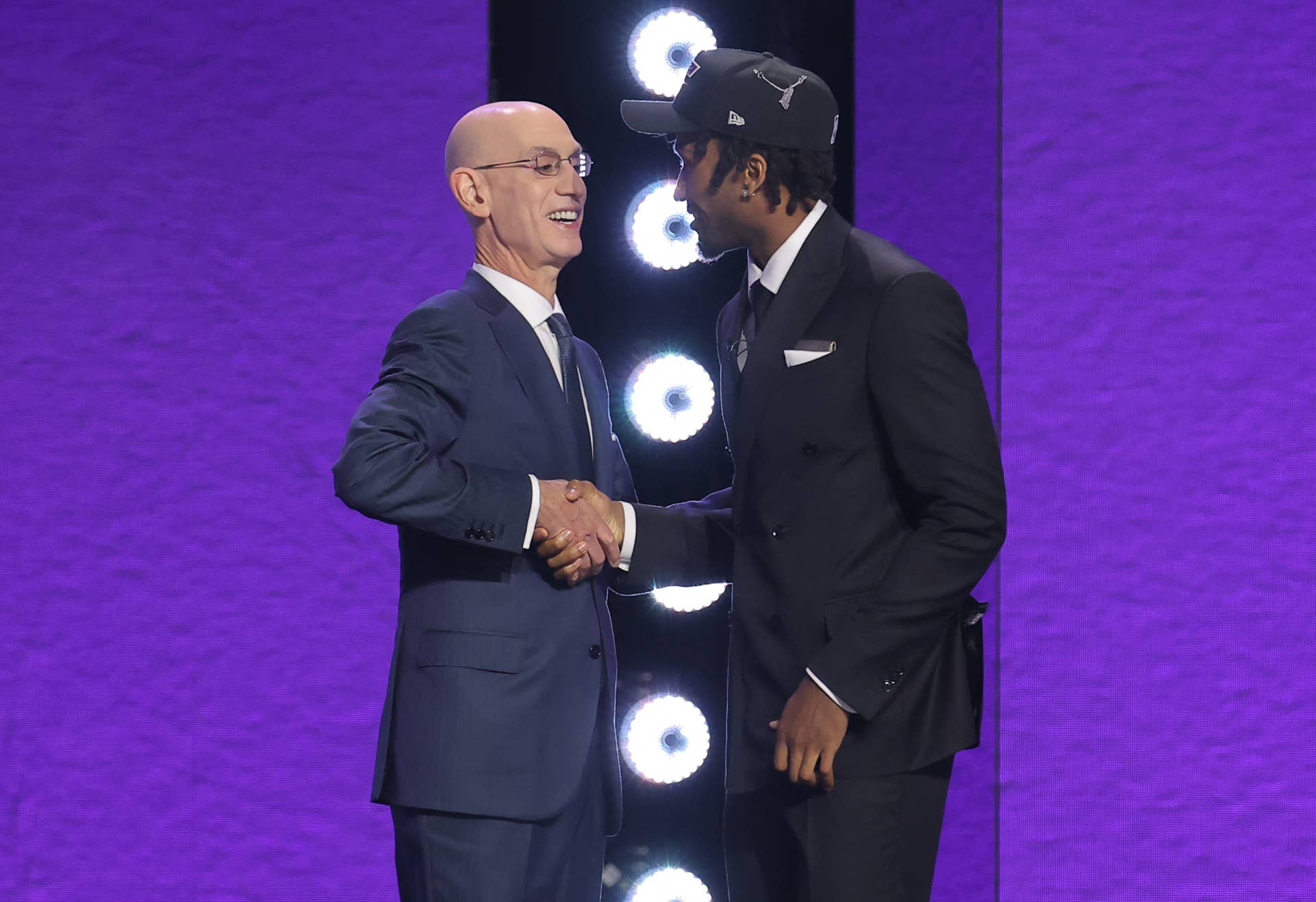
Brad Penner-Imagn Images
The Jazz have been working hard since last season to beef up their roster, and now Peterson joins a crowded rotation with a built-in scoring hierarchy.
Peterson won’t just be competing with Keyonte George and Ace Bailey for usage, although he’s expected to slot in very nicely opposite George in the starting rotation. But Utah also has a crowded front court full of playmakers in Lauri Markkanen, Walker Kessler, and Jaren Jackson Jr. Being that Peterson is also a shooter first and a playmaker in progress, he isn’t expected to get major usage early in the season. (And that’s before we address any of his bizarre health stuff.)
Peterson’s ball-handling abilities will develop. Just not within the first month of the 2026-27 season. The Kansas product is a middle-round (Round 6-9) target for redraft leagues.
Cameron Boozer, Memphis Grizzlies: The Safest Bet in the Class, With One Development Caveat
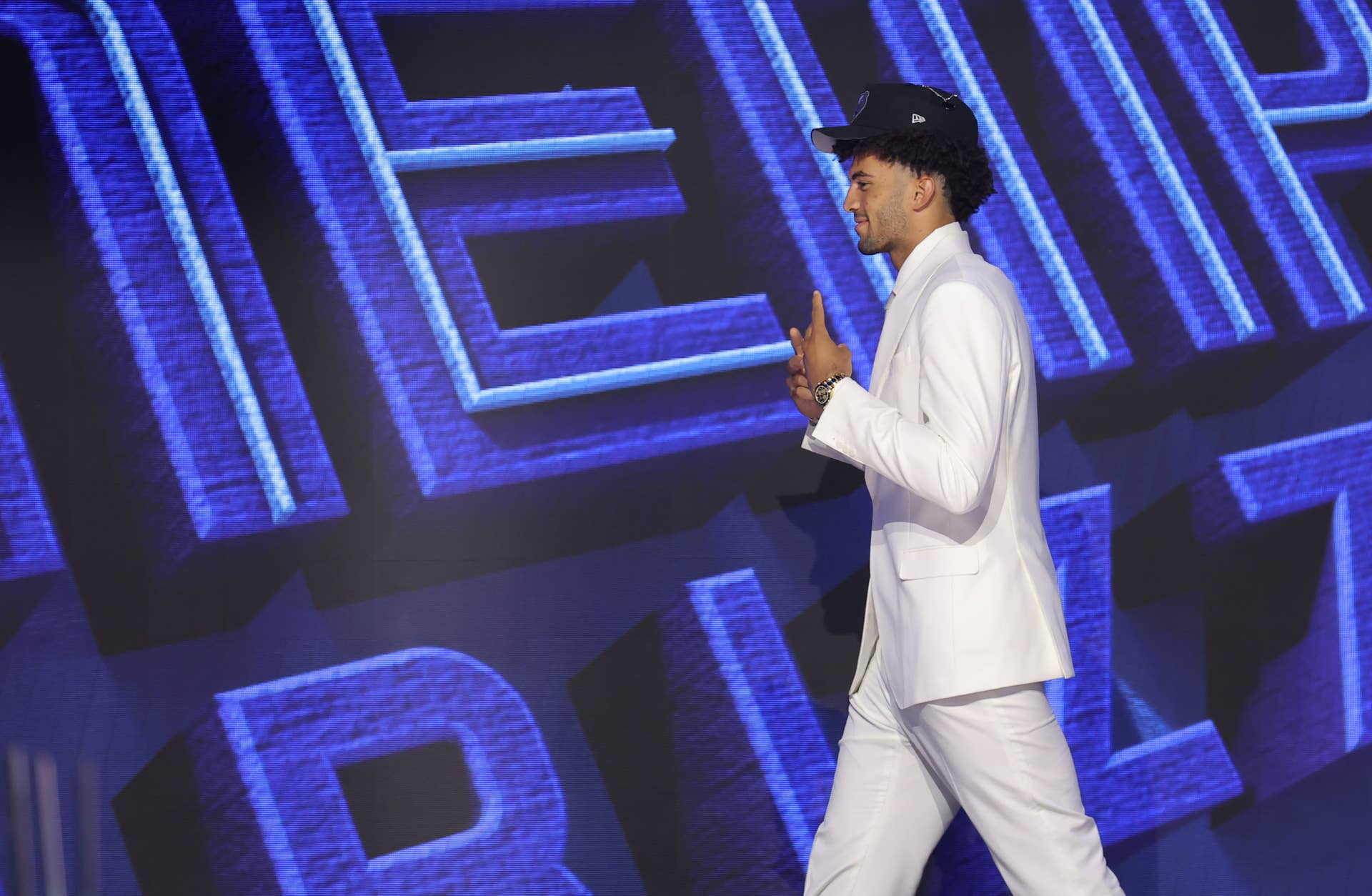
Brad Penner-Imagn Images
Of the four players on our list, Boozer has the clearest path to first-year fantasy production. Memphis’ rotation is thin and in rebuilding mode. Even with the looming Ja Morant decision, this should mean plenty of opportunities for a player who averaged 22.5 points, 10.2 rebounds, 4.1 assists, and a 55.6% field-goal rate as a college freshman.
One caveat: Boozer is a raw talent, but still lacks vertical hops and hasn’t developed into an isolated shooter at the professional level yet. That puts a ceiling on his minutes. His points production will still be legit in his rookie season, but his shot volume may be capped until he develops a better jump shot.
Boozer is still a top-three rookie pick who will deliver on rebounds and field goals early next season. But since he’s still developing his game, redraft owners shouldn;t target him until the fourth or fifth round of their drafts.
Caleb Wilson, Chicago Bulls: The Longest Patience Requirement in the Draft's Top Four
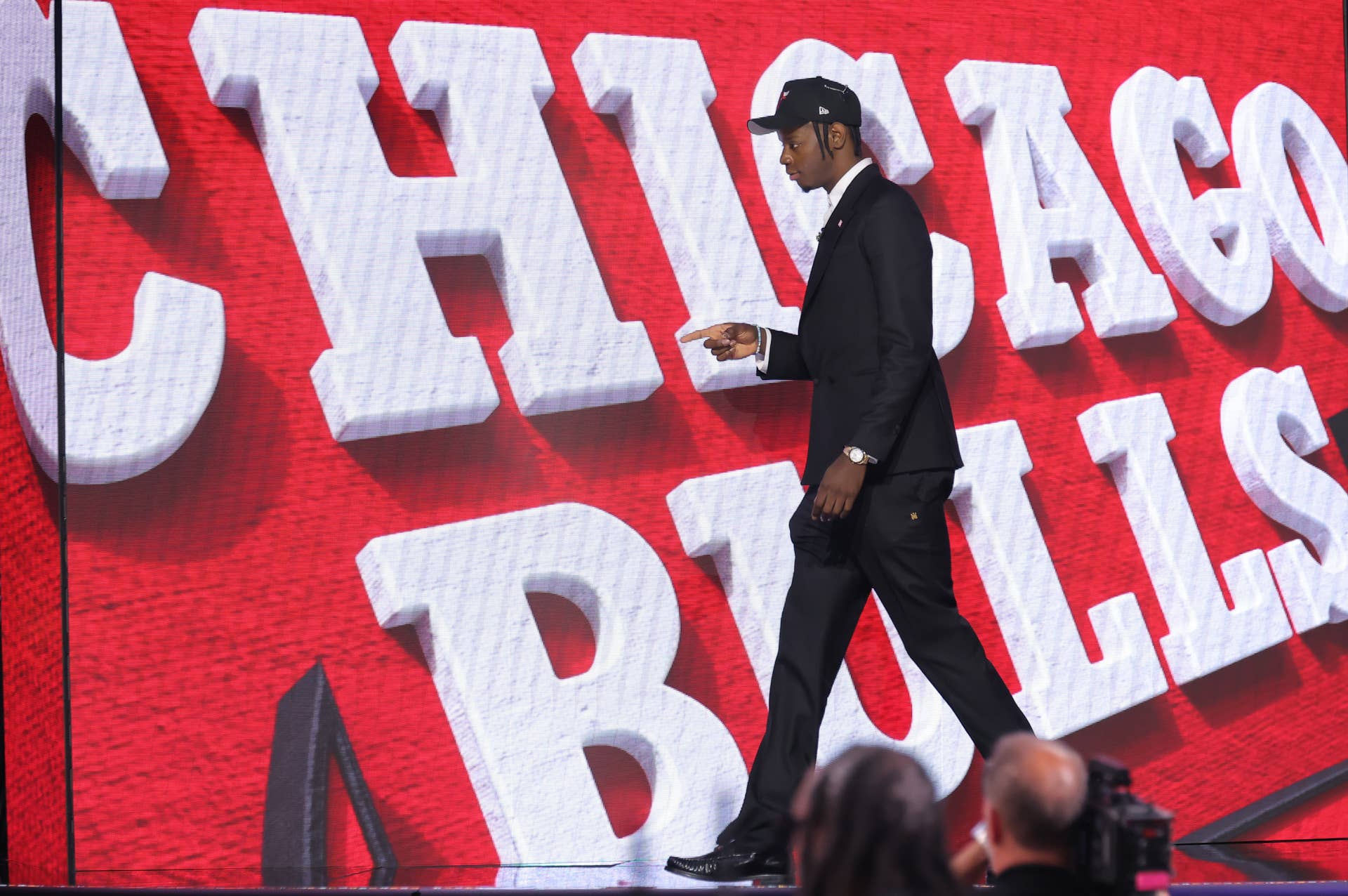
Brad Penner-Imagn Images
SI.com said it best before the draft. Wilson is “a candidate to get off to a slow start but a hot finish to his rookie season.”
The talent is there, and the UNC product is expected to start his professional career healthy. But, despite averaging nearly 20 points per game his freshman year, Wilson still has to develop his offensive skills. The timeline for him to curate his NBA resume is very much open for question, too, since the Bulls have a new management regime in place and cap space to work with.
Wilson could be a late-round pick target in redraft leagues, but that depends on what else Chicago does during free agency and who gets the most looks in training camp. He’s a dynasty target for long-term value, but his immediate impact seems limited.
The 2026-27 Rookie Draft Strategy That Accounts for Patience
Fantasy managers need to build their 2026-27 draft boards with a realistic idea of what the top-four rookies will contribute. Boozer will be an early contributor with room to grow. Dybantsa and Peterson will be productive but have ceiling limitations, and their roles are not yet defined. Wilson is more of a dynasty investment than a redraft target.
The best redraft approach is to let the hype inflate other managers' picks of these players. Track training camp and preseason rotation reports closely in September, and update your board after Summer League performances. Then, draft them at realistic production prices, not as mispriced roster anchors. And don’t forget to check Athlon's 2026-27 fantasy basketball rankings as they update with post-draft and post-free agency clarity.
Questions About Fantasy Basketball Rookies, Answered
Should I draft AJ Dybantsa in fantasy basketball 2026-27?
Dybantsa has real year-one value, but expectations should be tempered. He projects best as a middle-round target because he joins a roster where Trae Young and Anthony Davis are expected to command significant offensive responsibility.
Is Darryn Peterson worth drafting in fantasy basketball 2026-27?
Yes, at the right price. Peterson enters a crowded Utah rotation and is still developing as a playmaker, making him a better middle-round target than an early-round selection in redraft formats.
Is Cameron Boozer the safest 2026 rookie to draft in fantasy basketball?
Boozer has the clearest path to immediate fantasy production among the top rookies. His rebounding and scoring profile should translate early, even if parts of his offensive game remain in development.
How long does Caleb Wilson need to develop for fantasy basketball?
Wilson appears to require the longest development timeline of the group. He is a stronger dynasty target than a redraft option because his immediate fantasy impact is expected to be limited.
What is the best draft strategy for 2026 rookies in redraft fantasy basketball leagues?
Focus on realistic production rather than hype. Boozer profiles as the most immediate contributor, Dybantsa and Peterson offer value with role-related limitations, and Wilson is best viewed as a long-term investment.


