


Even the absolute best NBA superstars cannot win a fantasy league by themselves. In fantasy basketball, a player's statistics are heavily shaped by the teammates sharing the court with them. You can draft an incredibly talented scorer, but if their team adds another ball-dominant player, those scoring numbers will instantly drop.
As we look ahead to the upcoming season, there are multiple fantasy basketball stars whose supporting cast could change their value. A star's fantasy production can skyrocket with the right floor-spacers or plummet if an incoming high-usage player steals their touches.
This guide breaks down the specific top-tier players most vulnerable to roster shakeups, analyzes the exact teammate scenarios that will alter their box scores, and provides the clear draft strategies you need to stay ahead of your league managers.
Stars Most Sensitive to Supporting Cast Changes
© Geoff Burke-Imagn Images
The Teammates That Could Unlock (or Limit) Their Ceiling
A player's fantasy basketball output depends significantly on the ecosystem around them. The stars most sensitive to supporting cast changes are often those whose efficiency, assist numbers, or overall usage shift wildly based on the exact configuration of their teammates. Monitoring the upcoming offseason moves is critical, as highlighted in the Fantasy Basketball 2026-27: Players Whose Usage Depends on Summer Decisions report, because a single transaction can alter a player's baseline profile.
The following 5 star players are highly dependent on the summer roster outcomes of their supporting casts heading into the 2026-27 season.
1. Victor Wembanyama (San Antonio Spurs)
Wembanyama is already a top-tier fantasy asset, but the teammates that could unlock historic first-round value are elite, traditional playmakers and reliable spacer guards.
Scenario to Raise Value: Adding an elite pick-and-roll table-setter and high-volume 3-point shooters. This improves his shot quality, minimizes double teams, boosts his assist-to-turnover ratio, and spikes his field goal percentage.
Scenario to Lower Value: Retaining a heavily congested backcourt without a pure point guard, forcing him into isolations and top-of-the-key shot creation.
Projection Ranges:
Optimistic Cast: 26.5 PPG, 12.0 RPG, 5.5 APG, 4.2 BPG, 51% FG%
Pessimistic Cast: 22.0 PPG, 10.5 RPG, 3.8 APG, 3.6 BPG, 45% FG%
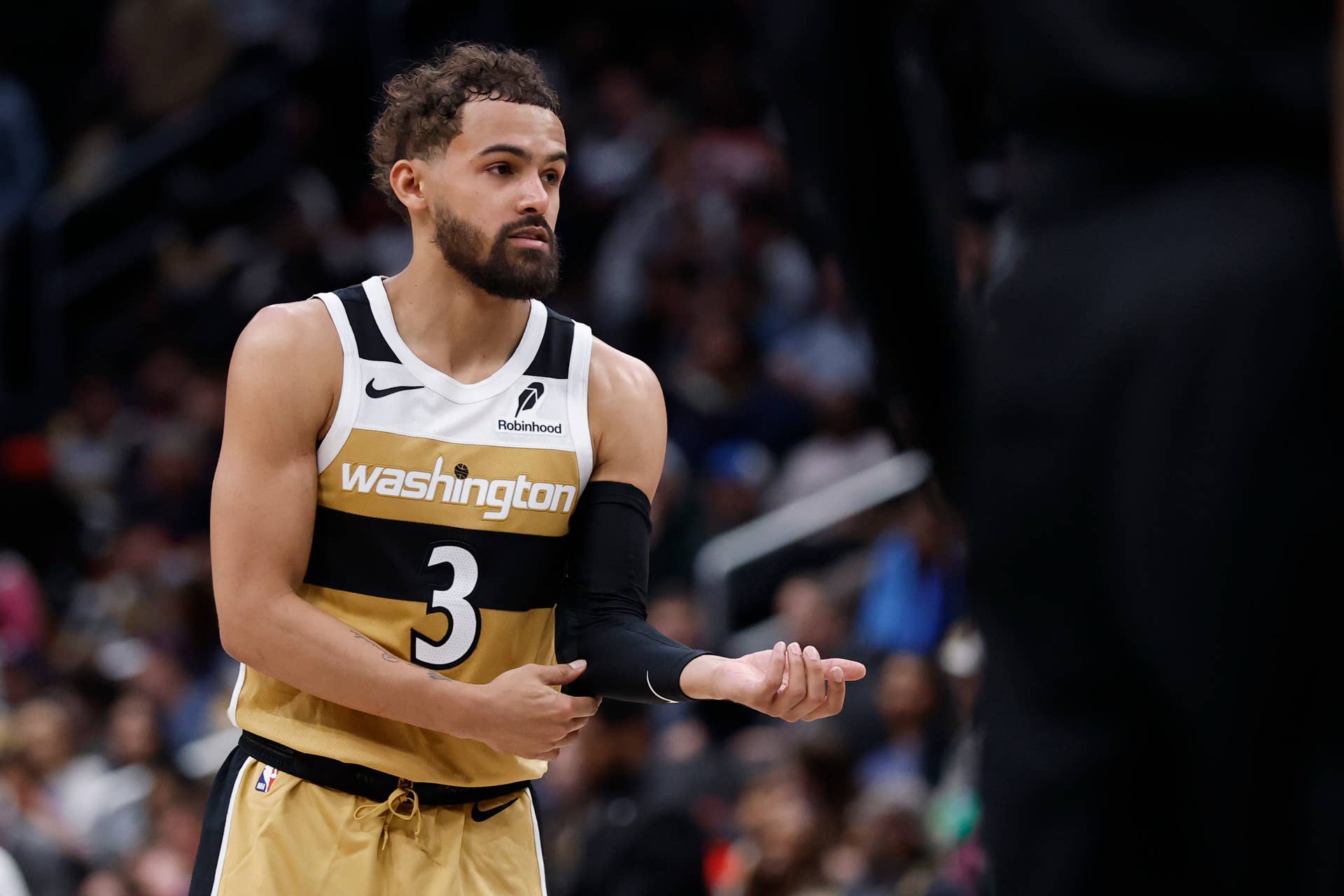
2. Trae Young (Washington Wizards / Trade Target)
Trae Young offers an incredibly high floor for points and assists, but his field goal percentage and defensive stats vary heavily with personnel.
Scenario to Raise Value: Landing an elite rim-running big man who finishes lobs efficiently alongside wing defenders who shield him on defense. This caps his turnovers, elevates his assists, and keeps him fresher on the offensive end.
Scenario to Lower Value: A lack of secondary perimeter playmakers. Teams will blitz him constantly, causing his field goal percentage to plummet and his turnovers to spike.
Projection Ranges:
Optimistic Cast: 27.0 PPG, 11.2 APG, 1.3 SPG, 44% FG%
Pessimistic Cast: 23.5 PPG, 8.5 APG, 0.9 SPG, 39% FG%
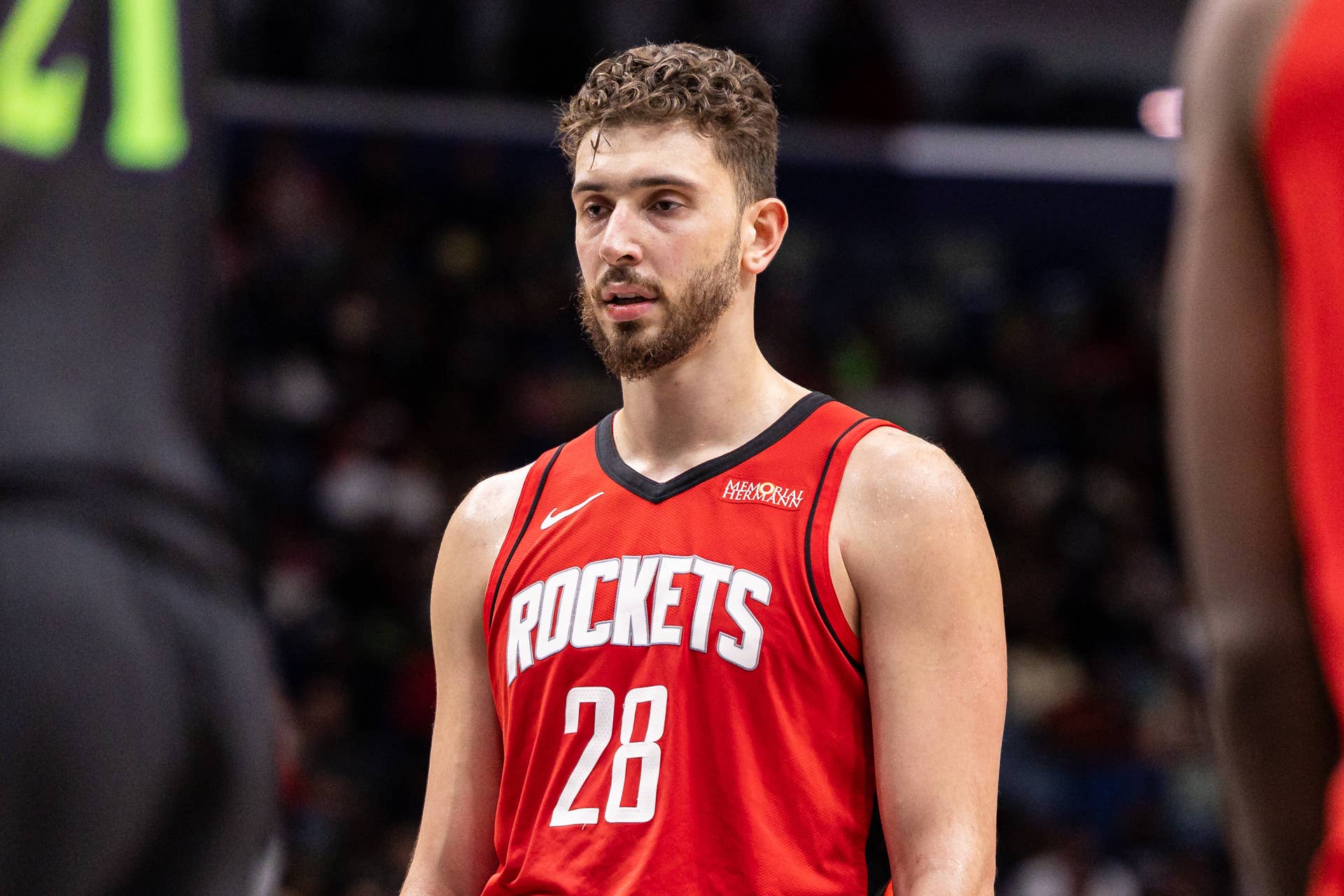
3. Alperen Şengün (Houston Rockets)
Şengün operates beautifully out of the high post, mimicking a hub style of play that requires a precise environment to achieve maximum efficiency.
Scenario to Raise Value: Flanking him with high-end, off-ball movement shooters who can capitalize on his elite passing vision. Clearing out overlapping non-shooting bigs maximizes his paint space and rebound floor.
Scenario to Lower Value: Logged interior depth charts or ball-dominant guards who ignore him in the halfcourt, converting him into a screen-setter instead of an offensive hub.
Projection Ranges:
Optimistic Cast: 22.5 PPG, 10.8 RPG, 6.5 APG, 1.2 SPG, 54% FG%
Pessimistic Cast: 17.0 PPG, 8.2 RPG, 4.0 APG, 0.8 SPG, 49% FG%
4. Darius Garland (Los Angeles Clippers / Trade Target)
Garland is a prime bounce-back candidate whose performance depends heavily on backcourt balance.
Scenario to Raise Value: Operating as the undisputed primary ball-handler surrounded by 3-and-D wings. This enables pure offensive control, maxing out his assist volume and shot attempts.
Scenario to Lower Value: Sharing court time with another high-usage, ball-dominant guard. This forces him to play off the ball, which drops his usage and cuts his playmaking rhythm.
Projection Ranges:
Optimistic Cast: 21.0 PPG, 8.5 APG, 2.4 3PM, 46% FG%
Pessimistic Cast: 15.5 PPG, 5.2 APG, 1.8 3PM, 42% FG%
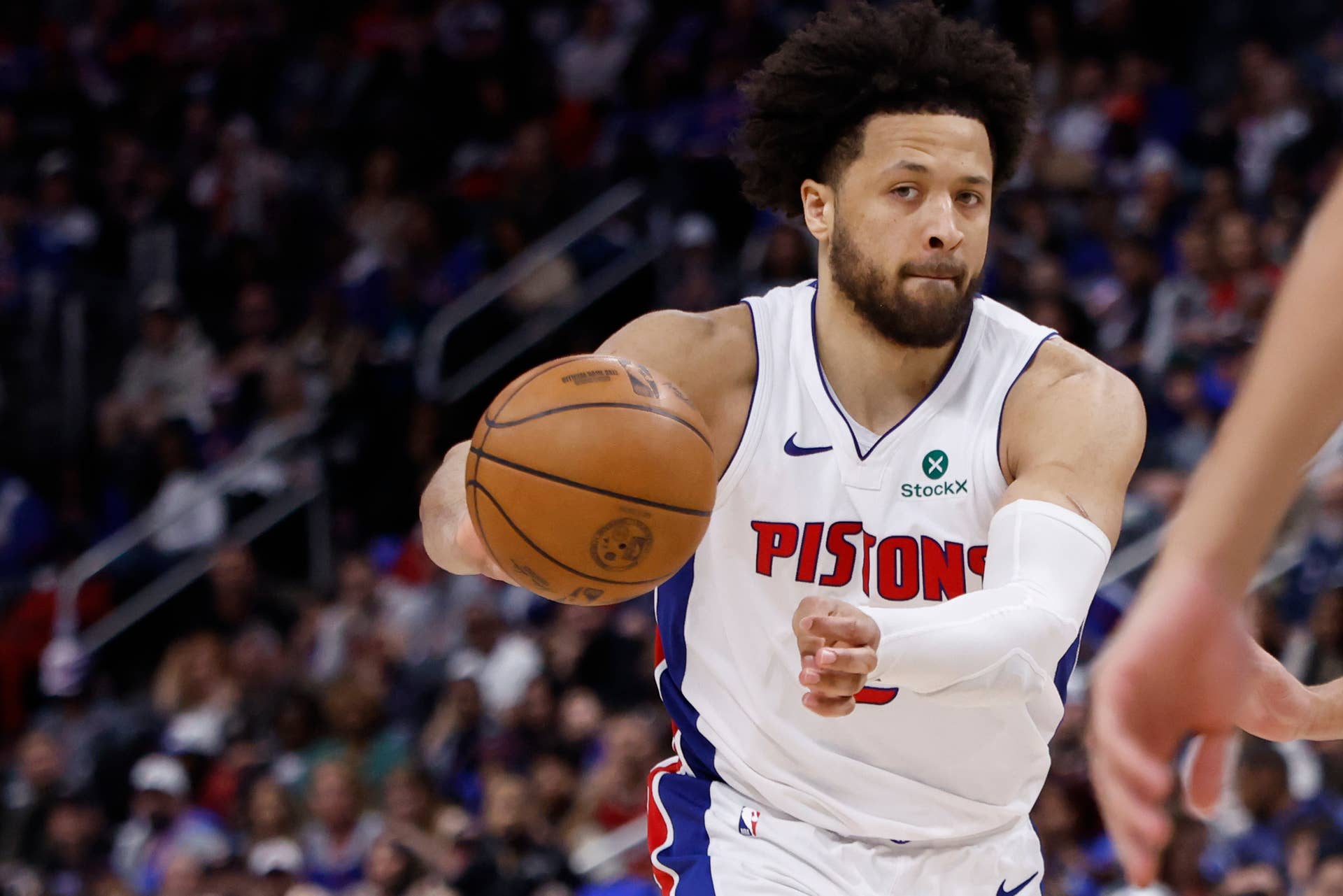
5. Cade Cunningham (Detroit Pistons)
Cunningham possesses elite size and talent, but his statistical ceiling is constrained entirely by his team's spacing.
Scenario to Raise Value: Detroit securing multiple high-percentage outside shooters to clear the lane. This allows him to drive at will, creating easy kick-out assists and lifting his true shooting percentage.
Scenario to Lower Value: Roster configurations that feature multiple non-shooting threats on the floor at once, allowing opposing interior defenders to pack the paint.
Projection Ranges:
Optimistic Cast: 24.5 PPG, 6.2 RPG, 8.8 APG, 45% FG%
Pessimistic Cast: 20.0 PPG, 5.0 RPG, 6.4 APG, 40% FG%
Why Supporting Cast Changes Matter for Star Fantasy Value
© Stephen Lew-Imagn Images


Spacing, Usage, and Efficiency Shifts
An NBA roster's structure directly dictates a star player's analytical profile. Understanding the mechanics of spacing, usage, and team design allows fantasy managers to project statistical leaps before they happen, which is why monitoring Fantasy Basketball 2026-27: Teams With Vacant Usage Up for Grabs helps identify which stars are about to inherit optimized environments.
Here is how supporting personnel directly shapes a star's fantasy ceiling, floor, and category output.
The Mechanics of an Optimized Supporting Cast
The right environment enhances a star’s statistical profile through three primary on-court dynamics:
Gravity and Spacing: Reliable perimeter shooters force defenders to stay attached to the 3-point line. This clears out the paint, giving slashing stars wide lanes to attack the rim, which raises field goal percentages and creates wide-open kick-out assist opportunities.
Playmaking Redistribution: When a roster features a secondary high-level playmaker, it reduces the defensive pressure on the primary star. The star can score on easy cuts, off-screen catches, or in transition, which improves efficiency and reduces turnovers.
Usage Concentration: When a team replaces high-volume, inefficient chuckers with low-usage, defensive-minded role players, the remaining star sees a massive spike in raw touches, field goal attempts, and overall offensive responsibilities.
How a Poor Supporting Cast Caps a Star's Ceiling
On the other hand, a poorly constructed roster creates systemic issues that consistently suppress a star's fantasy value:
The Packed Paint: Playing alongside non-shooting bigs or poor perimeter guards allows opposing defenses to sag into the lane. Stars face constant double and triple-teams, forcing them into highly contested, low-efficiency mid-range pull-ups.
The Turnover Trap: Without secondary shot-creators, a star must handle the ball on almost every possession. Opposing teams will blitz, trap, and full-court press that single player, leading to high turnover numbers that destroy value in category leagues.
Defensive Fatigue: If the supporting cast lacks lock-down perimeter or rim defenders, the star must expend significant energy on the defensive end. This heavy two-way burden directly leads to late-game fatigue, lower shooting efficiency, and a higher risk of soft-tissue injuries.
Positional and Category-Specific Impacts
Roster shifts alter very specific fantasy categories depending on the player's position:
Guards: Adding a reliable rim-runner spikes assist totals, while adding 3-and-D wings reduces defensive pressure and lowers turnovers.
Big Men: Adding a pure point guard increases field goal percentage and scoring via easy dunks, while adding a second non-shooting big cuts into their rebounding floor.
Field Goal Percentage (FG%): Highly sensitive to court spacing. Good spacing converts tough, contested floaters into uncontested layups and dunks.
Assists (APG): Entirely dependent on the supporting cast's ability to hit shots. A star can make a perfect pass, but if the teammate misses the open look, the assist is lost.
Turnovers (TO): Directly tied to defensive pressure. A lack of alternative ball-handlers forces the star into high-risk passing windows, inflating turnover rates.
Defensive Stats (ST/BLK): When a team has elite point-of-attack defenders, it forces opponents into late-clock, desperation situations, allowing help-side stars to rack up easy steals and blocks.
Draft and Roster Strategy for These Stars
Rick Osentoski-Imagn Images
When to Buy, Sell, or Hold
Draft high-variance stars based on clear roster thresholds, targeting Victor Wembanyama at Pick 1 only if San Antonio adds an elite playmaker, otherwise sliding him to Pick 3. Target Cade Cunningham in late Round 2 if Detroit adds shooters, or slide him to mid-Round 3 if spacing remains poor. Snag Alperen Şengün in early Round 3 with a spaced floor, but drop him to Round 4 if the Rockets' frontcourt remains overcrowded. Grab Darius Garland in Round 5 as a solo primary playmaker, but pass until Round 7 if he is paired with another high-usage guard.
Optimizing your overall draft and roster strategy requires executing trades around key offseason milestones, which means buying stars on teams rumored to clear cap space before draft night, or selling high on middle-tier stars immediately after their team signs a high-usage veteran. Knowing exactly when to buy, sell, or hold these assets is crucial; you can find more context on predicting these market movements in the Fantasy Basketball 2026-27: Early Indicators of Next Season’s Breakout Stars guide.
Secure elite upside while mitigating risk by pairing these volatile, high-turnover assets with low-risk, efficient veterans in adjacent rounds. Remember that spacing changes heavily damage field goal percentages and turnover counts in Category leagues, whereas raw volume preserves value in Points leagues regardless of poor roster efficiency.
Monitor summer league usage, team cap space, and beat writer reports to track real-time system changes. Act instantly when a major trade is announced to exploit immediate usage shifts before your league mates react, but hold firm and avoid panic trading a star if their team merely signs a defensive specialist who takes zero offensive shots.
Look Ahead, Not Back
Heading into the 2026-27 fantasy basketball season, a star's environment is everything. Several top-tier players are completely at the mercy of their front office's summer moves. If a team lands the right floor-spacer or playmaker, their star's efficiency and assists will skyrocket. On the flip side, a clogged, poorly spaced roster will absolutely tank their value with bad shooting percentages and ugly turnover numbers.
As a manager, you can't just draft based on last year’s stats. If you can correctly anticipate these depth chart shifts before your league mates do, you’ll unlock a massive edge in both drafts and trades.
Questions About Supporting Cast Changes On Fantasy Basketball, Answered
Which 2026-27 stars are most affected by supporting cast changes?
Victor Wembanyama, Trae Young, Alperen Şengün, Darius Garland, and Cade Cunningham are identified as stars whose fantasy value could shift significantly depending on roster construction, spacing, playmaking support, and usage changes.
How can supporting cast changes raise or lower a star’s fantasy value?
Supporting cast changes alter spacing, usage, efficiency, turnover pressure, and category production. Improved floor spacing and secondary creation can boost scoring efficiency and assists, while poor roster fit can reduce volume and increase defensive attention.
When should I draft or trade these stars?
Draft timing depends on offseason roster outcomes. The guidance supports adjusting player value based on additions of shooters, playmakers, or usage competition and making trade decisions around major offseason developments.
Are there risks with chasing stars dependent on supporting cast?
Yes. Poor spacing, overloaded usage, defensive fatigue, and roster imbalance can suppress efficiency and create volatility that lowers category production.
How do I monitor supporting cast developments?
Track summer league usage, team cap space, beat writer reporting, offseason transactions, and major trade announcements to identify role and usage changes before draft season.
Which fantasy formats are most affected by supporting cast shifts?
Category leagues are especially sensitive because field goal percentage and turnovers fluctuate heavily with roster fit, while Points leagues preserve more value through volume.


