


We talk a lot this time of year about the teams who are going to be aggressive during the NBA Draft and the opening of free agency. But there is an underrated power in offseason stability, and it can have a ripple effect on next season’s fantasy basketball rosters.
As opposed to players hoping a trade will boost their usage, there are others who would gain significant value if their teams avoid major changes. These players took advantage of opportunities and broke out in 2025-26, and a quiet summer would help ensure expanded roles next season.
Here’s what fantasy managers need to know as offseason moves pick up the pace.
Why a Quiet Summer Creates Fantasy Winners
It’s simple: Quiet summers help players avoid competition and maintain opportunity. And those ample opportunities turn into fantasy gains.
The players on our list all had minutes spikes last season that boosts their fantasy output. They are in line for expanded roles in 2026-27, and major trades on draft day and when the market opens can jeopardize that.
Players Who Benefit Most From Team Stability
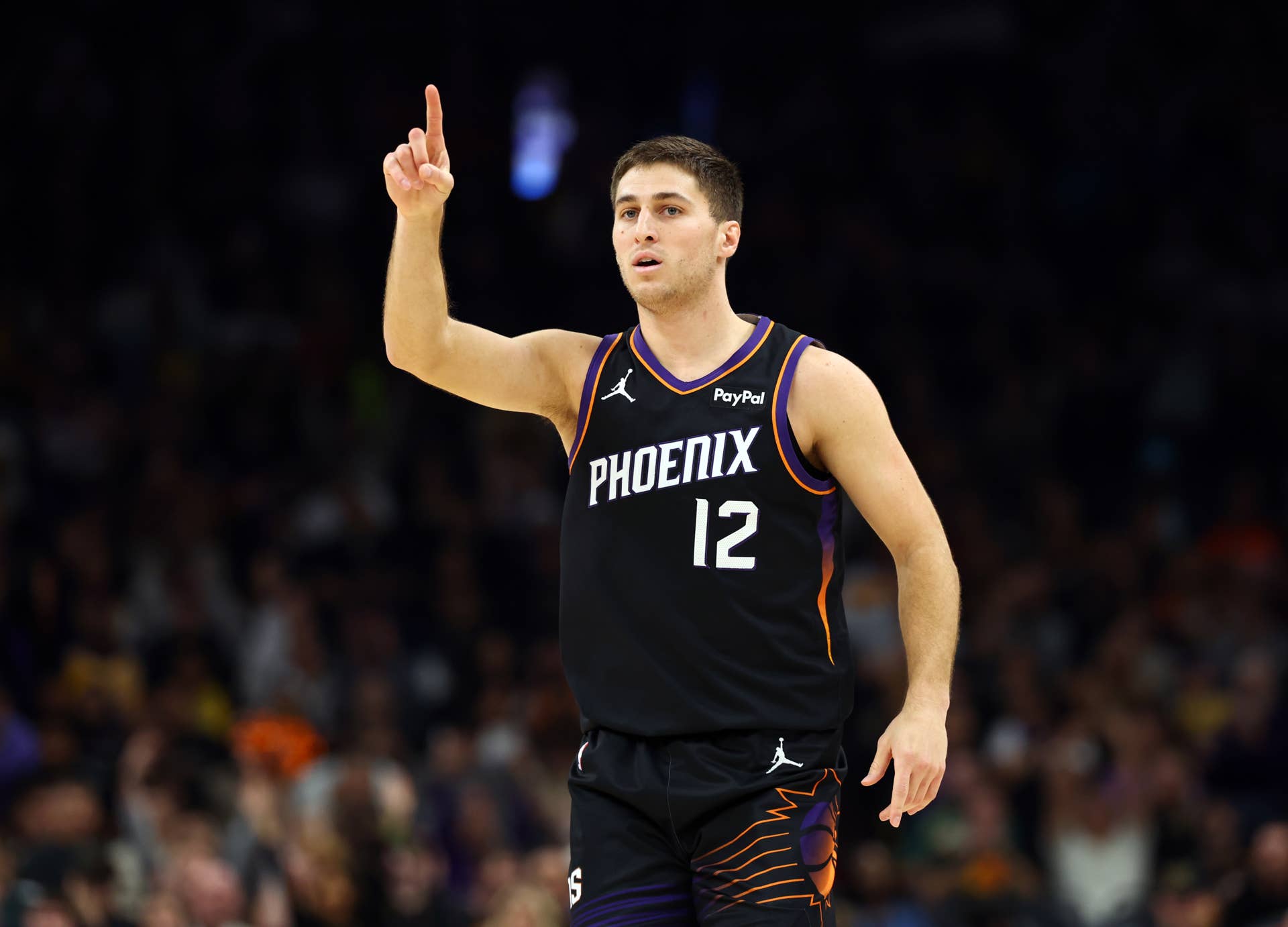
Mark J. Rebilas-Imagn Images
Collin Gillespie (Phoenix Suns)
Phoenix is planning a mellow offseason focusing on the continuity of its current roster. That’s great news for Gillespie, who broke out in 2025-26 while filling in for an injured Devin Booker. He went from averaging 14.0 minutes per game in the 2024-25 season to almost 30 minutes per game this past season, which nearly doubled his points, rebounds, and assists on the season.
Payton Pritchard (Boston Celtics)
The Celtics have a locked-in roster and no impending free agents in 2026. But they do have to move some money around, which could result in a big payday and an expanded role for Pritchard. The 28-year-old point guard started 50 games for Boston in 2025-26 and saw his usage greatly increase.
Jarace Walker (Indiana Pacers)
Aaron Nesmith and Pascal Siakam have the Pacers’ frontcourt locked down, but Walker has proven to be an invaluable asset off the bench. The 22-year-old started in 41 games in 2025-26 as opposed to just five starts the season before, and his contributions on both sides of the ball increased.
Amen Thompson (Houston Rockets)
To be fair, the Rockets have to make some moves this summer. They have a crowded frontcourt and a breakout player in Tari Eason set to hit free agency. There are also questions as to whether Fred VanVleet will be healthy by opening night. But avoiding any major trades or veteran signings would be ideal for breakout star Thompson, who became more productive in 2025-26 with more playing time.
Draft Strategy: Targeting Stand-Pat Beneficiaries
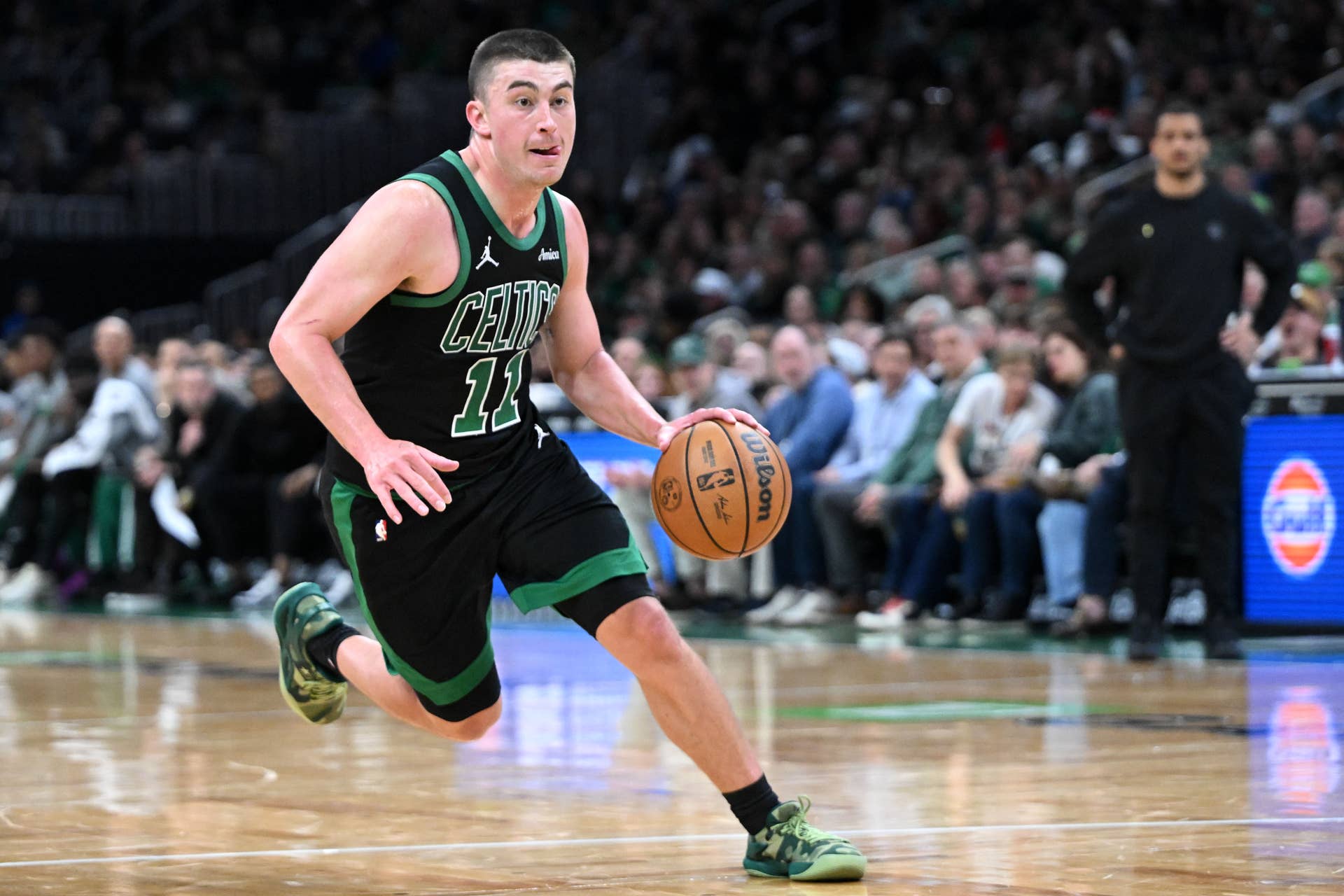
© Brian Fluharty-Imagn Images


Stability breeds great fantasy assets, so fantasy managers across all formats can rely on them to be reliable producers. Owners should keep an eye on the quieter teams this offseason to see which players are in line for more locked-in roles.
Players like Amen Thompson who have a more secure opening lineup position should be targets in late-second to third rounds in redraft leagues. Solid bench players with strong starting lineup potential, like Pritchard, are more sixth-to-eighth round selections who can help flesh out a fantasy roster. As long as the summer stays relatively quiet, these players will have secure roles and fantasy output in 2026-27.
Questions and Answers
Which players benefit most if their teams stand pat this summer?
The players highlighted are Collin Gillespie, Payton Pritchard, Jarace Walker, and Amen Thompson, whose fantasy outlooks would benefit from stable roles and continued opportunities.
Why does a quiet summer matter for certain 2026-27 fantasy basketball players?
A quiet summer helps players avoid new competition for minutes and usage, allowing them to maintain or expand the opportunities that improved their fantasy production.
Should I draft these stand-pat beneficiaries higher than expected?
Players with secure roles can be prioritized based on their expected opportunity. Amen Thompson is identified as a late-second to third-round target, while Payton Pritchard is viewed as a sixth-to-eighth-round option.
How do I identify players who need their teams to avoid major moves?
Look for players whose fantasy value depends on maintaining current roles, minutes, and usage without added competition from trades, free-agent signings, or draft additions.
Are these players better in redraft or dynasty leagues?
The story notes that fantasy managers across all formats can rely on these players as stable producers but does not provide format-specific recommendations.
How does this differ from players who benefit from big moves?
Players who benefit from stability gain value when their teams avoid major changes, while others may need trades or roster movement to increase their usage and opportunities.


