


Every NBA offseason creates fantasy basketball winners. Not just because stars move teams, either.
Sometimes it’s the frustrated veteran stuck in the wrong role. Sometimes it’s the scorer buried behind too many ball-dominant teammates. Sometimes it’s the talented player quietly wasting away in a system that doesn’t fit his game at all.
Then the trade finally happens.
Suddenly, the usage changes. The minutes climb. The offense starts running through him instead of around him. Fantasy managers who saw it coming early suddenly look a whole lot smarter than everybody else in the league.
That’s why trades are such an important conversation heading into draft season.
A single move can completely reshape fantasy value.
We’ve seen it happen for years. Good players become great fantasy assets simply because the situation changes. The league is loaded with talent. Opportunity is usually the real separator.
And this offseason already feels like one where several established names are sitting one trade away from becoming major fantasy basketball winners.
Offseason Trade Candidates Poised to Become Fantasy Winners
Anna Carrington-Imagn Images
The Right Destination Could Unlock Their Ceiling
Some players do not necessarily need a better team. They just need a better fit.
Take Denver’s Cam Johnson, for example. Johnson already provides value because of his shooting efficiency and versatility, but there’s probably another level offensively if he lands somewhere that gives him a larger scoring role instead of treating him primarily as a floor spacer. Put him in a faster offense with more shot volume and suddenly you could be looking at 20 points per game with elite percentages.
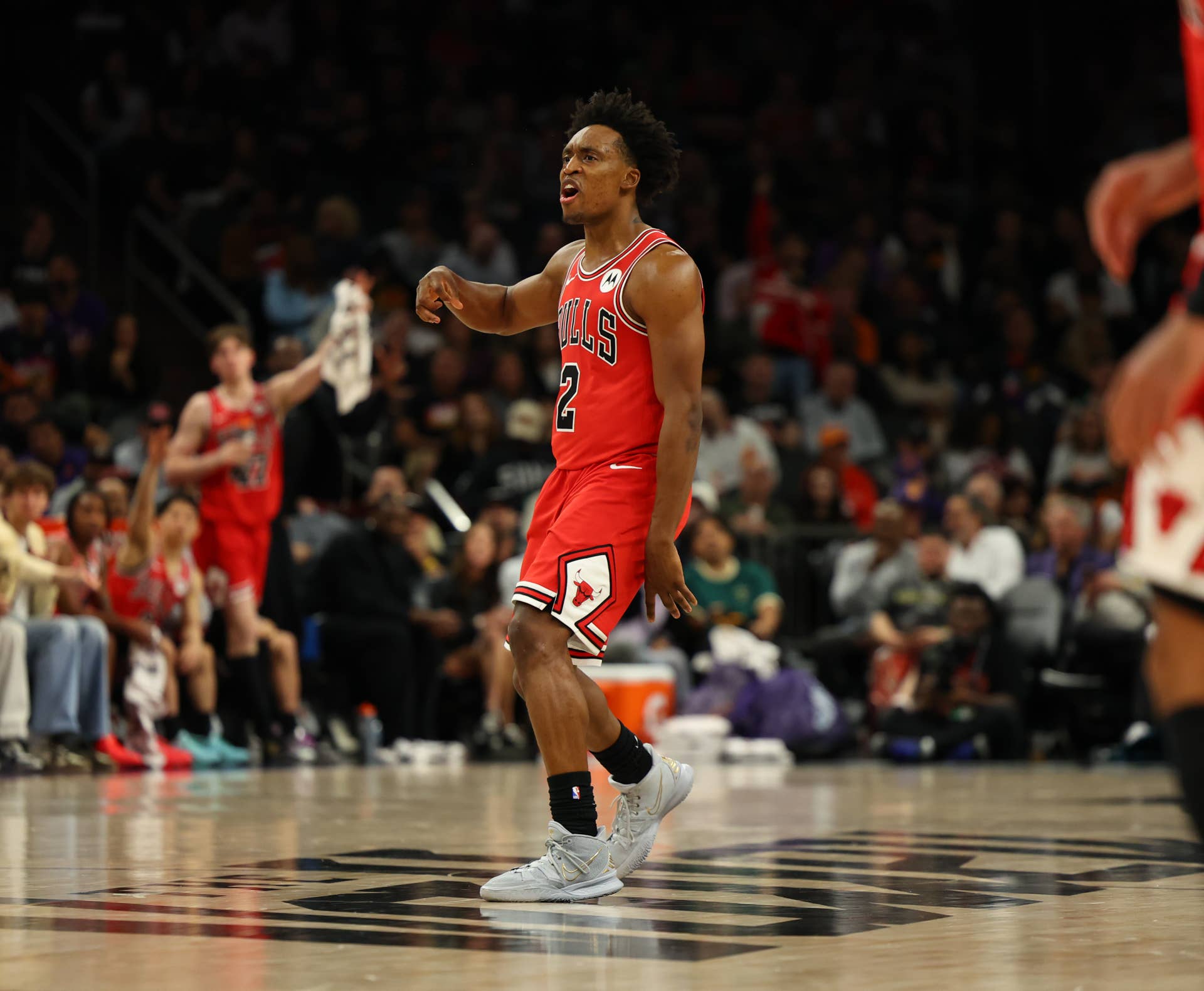
Chicago’s Collin Sexton is another fascinating case. The Bulls are reshaping the roster, which naturally creates trade speculation. Sexton has always been able to score. The question is whether he lands somewhere that fully embraces him as a featured offensive guard instead of a sixth-man sparkplug. In points leagues especially, that matters a ton.
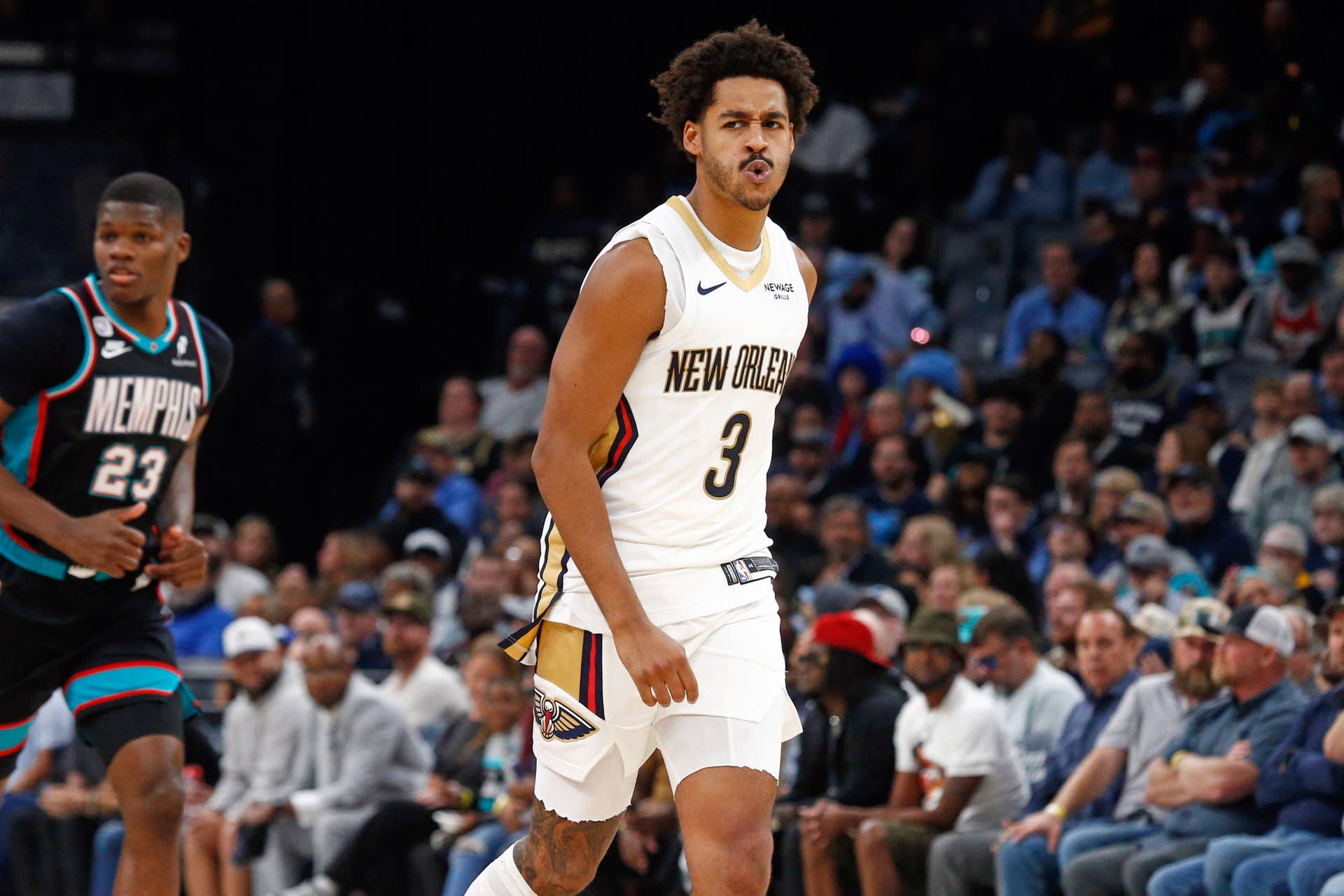
Then there’s New Orleans’ Jordan Poole, who somehow still feels like both a buy-low candidate and a fantasy headache at the same time. But the talent is real. If Poole ever lands in a more structured environment with legitimate spacing and reduced chaos around him, the efficiency could rebound dramatically.
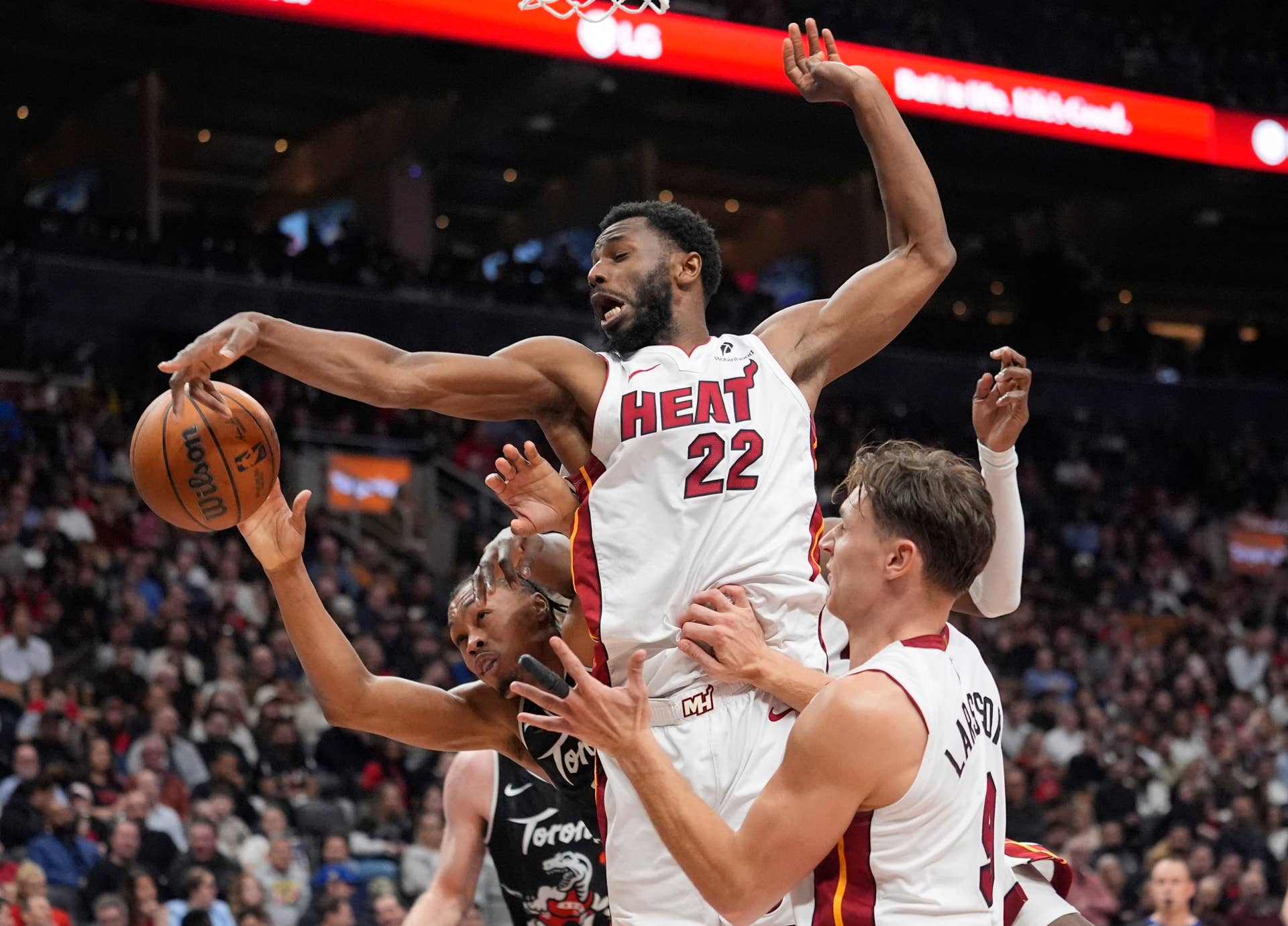
Miami’s Andrew Wiggins also feels like the type of veteran who could quietly regain fantasy relevance with the right move. Sometimes a player simply needs a reset. New locker room. Different expectations. Cleaner offensive role. It happens more often than people think.
And don’t overlook players like Portland’s Robert Williams III or the LA Clippers’ John Collins. Health obviously matters there, but both could see meaningful fantasy rebounds if moved into systems that maximize their strengths instead of exposing weaknesses.
That’s why trade candidates deserve so much attention. The market usually focuses on stars. Smart fantasy managers focus on players whose situations are quietly suppressing production.
Why These Trades Create Fantasy Winners
Credit: Petre Thomas-Imagn Images
Role Expansion, Usage Spikes, and System Fit
Here’s the biggest thing fantasy managers sometimes miss about trades: Talent usually isn’t the issue.
Role is.
A player averaging 14 points on one roster might average 22 somewhere else simply because the offense finally runs through him consistently. Another player may suddenly become fantasy relevant because a new team needs rebounding or secondary playmaking.
That’s why these trades create fantasy winners so often.
The NBA is full of roster logjams. Too many guards. Too many wings. Too many veterans soaking up touches. A trade can instantly clear that traffic.
And system fit matters just as much.
Some players thrive in motion offenses. Others need heavy pick-and-roll usage. Some need pace. Others benefit from slower halfcourt systems where they can operate methodically.
You should pay close attention to teams with obvious offensive vacancies too. If a roster suddenly loses scoring, somebody has to absorb those possessions.
A great example is how veterans often revive their fantasy value after moving from rebuilding teams to competitive environments. Better spacing. Better teammates. More efficient looks. Suddenly the percentages climb again.
Big men especially benefit from this dynamic.
Rim-running centers can explode statistically if paired with elite playmakers. Stretch forwards become more useful if the offense prioritizes drive-and-kick actions. Guards gain assists when surrounded by better shooters.
Draft and Roster Strategy for Trade Candidates
John E. Sokolowski-Imagn Images
When to Buy Low and Monitor
This is where fantasy managers need patience and aggression at the same time.
A tricky balance, honestly.
You do not want to overpay for rumors. NBA trade speculation gets ridiculous every offseason. Half the names floating around never actually move.
But you also do not want to wait until the value spike becomes obvious.
In category leagues, efficiency still rules everything. If a trade creates more volume but hurts percentages badly, the fantasy ceiling may not actually rise much. In points leagues, though, pure usage often wins.
Dynasty managers should probably be the most aggressive here. If a talented veteran lands in a dramatically improved role, the value jump can last multiple seasons instead of just one.
The best buy-low window is usually before insiders start connecting specific teams publicly. Once reports start saying a player is “expected to draw strong interest,” fantasy managers begin reacting emotionally instead of rationally.
And some of the best fantasy basketball hidden value trade candidates are the players everyone has grown tired of discussing. The names people think they already figured out.
Those are the dangerous ones — because all it takes is one move, one coaching shift, one role expansion and suddenly the fantasy profile changes entirely.
Basically, the NBA offseason always creates surprise fantasy winners. The trick is spotting them before the trade becomes official.
Once the role changes, the discount usually disappears with it.
Questions About Top Offseason Trade Candidates, Answered
Which players are the top offseason trade candidates for 2026-27 fantasy basketball?
The article highlights Cam Johnson, Collin Sexton, Jordan Poole, Andrew Wiggins, Robert Williams III, and John Collins as players who could gain fantasy value if a trade improves role, usage, or system fit.
How can a trade turn a player into a fantasy winner?
A trade can increase minutes, expand offensive responsibility, clear roster congestion, improve system fit, or create better efficiency opportunities that raise fantasy production.
When should I target these trade candidates in drafts or trades?
The preferred window is before trade speculation becomes widely attached to specific teams, since value often rises once expected destinations become public.
Are there risks with chasing offseason trade candidates?
Yes. Not every rumored move happens, and increased volume does not always improve fantasy value if efficiency declines or role expectations fail to materialize.
How do I monitor these trade situations?
Track offseason reporting, roster changes, and signs of offensive vacancies that could create expanded opportunity for trade candidates.
Which fantasy formats benefit most from these trade winners?
Points leagues benefit most from usage increases, while category leagues require balancing expanded opportunity against efficiency changes. Dynasty formats can gain the longest-term upside from successful role changes.


