


The NBA Draft always creates winners and losers.
For fantasy basketball managers, however, the biggest victories often happen before the rookies ever play a game.
Landing spots matter. Team needs matter. Existing roster construction matters.
That's why the draft isn’t necessarily about who goes first overall. At least not for fantasy managers. They're about where players land and what kind of opportunity follows.
The current expectation is that BYU wing AJ Dybantsa will go No. 1 to the Wizards, Kansas guard Darryn Peterson will land with the Jazz at No. 2, Duke big man Cameron Boozer will head to the Grizzlies at No. 3 and North Carolina's Caleb Love will be selected by the Bulls at No. 4.
But this is the NBA Draft. Things change quickly.
And fantasy managers should be rooting for a few specific outcomes that could create immediate value in 2026-27.
Rookie Landing Spots Fantasy Managers Should Root For
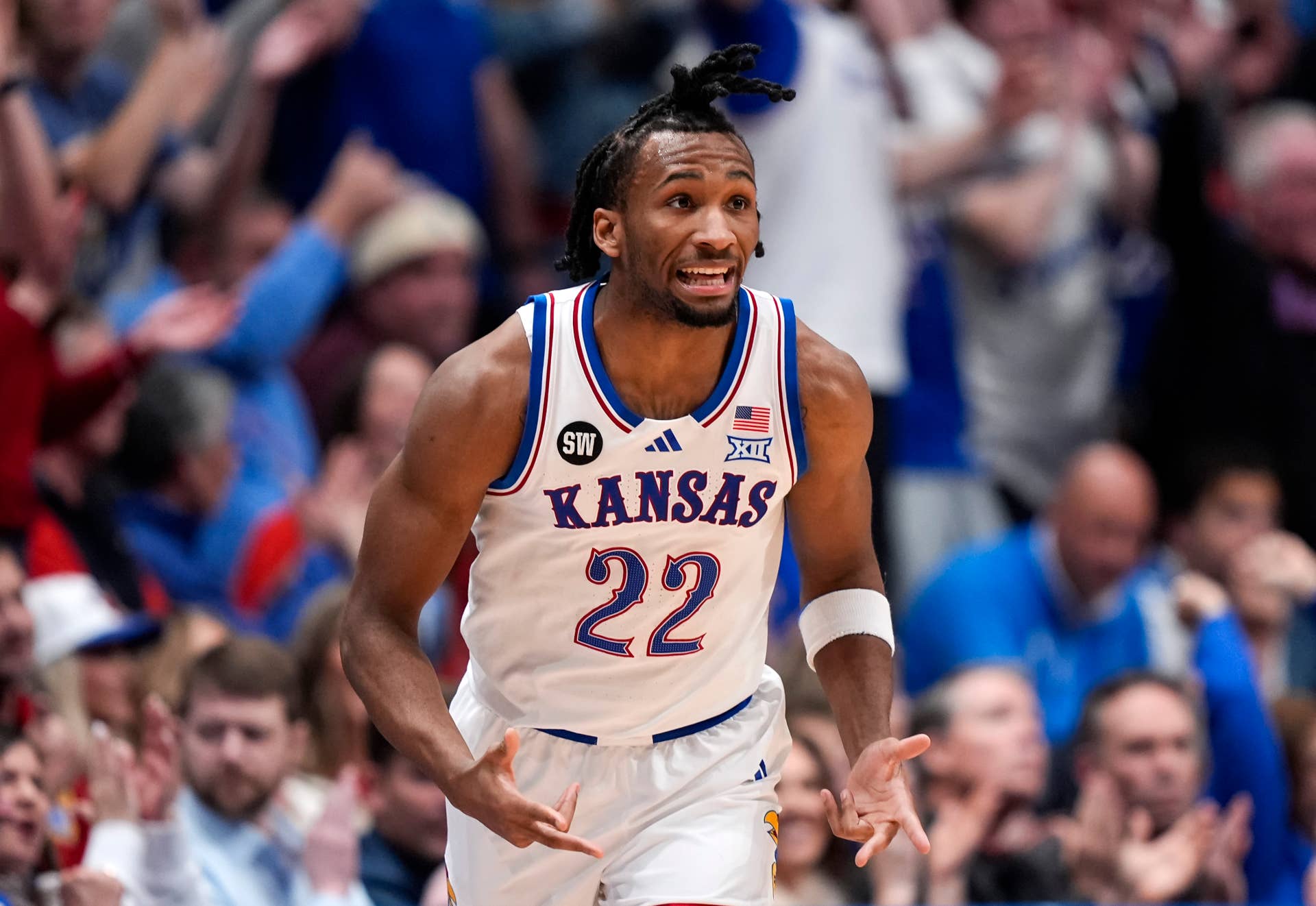
Jay Biggerstaff-Imagn Images
Ideal Team Fits That Maximize Year 1 Impact
The most obvious scenario to root for is Dybantsa landing with Washington.
The Wizards already transformed their roster by acquiring Trae Young and Anthony Davis before the trade deadline. Adding Dybantsa would give fantasy managers a rookie with scoring upside, athleticism and a clear path to meaningful minutes.
Just as important, Young would be creating easier opportunities for him from Day 1.
Peterson landing in Utah would also be appealing.
The Jazz remain in evaluation mode and could immediately hand Peterson significant responsibilities. Fantasy managers love rookie guards who have a realistic chance to handle the ball, pile up assists and learn through mistakes.
Those opportunities are often difficult to find.
Boozer to Memphis is another scenario worth rooting for.
The Grizzlies don't necessarily need him to become a primary scorer immediately. Instead, Boozer could focus on rebounding, efficiency and defensive production while gradually expanding his offensive game. That profile often translates surprisingly well to fantasy basketball.
Love landing in Chicago might create the cleanest path to usage.
The Bulls need offensive firepower and long-term building blocks. If Love receives consistent minutes and freedom to create, he could become one of the more interesting rookie sleepers in points leagues.
As discussed in Fantasy Basketball 2026-27: Rookies Who Could Walk Into Fantasy-Friendly Roles, opportunity often matters more than draft position once fantasy drafts begin.
Veteran-Friendly Draft Outcomes Managers Should Hope For
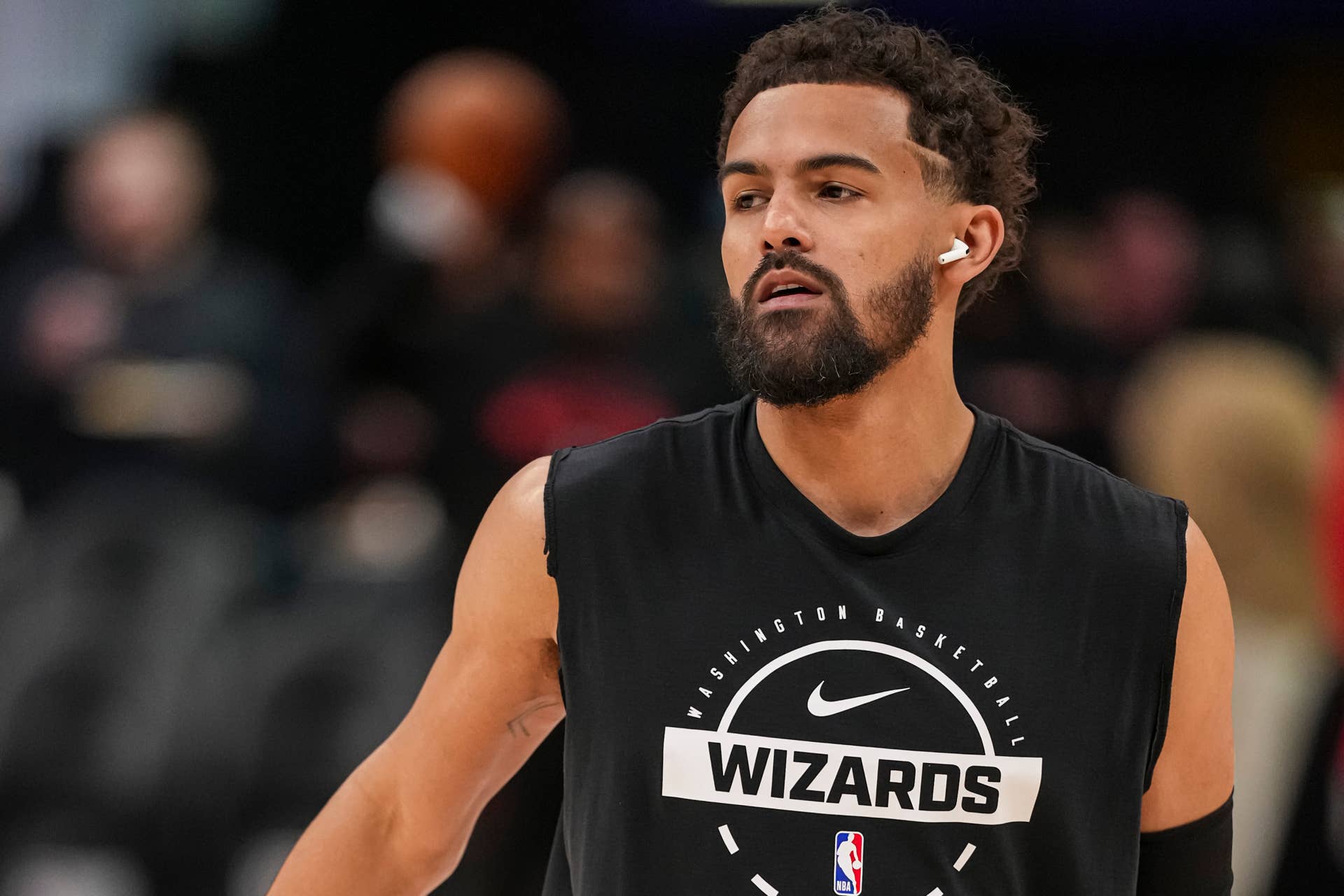
Dale Zanine-Imagn Images
Scenarios That Protect or Boost Existing Young Talent
Fantasy managers should not focus only on rookies.
Several veterans and young established players could benefit greatly from how the draft unfolds.
For example, Wizards managers should be rooting for Dybantsa rather than another primary ballhandler. That outcome would help protect Trae Young's elite assist opportunities while still giving Washington another offensive weapon.
In Utah, a Peterson selection could help create structure around the current roster without immediately threatening every established contributor.
Memphis drafting Boozer instead of another high-volume guard would likely benefit the Grizzlies' perimeter players by avoiding additional competition for touches.
Chicago is perhaps the most interesting situation.
A player like Love would address a need without necessarily creating direct competition for every young piece already on the roster. That could preserve developmental opportunities for players the Bulls already view as part of their future.
So you should always pay attention to what teams choose not to do on draft night.
Sometimes, the biggest winner is the player whose role remains untouched.
For more on that concept, see Fantasy Basketball 2026-27: Young Players Who Need Their Teams to Avoid Certain Draft Picks.
Draft Strategy: How to Position Yourself for Favorable Scenarios
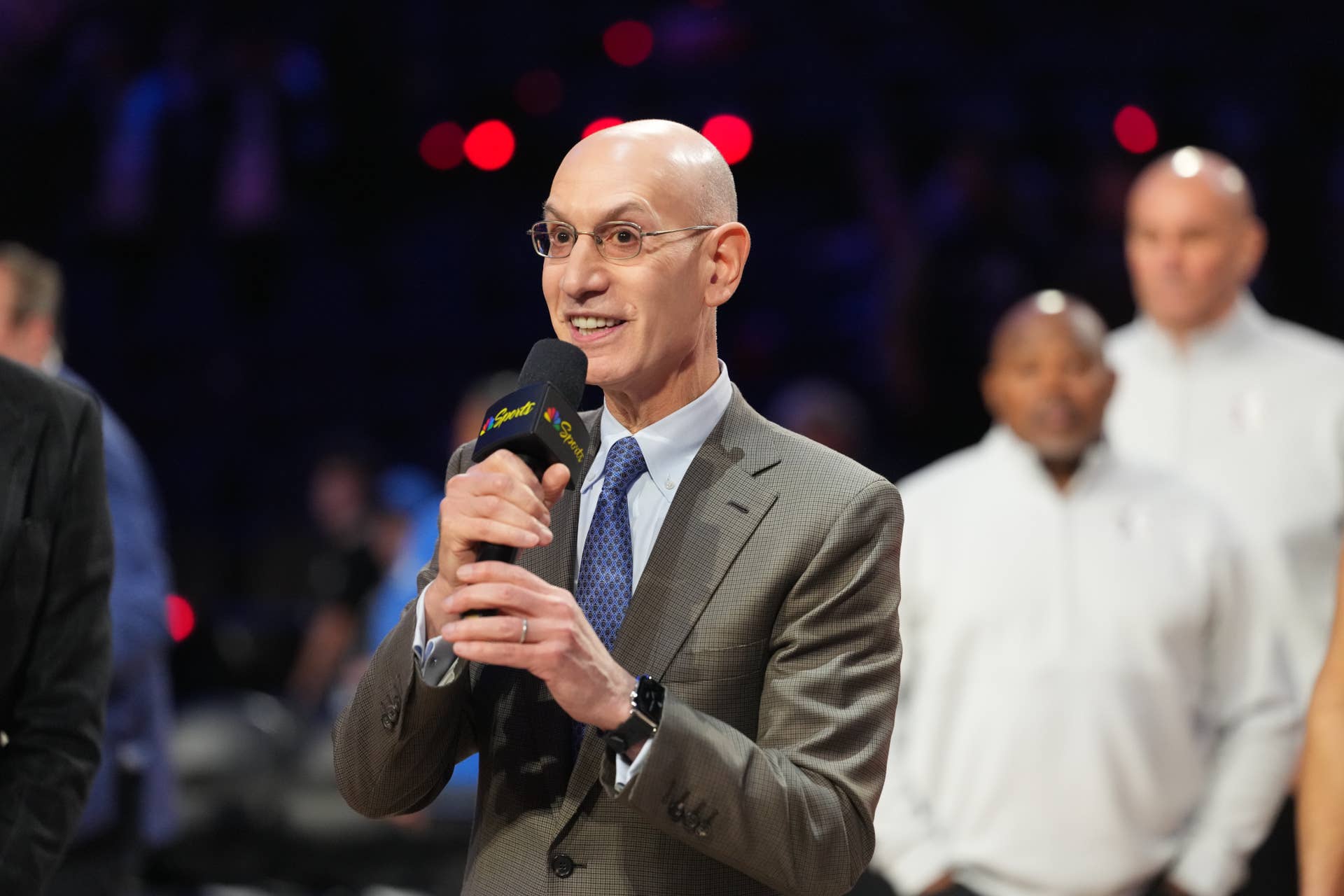
Kirby Lee-Imagn Images
Building Flexible Rosters Ahead of Draft Night
The best fantasy managers rarely lock themselves into one prediction.
Instead, they prepare for multiple outcomes.
That means tracking likely landing spots before the draft and then reacting quickly once selections become official.
In redraft leagues, managers should prioritize rookies who land in situations with immediate opportunity. Dybantsa in Washington, Peterson in Utah and Love in Chicago would all qualify.
In dynasty leagues, talent still reigns supreme, but landing spot can influence short-term value and trade opportunities.
You should also pay attention to veterans whose situations become more stable after draft night. Protected roles often translate into more predictable fantasy production.
Most importantly, remain flexible.
The projected top four today may not be the actual top four when commissioner Adam Silver steps to the podium.
Trades happen. Surprises happen. And every unexpected selection creates new fantasy opportunities.
As outlined in Fantasy Basketball 2026-27: Early Indicators of Next Season's Breakout Stars, fantasy managers who react fastest to changing circumstances often gain the biggest edge.
Before draft night, ask yourself three questions:
- Which rookies have the clearest path to minutes?
- Which veterans benefit if their teams avoid drafting direct competition?
- Which organizations are most likely to give young players meaningful opportunities?
Those answers can help shape your draft board long before fantasy draft season begins.
When Opportunity Knocks, Answer The Door
Fantasy managers should always root for opportunity.
Right now, that likely means AJ Dybantsa in Washington, Darryn Peterson in Utah, Cameron Boozer in Memphis and Caleb Love in Chicago.
Those scenarios create clear developmental paths and potentially immediate fantasy relevance.
Of course, this is the NBA Draft. What looks predictable in early June often looks very different once draft night arrives.
That's why smart fantasy managers prepare for multiple outcomes while keeping a close eye on the situations that create the most value.
Because in fantasy basketball, the right landing spot can sometimes matter just as much as the player himself.
Questions About Favorable NBA Draft Scenarios, Answered
Which 2026 NBA Draft scenarios should fantasy managers be rooting for?
Fantasy managers should be rooting for outcomes that create clear opportunities for rookies and preserve valuable roles for established players. Scenarios involving AJ Dybantsa in Washington, Darryn Peterson in Utah, Cameron Boozer in Memphis and Caleb Love in Chicago are highlighted as potentially favorable.
Which rookie landing spots would be ideal for 2026-27 fantasy production?
Washington for AJ Dybantsa, Utah for Darryn Peterson, Memphis for Cameron Boozer and Chicago for Caleb Love are presented as strong fantasy-friendly landing spots because of potential playing time, usage and developmental opportunities.
How do certain draft decisions protect young veterans?
When teams avoid drafting direct competition at key positions, existing players can maintain their current roles, usage and opportunities. Those stable situations often lead to more predictable fantasy production.
Should I draft players based on specific draft-night hopes?
Managers should prepare for multiple outcomes while monitoring landing spots and roster situations. Reacting quickly to favorable opportunities after the draft can provide an advantage.
Which teams drafting certain prospects would hurt fantasy values?
FLAG: Question unsupported by canon body. The article discusses favorable scenarios but does not identify specific prospect-team pairings that would negatively affect fantasy values.
How early should I adjust my 2026-27 draft boards for these scenarios?
Managers can begin tracking likely landing spots and potential opportunities before the draft, then make further adjustments once selections become official.


