


Fantasy basketball managers have a laundry list of decisions to monitor as the 2026-27 NBA offseason continues to be the most eventful in recent history.
That means simultaneously monitoring top draft picks, shocking free-agent moves, and team rebuilds. With an overwhelming list of events to consider, managers can burn out because they think they need to track all these moving parts with equal urgency.
Fear not, because there is a better way.
There is a useful three-tier framework that managers can implement to distinguish decisions they need to act on now from decisions they can make after training camp opens. Owners who use this scheme will have a clearer path when building their 2026-27 fantasy draft boards.
The Triage Framework: Three Tiers of Offseason Decisions and How to Prioritize Each
“Act Now” Decisions
These are the decisions that resolve themselves before July 15 and produce the biggest (and most immediate) ADP swings. This includes where the top picks in the NBA Draft go and who gets impacted by the biggest free-agency moves. (We will cover both of these scenarios in just a second.)
“Monitor Through Free Agency” Decisions
These decisions are still big, but are more fluid and should be monitored through July. They result in moderate ADP swings for one or more fantasy-relevant players. Think free-agent signings that clear up roster logjams and create more role clarity. (The Rockets are honorable mentions on this list because free-agent moves can greatly de-clutter their entire rotation.) Those moves just don’t need immediate attention.
“Wait for Training Camp” Decisions
This triage tier can be difficult, because it can feel like every free-agency signing and summer trade carries fantasy weight. Trust us, some roster moves yield little to no information about roles or rotation battles until training camp in September, or even preseason in October. That’s what this category is for.
Act Now: The Decisions Resolving Soon That Will Move Your Draft Board Most
Gary A. Vasquez-Imagn Images
Top Draft Picks
The first “Act Now” domino falls when the NBA Draft gets underway because of its immediate impact on starting rotations. AJ Dybantsa joining Washington’s frontcourt. Darryn Peterson creating a backcourt battle in Utah. Cam Boozer becoming a new centerpiece in Memphis. All of these picks instantly impact starting rotations and ADPs, so they need to be addressed immediately when crafting a 2026-27 fantasy draft strategy.
Aftermath of the Giannis Trade
We’ve already talked about the ripple effect this trade had on both the Bucks and the Heat. Remember, Antetokounmpo isn’t the only player impacted by this trade. Miami’s frontcourt, with Bam Adebayo and Andrew Wiggins, is impacted. Milwaukee’s scoring focus will shift to the backcourt, putting a spotlight on breakout guard Ryan Rollins. There is room for more moves this summer (like if they flip newly acquired Tyler Herro), but managers should have started adjusting their draft scheme once this deal was finalized.
Austin Reaves’ Contract & LeBron James’ Destination
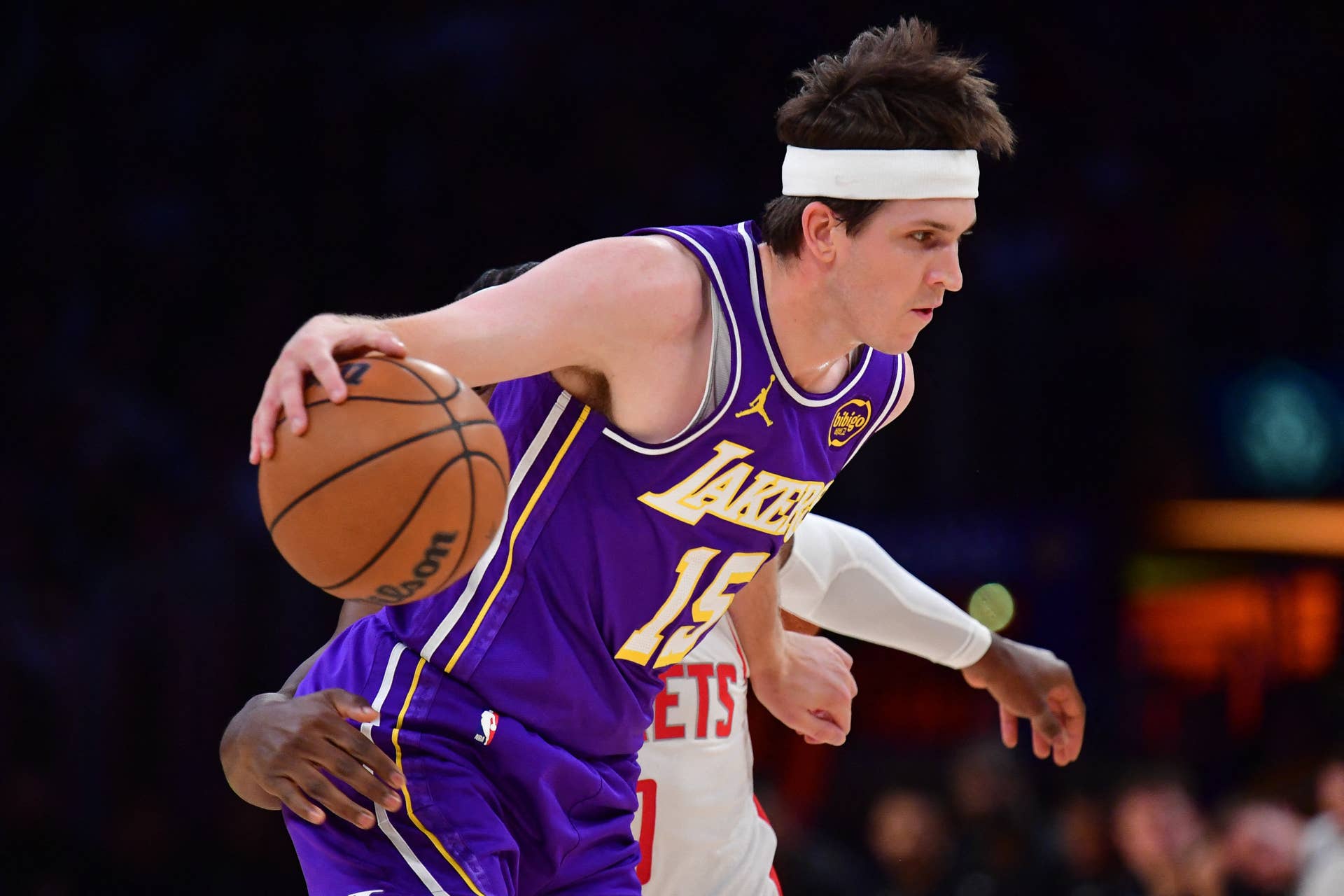
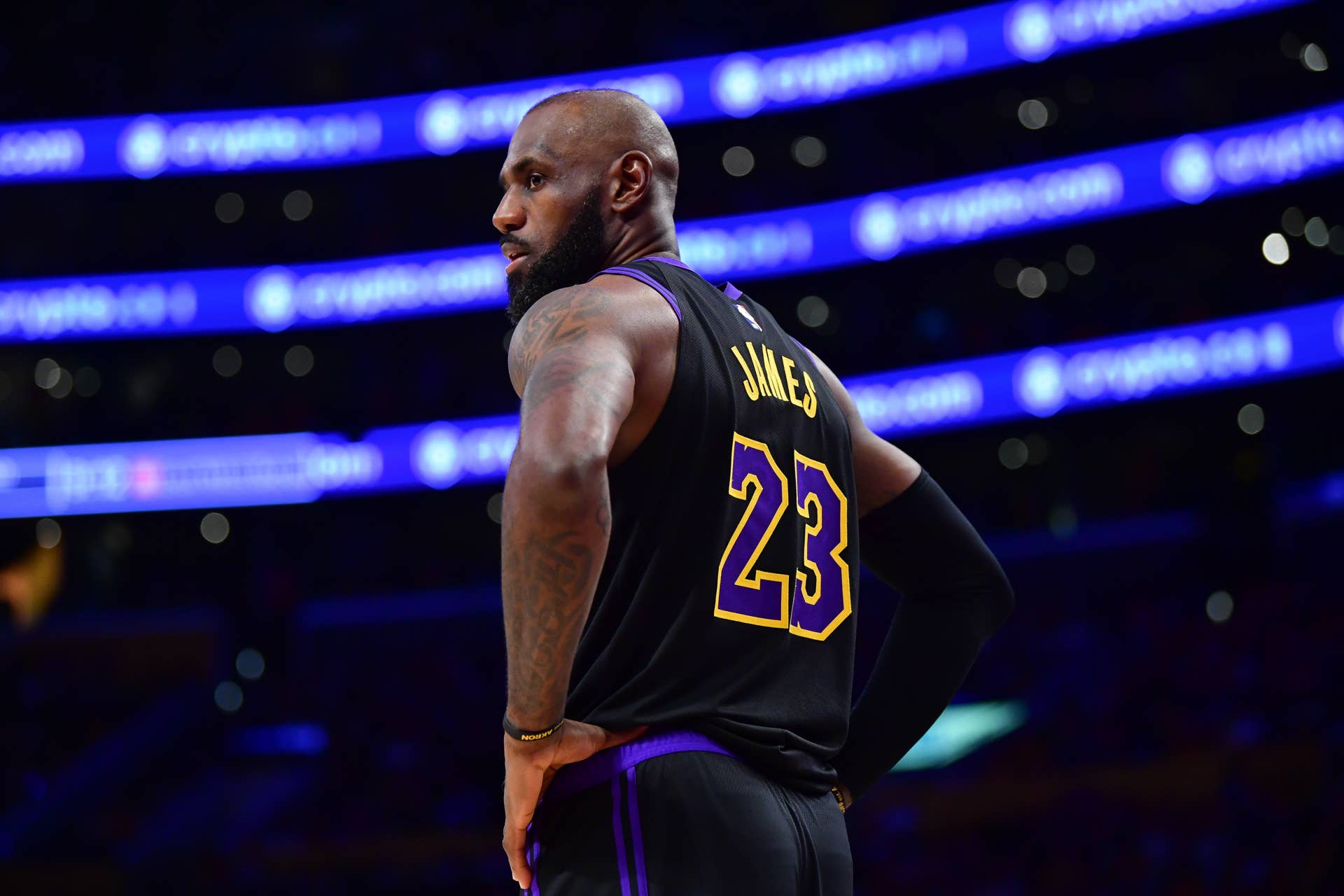
There’s a lot of “act now” action going on in Los Angeles. Reaves agreed to a four-year, $185 million max contract over the weekend between the draft and free agency, which immediately impacts role clarity in the Lakers’ backcourt. Owners have to stay on their toes, since LeBron James could potentially leave when the market opens and upend LA’s frontcourt hierarchy. Sure, age and load management have dented James’ fantasy production, but his presence impacts the playing time, usage, and ADPs of the players around him.
How to Allocate the Rest of Your Attention
Monitor Through Free Agency
Some moves have already been put into motion, like the LaMelo Ball-Naz Reid trade that is shifting both the Hornets and the Timberwolves rotations. These are the first steps in overall roster movement for contending Minnesota and scrappy Charlotte. Managers don’t need to rush reshuffling their draft boards, but should keep a close eye on these roster moves through July.
There are a couple frontcourt-centered free-agency signings that could need attention in July, but don’t need to be addressed immediately. Peyton Watson’s status in Denver, Onyeka Okongwu’s status in Atlanta, and Tari Eason’s status in Houston all fit under this tier of the triage framework.
Wait for Training Camp
Some decisions may seem like they require the same level of attention as the Giannis trade or LeBron’s destination. In reality, their impact on ADPs and future roles won’t be decided until training camp or preseason get underway. This includes roster battles on teams with stable cores, like the Celtics and the Spurs. These are low-urgency situations that won’t get resolved until players return to the court in September.
The Impact on Redraft and Dynasty Leagues in 2026-27 Fantasy Basketball
Gary A. Vasquez-Imagn Images
Both fantasy league formats can benefit from the triage framework as they make offseason roster adjustments. The timeframes for each tier can be a little different, though.
Dynasty managers have longer monitoring windows than redraft managers because the payoff is multi-year instead of seasonal. In fact, owners in dynasty formats can afford to monitor situations through free agency that redraft managers should treat as “Act Now” scenarios because the redraft ADP adjustment window is shorter.
Managers in both formats can use this framework for future offseasons as well. Just remember that the densest “Act Now” window is between the NBA Draft and the first day of free agency, and that roster battles on teams with locked-in rosters don’t need to be prioritized. The managers who have triaged their situations correctly will be faster and more accurate at finalizing a winning fantasy roster than those who try to react to everything simultaneously.
Questions About Offseason Decisions, Answered
Which NBA offseason decisions matter most for fantasy basketball in 2026-27?
The most important offseason decisions are those that create the largest and quickest ADP swings before July 15. That includes top NBA Draft selections, the aftermath of the Giannis Antetokounmpo trade, Austin Reaves' new contract situation, and LeBron James' destination because each immediately changes roles, rotations, or fantasy value for multiple players.
How should fantasy basketball managers prioritize the 2026-27 offseason?
Managers should use a three-tier framework. Act immediately on decisions that produce major ADP changes before mid-July, monitor free-agency developments that create moderate fantasy movement throughout July, and save lower-impact rotation battles for training camp when clearer information becomes available.
What is the difference between monitoring free agency and waiting for training camp in fantasy basketball?
Monitoring free agency focuses on roster moves that can create meaningful fantasy value during July, while waiting for training camp applies to situations that are unlikely to become clear until September or preseason. Those later battles generally do not require immediate draft-board adjustments.
How does the triage framework differ for dynasty and redraft fantasy basketball leagues?
Dynasty managers can afford longer evaluation windows because their focus extends beyond a single season. Redraft managers benefit from reacting more quickly to major offseason developments since ADP changes occur rapidly before drafts, making the "Act Now" tier more urgent for that format.


