


The bulk of the focus following the 2026 NBA Draft is, understandably, the incoming rookie class. But the first beneficiaries of rotation shuffles are often the sophomores and third-year risers.
These names aren’t unknown. They are last season’s breakout players, and their situations for the 2026-27 campaign are becoming more concrete. The managers who identify the players gaining opportunities next season are the ones winning fantasy categories in February.
Let’s take a look at the top candidates to make a leap.
Cooper Flagg, Dallas Mavericks: Year Two Raises the Floor
The reigning Rookie of the Year was thrown into the fire early on with Kyrie Irving sidelined, and emerged as the new face of the franchise. Flagg averaged 21.0 points, 6.7 rebounds, 4.5 assists, 1.2 steals, and 0.9 blocks in 33.5 minutes across 70 games.
But it’s the multiple late-season scoring stretches Flagg strung together (26.4 PPG over five games, 30.4 PPG over five games) that show what he can do at peak usage. His defense as a rookie was already elite across his usage level, and his high assist numbers show his playmaking will grow as he becomes the primary ball-handler. Plus, it’s not like he’s going to lose playing time to Dallas’ first-round draft pick Morez Johnson Jr.
Flagg is a first-round fantasy draft pick in all formats. The foundation is there for a very productive sophomore season.
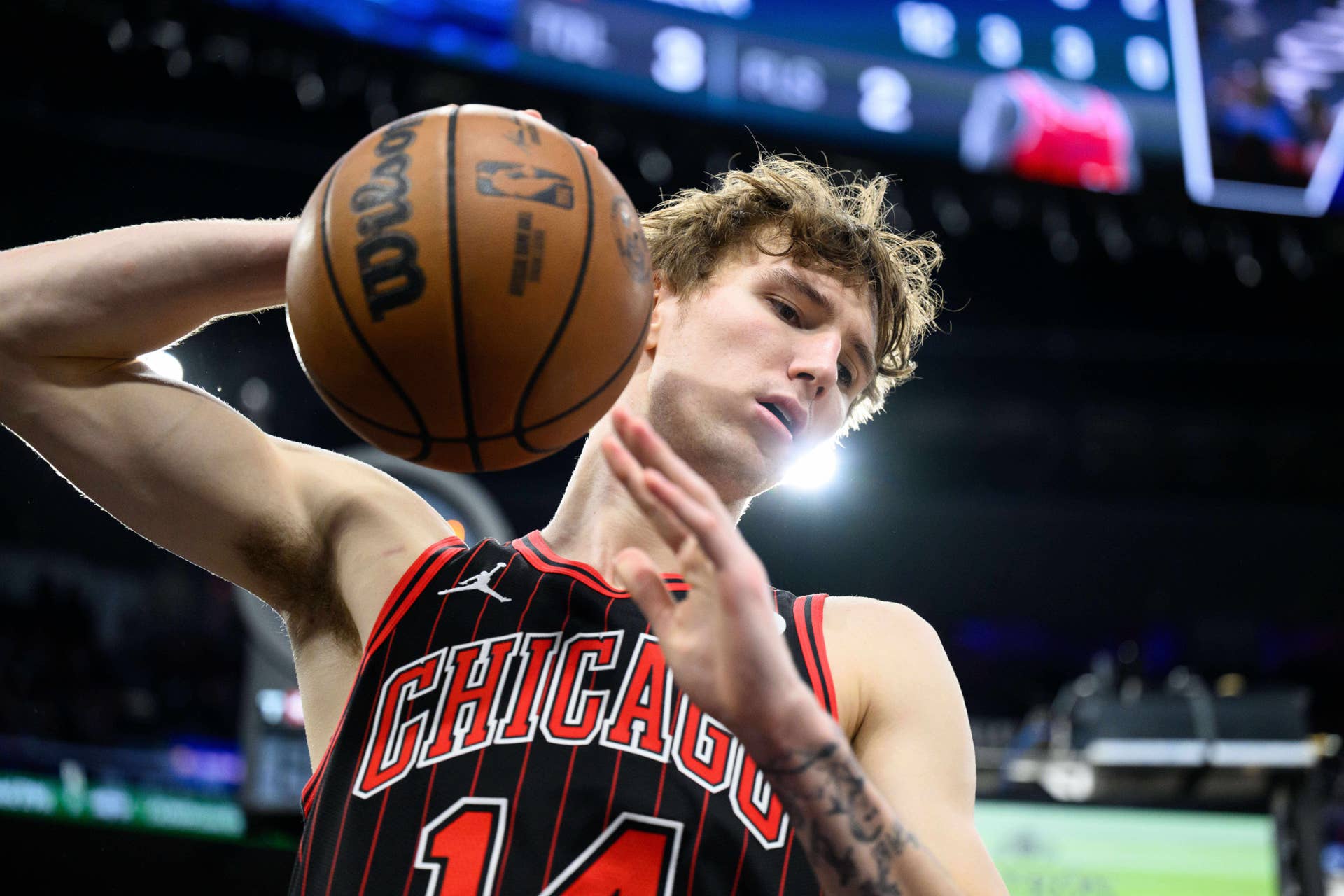
Matas Buzelis, Chicago Bulls: You Already Know What Year Three Looks Like
© William Liang-Imagn Images


That’s because Buzelis’ late-season run in 2025-26 set the tone. He averaged 13.3 points, 4.4 rebounds, and 1.1 blocks while shooting an efficient 49.1% from the field and 36.7% from beyond the arc in his final 33 regular-season games.
The difference in his game? Before February, Buzelis was averaging 13.3 minutes per night. Over his late-season heater, he averaged 26.9 minutes per night. This sets him up to play even more minutes in 2026-27, which boosts his multi-cat contributions.
The shakeup in Chicago should actually benefit Buzelis. The Bulls have a new front office, cap space to work with, and a fourth-overall draft selection in forward Caleb Wilson. Buzelis, as an emerging anchor, should get 28-32 minutes per night from opening night to fuel Chicago’s rebuild.
Consider Buzelis a sixth-round target in redraft leagues where his second-half numbers are priced in. He’s a second-to-third-round pick in dynasty where his long-term upside is the priority.
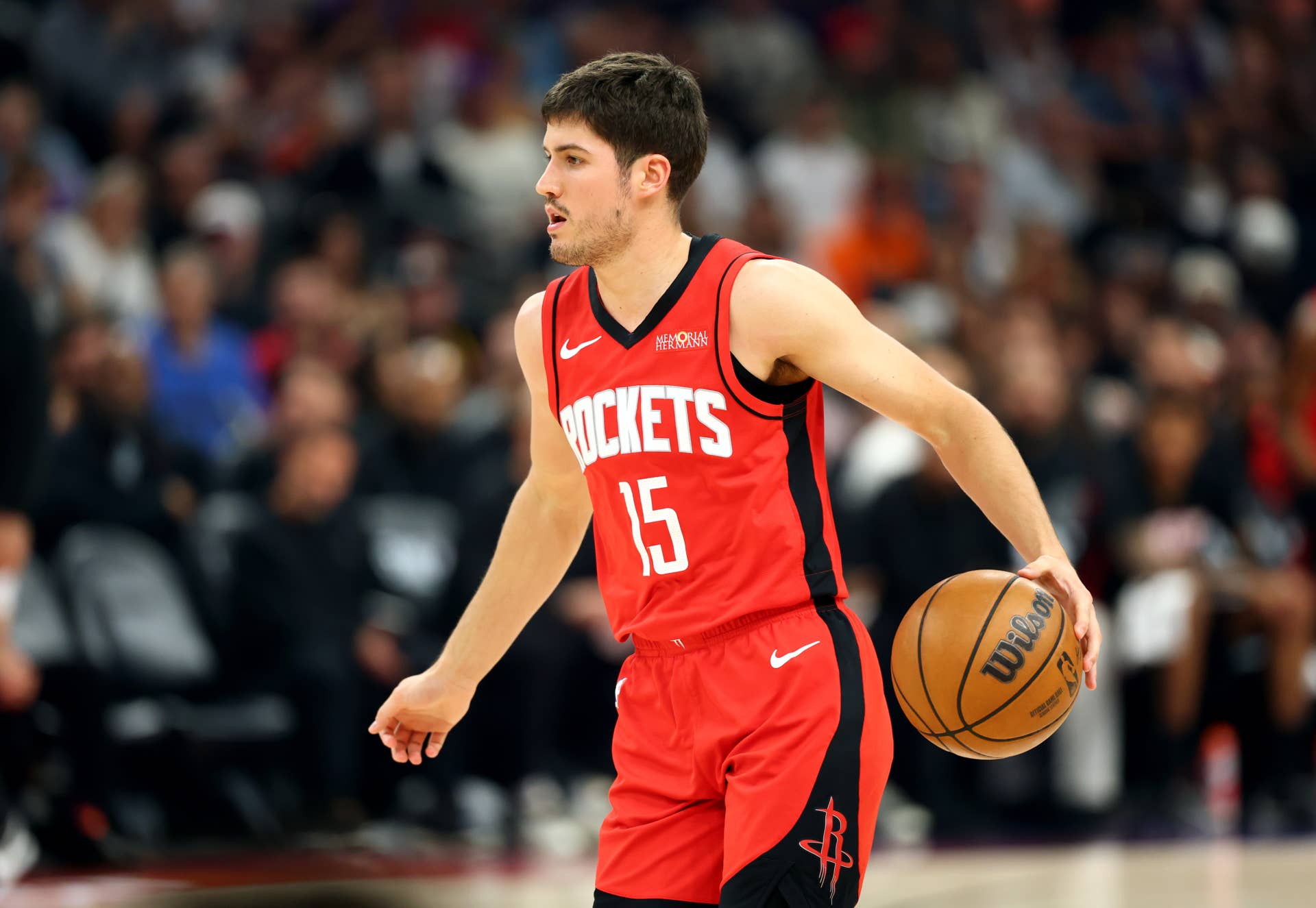
Reed Sheppard, Houston Rockets: A Good Situation Becomes a Great One
Mark J. Rebilas-Imagn Images
Sheppard took full advantage of Fred VanVleet being sidelined with an ACL tear and became a waiver-wire darling for the 2025-26 fantasy season. He ended his sophomore campaign averaging 13.5 points per night on 43.0% shooting from the field and 39.4% from three-point range. Creating a sustainable backcourt tandem with Amen Thompson probably didn’t hurt either.
The 21-year-old guard went from averaging 12.6 minutes per game as a rookie to 26.2 minutes last season, so clearly his production is fueled by consistent playing time. His reliability from beyond the arc adds to his value in category leagues, and starter minutes will help keep his stats high.
Even with VanVleet returning, Sheppard has earned big minutes to start next season. Managers should target him in the middle rounds (fourth to sixth), but still monitor him through training camp to confirm his playing time.
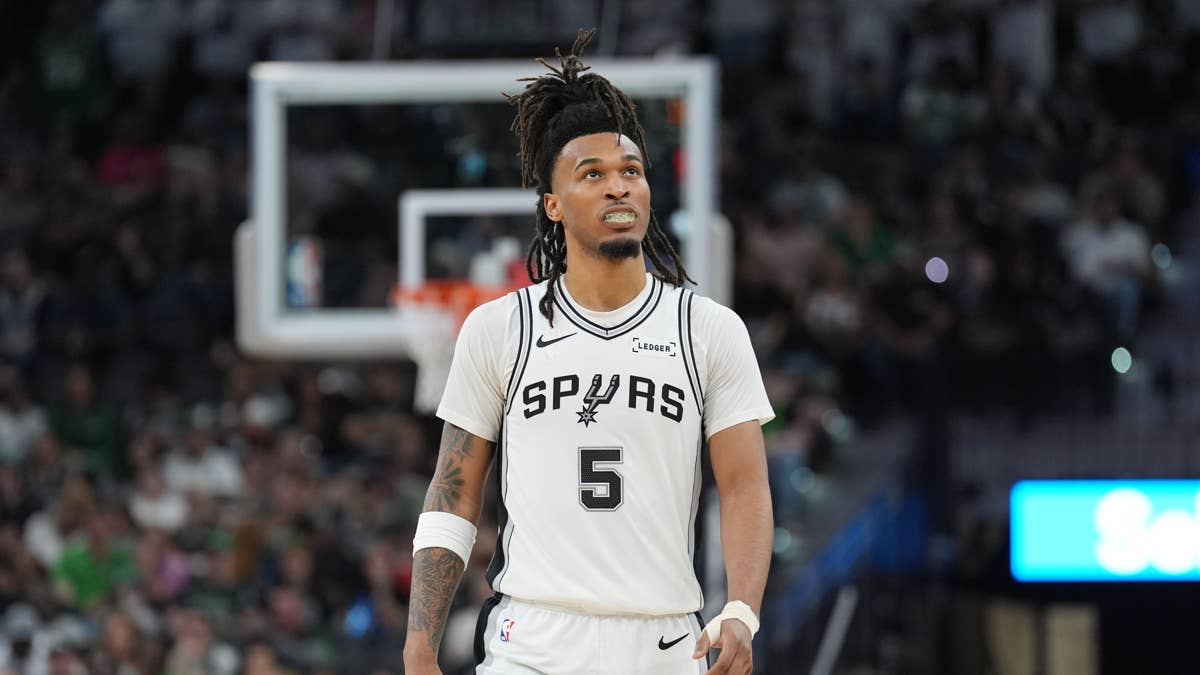
Stephon Castle, San Antonio Spurs: A Clear Third-Year Role
Daniel Dunn-Imagn Images
Castle’s role expanded in his sophomore season as the Spurs built a young core around Victor Wembanyama. In fact, Wembanyama drawing attention as a primary scorer and defensive anchor helped clear the path for Castle as a secondary scoring option. It’s no wonder Castle improved to 16.7 points, 7.4 assists, 5.3 rebounds, 1.4 stocks, and 47.1% shooting from the field.
There is a clear path for this role to expand even more in the 2026-27 season. San Antonio’s first-round draft selection, Jayden Quaintance, plays front court. There is already an established backcourt dynamic with De’Aaron Fox, who is apparently staying with the team.
Even so, Castle’s ADP may not meet his projected output by September. Managers in redraft leagues should target him in the fifth and sixth rounds.
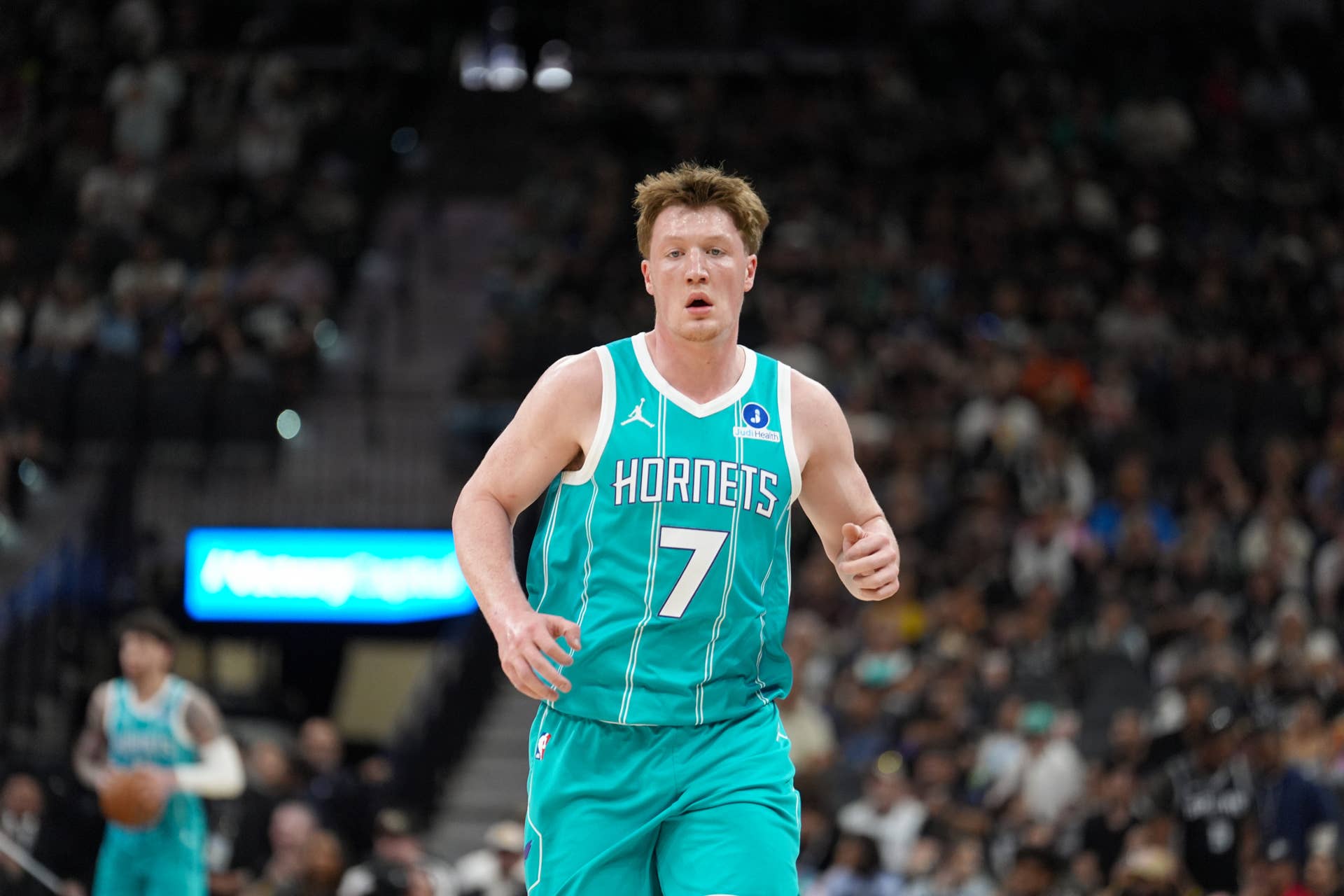
Kon Knueppel, Charlotte Hornets: The Easiest Case on This List
Daniel Dunn-Imagn Images
Athlon covered Knueppel a ton following the 2026 trade deadline when his rookie campaign went nuclear. He shot an insane 48.5% from three-point range in February, and ended his rookie season as one of the Hornets’ top contributors for points (18.5), rebounds (5.3), assists (3.4), and three-pointers per game (3.4).
There’s no roster traffic on the developing Charlotte squad, so Knueppel has a clear path to expand his repertoire in the 2026-27 season. His modest assists and defensive stats (0.9 stocks per game) don’t make him a category-league must-have like other players on our list. But his scoring prowess ensures he will play starting minutes in October.
A scoring specialist like Knueppel is an interesting draft case, depending on the fantasy league format. He has fourth-to-sixth-round value in formats that put a premium on three-point shooting. In standard category leagues, he is a sixth-to-eighth-round pick because he lacks some defensive chops.
The Post-Draft Window to Build Around Young Leap Candidates
The five players on this list share a common trait: Their floors are already established by 2025-26 production, and their ceilings are rising due to specific post-draft role changes. The key now for managers in redraft formats is to monitor leading up to training camp and refine draft boards based on preseason rotation reports.
Questions About Leap Candidates, Answered
Is Cooper Flagg a first-round pick in 2026-27 fantasy basketball?
Yes. Flagg averaged 21.0 points, 6.7 rebounds, 4.5 assists, 1.2 steals, and 0.9 blocks in 33.5 minutes across 70 games as a rookie and has the foundation for a very productive sophomore season. He is a first-round fantasy draft pick in all formats.
What is Matas Buzelis' fantasy basketball value in 2026-27?
Buzelis is a sixth-round target in redraft leagues where his second-half production is already priced in. In dynasty formats, he profiles as a second-to-third-round pick because of his long-term upside.
Should I draft Reed Sheppard in 2026-27 fantasy basketball?
Yes. Sheppard earned significant playing time after Fred VanVleet's ACL injury and finished his sophomore season averaging 13.5 points per game while shooting 39.4% from three-point range. He is a middle-round target, though his role should still be monitored during training camp.
Is Stephon Castle a fantasy basketball breakout candidate in 2026-27?
Yes. Castle expanded his role during his sophomore season, improved his production across multiple categories, and has a clear opportunity for additional growth entering 2026-27. He is a fifth- to sixth-round target in redraft leagues.
Is Kon Knueppel worth drafting in 2026-27 fantasy basketball?
Yes, particularly in formats that reward three-point shooting. He offers fourth-to-sixth-round value in those leagues, while standard category leagues value him more appropriately in the sixth to eighth rounds because of his limited defensive production.
Which 2026-27 fantasy basketball young player breakout is the safest target?
Cooper Flagg has the safest fantasy profile on this list thanks to his established rookie production, secure role, and first-round fantasy value.


