


The All-Star break is the clearest strategic inflection point of the fantasy baseball season. Everything after it is second half: the trade market tightens, playoff races clarify, and the two-week window beforehand is when the smartest managers make the moves that define how the rest of the year goes.
It’s also a time for you to slow down, take a breath, and enjoy the Home Run Derby. That doesn’t mean there isn’t work to be done. We have some tasks for you. Six of them, actually, but they aren’t heavy lifting and you can handle it. I have faith in you. You’re still paying attention in July, which means you’ve got a shot, so read over the moves below, get a good night’s sleep, take a walk and let’s go!!
Move 1: Sell the ERA Overperformers Before the Gap Closes
USA TODAY Network via Reuters Connect


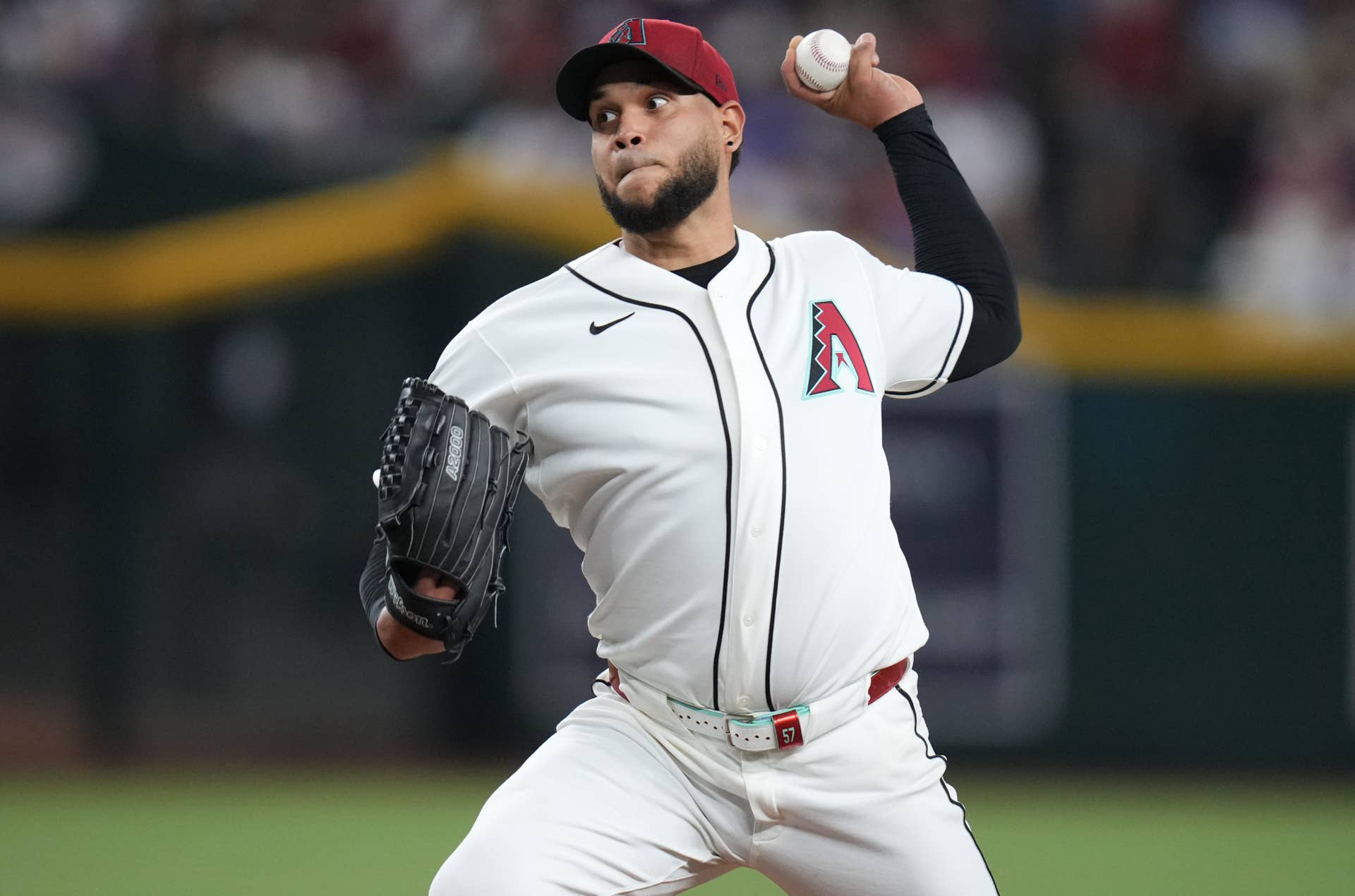
Every season has a handful of pitchers running an ERA well below what their underlying numbers support, and the two weeks before the break are when that gap is most valuable to a seller, since the record still looks great and the league hasn't fully priced in the correction. Eduardo Rodriguez owns the largest gap in the sample, a 2.25 ERA against a 5.00 xERA, backed by a Stuff+ of 91 that does not support the surface number. Michael McGreevy has a 3.01 ERA that reads like a mid-rotation ace even with a losing record attached to it, so sell the ERA and strikeout categories in the pitch, not the win total. Nick Martinez and Justin Wrobleski round out the board, both carrying shiny win-loss records, 7-2 and 10-2, that make them easy sells before the rest of the league does the math.
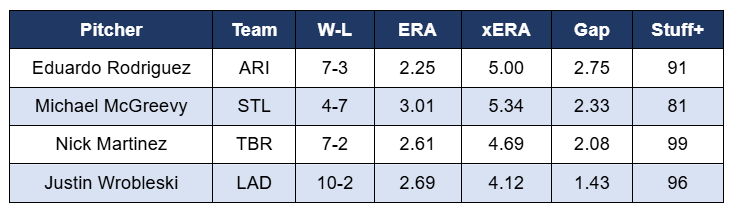
Kyle Leahy belongs in the same conversation at a smaller scale, a 3.86 ERA against a 5.56 xERA that is still a real gap even if it isn't the headline case. These boards move fast. A pitcher sitting on a 2.35 ERA in June can be sitting on a 5.00 ERA a few weeks later without anything mechanically changing, which is exactly why the sell window is measured in weeks, not months.
Move 2: Acquire Garrett Whitlock and the Others Who Stand to Gain
The more interesting move before the break isn't deciding whether to trade a name closer. It's identifying the setup arm one step behind him and adding that pitcher before a trade makes the decision for you. Every save chase produces a handful of these situations every summer: a bullpen with a proven closer on a club that has no reason to keep him past the deadline, and a co-reliever quietly outperforming the numbers that got the incumbent the job in the first place.
Garrett Whitlock is the cleanest version of this in Boston. Aroldis Chapman is sitting on 19 saves and a 2.28 ERA, performance that keeps his trade value high all the way up to the deadline, and Whitlock has quietly posted a 2.32 ERA with a 100 Stuff+ in a multi-inning role in the same bullpen. He is the pitcher who inherits high-leverage work the moment Chapman's role changes, whether that happens by trade or simple workload management down the stretch.
San Francisco is the second name worth rostering ahead of the trade market rather than after it. Caleb Kilian holds the Giants' saves, 8 of them, with a 4.03 ERA that is fine but unremarkable. Erik Miller is the pitcher actually outperforming the role: a 3.60 ERA and a 115 Stuff+, both clearly better than Kilian's, in a bullpen that has already been publicly unsettled about who closes out the season. Add Miller now, while he is still a two-inning matchup arm on the roster and not yet the name getting save chances.

The pattern repeats itself every trade season: the player who ends up with the saves in August is rarely a surprise to anyone who was paying attention to the underlying numbers in July. Add the arm now, while he still costs a waiver claim instead of a trade.
Move 3: Don’t Part With Max Meyer or Josh Hader
Rafael Suanes-Imagn Images
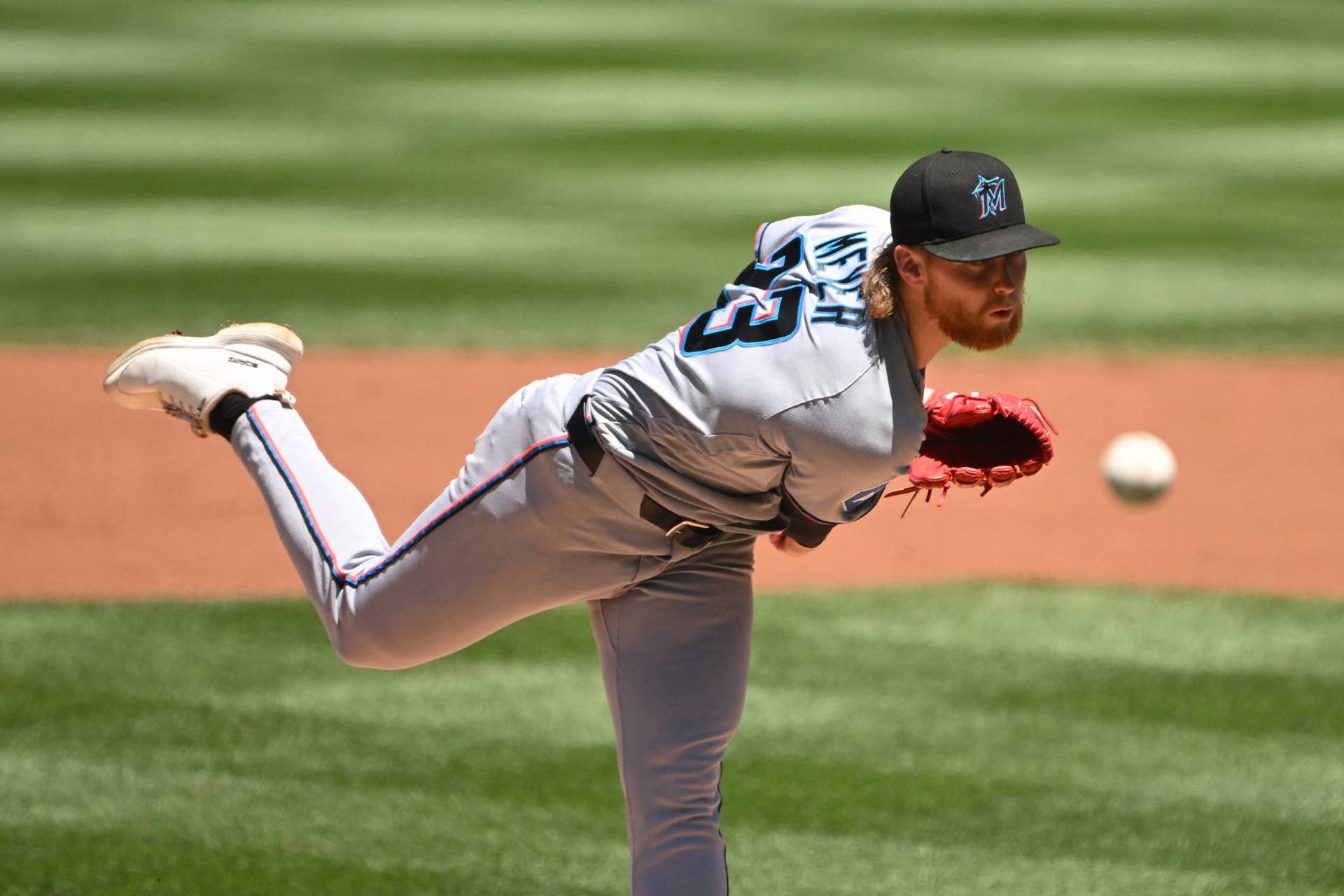
Max Meyer is 9-1 with a 2.58 ERA against a 3.79 xERA, a real but not alarming gap, backed by a 98 Stuff+. That is not a record built entirely on luck. Miami's offense is the ceiling on his win total, not his own performance, and the ERA and strikeout categories hold regardless of what the bullpen and lineup do around him.
Josh Hader's return has been close to perfect: a 0.59 ERA and a 1.02 xERA over his first stretch back, with a Stuff+ of 118 confirming the stuff itself never left. Anyone who dropped him during the injury and is still rostering a replacement should be looking to reacquire him now, before the return fully registers around the league.
Move 4: Hold or Acquire Travis Bazzana. He’s the Real Deal
Ken Blaze-Imagn Images
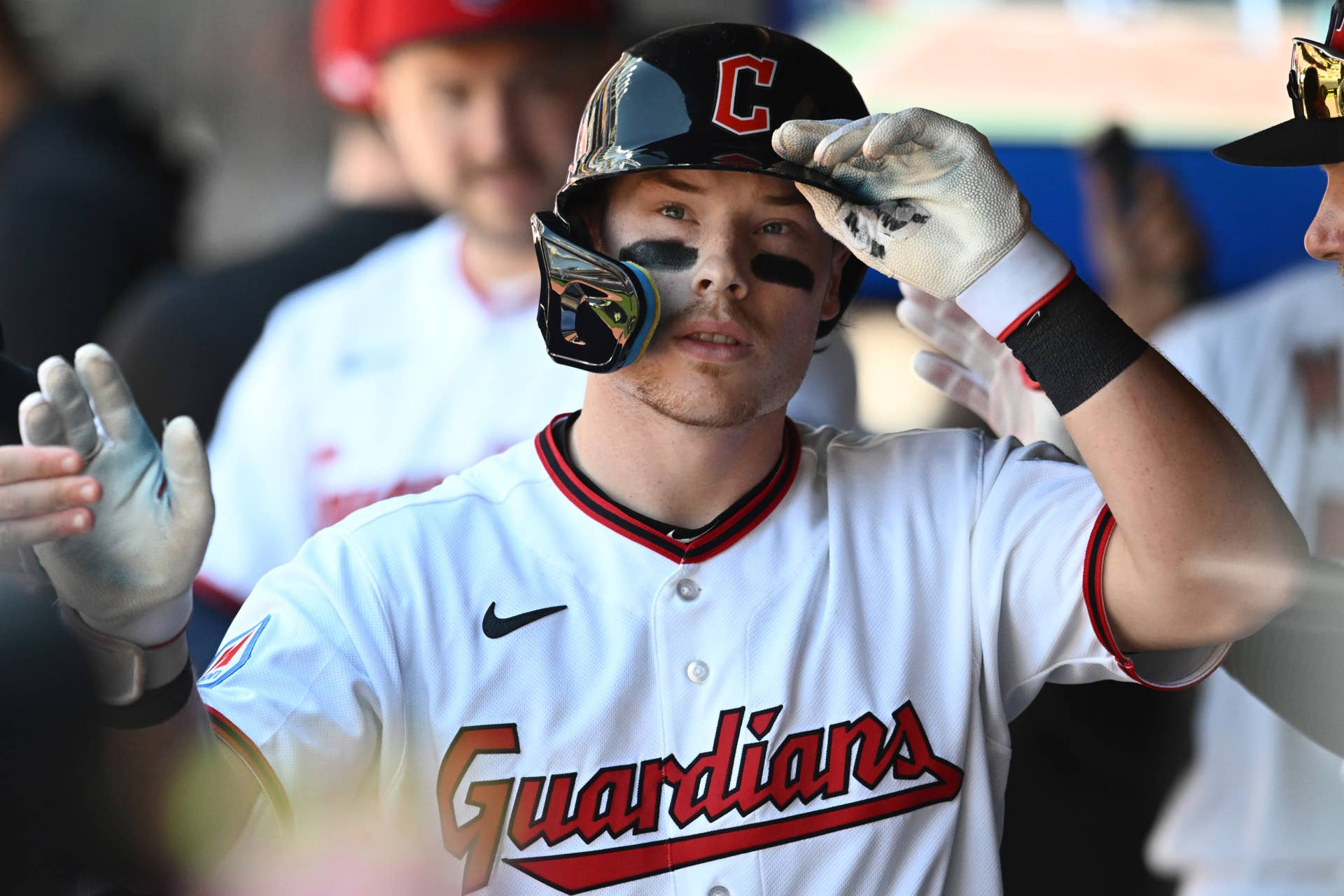
Travis Bazzana's rookie line through July 9 is a real, confirmed asset: a .326 wOBA against a .298 xwOBA, 12 steals and 7 homers in 268 plate appearances, and a 109 wRC+ that is well above replacement level at second base. The specific platoon rule some recent coverage has attached to him, a start-vs-righties, sit-vs-lefties split built on a large OPS gap, isn't broken out in his overall numbers, so treat that specific split as a separate claim to verify rather than something the season line itself proves.
For now, that overall season line carries the argument on its own: Bazzana is a hold and a likely everyday piece regardless of what a matchup-specific breakdown eventually shows.
Move 5: Audit Your Roster Against the Second-Half Schedule
The break week, when most leagues stop counting stats, is the natural window to run a full schedule check: which of your hitters are heading into a stretch of hitter-friendly parks and soft pitching, and which of your starters are about to see a materially harder slate of opponents than they saw in the first half. A pitcher who cruised through a soft first-half schedule and is about to see a run of good lineups is a sell candidate at first-half value, before the results catch up to the matchups.
Baseball Reference's schedule pages and FanGraphs' park-factor tables are the two stops for this audit. Pull each roster player's second-half opponent list and check it against the park-factor column, and the matchups that just got harder or easier are obvious inside twenty minutes, well before the results make the case on their own.
Move 6: Complete Your Category Self-Assessment
This is the most skippable move on paper and the most commonly skipped in practice, which is exactly why it belongs last on a checklist instead of first. Pull up your league standings and assess your team in every category before you make another trade. If you are 40 stolen bases behind first place, that gap is not closing in the second half regardless of what you add, and the roster spots chasing it are better spent shoring up a category you can actually win. If you are near the bottom in ERA, the sell-high arms in Move 1 are exactly the players whose departure helps that number the most, since an inflated ERA still on your own staff is doing you no favors either.
Cross-reference this against the five moves listed above. A trade that fixes a category you are already winning is not a priority. A trade that fixes a category that is realistically still in reach is the one to make before the break, while there is still a full second half left to bank the result.
Questions About MLB Mid-Season Moves, Answered
Should I sell ERA overperformers before the All-Star break in fantasy baseball?
Yes. The two weeks before the break are the best time to move pitchers whose ERA significantly outperforms their expected numbers. Eduardo Rodriguez, Michael McGreevy, Nick Martinez, and Justin Wrobleski all carry notable gaps between ERA and xERA, making this an opportunity to trade them before the market fully adjusts.
Who should I add before a possible Aroldis Chapman trade?
Garrett Whitlock is the top speculative addition. He has posted a 2.32 ERA with a 100 Stuff+ while working behind Chapman in Boston and is well positioned to inherit high-leverage opportunities if Chapman is traded. Erik Miller is another strong stash behind Caleb Kilian in San Francisco.
Is Max Meyer a hold or sell going into the All-Star break?
Hold. Meyer's 2.58 ERA is supported by a strong 98 Stuff+ and only a modest gap to his 3.79 xERA. His underlying performance suggests his success is legitimate, and Miami's offense is a greater limitation on his value than his pitching.
What is the single most useful pre-break move for a fantasy manager to make?
The category self-assessment is the most valuable exercise. Reviewing your league standings to determine which categories are still realistically within reach helps prioritize every other move, from trades to waiver claims, and prevents wasting resources chasing categories that are already out of reach.


