


April is a noisy month in fantasy baseball, full of hype, speculation, and opportunities to overreact. But the first full month of the season is now in the books, making it ideal for recapping 2026 fantasy baseball early-season lessons.
A lot happened last month. The new ABS system is rewarding a new set of batters. Underlying metrics are shedding light on which hitters are better than their surface stats say. Even pitchers are showing signs they could be gearing up for breakout seasons.
Patience previously reigned supreme when it came to making early roster moves. Now, it’s time to turn those April lessons and May actions.
Lesson 1 – ABS Is Supercharging Elite Chase Rate More Than Expected
Low O-Swing% Is the New Must-Have Skill
Hacking away at the plate has become passe. ABS has put a premium on plate discipline.
The robo-ump system’s tighter strike zone has given way to higher OBPs for hitters who don’t chase pitches. The league average for o-swing% has dropped to 26.7% after hovering closer to 30% at this point last season. At the same time, the league walk rate is a historically high 9.9% to start the year.
More discipline equals less chasing and a higher walk rate. This is the case for a veteran slugger like Mike Trout. His walk rate is up so far this season, but the Angels’ star has a stellar 25.1% o-swing metric showing he isn’t taking cuts at pitches way outside the strike zone. And what does fewer bad swings lead to? More good contact in the future.
We’ve talked recently about skills the market doesn’t price well, and plate discipline is a prime example. Managers now have all of April’s stats to determine which batters are more regimented at the plate, not simply going cold in the batter’s box.
Lesson 2 – Hard-Hit Quality Is Outperforming BABIP-Driven Batting Average
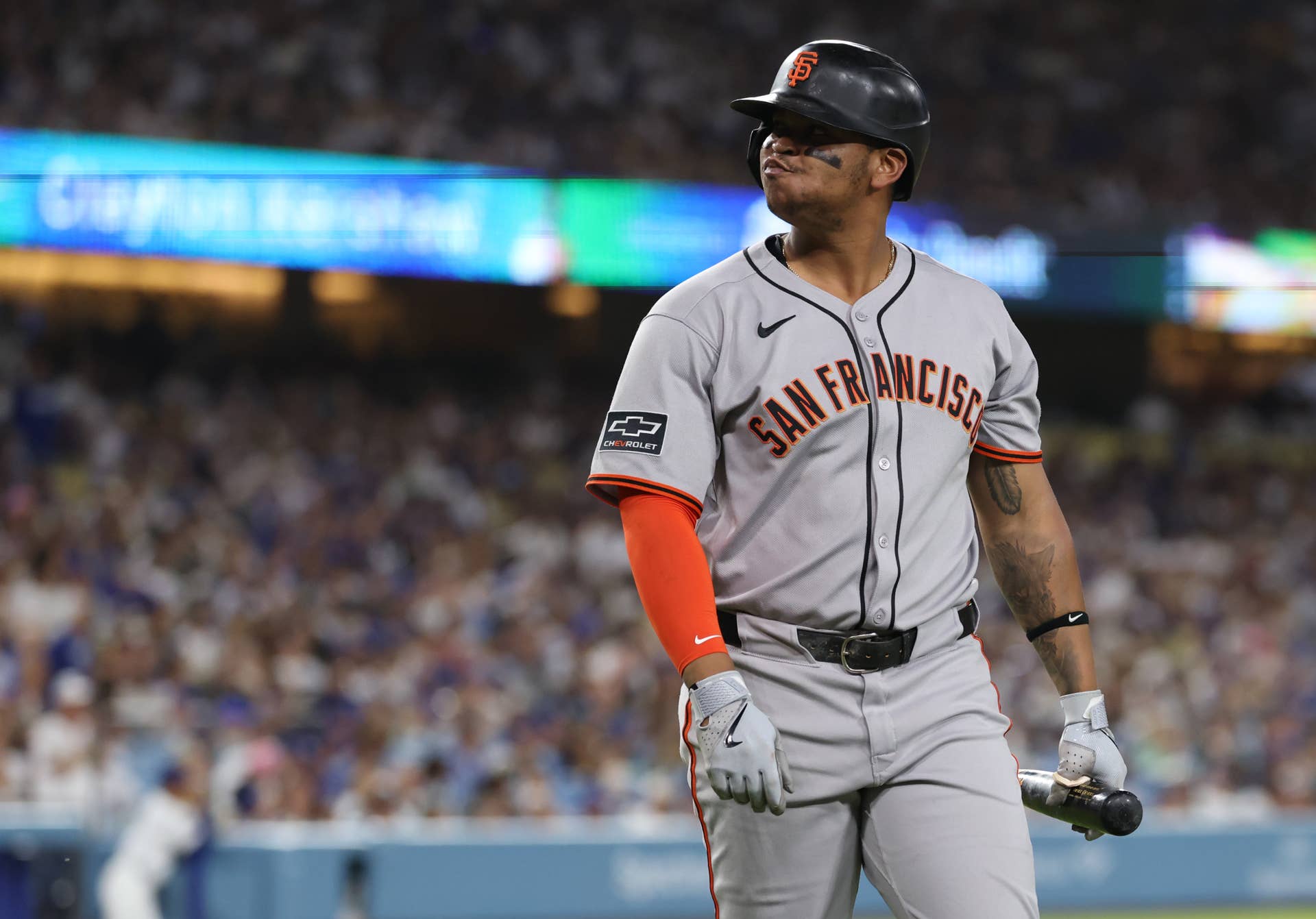
Trust the Barrel and Exit Velocity Early
Remember when we told managers that surface-level batting average doesn’t reveal the bad luck a hitter can have?
BABIP-driven batting averages can regress and fluctuate, especially through the month of April. But hard-hit rate, barrel rate, and exit velocity? Now those stats show which hitters are making real contact.
Giants’ slugger Rafael Devers is a great example. His .214 batting average is low, especially for a big hitter like him. However, his hard-hit percentage (42.7%), barrel rate (7.9%), and exit velocity (89.5%) are all above league average.
May always signals more offense because the temperature goes up. That projects more big hits for players like Devers, whose batting averages don’t show their premier underlying skill set.
Lesson 3 – Velocity + Movement Gains Are the Best Early Pitcher Indicator
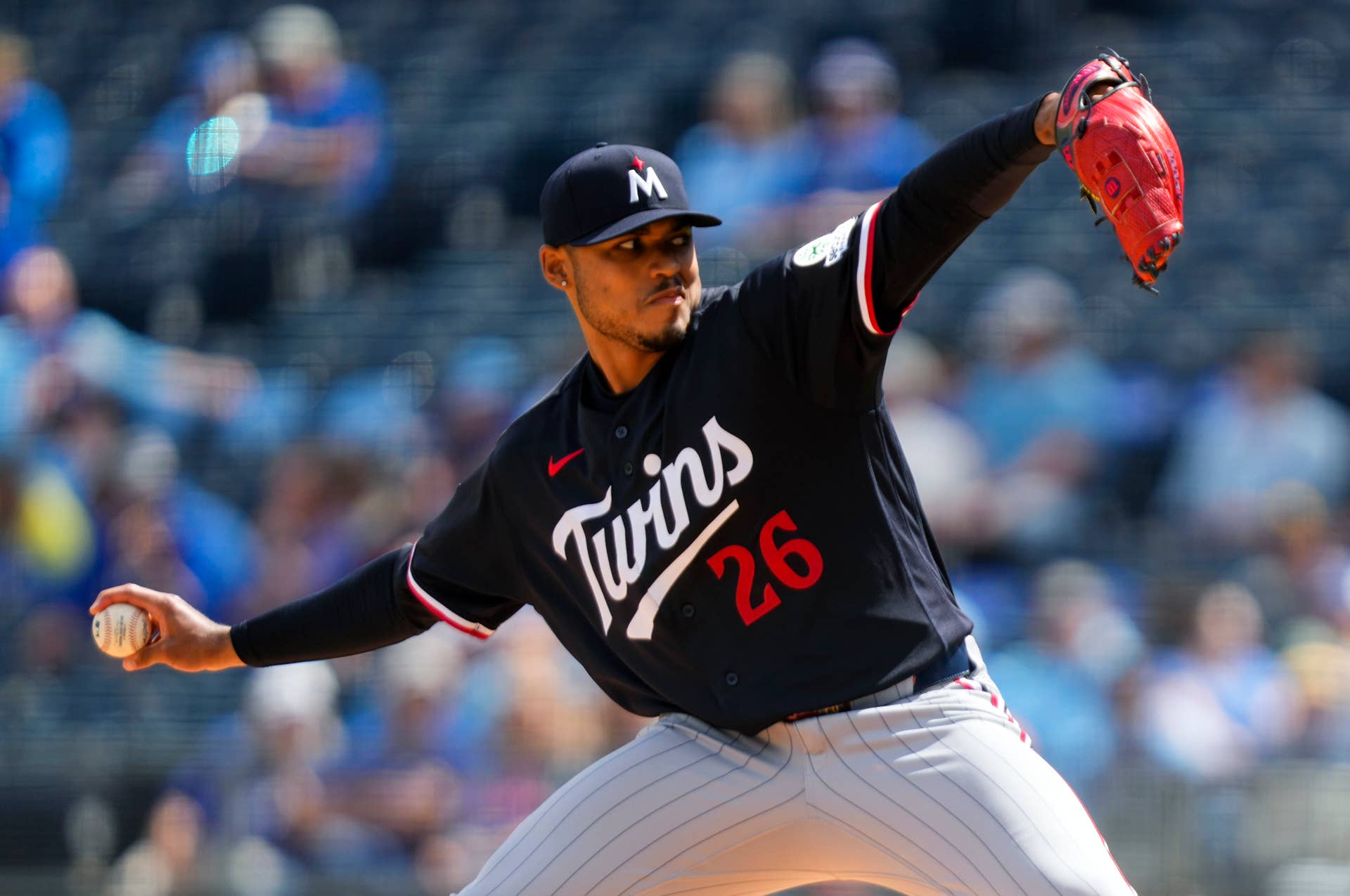
© Jay Biggerstaff-Imagn Images


Command and Spin Are Secondary to Stuff Improvements
It’s easy to wig out over an elite starting pitcher giving up multiple hits and homers in his first few starts. Once April concludes, owners can get a better idea of which starters have top-tier command and which are getting bailed out by their defenses.
We’ve used Twins right-hander Taj Bradley as an example this season. The velocity on his four-seam fastball has gone up to 96.4 mph, and the sustained pitch movement on that pitch (shown on this Statcast chart) shows he has solid control. However, Minnesota’s dismal defense behind Bradley overshadows these stellar stats.
Run-of-the-mill ERA doesn’t show a pitcher’s full skill set. Thankfully for managers, there is a full month of 2026 stats to look at before you drop a solid pitcher from your roster.
Roster Construction and Timing Adjustments for the Rest of 2026
What to Change in Your Approach Right Now
In April, fantasy managers need to be patient with their roster’s output. In May, owners can use April stats to make more informed decisions.
Don’t get hung up on surface-level stats like batting average, on-base percentage, and ERA. Instead, look at the underlying stats listed above that focus on plate discipline, quality hitting, and efficient pitching. Identifying players with strong skill-based metrics will lead to picking less flashy players off the waiver wire. It can also help determine long-term stashes whose stock will rise despite a slow start in April.
Remember, the market hasn’t adjusted for these factors just yet, at least not in early May. So, managers can make roster decisions before the rest of the league catches on.
What are the biggest early-season lessons from April 2026 in fantasy baseball?
The ABS system is dramatically rewarding low chase rate, hard-hit quality is outperforming BABIP-driven batting average, and velocity-plus-movement gains are the strongest early pitcher indicators.
How has the ABS challenge system changed fantasy baseball strategy in 2026?
The tighter zone has increased walk rates for disciplined hitters faster than expected, making chase rate (O-Swing%) one of the most predictive skills this season.
Which April stats should fantasy managers trust most heading into May?
Prioritize fast-stabilizing Statcast metrics such as hard-hit rate, barrel percentage, exit velocity, and chase rate over surface batting average or early ERA.
What roster-construction changes should advanced managers make after the first month?
Shift toward patience with underlying metrics, aggressive early-May buy-low moves on true-talent risers, and disciplined selling of unsustainable April hot streaks.
When do early-season lessons typically become reliable for the full year?
By late April or early May most fast-stabilizing Statcast metrics have already shown their predictive power, making now the ideal time to adjust rosters.
Should I make trades based solely on April 2026 performance?
No — always combine surface results with underlying Statcast data and rest-of-season projections, exactly as outlined in this early-season lessons recap.


