


Formula 1's second quarter earnings report for 2026 makes for uncomfortable reading on the surface, with revenue down significantly and operating income taking a substantial hit compared to the same period last year. But the numbers, while striking, require context to be fully understood.
According to Liberty Media’s Q2 earnings report, F1’s revenue between April and June dropped 38% to $764 million, compared to $1.22 billion in 2025. Operating income fell from $293 million to $73 million, while the sport’s Adjusted OIBDA, which measures operating income before depreciation and amortization, fell 61% to $139 million, down from $361 million in 2025.
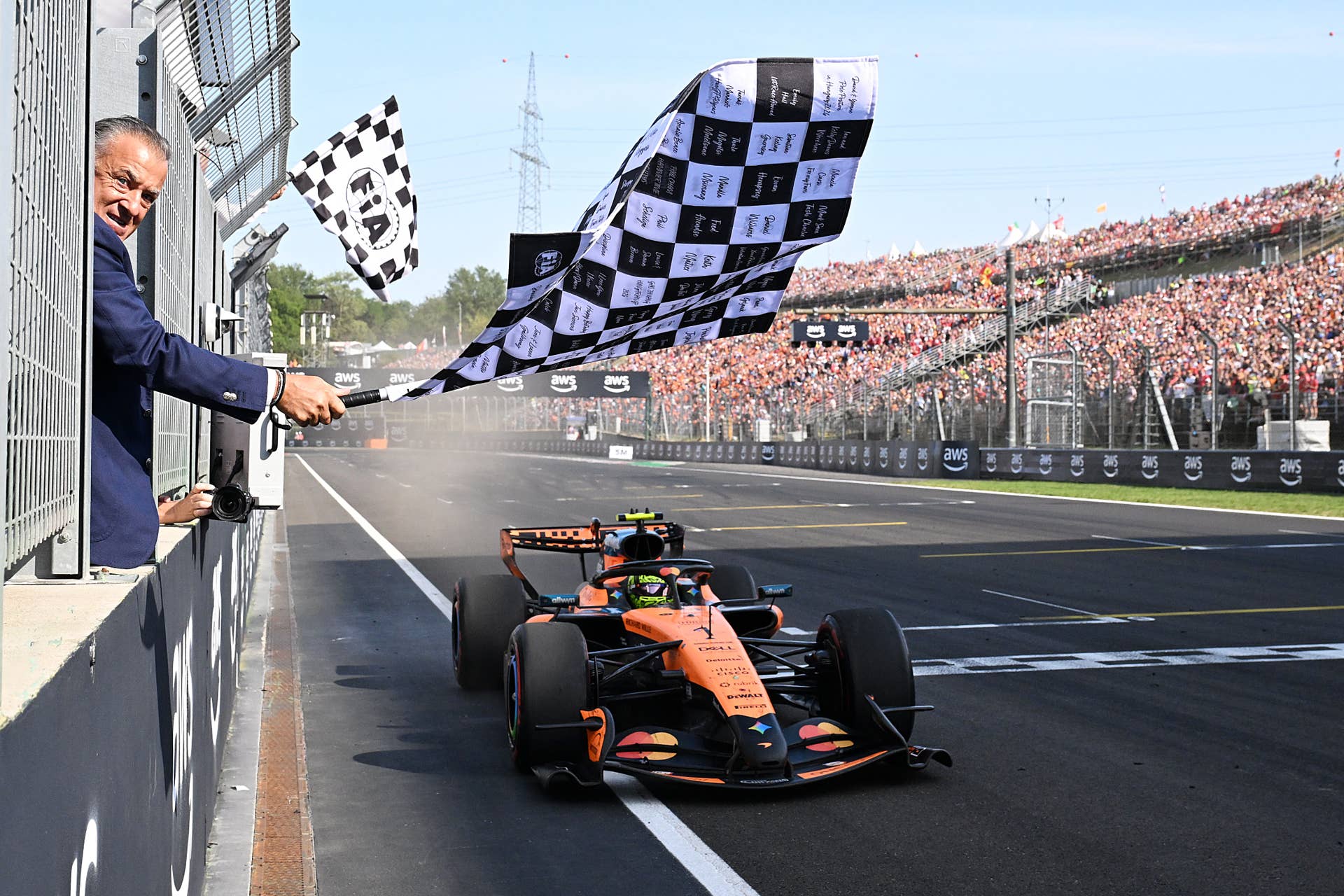
Photo by Mark Sutton - Formula 1/Formula 1 via Getty Images
The numbers are eye-catching, but as Planet F1's Deputy Editor Mat Coch noted, they do not tell the complete story.
Why the Numbers Are Misleading
The primary driver of the decline is straightforward: Formula 1 hosted far fewer races in Q2 2026 than in the same period in 2025. While nine races took place between April and June last year, only five did so this year, a 44% reduction. The causes were threefold. The Japanese Grand Prix was moved earlier in the calendar to March, counting toward Q1 rather than Q2. Imola fell off the calendar entirely. And most significantly, the Bahrain and Saudi Arabian Grands Prix were called off amid ongoing tensions in the Middle East.
Since F1's revenue model is heavily event-linked, fewer races means fewer opportunities across the board; primary race hosting fees, VIP hospitality, logistics, and secondary revenue streams all take a hit when grands prix are not held. Some costs, however, do not scale down proportionally. FOM has continued to invest in staff and IT systems regardless of race count, driving some year-on-year cost increases that further compressed margins in Q2.
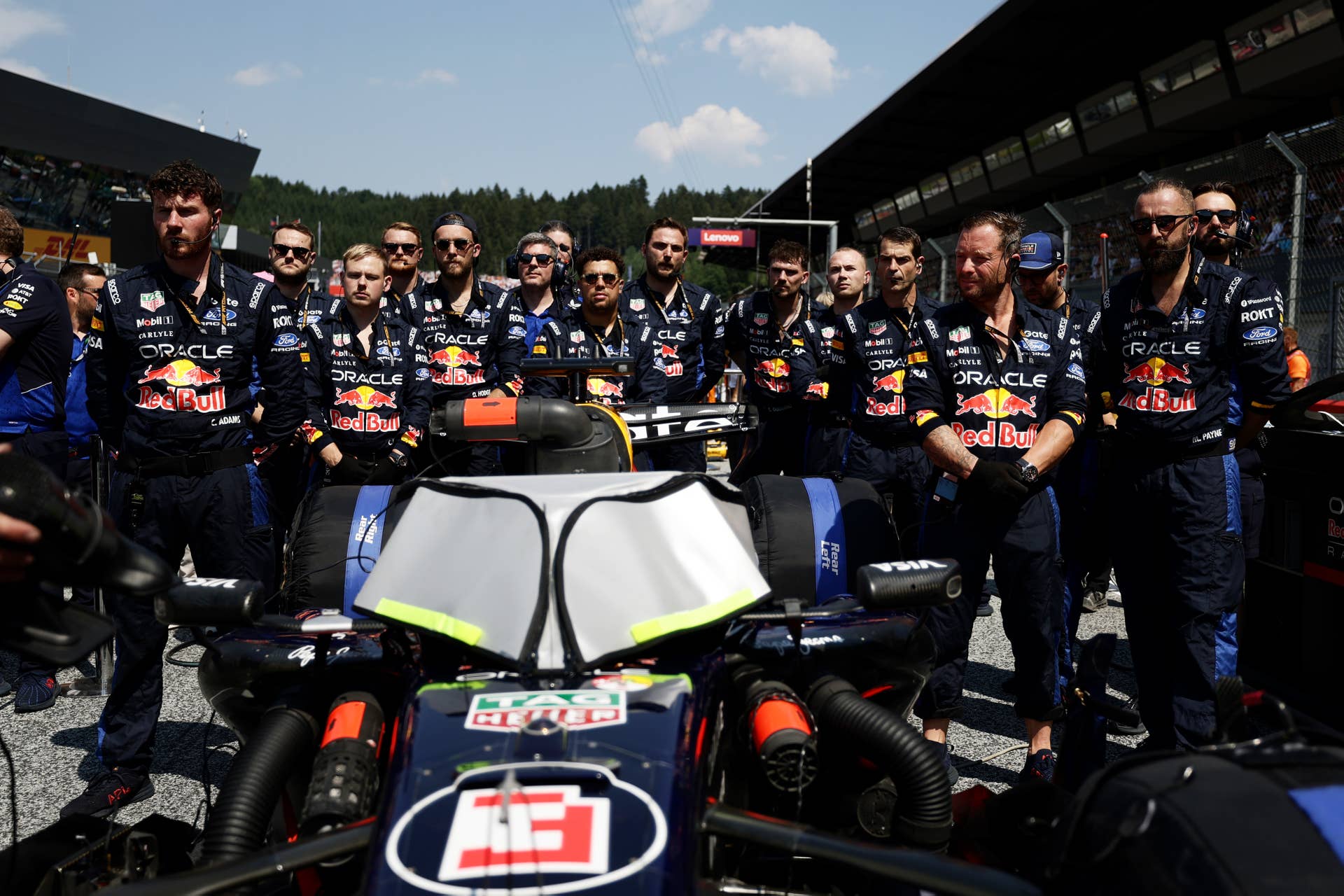
Photo by Mark Thompson/Getty Images
Across the first half of 2026 as a whole, the number of races dropped from 11 to 8, a 27% decline, resulting in a 15% fall in total motorsport revenue over the six months. The hit to team payments has also been significant, with the current grid sharing $316 million in Q2 compared to $513 million in the same quarter last year. Over the first half of the year, teams have received $500 million compared to $627 million in 2025.
What Happens Next
The outlook for the remainder of the year is more encouraging. Formula 1 has agreed to bring the Bahrain Grand Prix back onto the calendar, albeit relocated to Malaysia in October. The third quarter will feature seven races this year compared to six in 2025, while the final quarter, should the Qatar and Abu Dhabi Grands Prix go ahead, will include eight races versus seven last year.
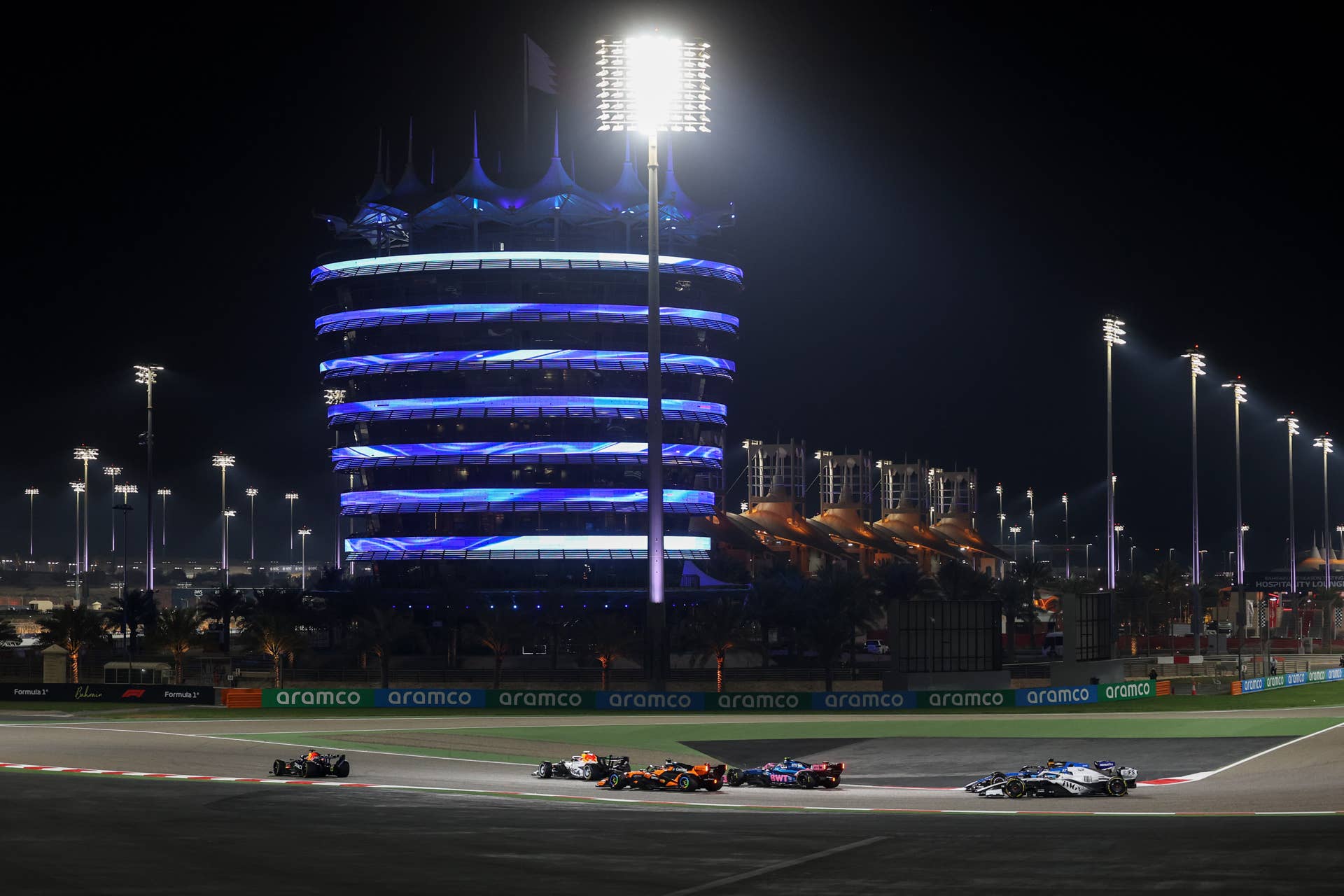
Photo by Steven Tee/LAT Images via Getty Images
If the Middle East finale races are forced off the calendar, F1 CEO Stefano Domenicali has indicated the season could conclude in Europe, with Imola the leading contender to host a December finale. Either way, F1 is expected to reach either 22 or 23 races in total this year, which should bring its full-year financial performance back to a more representative level.
More Sprint Races and Premium Experiences
While the calendar is now described as full until 2028 with no room for additional grands prix, Domenicali has signaled that the number of sprint races will increase from 2027 onward as a key lever for revenue growth. Race promoters are willing to pay more to host sprint weekends given the boost they provide to Friday and Saturday attendances.
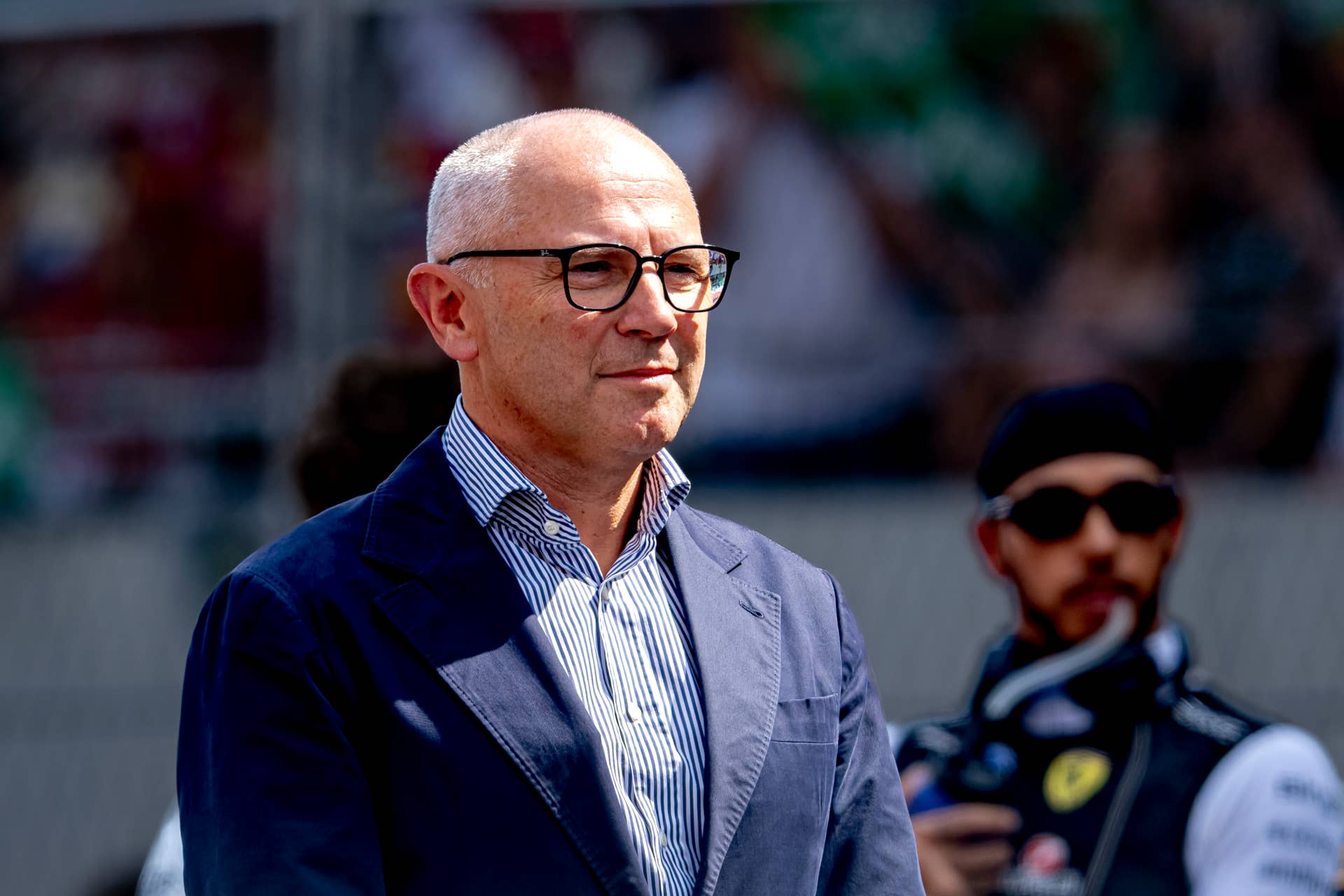
Photo by Marcel van Dorst/EYE4IMAGES/NurPhoto via Getty Images
"We are going to have more sprint races next year, and we will inform when we announce the 2027 calendar how many," Domenicali said during an investors' call. "The principle is simple. This is an opportunity to increment the revenue stream that we can really leverage from a commercial point of view."
Domenicali also pointed to premium hospitality and licensing as growth areas. F1's Paddock Club is already sold out for 2026, and team allocations for 2027 are confirmed, prompting the sport to explore new high-end experiences beyond its existing offering. One example is the Outlap, a luxury trackside dinner experience launched at the Belgian Grand Prix in partnership with LVMH, priced at more than €10,000 per head and set to be rolled out at further European venues in 2027.
The Q2 numbers may look alarming in isolation, but with a busier second half of the calendar ahead and new revenue streams being developed, Formula 1's financial trajectory remains firmly pointed upward. The Middle East disruptions have left a mark on 2026's books, but they are unlikely to define them.