


Liberty Media Corporation, the American mass media giant that owns Formula 1, unveiled its financial results for the full year 2025, revealing strong commercial momentum for the global motorsport series.
According to the latest press release, Formula 1 revenue climbed 14% to $3.9 billion compared to the previous year, while operating income grew 28% to $632 million. The results show that fans are engaging with the sport not only on the track but also commercially.

Rudy Carezzevoli/Getty Images
A breakdown of the revenue streams shows that media rights fees were the largest driver, accounting for roughly 31.3% of total Formula 1 revenue in 2025.
The increase in media rights was supported by contractual fee hikes, growth in F1 TV subscriptions, and the recognition of one-time revenue tied to high-profile content releases such as the sport’s documentary series on Netflix, Formula 1: Drive to Survive.
F1 Team Payouts Rise as Attendance and Viewership Climb
Team payouts also rose for the year, increasing to about $1.4 billion, reflecting F1’s continued profitability and the sport’s distribution of earnings back to the racing teams. Fan attendance for the season reached 6.75 million, up 4%, and live viewership climbed by 21%, underscoring Formula 1’s expanding global footprint.
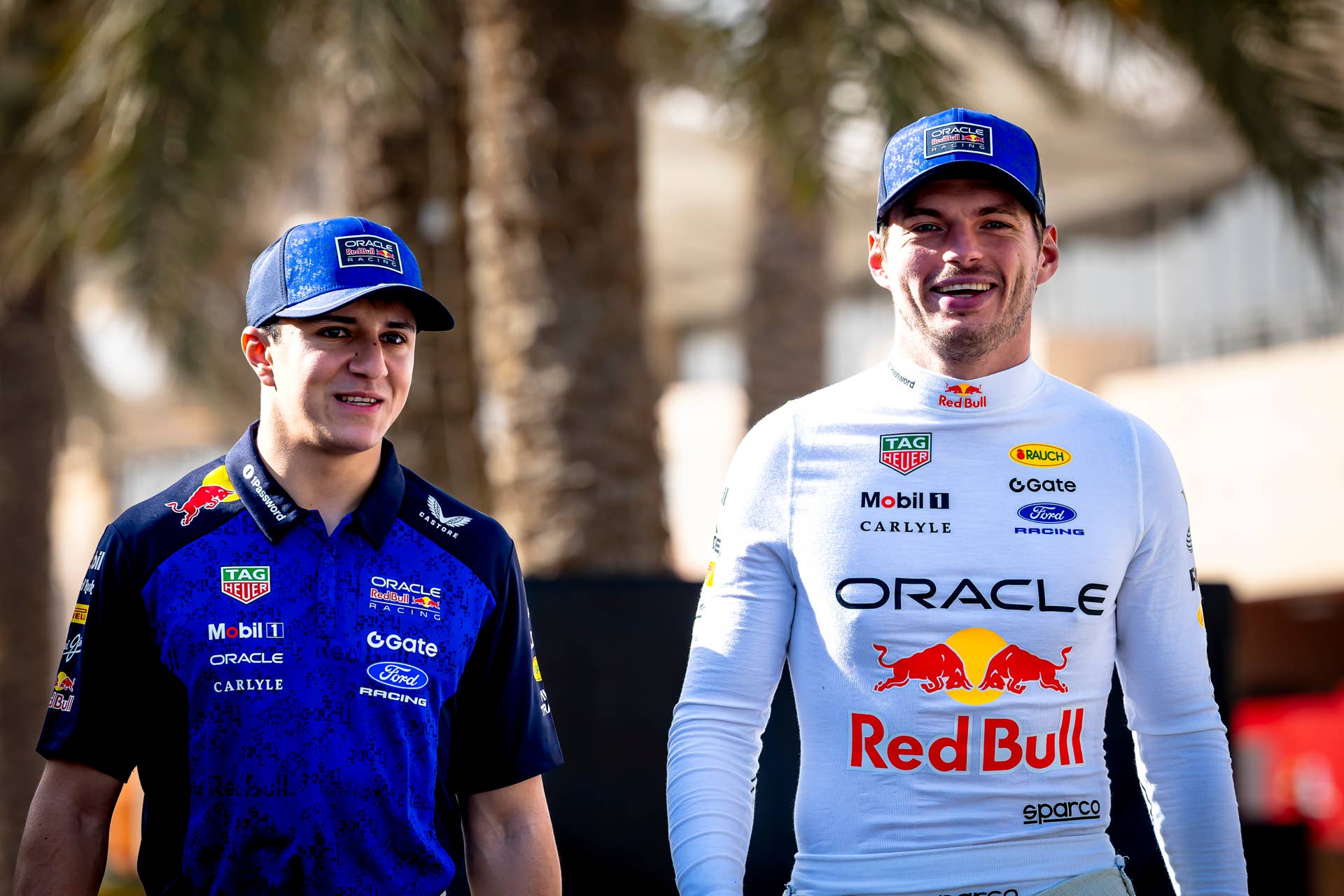
Marcel van Dorst / EYE4IMAGES/NurPhoto via Getty Images
Beyond financial figures, Liberty Media highlighted several strategic developments in the press release, including the return of the Portugal Grand Prix (in 2027 and 2028) and extended broadcast partnerships with ESPN in Latin America and the Caribbean through 2028.
The company also completed its split-off of Liberty Live Holdings, streamlining its structure while investing in growth opportunities across its motorsport assets.
F1’s Financial Boom Reflects in Driver Earnings
F1’s expanding commercial footprint has also translated into significant earnings for its top drivers. With global media rights deals strengthening and sponsorship revenue climbing, the sport’s biggest names continue to command lucrative contracts both on and off the track.
Lewis Hamilton, Max Verstappen, and Lando Norris remain among the highest-paid drivers in the paddock, with multi-year contracts that include substantial base salaries, performance bonuses, and endorsement deals.
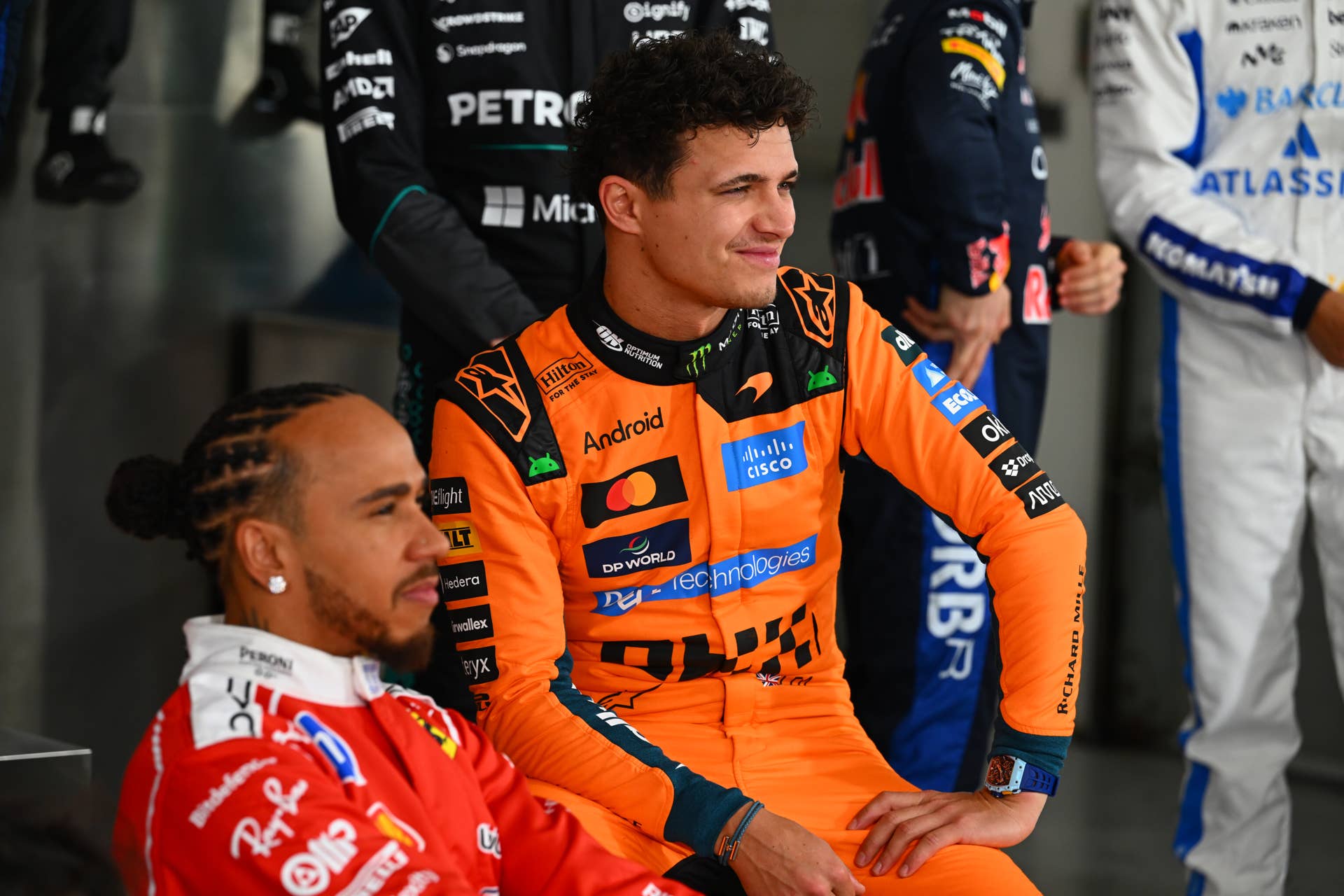
Mark Sutton - Formula 1/Formula 1 via Getty Images
Beyond team payments, personal sponsorships, and brand partnerships further boost their annual income, positioning them among the wealthiest athletes in motorsport.
Driver valuations and long-term contract negotiations are expected to climb as Formula 1’s revenue base continues expanding, particularly through media rights and global broadcast growth. The sport’s financial surge doesn’t just benefit teams and shareholders; it amplifies the commercial clout of its biggest stars.
As F1 enters another era of competition and global expansion, the 2025 financial results illustrate the sport’s commercial resilience and the growing importance of media rights in driving long-term growth ahead of the 2026 season.