


Isack Hadjar, Arvid Lindblad, and Franco Colapinto will receive grid penalties at this weekend’s Bahrain Grand Prix after exceeding their allotted power unit component limits for the season. All three Formula 1 drivers will take fresh parts beyond the regulations’ limits, triggering automatic grid drops under FIA rules.
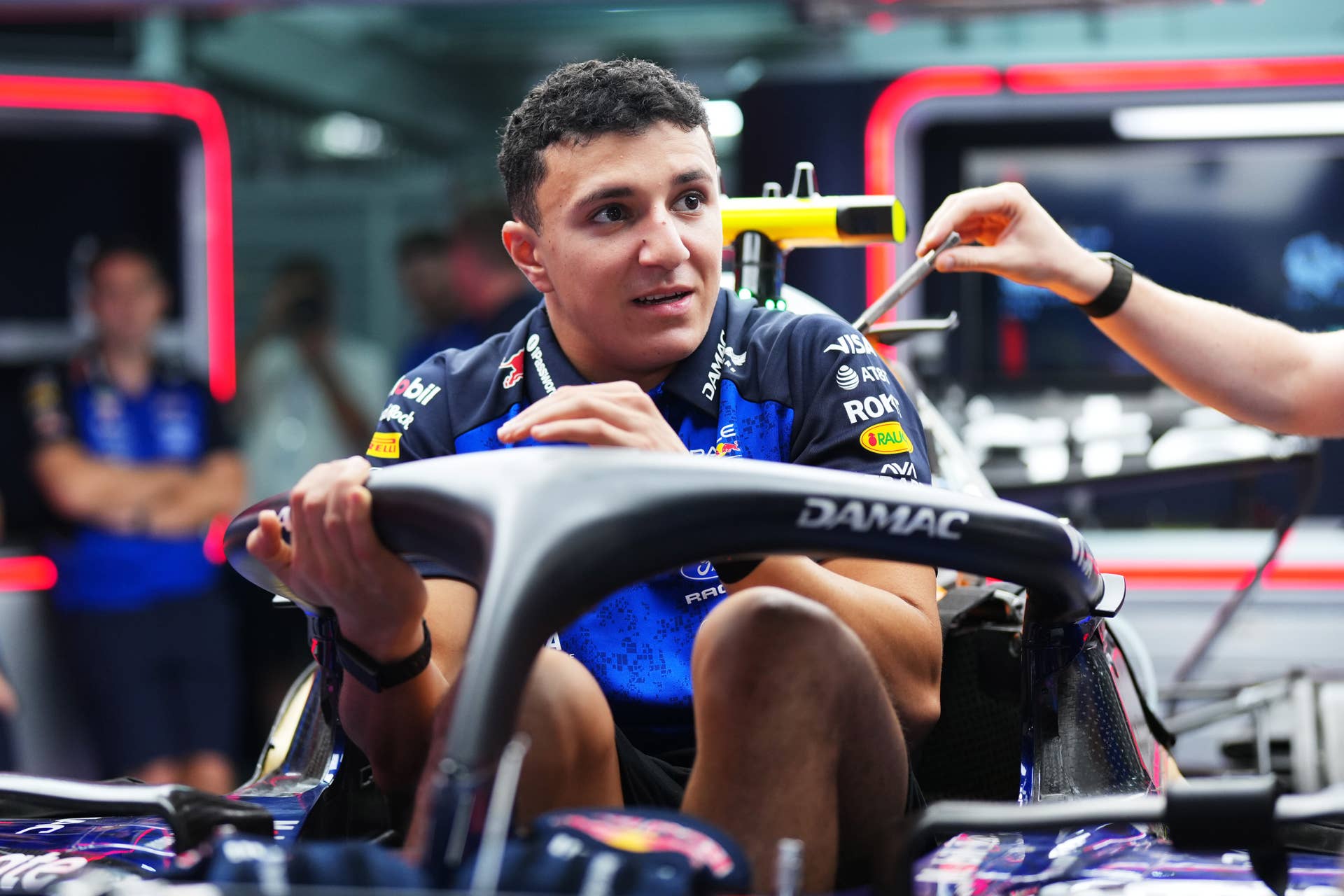
The FIA stewards confirmed the penalties Friday after FP1, with Hadjar receiving a five-grid penalty after using a seventh internal combustion engine. Lindblad’s penalty is by far the most severe of the three, with the Racing Bulls driver facing a 30-place grid drop after exceeding his allocation on three separate components: a fifth internal combustion engine, fifth turbocharger and fifth exhaust set, each carrying a 10-place penalty under FIA rules.
Sona Maleterova / Getty Images
Meanwhile, Colapinto will drop 10 grid positions after using a fifth internal combustion engine. That penalty stacks with a separate five-place grid drop from his crash at the Azerbaijan Grand Prix, giving Colapinto a combined 15-place grid penalty heading into Sunday’s race.
Power unit penalties have always been a recurring storyline in F1 as teams push engine life to the limit in search of performance gains, often accepting a grid penalty at a circuit where overtaking is considered easier in exchange for fresher components later in the year.
In contrast, Mercedes is currently leaning against taking a similar penalty for George Russell this weekend following his win in Baku, though the team has not ruled it out entirely, as reported by renowned F1 journalist Chris Medland on X. The team is said to still be weighing which venue and race situation would make the most sense to absorb a grid drop, a decision that often comes down to a circuit’s overtaking difficulty and a driver’s championship position at the time.
Why This Year’s F1 Bahrain Grand Prix Is Being Held in Malaysia
This year’s race carries an added layer of complexity since it isn’t being held in Bahrain at all. The event was relocated to the Sepang International Circuit in Malaysia after the original April date in Sakhir was called off amid ongoing conflict in the Middle East, marking Formula 1’s first visit to the venue since 2017. The race retains the Bahrain Grand Prix name as part of an agreement between Formula 1, the FIA, and the governments of both countries, even though every session takes place on Malaysian soil.
The switch to Sepang brings its own wrinkle for teams weighing grid penalties, since the circuit’s long straights and heavy braking zones generally make overtaking easier than at a tighter street circuit, a factor in whether a team views this as a good weekend to absorb a drop. The FIA has also declared a heat hazard for the race after forecasts showed a heat index above 31 degrees Celsius, requiring teams to fit driver cooling systems in the cockpit. Drivers can opt out of wearing the cooling vest itself, but doing so means carrying an additional five kilograms of ballast for the race.
With the Bahrain Grand Prix offering more passing opportunities than some circuits on the calendar, it remains to be seen whether more teams follow suit before the final grid is set this weekend.
More F1 News
- F1 Weather Forecast: Rain and Wind Outlook for Bahrain GP in Malaysia
- “Absolutely Not the End”: Esteban Ocon Makes Emotional F1 Future Statement After Haas Exit
- Lewis Hamilton Pays Emotional Tribute on Roscoe’s Death Anniversary
- F1 Announces Franco Colapinto Punishment After Lando Norris’ Ban Calls in Azerbaijan GP Crash