


The fallout from Dylan Larkin's reported trade request has led to debate across the NHL. However, ESPN's Greg Wyshynski believes the story could signal something much larger than one star player's frustration.
Larkin, the Detroit Red Wings captain, reportedly wants out after growing tensions with general manager Steve Yzerman and another season that ended without a playoff berth. Detroit finished 41-31-10 and missed the postseason for the 10th straight year despite being in the playoff race for much of the season.
Wyshynski pointed to a key distinction between Larkin's situation and other recent NHL stars who forced their way elsewhere.
“I realize Dylan Larkin fits into the NHL Age of Player Empowerment thing, but this seems like such a different situation than Hughes, Tkachuk, Marner or others who were like ‘I'm not re-signing here,’” Wyshynski wrote. “He's got 5 years left. Now, if this starts a trend, things get interesting.”
That final point is the most significant. High-profile players approaching free agency, like Mitch Marner, Matthew Tkachuk and Quinn Hughes, have used contract leverage to influence their future.
Still, Larkin's case is different because he remains under contract for five more seasons with an $8.7 million cap hit. He also holds a full no-trade clause for the next two seasons.
Reports from Helene St. James of the Detroit Free Press indicate Larkin would only approve a move to the Vegas Golden Knights, Florida Panthers, or Minnesota Wild, giving him substantial control over the process.
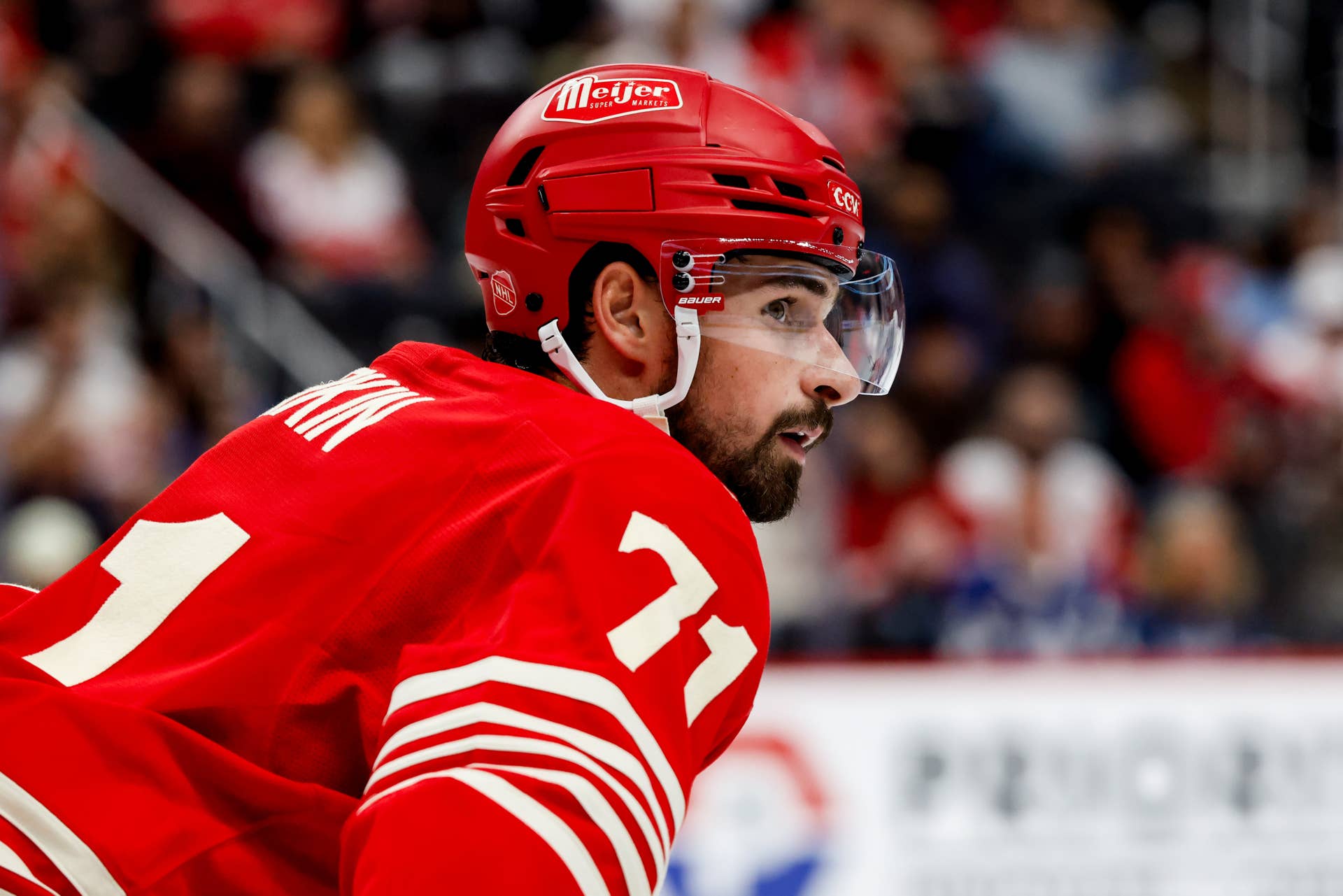
Rick Osentoski-Imagn Images
From Detroit's perspective, there is little urgency to move Larkin. He had 34 goals and 67 points in 74 games this season and remained a top-line center. Yzerman has reportedly set a steep asking price and is unwilling to accept a weak return.
The broader NHL question is whether more stars will seek exits long before free agency. If that becomes common, front offices may lose some of the certainty that long-term contracts traditionally provide.
For now, Larkin's situation appears unique. But as Wyshynski noted, if it becomes a trend, the balance of power between players and teams could shift dramatically.


