


The NCAA Tournament is underway, having completed the first few rounds this past week and weekend. Now, 16 teams remain in pursuit of a national championship.
The Florida Gators won the national title last season and finished this year with a record of 27-8, earning them a No. 1 seed in the tournament. However, they were defeated by the No. 9 seed Iowa Hawkeyes in a close game, losing 73-72 in the final seconds. As a result, there will be a new champion crowned this year.
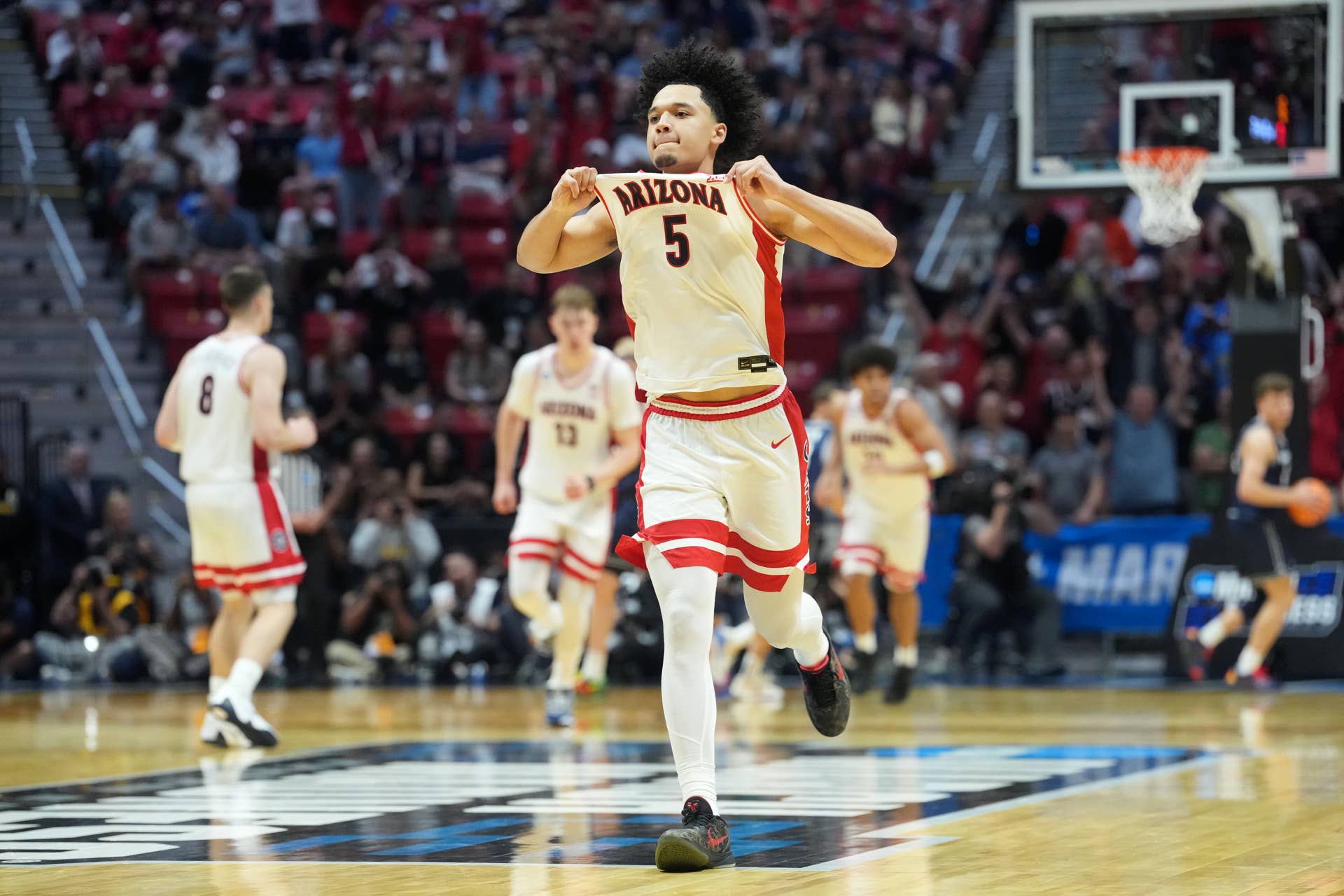
Before the Sweet 16 games, ESPN's Myron Medcalf reranked all 16 remaining teams. Instead of placing the No. 1 overall seed, the Duke Blue Devils, at the top, they chose another No. 1 seed, the Arizona Wildcats, for the top spot.
© Kirby Lee-Imagn Images
"The Arizona Wildcats have depth, a great coach and an overall talent pool to win the program's -- and the West Coast's -- first national title since 1997," Medcalf wrote. "That's why they've been picked by many fans to win it all. Here's a skill that might have been overlooked: an uncanny ability to get to the free throw line. College basketball fans tend to resent games that include a lot of foul calls; they'd rather see teams run up and down the court and keep things moving and exciting. But that kind of play doesn't always lead to victories. Arizona is one of the best teams in America at drawing fouls and getting to the free throw line, and it is effective. The Wildcats have averaged 26.3 free throw attempts this season. They've recorded 72 free throw attempts in two NCAA tournament games. Even if the shots stop falling, they can still put points on the board."
Arizona’s style of play gives it a unique edge as the tournament progresses. Their ability to consistently get to the free-throw line isn’t just a statistical quirk; it’s a sustainable advantage in high-pressure games where offensive flow can break down. When shots aren’t falling, they still have a reliable way to generate points, which becomes increasingly valuable deeper into March.
That approach also forces opponents into uncomfortable situations. Teams must balance defensive aggression with discipline, knowing that one misstep could send Arizona to the line repeatedly. Over time, that pressure can wear down even the most talented rosters, giving the Wildcats a strategic advantage late in games.
As the Sweet 16 tips off, Arizona’s path will test whether that formula can hold against elite competition. With a chance to reach the Elite Eight and move closer to the program’s first national title since 1997, the Wildcats have positioned themselves not just as contenders, but as the team to beat.


