


The Big Ten ensured that professional football players can’t return to their conference.
According to ESPN’s Pete Thamel, the Big Ten passed a measure that prohibits NFL players from playing for the Big Ten. They’re ineliglbe to join the conference if they have signed an NFL contract, appeared on an NFL roster, or declared for the draft without withdrawing.
The ruling follows two players, tight end Dae’Quan Wright and defensive tackle Zxavian Harris, joining the LSU Tigers after signing NFL deals with the Cleveland Browns and New Orleans Saints, respectively. The SEC released a statement saying anyone who competes professionally “should not then be permitted to return to college competition.”
Fans appreciate the Big Ten taking action beyond a statement.
College football world reacts to Big Ten ruling
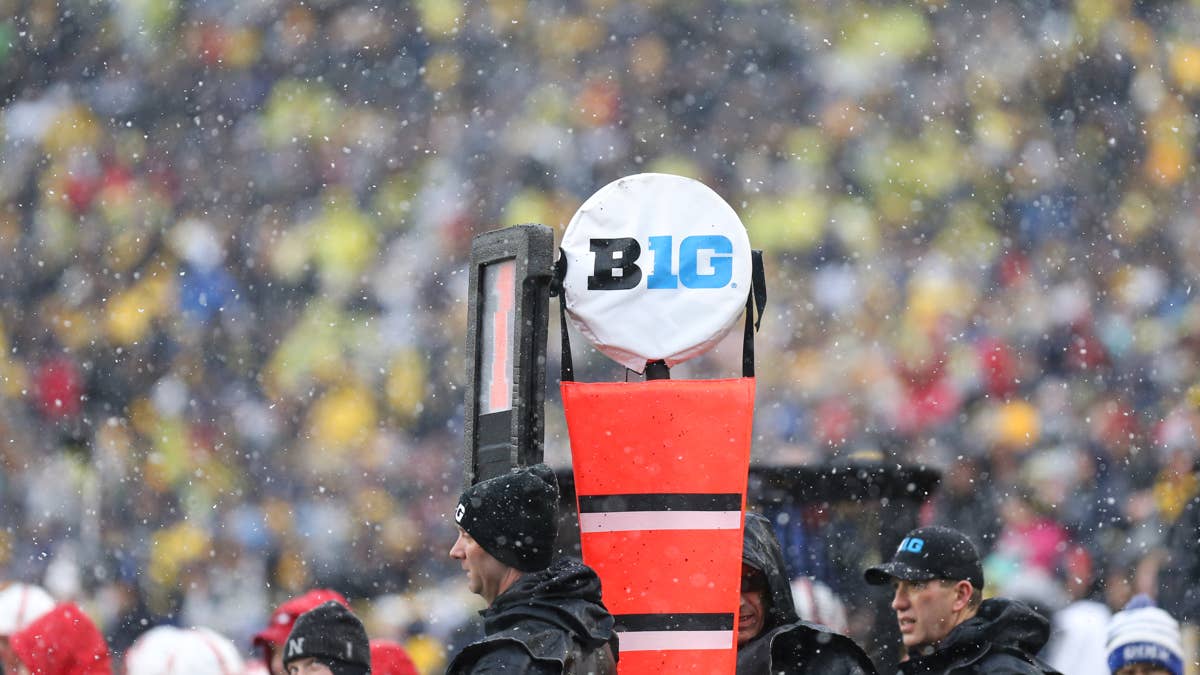
Icon Sportswire/Getty Images
The Big Ten received universal praise after Thamel reported the new rule. Observers applauded the logical step and hoped other conferences follow their lead.
“Good for the Big Ten making a rule rooted in common sense,” ESPN’s Courtney Cronin wrote. “The second you sign a pro contract, step foot into an NFL facility, and participate in practices and games of any variety, you are a PROFESSIONAL FOOTBALL PLAYER. Pro players do not belong back in college football, eligibility loopholes be damned. Your move, other Power 4 conferences.”
“Good,” a college football fan account declared. “I hope the rest of the conferences follow.”
“Lead from the front,” Scott Bell said.
“It’s past time to admit that Tony Petitti is the superior conference commissioner to Greg Sankey and it isn’t even close,” SEC Unfiltered’s Chris Phillips claimed.
“A conference taking moral high ground??? Is this real life?” a fan asked. “Never thought I’d see the day!”
The Big Ten move strikes a stark contrast to the SEC calling for federal regulation. Per ESPN’s Heather Dinich, SEC presidents and chancellors could discuss options for establishing their own rules during previously scheduled meetings on Tuesday and Wednesday in Alabama.
“Allowing that to occur will blur the line between college and professional sports, create significant competitive equity concerns, and reduce opportunities for high school and current college athletes,” the SEC said. “College sports are for college athletes. The current confusion around national eligibility standards emphasizes the need to advance the Protect College Sports Act.”


