


Don’t get it twisted; this site is very much a fan of CSW%. Athlon sang its praises back in April for being a better early-season prediction tool than basic ERA or small-sample strikeout rate.
But fantasy managers can’t forget that CSW% combines “called strikes” and “swinging strikes” into a single combined number. And these two underlying metrics reflect two different skill sets with two different track records of holding up through an entire MLB campaign.
There’s no right or wrong answer when it comes to called-strike rate and swinging-strike rate. But knowing how they differ can help owners decide which improved skills they trust more heading into the final stretch of the 2026 season.
Called Strikes Are the Command Signal
Rafael Suanes-Imagn Images
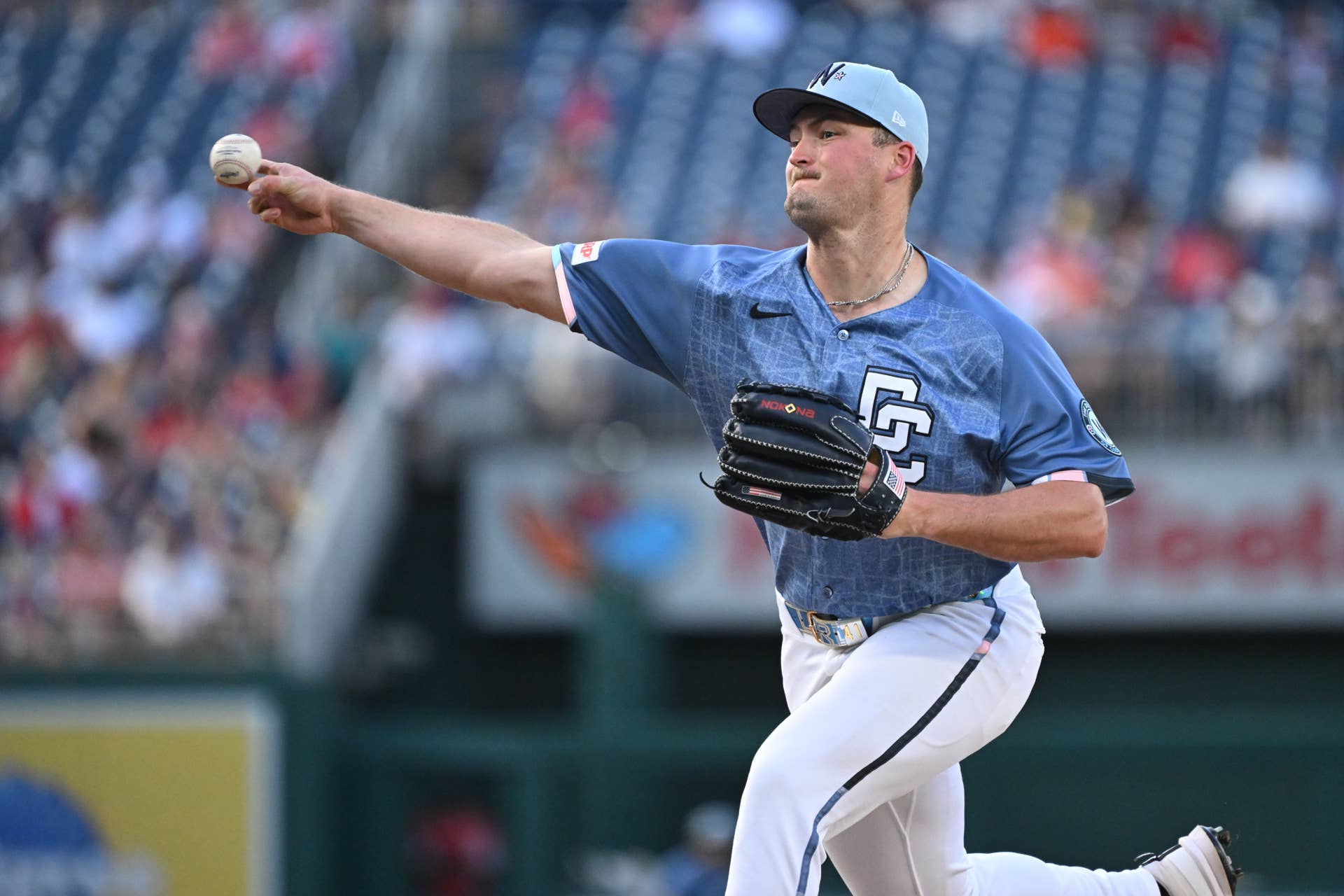
Called-strike rate (CStr%) is all about pitch command. These are the strikes that freeze batters and that the umpire (or even better, the ABS system) will call most often because they are so well-placed. Sometimes, a pitcher’s CSW% will fluctuate because his called-strike percentage has increased while his swinging-strike percentage has stayed flat or decreased. This reflects improved zone command.
Brad Lord is one example of this shift, with his called-strike rate increasing from last season (14.7% to 17.6%) while his swinging-strike rate took a slight dip (9.2% to 8.9%), per FanGraphs. Same goes for Adrian Houser, whose FanGraphs profile shows his called-strike rate shot up (15.6% to 17.3%) while his swinging-strike rate decreased (8.5% to 7.5%). Both pitchers have increased CSW% in 2026 because they have better command of their pitches.
Swinging Strikes Are the Stuff Signal
If you’re looking at raw power, you’re looking at swinging-strike rate. This is the nastiest that fools batters into hacking at pitches they have no business swinging at. Pitch velocity, especially for four-seam fastballs, plays heavily into SwStr%. In turn, hot streaks can make swinging-strike rate fluctuate more frequently.
Veteran right-hander Nathan Eovaldi is one example of a pitcher whose CSW% has increased in 2026 due to his swinging-strike rate increasing from last season (12.8% to 15.3%) and his called-strike rate decreasing (16.3% to 15.1%). His fastball velocity also increased between 2025 and 2026 as he adjusted his pitch usage, according to his Statcast profile.
Two Columns, One Table, Many Fantasy Options
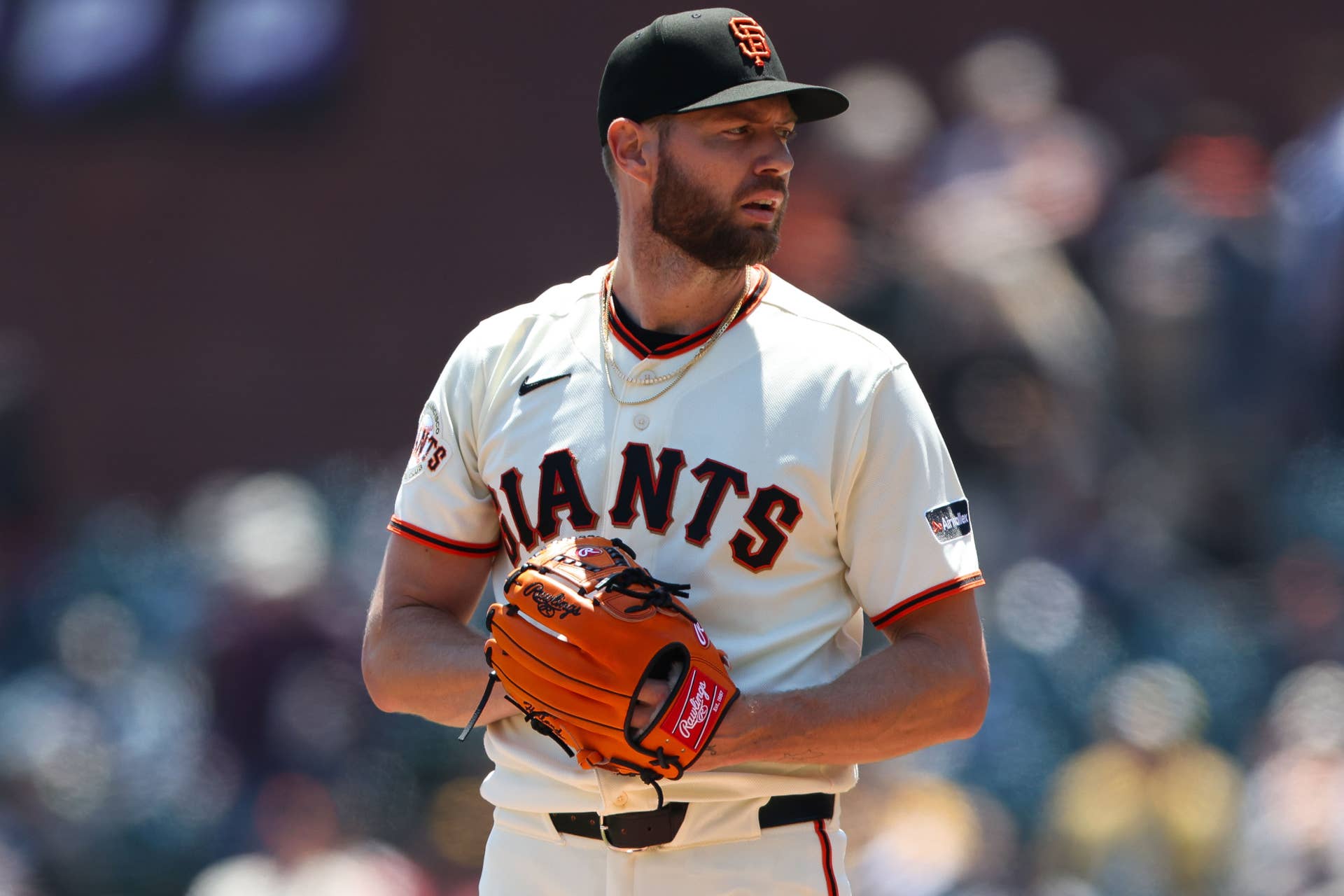
All three pitchers mentioned have made genuine gains. Lord and Houser have improved command, and Eovaldi has improved “stuff.” It’s not a ranked list, more of a side-by-side comparison of how these pitchers are seeing improvements. The question for fantasy managers is which gain they trust more in the second half of the 2026 season.
Swinging-strike gains a good if velocity and raw nastiness stay up. (Athlon has a piece on that here.) Called-strike gains carry more weight in the ABS era where command is key. (Here’s a piece on that, too.) There’s no clear-cut winner. Owners are free to choose which carries more durability and fits their fantasy roster the best.
Questions About Called Strikes and Swinging Strikes, Answered
What is the difference between called-strike rate and swinging-strike rate within CSW%?
Called-strike rate reflects pitch command, producing well-placed strikes that freeze hitters and are called by the umpire. Swinging-strike rate reflects raw stuff, with pitches that generate whiffs. CSW% combines both into one number even though they measure different underlying skills with different track records over a full season.
Which pitchers show a command-driven CSW gain?
Brad Lord and Adrian Houser are presented as examples of command-driven improvement. Both increased their called-strike rates while their swinging-strike rates declined, leading to higher CSW% because of improved pitch command rather than more swing-and-miss stuff.
Which pitcher shows a stuff-driven CSW gain?
Nathan Eovaldi is presented as the stuff-driven example. His swinging-strike rate increased while his called-strike rate declined, and his higher CSW% is tied to improved swing-and-miss ability along with an increase in fastball velocity after adjusting his pitch usage.
Which type of improvement is more trustworthy for the stretch run?
There is no definitive answer. Swinging-strike gains can hold if velocity and pitch quality remain strong, while called-strike gains carry added value in the ABS era because they reflect command. Fantasy managers can decide which profile best fits their roster and risk tolerance.


